Samsung, a titan in the mobile hardware industry, has set the tech world abuzz with a series of cryptic, sensory-rich social media teasers that suggest a major shift in its design language. Known for its ambitious Galaxy Z Fold series, the tech giant appears to be moving away from the traditional, tall-and-narrow aspect ratio that has defined its flagship foldables for years.
By utilizing themes of tactile satisfaction—ranging from the snapping of chocolate bars to the precise slicing of pizza—Samsung is signaling a transition toward a "new shape." While the company remains characteristically tight-lipped regarding specific hardware specifications, the digital discourse is already reaching a fever pitch. Enthusiasts and industry analysts are parsing every frame of these videos, firmly convinced that we are witnessing the first official—albeit abstract—glimpse of the upcoming Samsung Galaxy Z Fold 8.
The Core Facts: What We Know So Far
The mystery began on Samsung’s official Instagram and X (formerly Twitter) channels. The campaign, characterized by high-quality ASMR-style cinematography, focuses heavily on the concept of "the cut" and the reduction of form.
The Key Takeaways:
- A Shift in Form Factor: The primary takeaway from the teaser campaign is a move toward a wider, more compact footprint. The current Z Fold series has been criticized by some users for its narrow front display, which can feel cramped for typing. A shift toward a squarer, more natural aspect ratio would be a significant departure for the brand.
- The "Cut to What Matters" Philosophy: Samsung’s marketing copy explicitly uses the phrase "cut to what matters," implying that the company is refining its hardware to strip away unnecessary bulk, potentially resulting in a thinner, lighter, and more ergonomic device.
- Visual Confirmation: In a pivotal video clip, an abstract array of vibrant pink, purple, and orange paint is cleared away by a squeegee to reveal what appears to be the iconic wallpaper associated with the next generation of Galaxy Z devices, superimposed over a distinctly wider chassis silhouette.
Chronology of the Hype Cycle
The marketing campaign was not a singular event but a carefully orchestrated drip-feed of content designed to maximize engagement.
Phase 1: The Subtle Tease
Early last week, Samsung began posting short, looping videos. These clips featured no text, only visuals of objects being cut. The lack of context forced the community to speculate. Was this a new kitchen appliance? A lifestyle product? The minimalist aesthetic suggested high-end design, leading tech sleuths to cross-reference the dimensions of the objects being cut with the current Galaxy Z Fold 6 design.
Phase 2: The "Sweet New Shape" Reveal
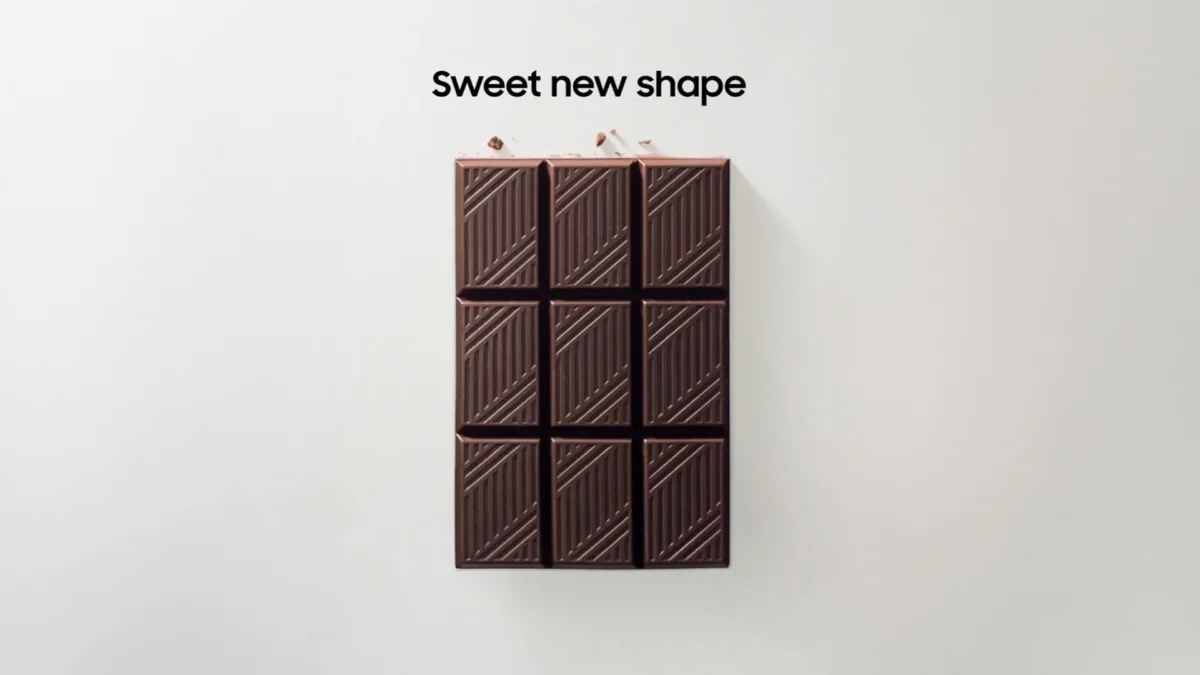
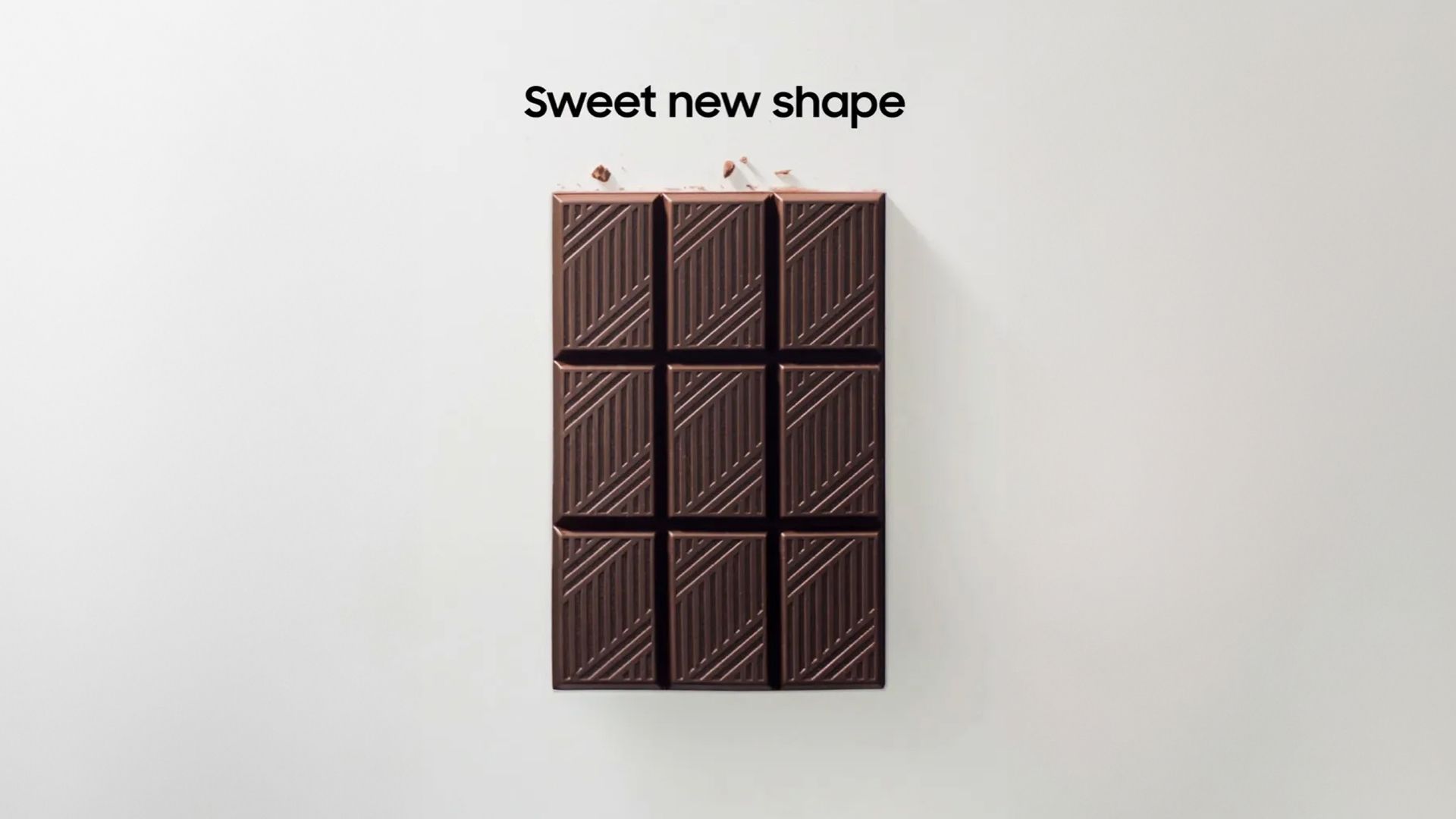
By the mid-week point, the slogan "Sweet new shape" appeared, accompanied by the imagery of a chocolate bar being snapped. The visual metaphor for a "foldable" device is almost too on-the-nose to ignore. The campaign effectively utilized ASMR—a trend that continues to dominate social media engagement—to build a visceral connection with the audience before showing any actual hardware.
Phase 3: The Wallpaper Leak
The final escalation occurred when Samsung released a clip showing the digital "cleaning" of an abstract canvas. The reveal of the signature Samsung color palette, combined with the wider shape, acted as a de facto confirmation that the focus of this campaign is indeed a mobile device, specifically one from the Galaxy Z family.
Supporting Data: Why Form Factor Matters
To understand why this "new shape" is generating so much excitement, one must look at the competitive landscape of the foldable market.
The Problem with the Tall-and-Narrow
Since the inception of the Galaxy Z Fold, Samsung has utilized a tall, thin external display. While this design allows for a comfortable grip, it creates a narrow keyboard experience that many users find difficult to navigate. As competitors like Honor, Vivo, and OnePlus release foldables with more "standard" smartphone aspect ratios, Samsung has faced increasing pressure to adapt.
Market Trends and User Preference
Data from market research firms suggests that foldable consumers are prioritizing two main features: durability and usability of the front screen. A wider front display allows for:
- Standardized Keyboard Layouts: Users can type with a familiar thumb span.
- Improved App Compatibility: Many apps are optimized for standard 20:9 or 19.5:9 aspect ratios. A squarer design on the folded device is more likely to support these apps natively without awkward scaling issues.
- Enhanced Ergonomics: By reducing the height and increasing the width, the center of gravity of the device shifts, potentially making it feel more balanced in the hand.
Official Responses and Corporate Strategy
While Samsung has not issued a formal press release detailing the "Galaxy Z Fold 8" by name, the company’s silence is a calculated strategy. In the modern era of tech, "leaks" and "teasers" serve as the primary marketing vehicle.
When asked for comment, Samsung representatives typically emphasize the brand’s "commitment to innovation and listening to user feedback." This corporate rhetoric is a thinly veiled admission that they are aware of the common complaints regarding the Z Fold’s aspect ratio. By teasing the "new shape," Samsung is essentially engaging in a dialogue with its core user base, allowing the excitement to build organically while they finalize the manufacturing processes for the new design.
Implications for the Future of Foldables
If the rumors regarding the Z Fold 8’s new shape prove accurate, the implications for the wider industry are profound.
1. Setting a New Industry Standard
If the world’s leading manufacturer of foldables switches to a wider aspect ratio, it will likely force the rest of the industry to follow suit. This could end the era of the "tall-skinny" foldable, establishing a more comfortable, user-friendly design language that encourages mass-market adoption.
2. Camera Performance and Internal Hardware
With a wider chassis, the internal engineering challenges change significantly. A wider body allows for larger battery capacities and, crucially, larger camera sensors. Samsung has consistently been a leader in mobile photography, but the Z Fold series has occasionally lagged behind the Galaxy S-series Ultra models due to space constraints. A wider design could pave the way for a more robust camera system that finally rivals the top-tier "candy bar" flagships.
3. The Digital Detox Counter-Movement
Interestingly, while Samsung is pushing the boundaries of foldable tech, there is a simultaneous market shift toward "dumbphones" and minimalist digital tools. Samsung is attempting to bridge this gap by positioning its foldables not just as productivity monsters, but as lifestyle objects that are "just right." The focus on satisfying, tactile experiences in their marketing suggests they want to make the smartphone experience feel less like a chore and more like a curated, premium interaction.
Final Thoughts: The Road Ahead
As we await an official launch date, the "Sweet new shape" campaign serves as a masterclass in modern digital marketing. Samsung has successfully leveraged the anticipation of its loyal fanbase to turn a simple design change into a major cultural event.
Whether the final product lives up to the hype remains to be seen. However, the move toward a more ergonomic, user-friendly aspect ratio suggests that Samsung is finally ready to move past its "experimental" phase with the Z Fold series and into a phase of true maturity. If the company can successfully pair this new form factor with the top-tier camera performance and battery life that users expect, the Z Fold 8 might well be the device that finally brings foldable technology to the mainstream consumer.
For now, the world of tech will continue to watch, wait, and listen to the satisfying sound of the next big thing from Samsung. As the company continues to drop hints, one thing is clear: the future of the foldable smartphone is looking a lot wider—and a lot more exciting—than ever before.