Asro
Asro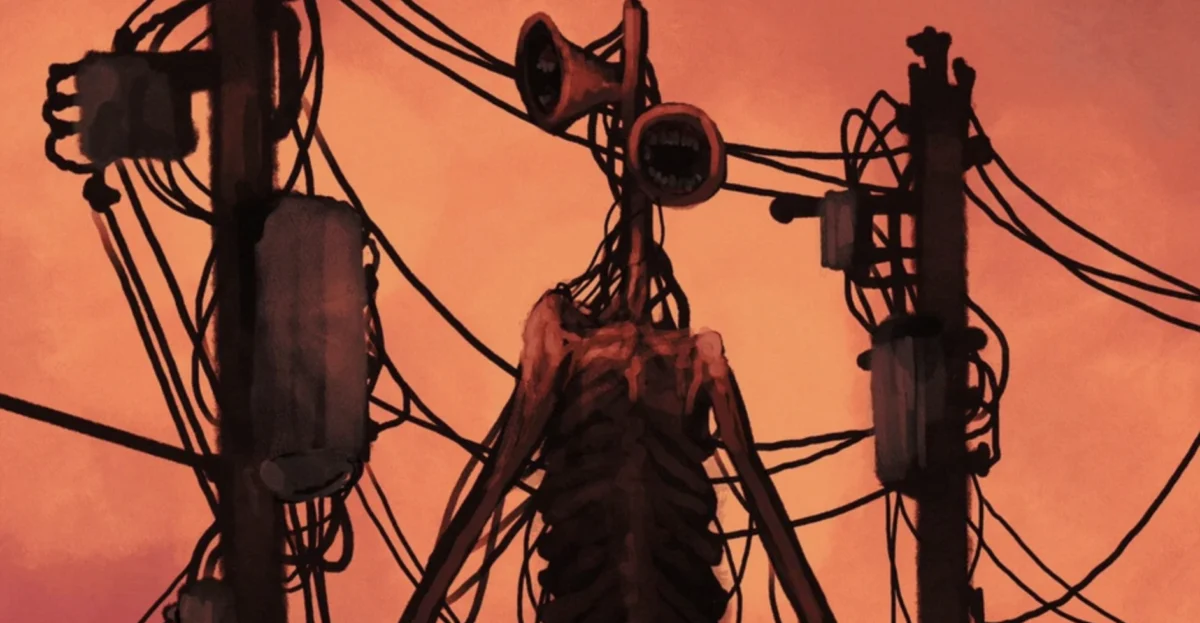
In a landscape where traditional intellectual property (IP) is increasingly supplemented by digital-native phenomena, Warner Bros. has made a definitive move to capture the imagination of the next generation of cinemagoers. The studio has successfully navigated a competitive bidding war to secure the film rights to "Siren Head," the nightmarish, siren-faced cryptid that has dominated internet horror culture for the better part of a decade.
This acquisition marks a pivotal shift in how major studios are sourcing blockbuster content. Rather than relying solely on comic books or legacy franchises, Hollywood is turning its gaze toward the "creepypasta" and YouTube horror ecosystem—a digital wellspring of dread that has already proven its commercial viability with hits like "The Backrooms."
The Creative Powerhouse: Duffield and Cregger Take the Helm
The adaptation will be helmed by Brian Duffield, a filmmaker whose stock in Hollywood has risen meteorically following the success of his sci-fi horror feature No One Will Save You. Duffield, known for his ability to craft tension within tight, claustrophobic settings, will write the screenplay alongside Zach Cregger.
Cregger, currently one of the most sought-after voices in genre filmmaking, brings a distinct pedigree to the project. Having pivoted from his comedic roots to become a titan of horror, Cregger’s involvement signals that Warner Bros. intends for Siren Head to be a prestige-leaning genre entry rather than a standard creature feature. His previous directorial work, including the visceral Barbarian, set a new standard for modern suspense, and his upcoming projects—including a highly anticipated Resident Evil reboot—position him at the forefront of the studio’s horror strategy.
Joining the creative team as producers are industry veterans Roy Lee, Andrew Childs, and Scott Glassgold, with the original creator, artist Trevor Henderson, serving as an executive producer. This inclusion of Henderson is crucial, ensuring that the film honors the unsettling aesthetic that made the creature an icon of the internet age.
The Anatomy of a Legend: What is Siren Head?
For the uninitiated, Siren Head is the brainchild of Canadian artist Trevor Henderson. First conceptualized in 2018, the entity is a towering, impossibly thin humanoid figure whose most striking feature is its head: a rusted, dual-siren structure that emits terrifying noises—ranging from air-raid warnings and garbled emergency broadcasts to the screams of its victims.
The character’s appeal lies in its "found footage" nature. Henderson’s original illustrations were presented as grainy, authentic-looking photographs of the creature lurking in forests or urban landscapes, often partially obscured by fog or shadow. This visual style tapped into a collective subconscious fear of the unknown, propelling Siren Head into the upper echelons of modern folklore. Its transition to film offers a unique challenge: translating a static, meme-based terror into a narrative structure capable of sustaining a feature-length runtime.
Chronology: From Viral Concept to Studio Acquisition
The journey of Siren Head from an obscure digital art project to a Warner Bros. tentpole reflects the rapid acceleration of online subcultures.
- 2018: Trevor Henderson uploads the first images of Siren Head to social media platforms, sparking a wave of fan art, short films, and lore building.
- 2019-2020: The character explodes in popularity on YouTube, becoming a staple of horror-gaming commentary channels and short-form digital animation.
- 2021-2023: As the "analog horror" genre matures, characters like Siren Head solidify their place in pop culture, with merchandise and fan-made games generating significant revenue and brand awareness.
- 2024: Warner Bros. initiates formal acquisition talks, recognizing that the audience for Siren Head is already built-in, global, and highly engaged.
- Late 2024: Official announcement of the production deal, pairing Duffield and Cregger with the IP.
The Gen Z Factor: Why Hollywood is Betting on "Internet Horror"
The acquisition of Siren Head is not an isolated incident; it is a calculated response to shifting demographic trends in cinema attendance. According to recent box-office analytics, Gen Z is currently Hollywood’s most consistent and reliable audience segment. Unlike older demographics, which have been more selective in their return to theaters post-pandemic, younger viewers are flocking to cinemas for horror films that feel "culturally relevant."
The success of The Backrooms—a YouTube-originated concept directed by 20-year-old Kane Parsons—served as the industry’s "proof of concept." When A24 moved to produce that project, it shattered the myth that digital-native content lacked the narrative depth for a theatrical release. Similarly, the success of Curry Barker’s Obsession demonstrated that audiences are eager to see their favorite online creators transition to the big screen.
Data suggests that Gen Z viewers are drawn to "participatory" horror. They do not just watch the movie; they engage with the lore, discuss theories on social media, and contribute to the growth of the franchise through organic content creation. By tapping into existing IP like Siren Head, studios are effectively "buying" a community that already has a stake in the creature’s success.
Supporting Data: The Rise of Digital-Native Cinema
The shift toward digital-native IP is supported by compelling financial indicators:
- Lower Development Risks: Unlike original screenplays that require massive marketing spend to build awareness, Siren Head already has a multi-million-person fanbase.
- Higher Engagement Rates: Horror remains the most profitable genre for studios in terms of return on investment (ROI). Gen Z, in particular, displays a higher propensity for repeat viewings and merchandise purchasing for horror franchises.
- Audience Demographics: Market research indicates that viewers aged 16–24 represent the highest percentage of ticket sales for horror releases, consistently outpacing Millennial, Gen X, and Boomer attendance in the genre.
Implications: The Future of the Horror Landscape
The implications of the Siren Head deal are profound. As studios continue to struggle with the fatigue surrounding traditional superhero franchises, they are increasingly looking toward "high-concept, low-overhead" horror projects.
However, the transition from internet phenomenon to studio production is not without its perils. Critics and fans alike are watching closely to see if the gritty, "lo-fi" charm of the original Siren Head will be diluted by high-budget CGI or sterilized for a broader PG-13 audience. The involvement of Brian Duffield and Zach Cregger offers a glimmer of hope for purists; both filmmakers have built their reputations on maintaining a distinct, often uncompromising vision.
Furthermore, this deal sets a precedent for how independent creators interact with major studios. Trevor Henderson’s role as an executive producer ensures that the original creator remains involved, potentially creating a blueprint for future collaborations between digital artists and Hollywood conglomerates.
Conclusion: A New Frontier
As Warner Bros. prepares to bring the wailing, long-limbed terror of Siren Head to the silver screen, the industry is entering a new era. The barriers between "the internet" and "Hollywood" have officially dissolved. We are no longer looking at a world where movies are exclusively adapted from novels or comic books; we are living in a time where the next great cinematic villain might be born in a Reddit thread, refined on a YouTube channel, and perfected in a high-stakes bidding war in Burbank.
For now, the focus shifts to the development process. With the screenplay underway and the creative team locked, the industry waits to see if Siren Head will become the next great horror franchise or a cautionary tale about the difficulties of adapting digital lightning for the theatrical bottle. One thing is certain: the era of the internet cryptid has arrived, and it is louder than ever.


 Layla Zulfa
 Lina Hope