Nana Muazin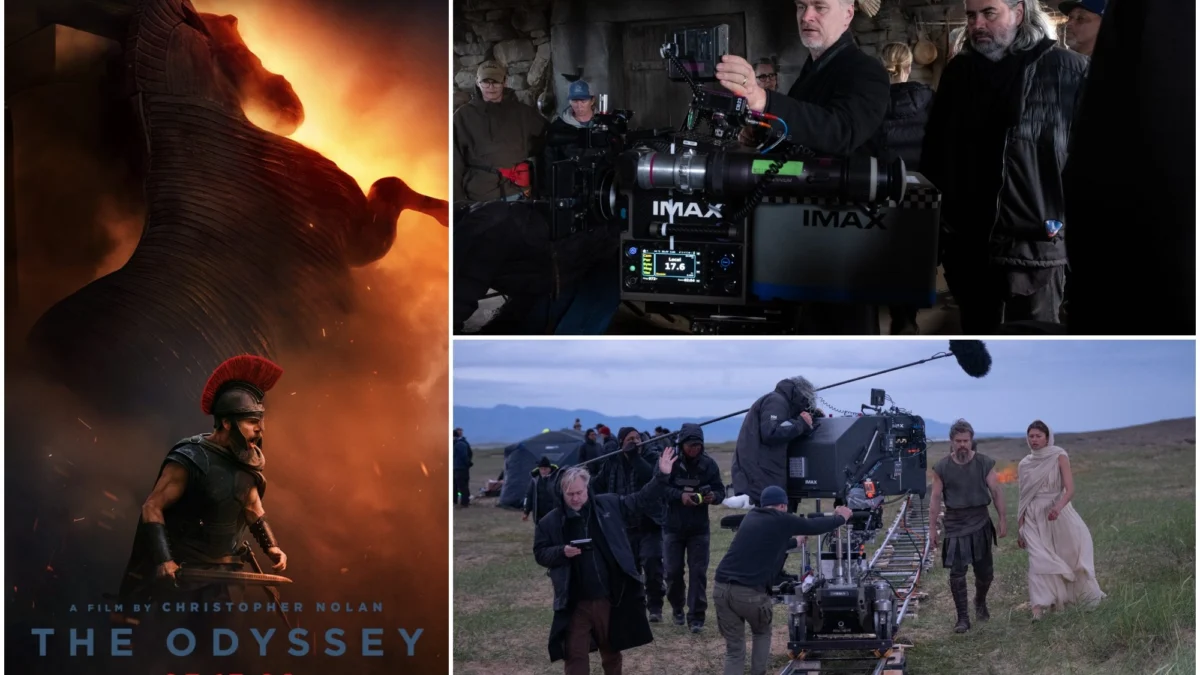
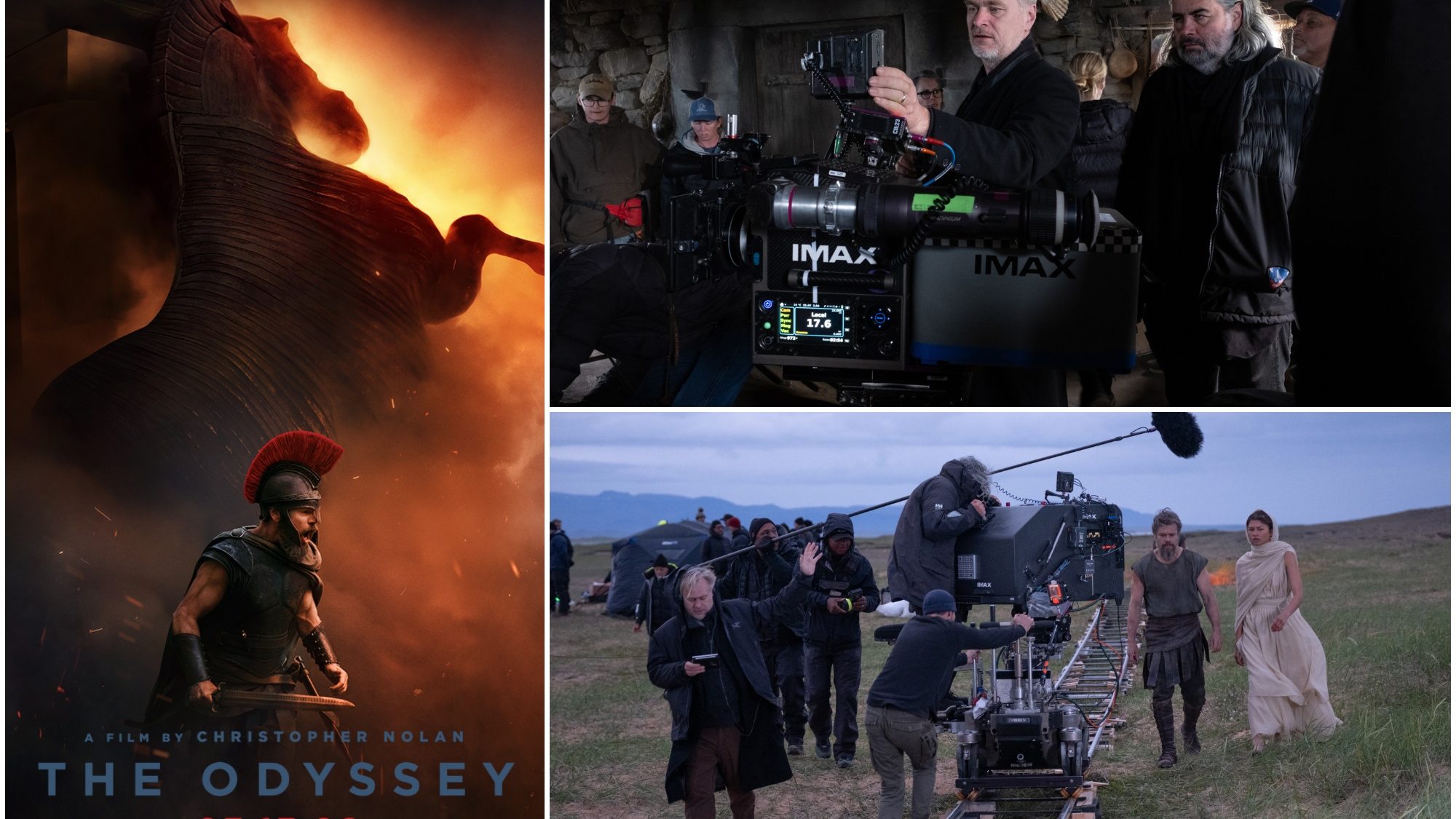
As the sweltering heat of July settles over the cinematic landscape, the industry’s attention is locked on a singular, gargantuan horizon: the release of Christopher Nolan’s The Odyssey. With a scheduled theatrical debut of July 17, 2026, the film is poised to be more than just a summer blockbuster; it is being positioned as a cultural event, a technical marvel, and a bold attempt to redefine the scale of mythological storytelling on the silver screen. Universal Pictures has officially kicked off the final marketing push, unveiling a breathtaking new trailer and a companion behind-the-scenes featurette that emphasizes the filmmaker’s relentless commitment to the IMAX format.
Main Facts: A Foundation of Epic Proportions
The Odyssey is an ambitious adaptation of Homer’s foundational epic, a saga that has permeated Western literature for millennia. However, in the hands of Christopher Nolan, the narrative is being treated not as a dusty relic of antiquity, but as a visceral, high-stakes action epic.
The film boasts an ensemble cast that reads like a “who’s who” of modern Hollywood royalty. Matt Damon leads the production as the titular hero, Odysseus, navigating a world of gods, monsters, and mortal frailty. He is joined by Tom Holland, Anne Hathaway, Robert Pattinson, and Lupita Nyong’o, with Zendaya appearing as the goddess Athena and Charlize Theron rounding out the primary cast.
The project is produced by Emma Thomas and Christopher Nolan under their Syncopy banner, with Thomas Hayslip serving as executive producer. The core of the film’s identity, however, lies in its production methodology: it is the latest, most intensive example of Nolan’s long-standing love affair with IMAX film technology.
Chronology: The Road to the July 17 Premiere
The journey toward The Odyssey has been characterized by secrecy and immense technical preparation. Following the monumental global success of Oppenheimer, which redefined the commercial viability of R-rated historical dramas, Universal Pictures secured a tight creative partnership with Nolan.
- Early 2025: Initial production begins, with location scouting spanning the Mediterranean and remote global locales to capture the “mythic” scope required for the adaptation.
- Late 2025: Post-production enters a high-intensity phase, as the editorial team works to balance the sheer scale of the IMAX footage with the intimate character beats of the narrative.
- July 2026: The marketing campaign shifts into high gear. The release of the "Countdown Trailer" marks the final sprint toward the July 17 theatrical release.
- The Future: All eyes are on the July 17 opening date, which will serve as a bellwether for the health of the premium large-format (PLF) theatrical market.
Supporting Data: The IMAX Imperative
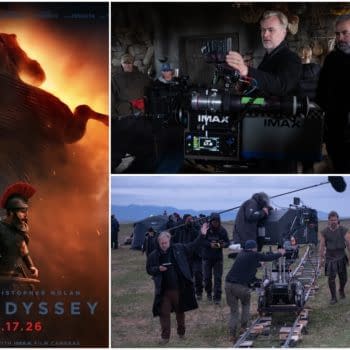
Perhaps the most significant technical detail regarding the film is the declaration that The Odyssey was shot entirely using brand-new IMAX® film technology. In the newly released featurette, the film’s cinematographer, Hoyte van Hoytema, details the extreme logistical hurdles of moving massive, heavy IMAX cameras into rugged, inaccessible locations.

The IMAX format is not merely a marketing gimmick for Nolan; it is an architectural necessity for his vision. By utilizing the full resolution of the 65mm film stock, the production aims to offer an immersive experience that digital projection simply cannot replicate. The "aspect ratio" shifts—a staple of Nolan’s previous works—will be utilized to transport the audience from the intimate psychological trauma of Odysseus to the terrifying scale of the Aegean Sea.
The decision to film "completely in IMAX" places the production in a rarefied category of cinema. It requires theaters to have specific equipment to project the film in its intended format, effectively creating a tiered experience that encourages audiences to seek out specific, high-end venues.
Official Responses: Crafting the Myth
Universal Pictures and the production team at Syncopy have been careful to frame the film as both a technical triumph and a deeply human story. While the marketing leans heavily on the “spectacle” of the film, the narrative core remains anchored in the emotional journey of the protagonist.
In official promotional materials, the studio has emphasized the tagline: "It was never a myth, it’s a legacy." This phrasing is a deliberate attempt to ground the high-fantasy elements of the source material in a sense of historical realism. By removing the “mythical” label, the studio invites modern audiences to view the story of Odysseus as a foundational human struggle—a story of homecoming, war, and the endurance of the human spirit.

Christopher Nolan himself has been characteristically reserved in his public comments, allowing the footage to speak for its own quality. However, the behind-the-scenes featurette provides a rare glimpse into his process, showcasing his hands-on approach to directing complex stunts and his insistence on practical, on-location cinematography whenever possible.
Implications: Can Lightning Strike Twice?
The industry is watching The Odyssey with bated breath, primarily because of the shadow cast by Oppenheimer. That film’s success proved that a long, dialogue-heavy, intellectually demanding film could dominate the global box office. The Odyssey, however, presents a different challenge. It is an adaptation of a classic text, a genre that has seen varying degrees of success in the modern era.
1. The Box Office Gamble
Universal is betting that the "Nolan Brand" is now powerful enough to turn an ancient epic into a must-see summer blockbuster. If successful, it could signal a shift away from franchise-reliant superhero films and back toward "event cinema" based on historical, literary, or mythological sources.
2. The IMAX Monopoly
The film’s reliance on IMAX technology has implications for the theatrical ecosystem. By prioritizing the IMAX experience, Nolan is effectively forcing theater chains to invest in their infrastructure. This creates a feedback loop: better equipment leads to more immersive films, which leads to higher ticket prices and higher grosses. However, if The Odyssey fails to deliver, it could lead to a cooling of the recent enthusiasm for premium large-format screens.

3. The Artistic Legacy
For Nolan, this project is a test of his ability to handle pure fantasy. Having conquered the biopic and the sci-fi thriller, he is now tackling the "Ur-story" of Western literature. The challenge is to maintain his signature "cerebral" style while delivering the grand-scale action that general audiences expect from a summer tentpole.
Conclusion: A Cinematic Odyssey
As the July 17, 2026, release date approaches, the excitement surrounding The Odyssey continues to build. Whether it will match the cultural impact of Oppenheimer remains to be seen, but the intent is clear: to offer an experience that is physically felt as much as it is seen.

With its massive IMAX canvas, its stellar cast led by Matt Damon, and the singular vision of Christopher Nolan, The Odyssey is shaping up to be the defining cinematic experience of the summer. As the marketing campaign enters its final phase, the message to audiences is consistent and powerful: some stories are not meant to be streamed; they are meant to be experienced on the largest screen possible. The countdown has begun, and the theater doors are waiting to open on a new, mythic legacy.


 Sagoh
Sagoh
 Ammar Sabilarrohman