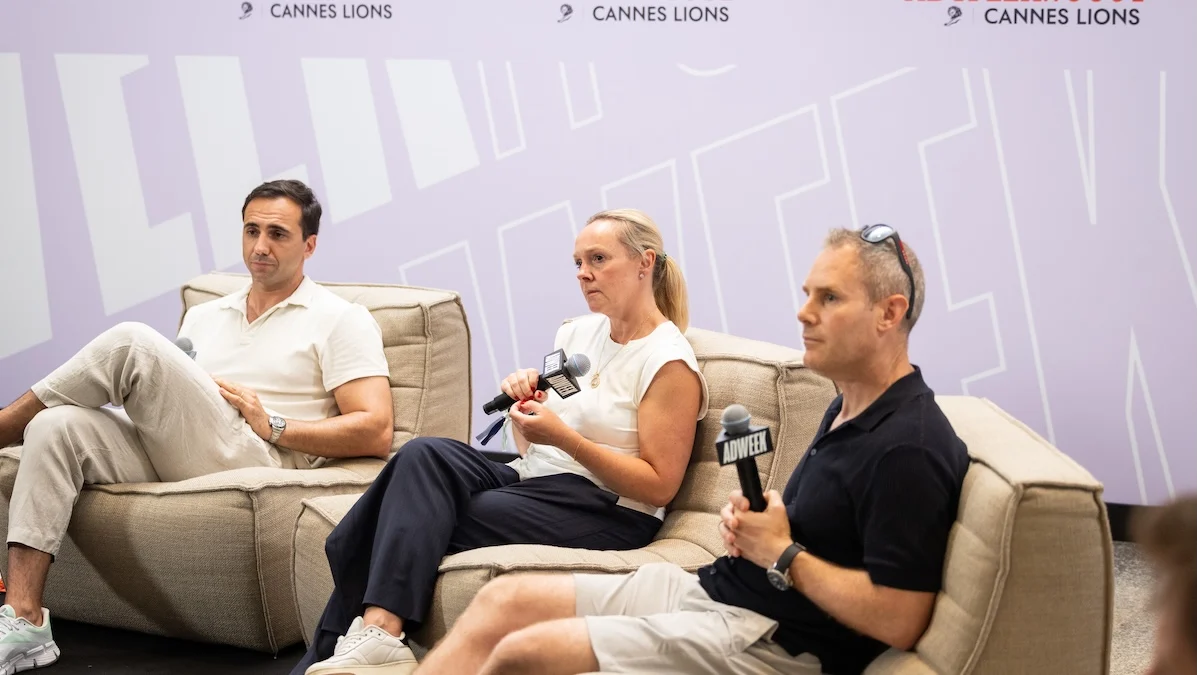
The sports industry sits at a critical juncture. Organizations today possess unprecedented volumes of data—from biometric athlete performance metrics to real-time fan sentiment analysis—yet the core of the sports industry remains fundamentally human. As global sports leaders, technologists, and marketers recently convened at an ADWEEK House Cannes Lions group chat, co-hosted with EY Studio+, the central tension of the modern era became clear: How can organizations leverage sophisticated AI and big data to deepen fan connections without stripping away the raw, unscripted emotion that defines the live sports experience?
The Core Challenge: Balancing Analytics with Authenticity
Sports organizations are no longer just content providers; they are data-driven entertainment ecosystems. However, the panelists—a cross-section of industry veterans including leaders from CAA Sports, Fuse, and EY—warned that an over-reliance on cold metrics risks alienating the very audience it intends to serve.
Hanne Jesca Bax, Global Vice Chair of Clients and Industries at EY, opened the dialogue by framing the issue through a sociological lens. “Sports bring people together,” Bax noted. She argued that while athletes have long benefited from performance data to hone their craft, that same data is now being democratized for the fan. The challenge, however, is ensuring that this data serves to build community rather than creating a barrier of complexity.
The Human Element in a Scripted World
The consensus among the experts was that sport remains the last bastion of “unscripted drama.” Unlike reality television or scripted content, the outcome of a match is unpredictable, and therein lies its value. Roman Di Somma, Head of International Talent at CAA Sports, emphasized that data must be used as a bridge, not a filter.
“The key challenge for us is to use data not to fabricate the emotion, but to remove all the filters that are in between the audience and the emotion,” Di Somma stated. If AI is used correctly, it acts as an amplifier of the fan experience; if used poorly, it creates a sterile, artificial layer that distances the spectator from the heat of the game.

Chronology of the Modern Fan Evolution
The evolution of fan engagement can be mapped across three distinct phases that have led us to the current “AI-Integrated” era:
- The Broadcast Era (Pre-2010s): Fan engagement was unidirectional. Fans watched, leagues broadcasted. Data was limited to final scores and basic play-by-play statistics.
- The Digital/Social Era (2010–2020): The rise of social media and OTT platforms allowed fans to interact with teams directly. Data collection became focused on demographics and simple behavioral tracking.
- The AI and Hyper-Personalization Era (2020–Present): With the advent of generative AI, predictive analytics, and wearable technology, the fan experience is becoming increasingly bespoke. Real-time data is now integrated into the live viewing experience, allowing for personalized highlights, betting insights, and deeper context.
Supporting Data and Strategic Perspectives
The panel highlighted that the success of these technological integrations depends on the "why" behind the data. For many younger fans, the entry point into a sport is not the live broadcast, but the gaming environment.
Laurence Buchanan, Global Leader of EY Studio+, highlighted that younger audiences often engage with "player data" via video games long before they watch a full professional match. “It’s not the data, it’s the story that the data tells,” Buchanan explained. This perspective suggests that data is merely a narrative tool. When a fan understands the difference between a "good" and "great" performance through an AI-powered stat overlay, the appreciation for the sport itself increases.
The Fragmentation Hurdle
Despite these advancements, the fan journey remains notoriously fragmented. A typical fan’s experience spans a vast ecosystem:
- Live Events: The physical stadium experience.
- Broadcasting: Television or streaming services.
- Retail/E-commerce: Purchasing jerseys and merchandise.
- Creators/Social: Following athletes and influencers on platforms like TikTok or Instagram.
- Gaming/Digital: Fantasy leagues and e-sports.
Louise Johnson, Global CEO of Fuse, argued that the winners in the next decade will be the brands that can "join those dots." Currently, these silos prevent a cohesive, 360-degree view of the fan. If a brand can connect a fan’s live stadium attendance to their e-commerce habits and social media preferences, they can offer a personalized experience that feels like a natural extension of the fandom rather than a targeted marketing intrusion.

Official Responses: The Philosophy of Trust
The role of trust emerged as the final, critical pillar of the discussion. In an age of data privacy concerns, how do sports brands maintain the trust of their most passionate supporters?
Paula Radcliffe, the renowned broadcaster and former marathon world-record holder, provided a cautionary note: "There can be too much data, and it can then become confusing and take away the emotions." For Radcliffe, the danger is that information fatigue leads to disengagement.
"Passion Buys You Permission"
Roman Di Somma offered a compelling framework for the industry: "Passion buys you permission." This concept suggests that because fans are so deeply invested in their teams and athletes, they are willing to engage with new technologies and data tools—but only if the value exchange is clear.
If an organization introduces an AI tool that helps a fan understand a complex tactical play in real-time, the fan leans in. If that same tool is used solely to push irrelevant ads or harvest data without clear benefit to the user, the trust is immediately eroded. The consensus: AI tools must demonstrate immediate utility to the fan’s enjoyment of the game.
Implications for the Future of Sports Marketing
The implications of this discussion are profound for marketers and sports executives. The future of the industry will not be won by those who possess the most data, but by those who best curate it.

1. The Death of the "One-Size-Fits-All" Experience
Broadcasting is shifting toward personalized streams. Imagine a world where, through AI, a fan can choose to watch a match with an overlay of advanced analytics for the casual observer, or a "pure" view for the traditionalist. Personalization is the key to expanding the fan base.
2. The Integration of E-commerce and Content
As noted by Louise Johnson, the bridge between the "live moment" and the "retail moment" is the final frontier. When a viewer sees a spectacular goal, the technology should allow them to purchase the player’s jersey or the match-worn memorabilia with a single click, integrating the emotion of the moment into a commercial opportunity.
3. Trust as a Competitive Advantage
In a digital landscape rife with skepticism, transparency will be a brand differentiator. Sports organizations that are clear about how they use data—and that use it to enrich rather than extract—will cultivate the deepest levels of loyalty.
Conclusion: The Human Core Remains
As the industry moves forward, the message from the ADWEEK House panel was clear: Technology is the vehicle, but human passion is the fuel. AI can optimize, inform, and personalize, but it cannot replicate the heartbeat of a last-minute goal or the tension of a final-lap sprint.
The successful sports organizations of the future will be those that master the "Data-Emotion Paradox." By using AI to clear the path between the spectator and the raw spectacle, they will ensure that despite all the silicon, algorithms, and cloud-based analytics, the focus remains exactly where it belongs: on the athletes, the games, and the fans who make the industry the most compelling theater on earth.