

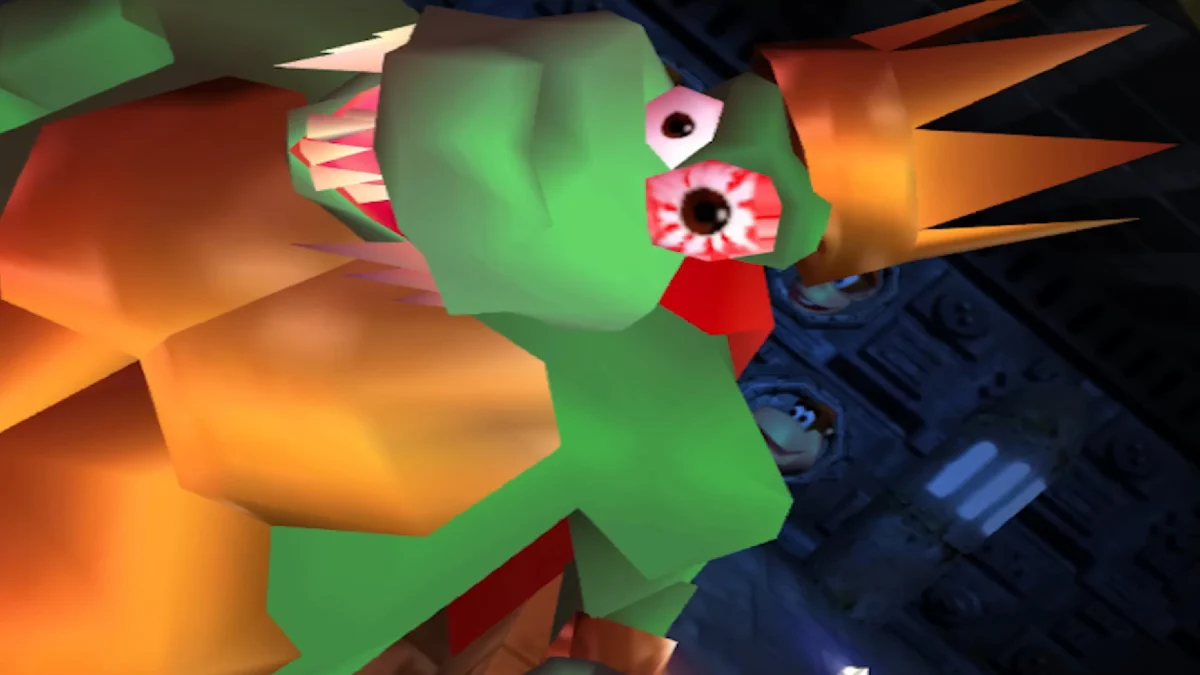
It is a curious phenomenon of gaming history: titles that are remembered today for their polarizing design choices—bloated collect-a-thons, overwhelming map sizes, and dizzying arrays of objectives—often hide a past of unparalleled commercial dominance. Perhaps no game embodies this paradox more than Rare’s Donkey Kong 64. While modern discourse often critiques the game for its exhausting requirements and repetitive mechanics, data unearthed from the late 90s reveals a stunning truth: in 1999, the king of the jungle was, in fact, the king of the market.
The Statistical Upset: Dethroning the Pokémon Phenomenon
In the late 1990s, the cultural zeitgeist was dominated by a singular force: "Pokémania." With Pokémon Red and Blue having ignited a global firestorm of interest upon their North American debut, the idea of any other software title eclipsing them seemed, at the time, an impossibility.
However, recent data provided by Mat Piscatella of Circana’s Retail Tracking Service has upended the conventional wisdom surrounding the gaming landscape of the late 20th century. According to the sales metrics, Donkey Kong 64 was the best-selling video game in the United States for the calendar year 1999, effectively outselling the juggernaut that was Pokémon.
This achievement is particularly staggering when one considers the release window. While Pokémon had enjoyed a full year of saturation and massive brand momentum, Donkey Kong 64 launched in late November 1999. To capture the top spot on the annual charts with only a few weeks of retail availability serves as a testament to the sheer, explosive demand for Nintendo’s platforming mascot at the turn of the millennium.
A Landscape of Heavy Hitters
To understand the magnitude of this victory, one must look at the competition. The year 1999 was a monumental period for the video game industry, characterized by a transition toward more complex, 3D-oriented experiences. Donkey Kong 64 managed to outperform a roster of iconic titles that have since become genre-defining classics.
Among the games that failed to surpass the ape’s sales figures were:
- Tony Hawk’s Pro Skater: A title that revolutionized the extreme sports genre.
- Gran Turismo 2: A simulation milestone that pushed the boundaries of the PlayStation.
- Resident Evil 3: Nemesis: A cornerstone of the survival horror genre.
- Tomb Raider III: The continuing adventures of Lara Croft.
- Super Smash Bros.: The beginning of the definitive Nintendo crossover brawler.
- Final Fantasy VIII: A massive RPG success that defined the cinematic era of gaming.
Furthermore, the game managed to outperform all launch titles for the Sega Dreamcast in the U.S. market. While international sales—particularly in Japan—would likely tell a different story regarding the total global ranking, the domestic US victory remains a definitive point of data that highlights the immense brand loyalty Nintendo commanded during the N64 era.
The Cadence of Commerce: Then vs. Now
The achievement of Donkey Kong 64 provides a fascinating window into how the retail market functioned prior to the digital age. In the current era of gaming, sales are heavily front-loaded; a game’s success is often determined by its pre-order numbers and the performance of its first two weeks on the market. If a game doesn’t hit its numbers in the launch window, it is often viewed as a commercial disappointment.
In 1999, however, the "cadence" of sales was fundamentally different. Retail shelf space was the primary driver of discovery, and marketing cycles were slower and more deliberate. Donkey Kong 64 benefited from a massive, multi-million dollar marketing campaign—including the infamous "Hot Newz 64" promotional tapes sent to subscribers of Nintendo Power—which built a level of anticipation that carried the game through the holiday season and well into the following year.
As Piscatella notes, the retail patterns of the late 90s allowed for long-tail success that is increasingly rare today. Donkey Kong 64 proved that a massive launch, fueled by effective, nostalgia-triggering marketing, could result in a sustained, year-ending victory.
Longevity and Legacy: The 2.3 Million Unit Milestone
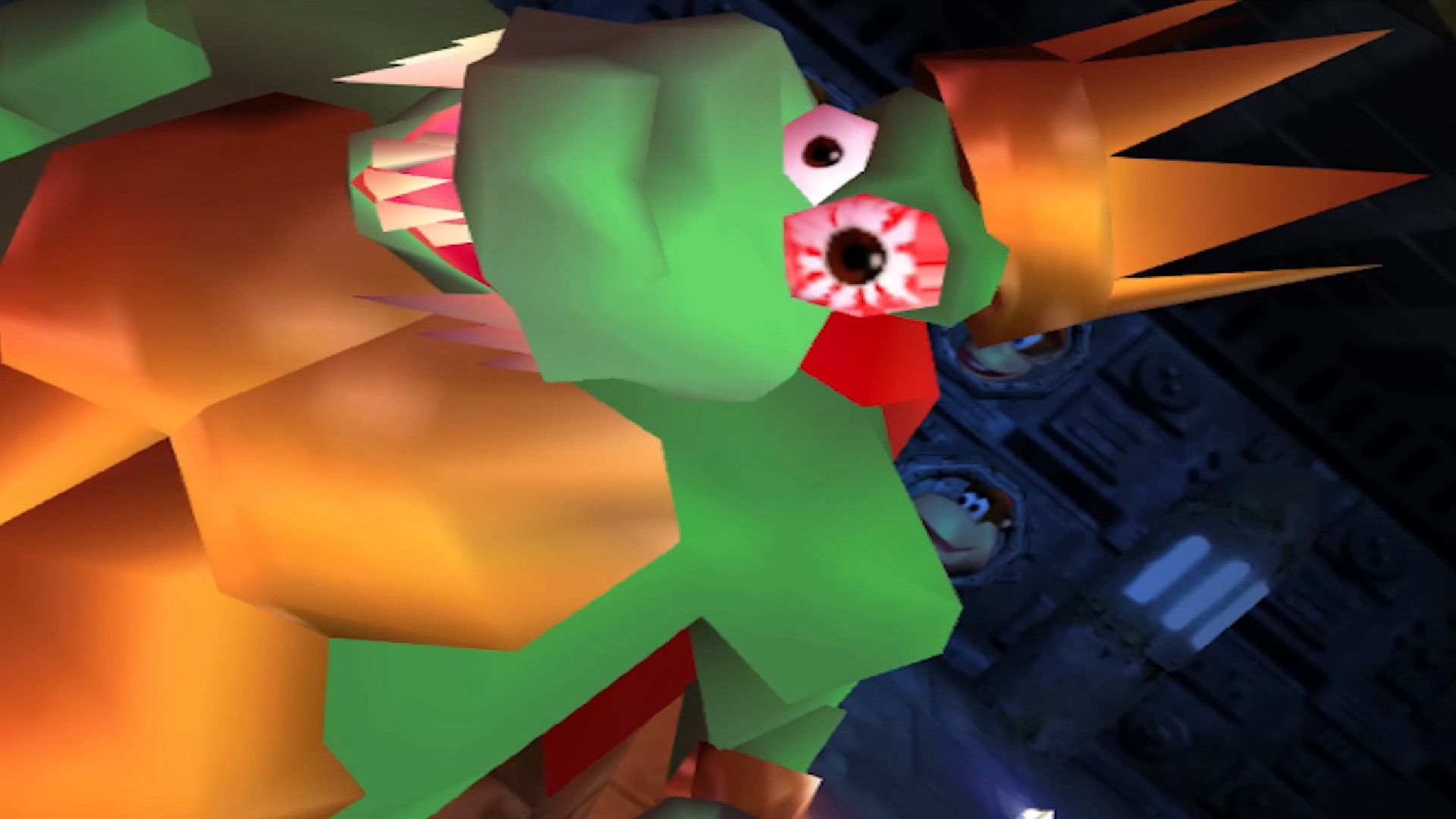
The long-term performance of Donkey Kong 64 is equally impressive. US lifetime sales for the Nintendo 64 version eclipsed 2.3 million units, generating more than $130 million in revenue. This places the title as the ninth best-selling game in the entire history of the Nintendo 64 console in the United States.
When analyzing this top-ten list, it becomes clear that the N64 era was defined by a specific type of platformer. Titles like Super Mario 64, Mario Kart 64, and GoldenEye 007 dominate the list, but Donkey Kong 64 occupies a unique space. Interestingly, it sits above Banjo-Kazooie on the all-time sales chart. This is a source of frequent debate among retro gaming enthusiasts, as many critics argue that Banjo-Kazooie offered a tighter, more polished gameplay loop.
However, the sales data suggests that the "Donkey Kong" brand, combined with the groundbreaking inclusion of the N64 Expansion Pak (which was bundled with the game to ensure it could run the massive, memory-intensive environments), was a stronger hook for the average consumer than the new, unproven IP of Banjo-Kazooie.
The Implications: Why We Still Talk About the Jungle
Why does Donkey Kong 64 continue to generate such fervent discourse, even 25 years later? The answer lies in the intersection of childhood wonder and adult critique.
For the generation that grew up in the late 90s, the game was a rite of passage. The sheer scale of the worlds, the catchy (if repetitive) soundtrack, and the ability to swap between five different playable characters made it feel like a gargantuan adventure that would last forever. It was a game that promised "more"—more collectibles, more characters, and more challenges.
As those players matured, the perspective shifted. The "bloat" that once felt like endless content began to be viewed as poor pacing. The collect-a-thon mechanics, which required constant backtracking, became a symbol of early 3D game design growing pains. Yet, even among its harshest critics, there remains a palpable affection for the title.
The announcement that Donkey Kong 64 is heading to the Nintendo Switch Online library brings a new wave of implications. It presents an opportunity for a new generation—and a re-evaluation by the old one—to engage with the title outside the context of 1999’s aggressive marketing. Will it be viewed as a flawed masterpiece or a relic of a bygone era? Regardless of the outcome, its place in history as the game that defied the odds and beat the Pokémon craze is firmly cemented.
Conclusion: A King in His Own Right
The story of Donkey Kong 64 is a reminder that sales figures do not always correlate with modern critical consensus, yet they offer an undeniable look at the history of gaming culture. It was a title that understood the importance of momentum, the power of brand identity, and the thrill of the "big game" launch.
While we may look back at the labyrinthine levels and the hundreds of golden bananas with a sense of ironic exhaustion, we must acknowledge the feat. In a year defined by the cultural takeover of pocket monsters and the rise of 3D gaming, it was a giant, frustrated gorilla who stood at the top of the mountain. Whether or not it remains on the list of the "best" N64 games, it will always be the game that, against all expectations, captured the heart of 1999.











No comments yet. Be the first to join the conversation!