

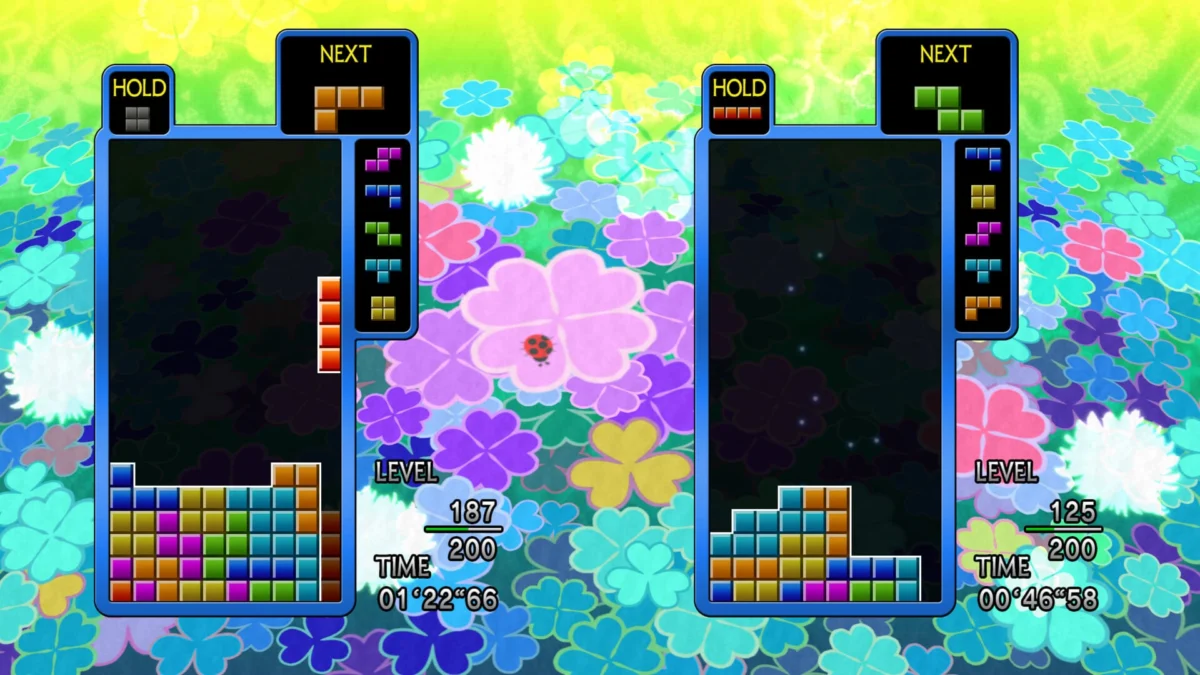
For fans of high-speed, high-stakes puzzle gaming, the Tetris series is often defined by its casual accessibility, but the Grand Master (TGM) sub-series represents the absolute zenith of competitive, high-skill play. Developer Arika has officially announced that the latest entry in this legendary franchise, Tetris: The Grand Master 4 Absolute Eye, is slated to make its way to the Nintendo Switch. This expansion, accompanied by a significant pricing adjustment for the existing PC version, marks a pivotal moment in the title’s lifecycle as it seeks to bridge the gap between niche arcade-style perfectionists and the broader console gaming market.
Main Facts: Bringing Absolute Eye to the Switch
The arrival of Tetris: The Grand Master 4 Absolute Eye on the Nintendo Switch is scheduled for June 4, 2026. This release follows a successful, if somewhat exclusive, Windows PC debut that took place in April 2025.
Perhaps the most significant piece of news for current and prospective players is the unified pricing structure. Alongside the Switch launch, the PC version on Steam will see a permanent price reduction to 2,800 Japanese Yen—roughly $17.60 USD at current exchange rates. By synchronizing the pricing across platforms, Arika is positioning Absolute Eye as a premium yet accessible experience, ensuring that players are not penalized for their choice of hardware.
The Switch version promises more than just a simple port; it introduces a series of refinements to gameplay mechanics and user experience. Notably, in adherence to evolving "AI training policy requirements," Arika has confirmed the removal of the Shiranui CPU Level 0 option. Furthermore, both the "Master" and "Shiranui" modes have undergone balancing adjustments to ensure a distinct and rewarding experience on the handheld-hybrid console.
Chronology: A History of the Grand Master
To understand the weight of this announcement, one must look at the historical trajectory of the Tetris: The Grand Master series. Originating in the late 1990s, the TGM series gained a cult following in Japanese arcades for its unforgiving difficulty, precise physics, and the iconic "Grand Master" ranking system, which required players to achieve near-inhuman levels of speed and pattern recognition.
- 1998: The original Tetris: The Grand Master debuts in Japanese arcades, setting the standard for competitive puzzle gaming.
- 2000–2005: The release of TGM2 and TGM3: Terror-Instinct cements the series’ reputation as the "pro-level" standard, featuring the elusive "Shirase" modes that push the game to speeds that many consider impossible.
- 2009: Arika announces Tetris: The Grand Master 4, but the title enters a period of extended development limbo, appearing at various trade shows but failing to see a widespread consumer release for over a decade.
- April 2025: After years of anticipation, Tetris: The Grand Master 4 Absolute Eye is released on Windows via Steam, finally bringing the series’ modern evolution to a global PC audience.
- June 2026: The Nintendo Switch version is set to launch, accompanied by a global price adjustment for all versions of the game.
Supporting Data: Technical Refinements and Replay Management
Arika has been meticulous in how it handles the transition of Absolute Eye to the Switch. Recognizing that the platform’s primary demographic includes both on-the-go players and those who utilize the dock, the developers have focused heavily on the Replay system.
According to technical documentation released by Arika, the Switch version will feature a dedicated 16MB allocation for replay storage. This system is designed to give players granular control over their performance archives. Users can manage these files directly from the main menu, allowing for the deletion of unwanted clips without the need to view them first.
However, this storage management introduces a new layer of responsibility for the player. While the "Auto Replay Save" feature remains a core component, Arika has implemented a proactive warning system. When internal storage reaches its limit, the game will notify the player that new videos cannot be preserved until space is cleared. This reflects a shift toward a more console-centric management style, ensuring that the high-intensity, high-frame-rate replays characteristic of high-level TGM play do not inadvertently clutter the system’s memory.
Official Responses and Strategic Shifts
The decision to lower the price of the Steam version simultaneously with the Switch launch is a strategic maneuver designed to foster a healthy, cross-platform player base. By ensuring that the cost of entry is consistent, Arika is moving away from the "early adopter premium" that often accompanies PC-to-console ports.
Regarding the removal of specific CPU training features, Arika’s statement suggests an alignment with modern gaming industry standards concerning AI and data usage. By removing the Shiranui CPU Level 0, the developers are emphasizing a "human-first" approach to the training experience. This change, while minor to the casual player, signals that Arika is paying close attention to the competitive scene’s feedback regarding how the game’s AI interacts with the player’s learning curve.
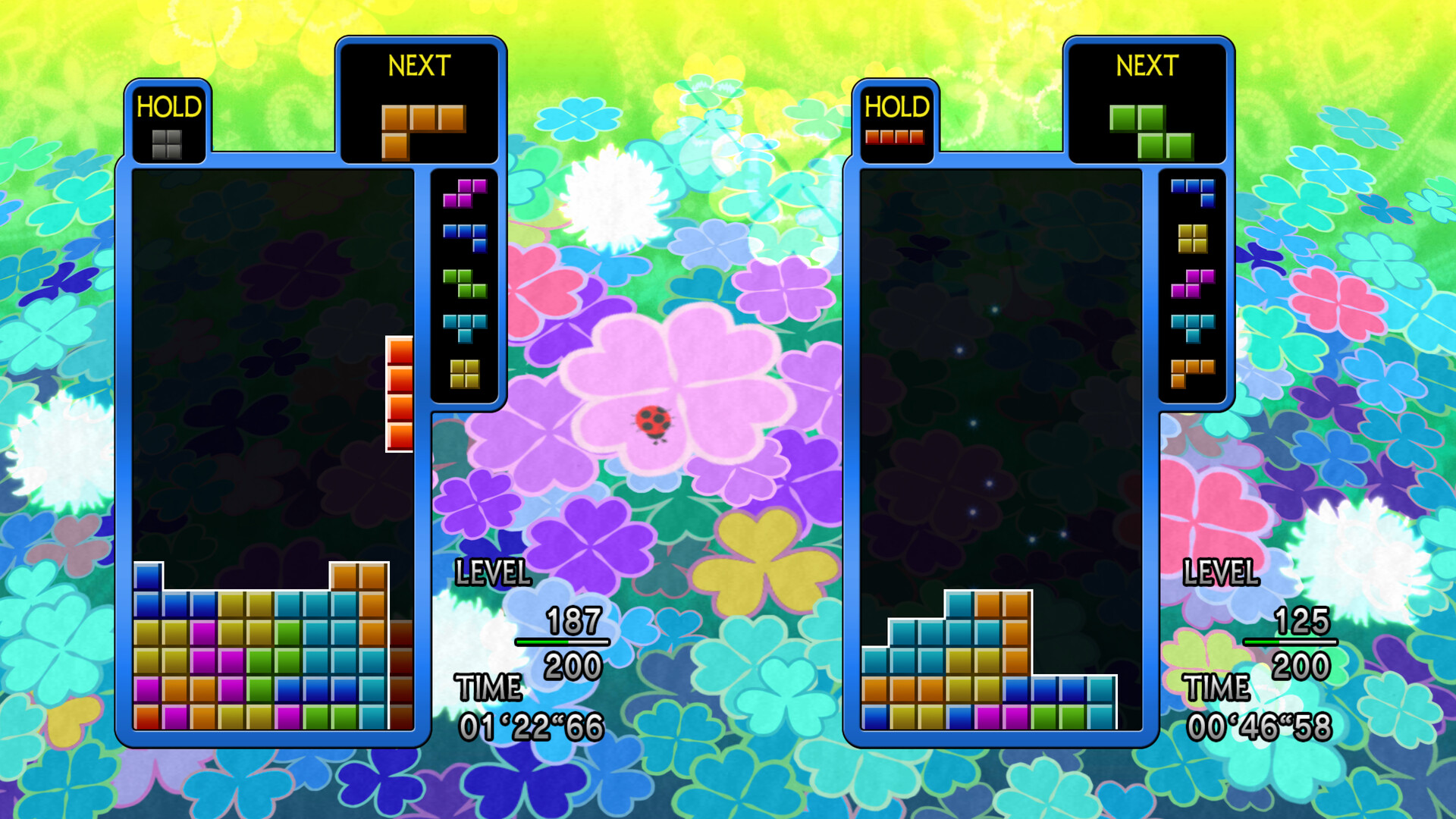
The official trailer for the Switch release highlights not only the graphical fidelity of the game—which maintains the crisp, high-contrast aesthetic necessary for split-second reactions—but also the dual-language support. By showcasing the game in both English and Japanese, Arika is signaling its intent to cater to the global Tetris community, which has remained one of the most dedicated and geographically diverse fanbases in the history of electronic gaming.
Implications for the Competitive Scene
The move to the Nintendo Switch is arguably the most significant development for the TGM community in years. Historically, the series has been tethered to arcade cabinets or specialized PC emulations. By bringing Absolute Eye to a portable, mass-market console, Arika is essentially "democratizing" the Grand Master experience.
Accessibility vs. Difficulty
The core question facing Tetris: The Grand Master 4 is how it will be received by the wider Switch audience, which is accustomed to the more forgiving nature of titles like Tetris 99. TGM is notorious for its "entry barrier"—a series of tests and skill-checks that can feel insurmountable to newcomers. The pricing drop to ~$17.60 makes the game significantly more attractive to curious players who might have been hesitant to pay a higher premium for a title that is known to "punish" its users.
The Future of Competitive Tetris
With the Switch’s robust online infrastructure, there is an unspoken potential for Absolute Eye to become a staple of competitive puzzle circuits. If the port maintains the frame-perfect precision of the PC version, it could serve as a portable training tool for top-tier players. The ability to practice on the commute or in a tournament setting is a game-changer for those who spend hundreds of hours mastering "TGM-style" mechanics like the "Invisible Roll" or "Death Mode."
A Sustainable Model for Niche Titles
Arika’s approach serves as a potential blueprint for other niche developers. By releasing on PC first to test the waters and gather community feedback, and then moving to a console platform with a refined, lower-priced package, Arika has successfully managed the risks associated with modern game development. The synchronization of the price drop suggests that Arika is viewing Absolute Eye not as a collection of isolated products, but as a single, living service that grows alongside its community.
Conclusion
As we look toward the June 4, 2026, release date, it is clear that Tetris: The Grand Master 4 Absolute Eye is entering a new, more expansive phase of its existence. Whether you are a veteran of the original arcade cabinets or a newcomer looking to test your mettle against the most demanding puzzle game in existence, the upcoming Switch version offers a refined, accessible, and competitively priced way to engage with the absolute peak of the Tetris genre.
The adjustments made by Arika—ranging from the storage management of replays to the rebalancing of game modes—show a developer that is both respectful of its history and mindful of the future. The Grand Master is not just returning; it is adapting, and for a community that has waited over a decade for this level of polish, the wait is almost certainly worth it.












No comments yet. Be the first to join the conversation!