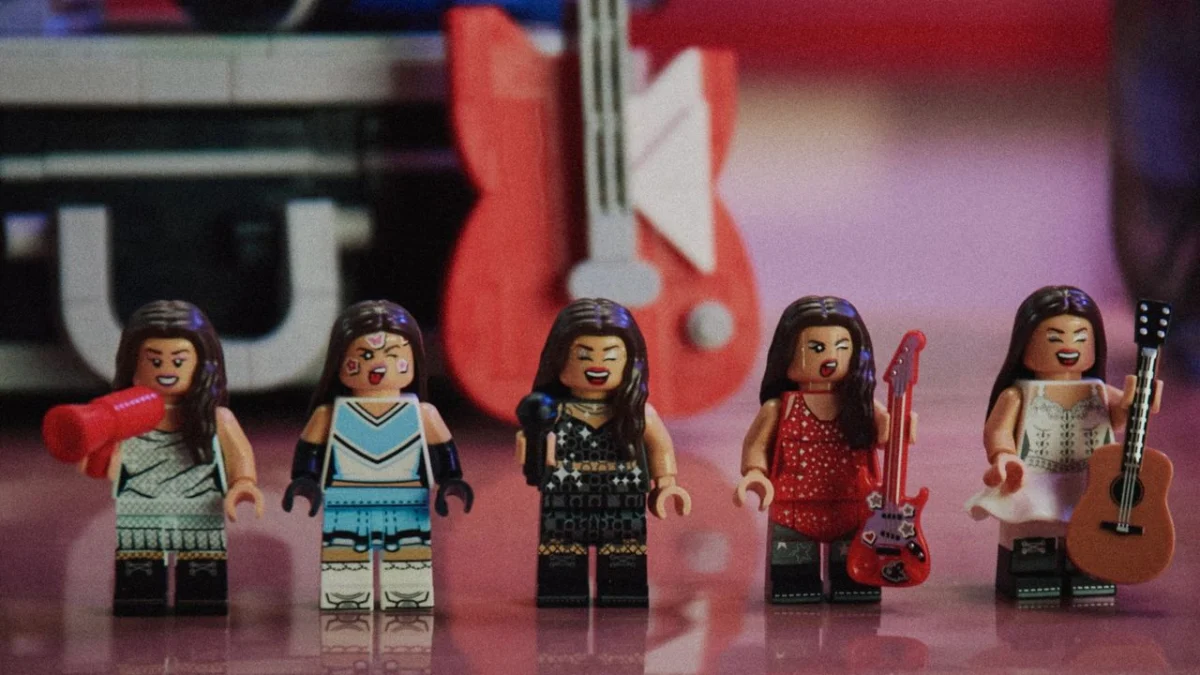
In a landscape where branded merchandise is often synonymous with mass-produced, slapdash logo-slapping, the collaboration between The Lego Group and global pop sensation Olivia Rodrigo stands as a masterclass in strategic brand integration. Launching globally on August 1, this five-set collection represents a significant milestone: it is the first time in Lego’s history that the company has dedicated an entire, multi-product range to a single musical artist.
While casual observers might dismiss this as a standard licensing deal—a predictable collision of corporate toy manufacturing and pop-culture celebrity—the reality is far more nuanced. By weaving a tapestry of "Easter eggs," symbolic motifs, and emotional resonance, Lego has transformed a plastic brick collection into a narrative-driven experience. For creative professionals, designers, and marketers, the collection offers a potent lesson in how to command attention in an era of infinite digital scrolling.
The Main Facts: A New Chapter in Collaborative Design
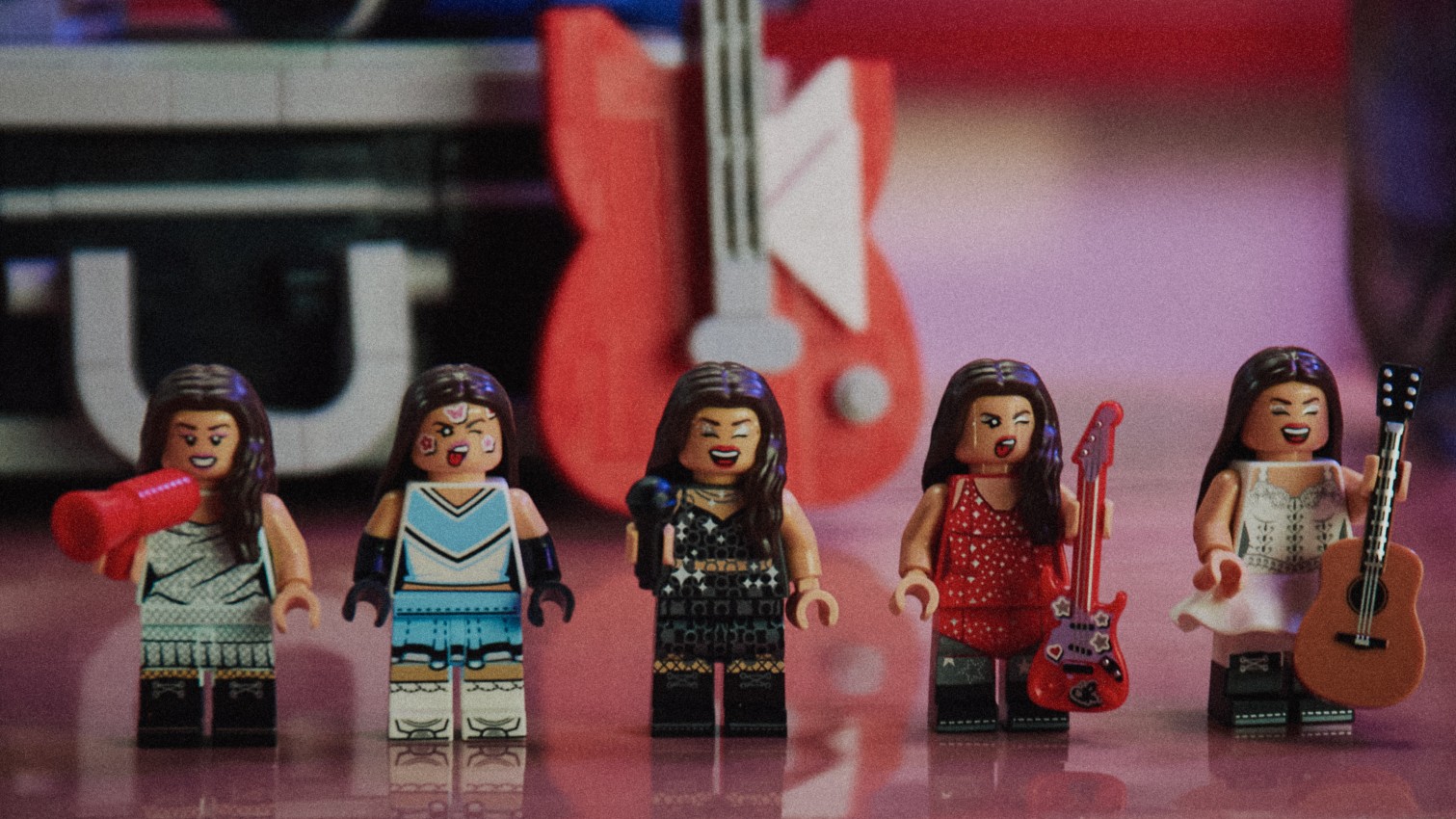
The collection consists of five distinct builds, each curated to reflect the personal aesthetic and discography of the Grammy-winning artist. The lineup includes:
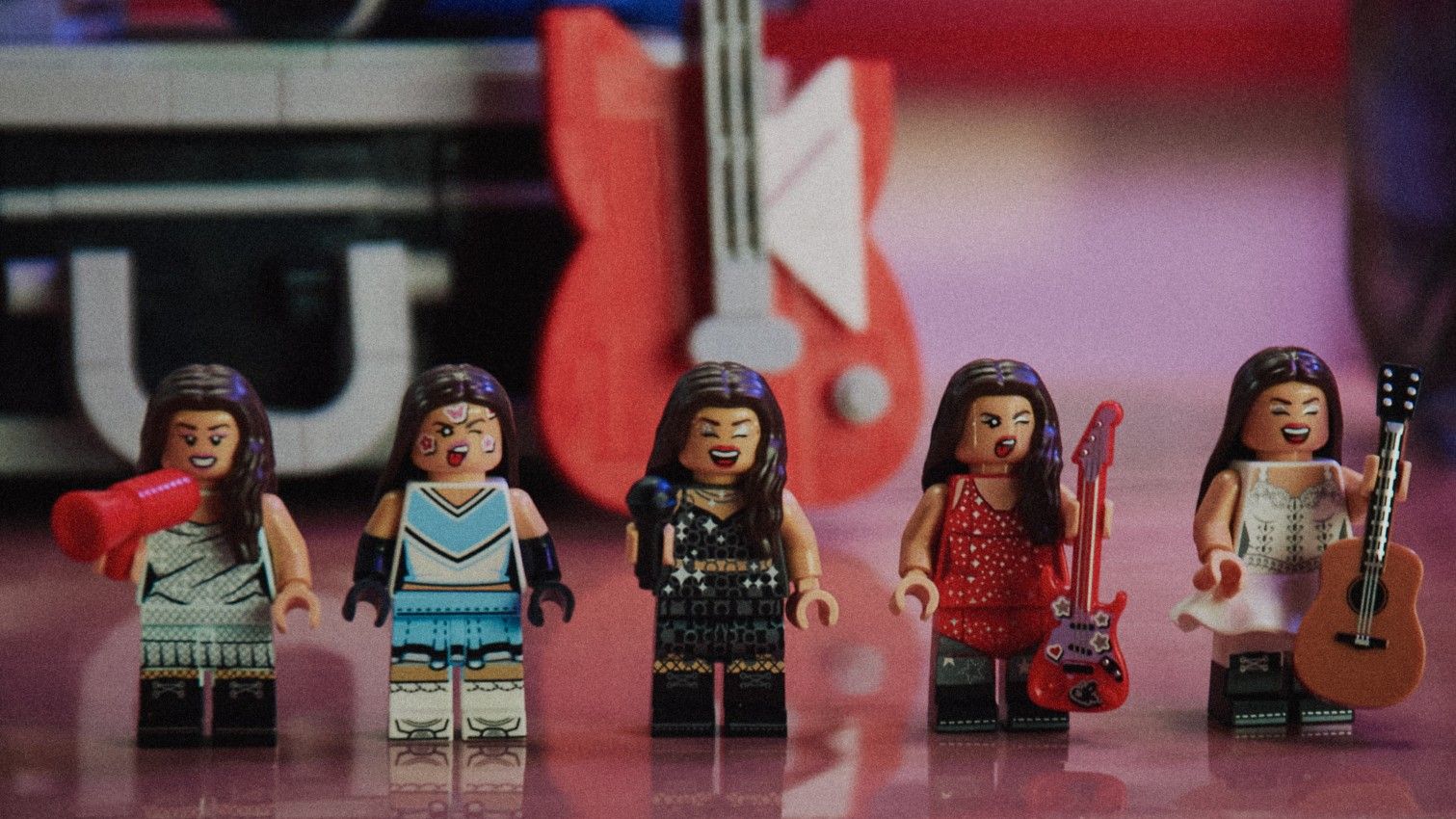
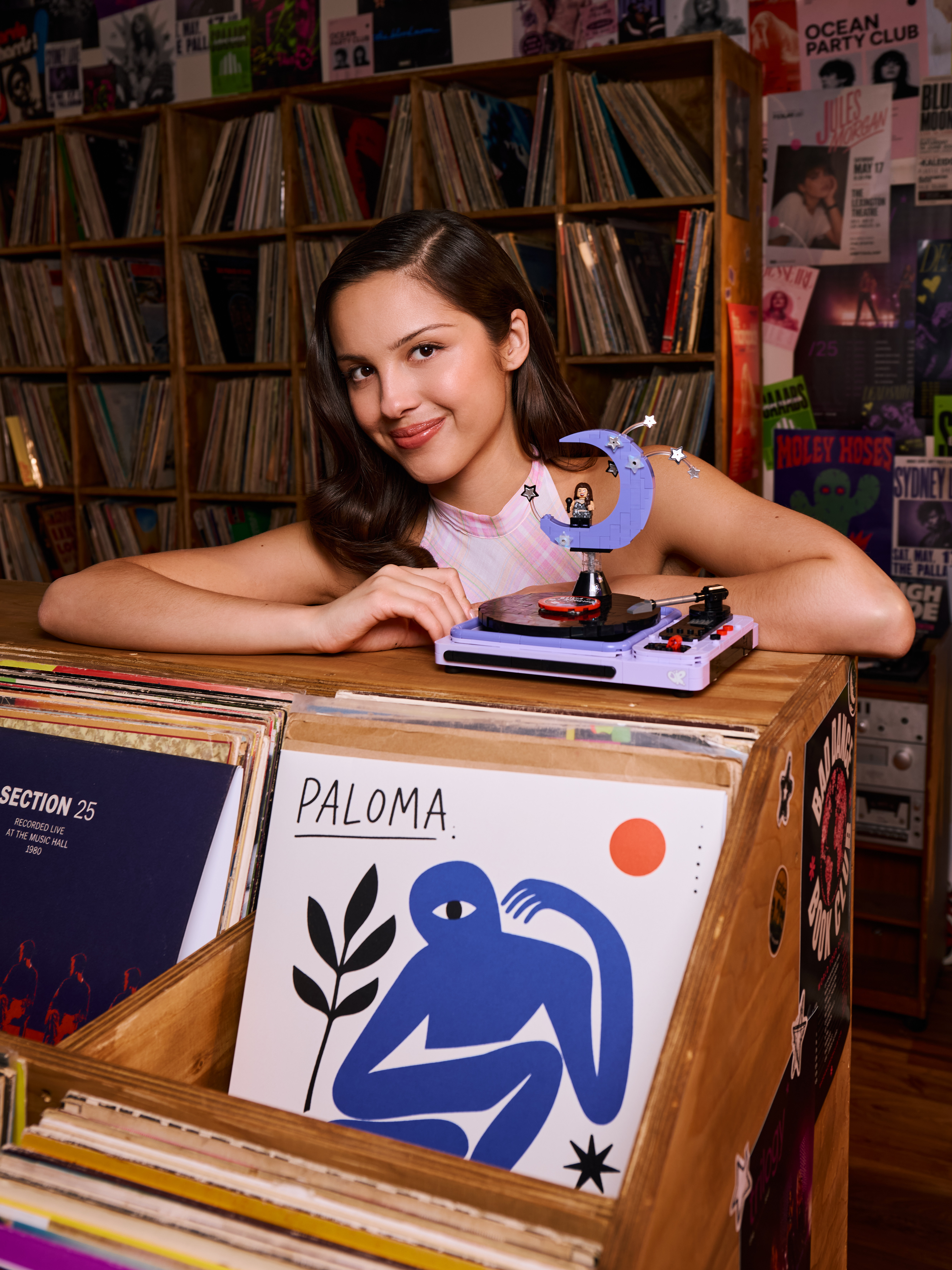
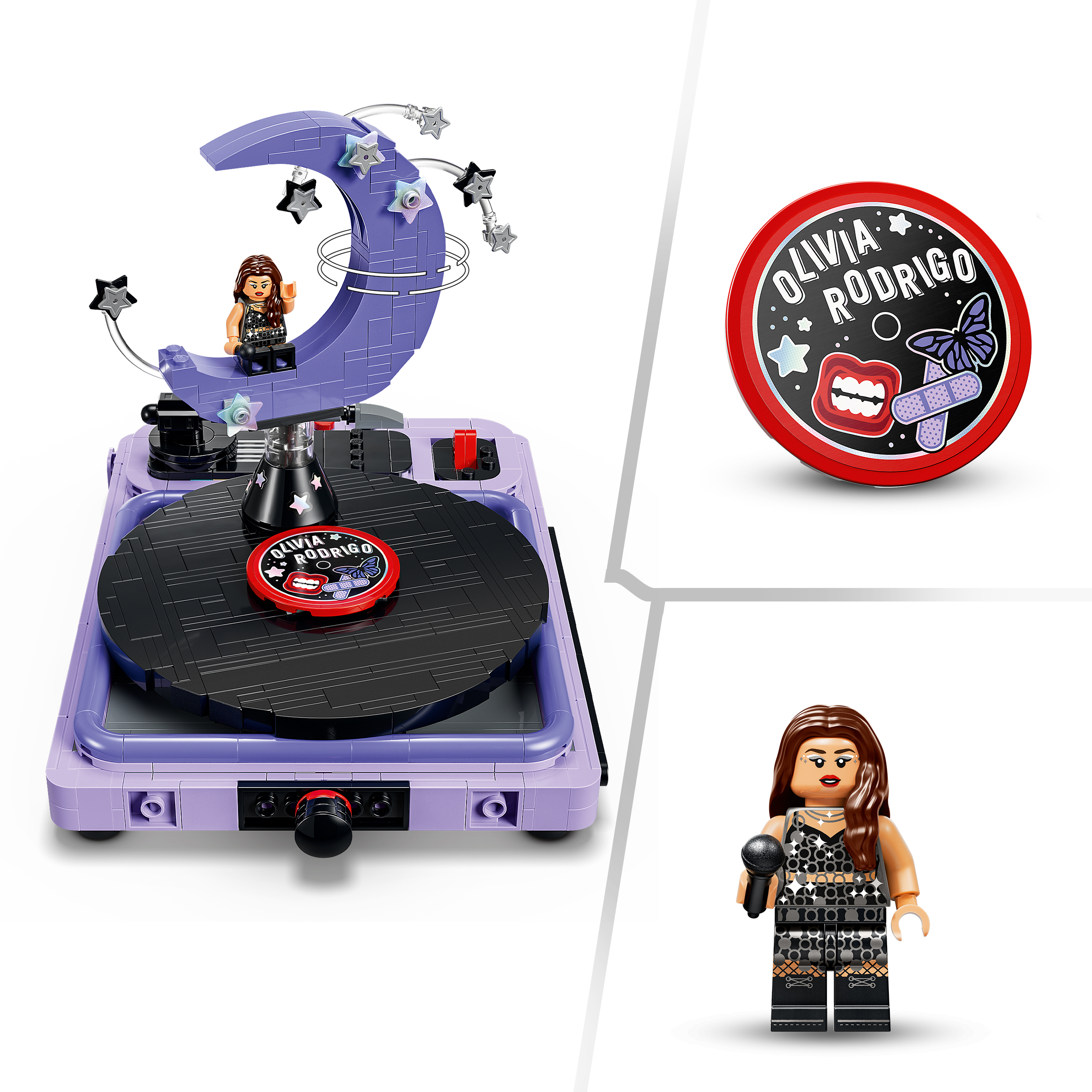
- The Concert Moon Set: A sculptural, rotating crescent moon turntable that features a miniature performance stage, complete with a tiny, stylized minifigure.
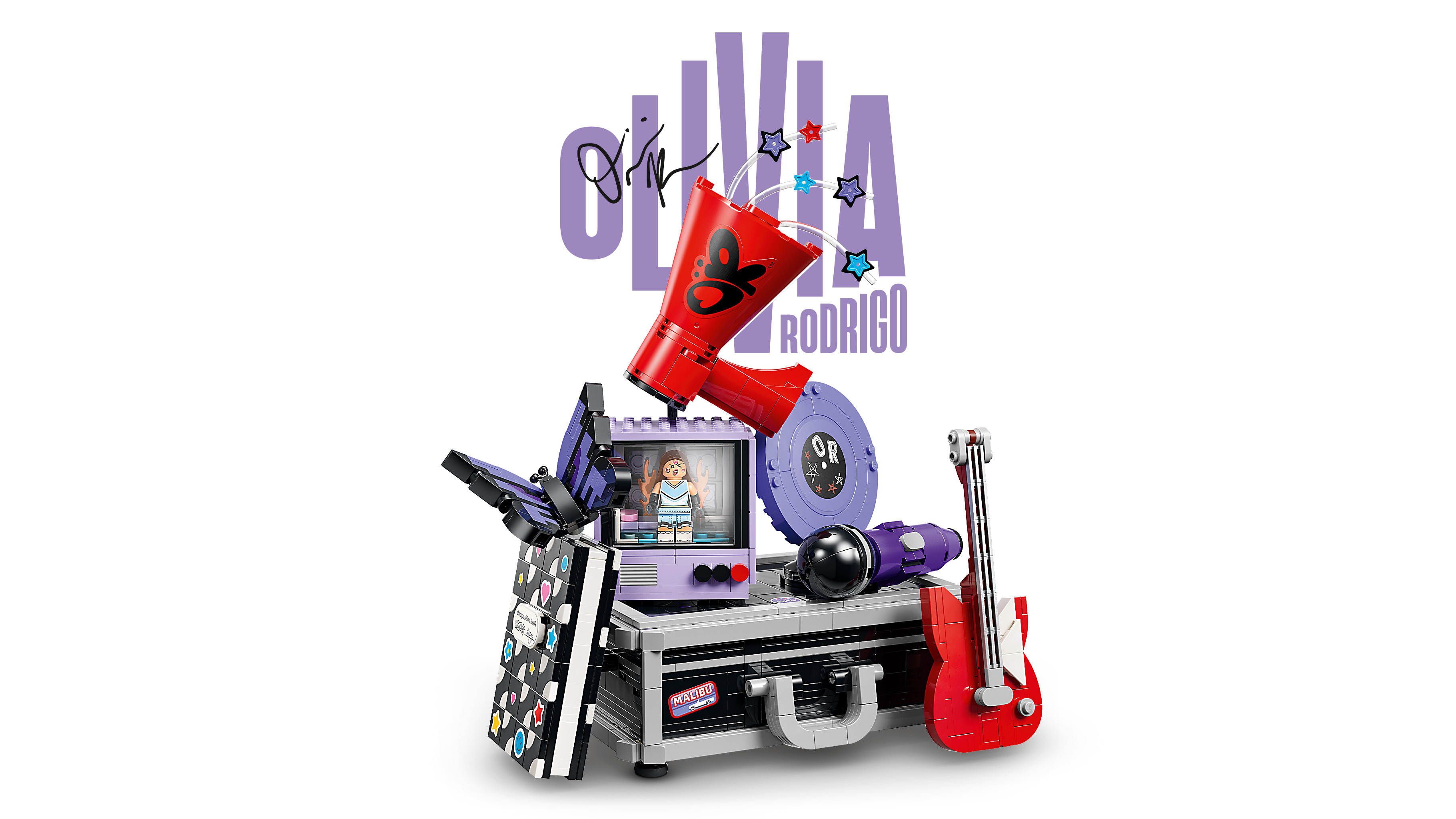
- The Secret Storage Case: A guitar-shaped storage solution that, when constructed, functions as a physical vessel for memories, mirroring the diary-style intimacy of Rodrigo’s lyrics.
- The Dual Guitar Build: A set featuring both acoustic and electric guitar elements, split into stylistic color palettes.
- The Vinyl Display: A tribute to the tactile nature of music, emphasizing the collector’s mindset.
- The Botanical Customization: A personalized entry into the popular Lego Botanicals line, subtly incorporating elements of Rodrigo’s heritage and personal preferences.
The sets are not designed to be static monuments. Rather, they are meant to be assembled, explored, and lived with. By focusing on the story of the artist—the red megaphone used in her music videos, the purple butterflies that serve as recurring symbols, and the handwritten notebook aesthetic—Lego has moved the goalposts of what a "merchandise" deal can achieve.
A Chronology of Collaboration
The partnership did not emerge in a vacuum. It follows a deliberate, long-term strategy by the Lego Group to pivot from being a provider of children’s toys to a facilitator of adult-oriented creative expression.
- The Foundation (2020-2022): Lego began testing the waters with adult-centric sets, including the Lego Ideas range and the Botanicals collection, which proved that an older, disposable-income demographic was hungry for complex, design-forward building experiences.
- The Conceptual Phase (2023): Preliminary discussions between Rodrigo’s management and Lego’s creative team focused on "intimacy." The goal was to translate the "bedroom pop" aesthetic—which made Rodrigo a household name—into a physical form.
- The Design Sprint (Early 2024): Led by senior design manager Amy Corbett, the team moved away from simple color-matching to deep-dive research into Rodrigo’s visual language. This involved identifying "anchor points" in her career: specific outfits, stage props, and lyrical references that fans would recognize immediately.
- The Announcement (Mid-2024): The partnership was teased through a series of subtle social media campaigns, utilizing the "decoding" strategy that has become a staple of modern fan engagement.
- The Launch (August 1, 2024): A global retail release coinciding with the height of the summer touring season, ensuring the product was present during the most active period of the artist’s fan engagement.
Supporting Data: Why "Decoding" Works
The effectiveness of this collaboration relies on the psychological principle of active engagement. In the same way that Taylor Swift’s fanbase is conditioned to hunt for "Easter eggs" in album artwork and music videos, the Olivia Rodrigo Lego collection rewards those who pay attention.
According to marketing analytics, "passive consumption" of branded content is at an all-time low. Engagement metrics soar when a brand asks the audience to participate. By hiding drawers, secrets, and symbolic references within the build, Lego is essentially gamifying the unboxing and assembly process.
The "Secret Storage" set, for instance, contains over 1,000 pieces. It is not merely a box; it is an architectural puzzle. Data from similar high-end lifestyle products suggests that when a user spends time constructing an object, their emotional attachment to that object increases exponentially—a phenomenon known as the "IKEA effect," now expertly co-opted by Lego.
Official Responses: Shifting from Merch to Storytelling
Julia Goldin, the Chief Product and Marketing Officer at the Lego Group, has been vocal about the strategic pivot this collection represents. "This is about more than recreating moments," Goldin stated during the launch press conference. "It’s about inspiring fans to build, explore and express themselves through storytelling and creative building."
This distinction—the shift from "merchandise" to "storytelling system"—is a vital takeaway for anyone in the branding industry. When a product acts as a system rather than a souvenir, the lifespan of that product in the consumer’s home extends indefinitely.
Amy Corbett, the project’s lead designer, added further context to the design philosophy: "We wanted the collection to feel like something fans could explore over time. Every detail is designed to reflect moments from Olivia’s world. It’s not just about how things look; it’s about how they feel to the fans." By prioritizing the "feeling" of the artist’s brand over the commercial imperative to slap a logo on a generic plastic block, the design team has managed to maintain an air of authenticity.
Implications for the Creative Industry
The success of the Olivia Rodrigo x Lego collection serves as a blueprint for future collaborations across the creative sector.
1. The Power of Restraint
One of the most impressive aspects of the collection is its restraint. In an age of sensory overload, these sets are remarkably focused. Designers often fall into the trap of over-explaining their concepts. Lego’s approach, conversely, treats the audience with respect, assuming they are intelligent enough to connect the dots. For packaging designers and branding agencies, this is a reminder: you do not need to shout to be heard.
2. Emotional Range and Character Design
The inclusion of swappable facial expressions on the minifigures—ranging from performance-ready confidence to a more vulnerable, introspective look—is a masterstroke in character design. It mirrors the emotional arc of Rodrigo’s discography. For those designing character-based marketing, this highlights a critical truth: fans are more loyal to brands that acknowledge the complexity of their human experience rather than flattening it into a one-dimensional caricature.
3. Cultural Specificity as a Subtle Detail
The inclusion of subtle nods to Rodrigo’s Filipino heritage within the Botanicals range is a lesson in proportional design. Rather than turning heritage into a "marketing headline," it is integrated as a quiet, respectful detail. This allows the product to resonate on a deeper level with those who recognize the reference, while remaining aesthetically cohesive for those who don’t. It is a lesson in nuance that many global brands would do well to emulate.
4. The "Discovery" Economy
Finally, the collection underscores that in the modern creative economy, the object is rarely the point. The point is the discovery. When you design a product that forces the user to slow down, to search, and to decode, you create a memory. You move from being a vendor of goods to a creator of experiences.
As we look toward the future of retail and design, the Lego-Rodrigo partnership provides a compelling case study. By treating the fan as a collaborator in the storytelling process rather than a mere consumer, brands can cut through the noise of the digital age. In doing so, they don’t just sell a product—they build a world, one brick at a time.