Layla Zulfa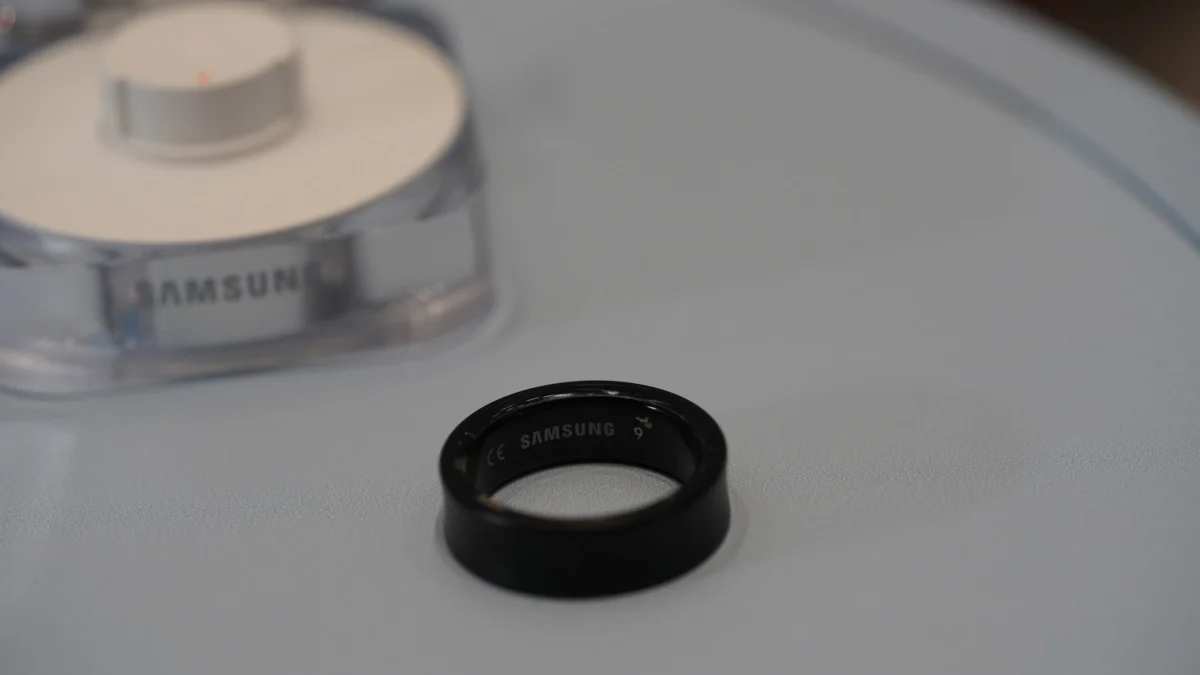
For two years, the tech community has watched the wearable market evolve with bated breath, waiting to see if the smart ring would move from a niche fitness novelty to a mainstream health companion. At the center of this anticipation was the Samsung Galaxy Ring. For those who have been monitoring the market, the wait for a price drop has finally yielded a dramatic result: the device is currently available on Amazon UK for just £104.99—a staggering reduction from its £399 launch price.
However, as is often the case with "too good to be true" tech deals, this price point comes with significant caveats. The discount is highly restricted by size, raising questions about whether this is a strategic move to gain market share or a tactical clearance of stagnant inventory.
Main Facts: The Anatomy of the Discount
The current offer, live on Amazon UK, slashes the price of the Samsung Galaxy Ring to £104.99. To understand the significance of this, one must look at the original MSRP of £399. This represents a price cut of nearly 75%, effectively moving the device from the "premium luxury wearable" category into the "impulse buy" bracket.
The primary constraint for potential buyers is the sizing. The deal is exclusively limited to:
- Size 5: Available in all color variants.
- Size 6: Available only in the Titanium Black finish.
For consumers requiring any other size, the price remains tethered to the original retail launch point. This limitation is not merely a logistical quirk; it suggests that these specific sizes—which are notably smaller than the average human finger size—are currently clogging distribution channels.
Chronology: From Hype to Market Reality
To understand how we arrived at this clearance-level pricing, we must look at the lifecycle of the Galaxy Ring.
- The Announcement: Samsung first teased the concept of a dedicated smart ring during their Unpacked event, creating a buzz that positioned the company as a leader in the next frontier of health tracking.
- The Launch: When the product finally hit the shelves, it was marketed as a high-end, premium alternative to bulkier smartwatches. The £399 price tag was defended by the complexity of the miniaturized sensors, the titanium build, and the subscription-free health data analysis.
- The Consumer Feedback Loop: In the months following the launch, reviewers and early adopters raised questions regarding the device’s value proposition. While the form factor was praised, the lack of a screen and the dependency on a smartphone for deep analysis led many to question if it offered enough "tech per pound" compared to an Apple Watch or a Galaxy Watch.
- The Present Day: The disappearance of the device from the official Samsung UK online store for many common sizes, paired with the aggressive discounting on Amazon, signals a shift in the product’s lifecycle.
Supporting Data: Why Size Matters
In the world of jewelry and wearable rings, size is the ultimate gatekeeper. During a recent visit to Samsung’s London headquarters, a sizing kit was used to determine the appropriate fit for the average user, which landed squarely on a size 10.
The fact that the current discount applies only to sizes 5 and 6 is statistically telling. In the jewelry industry, size 6 is considered small for the average adult. By liquidating these specific units, Samsung is likely attempting to clear out "dead stock"—items that have sat in warehouses for months because they do not cater to the majority of the adult population.
This creates a "bittersweet" experience for the consumer. While the price is undeniably attractive, the vast majority of prospective buyers will find that the deal does not apply to their specific needs. It serves as a reminder that in retail, a discount is often a mirror of demand: when supply exceeds demand for a specific SKU, the price falls to clear the space.
Official Responses and Market Silence
Samsung has remained characteristically reserved regarding the specific reasons for this drastic price drop. The absence of the device from their primary retail portal in the UK is perhaps the most telling "non-response."
Typically, when a flagship product is removed from a manufacturer’s site, it precedes either a hardware refresh or a total pivot in distribution strategy. Industry analysts suggest that Samsung may be preparing for a "Galaxy Ring 2" launch, necessitating the clearing of older inventory to make room for newer, potentially more advanced models. By offloading stock to third-party retailers like Amazon, Samsung can maintain a "premium" brand image on their own site while quietly managing their overheads elsewhere.
Implications for the Wearable Industry
The current situation with the Galaxy Ring has broader implications for the wearable technology sector.
1. The Death of the "Subscription-First" Model
One of the key selling points of the Galaxy Ring was the absence of a monthly subscription fee for health data—a stark contrast to competitors like Oura. The struggle to move units at the £399 price point suggests that even without a subscription, the entry price of a smart ring is a massive barrier to entry.
2. The Form Factor Challenge
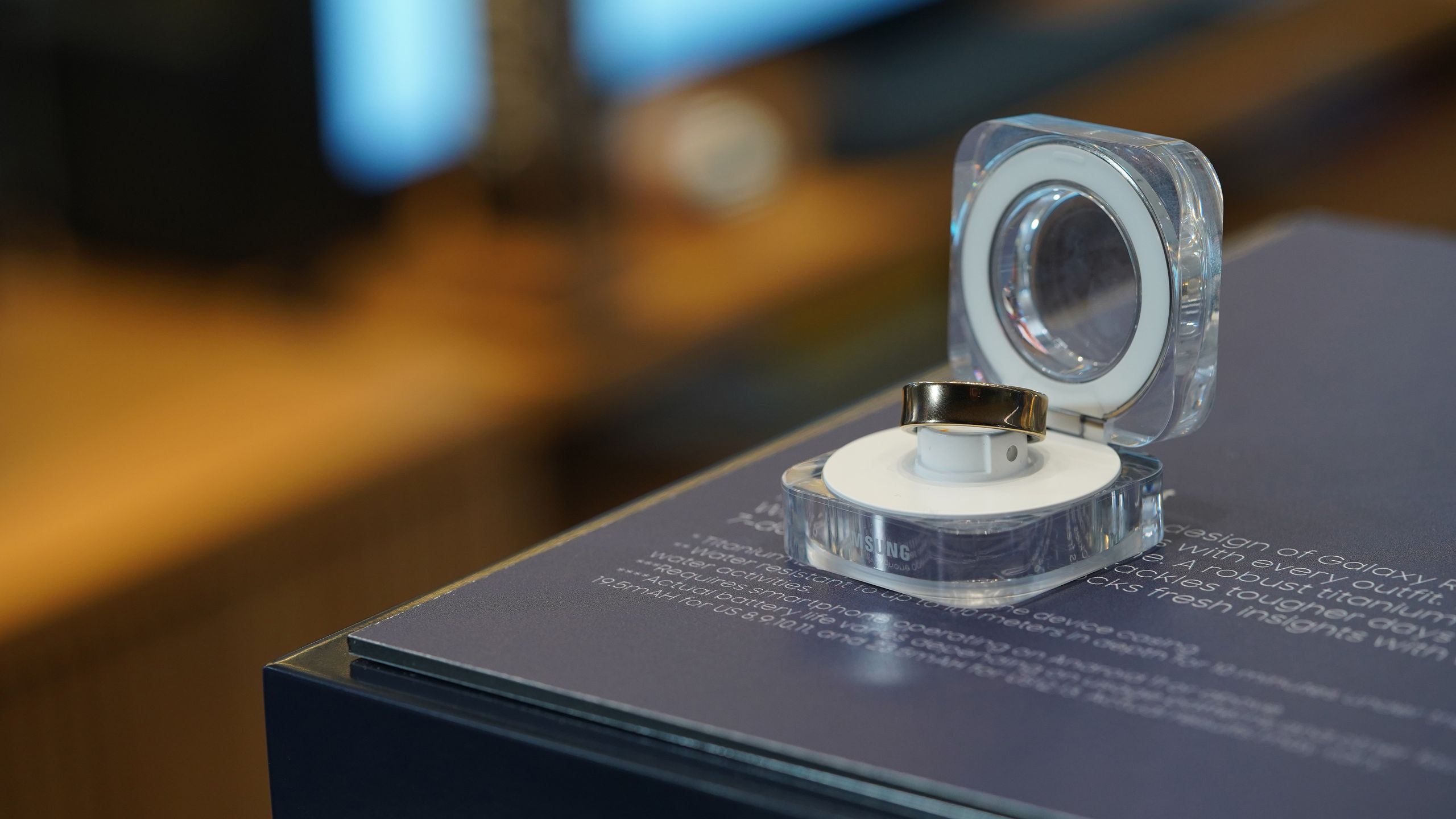
The smart ring is an inherently difficult product to scale. Unlike a watch, which has an adjustable strap, a ring must be manufactured in fixed sizes. This requires retailers to carry a massive variety of inventory, increasing the risk of "size-mismatch" where popular sizes sell out instantly, while others—like the ones currently on sale—remain in stock indefinitely.
3. The "Smart" vs. "Jewelry" Dilemma
Consumers are still trying to decide if the smart ring is a piece of jewelry or a piece of medical equipment. If it is jewelry, it needs to be stylish and durable. If it is equipment, it needs to be feature-rich. The Galaxy Ring sits in a strange middle ground, and the current market volatility reflects that identity crisis.
What Should Consumers Do?
If you happen to be a person with a ring size of 5 or 6, this is, without question, an exceptional deal. At £104.99, the sensor suite, the sleep tracking, and the build quality of the Galaxy Ring are unparalleled at that price point. It is a rare opportunity to acquire high-end technology for the price of a mid-range fitness tracker.
However, for the average consumer, this "deal" serves as a cautionary tale. Before rushing to purchase, consider the following:
- The Fit: If the ring does not fit perfectly, its sensor readings will be inaccurate. A loose ring won’t capture heart rate or blood oxygen levels reliably.
- The Future-Proofing: If you are buying an older, discounted model, be aware that future updates might prioritize newer hardware.
- The Ecosystem Lock-in: Remember that the Galaxy Ring is designed to work best within the Samsung ecosystem. If you are an iOS user or a fan of other Android brands, you may find the software experience to be limited.
Conclusion: A Turning Point?
The saga of the Samsung Galaxy Ring’s price drop is a masterclass in modern retail dynamics. It highlights the tension between the ambitious goals of tech giants and the realities of consumer demand.
As we move forward, the success of the smart ring category will depend on how manufacturers address the logistical nightmare of sizing and the functional limitations of the hardware. For now, the £104.99 price tag on Amazon serves as both a bargain for a lucky few and a signal that the first generation of smart rings is reaching its final, clearing-out phase.
Whether this is a failure of the product or simply a necessary step in the evolution of wearable tech remains to be seen. What is certain, however, is that for those of us who have been waiting to jump into the ring market, the entry barrier has just been lowered—at least for some of us.
For those interested in exploring the wider landscape of wearables, keeping an eye on these types of sales is essential. The tech landscape moves quickly, and today’s clearance item is often tomorrow’s "legacy device." Stay tuned for further updates as we continue to track the market’s reaction to this evolving wearable trend.

 Lina Hope
 Rifan Muazin