Since its surprise debut in the autumn of 2020, Phasmophobia has transcended its status as a mere indie hit to become the definitive cooperative horror experience. By stripping away the bloated mechanics of modern action-horror and focusing on the primal dread of investigation, Kinetic Games successfully tapped into a niche that has kept players terrified for nearly six years. Now, as the studio approaches its highly anticipated 1.0 milestone, the team is pulling back the curtain on a massive overhaul designed to refine the core loop while ushering in a new era of immersive, narrative-driven terror.
During this year’s Summer Game Fest, we were granted an exclusive behind-the-scenes look at the upcoming 13 Willow Street map rework and a tantalizing glimpse into the overarching vision for the full 1.0 release.
The 13 Willow Street Rework: A Masterclass in Environmental Design
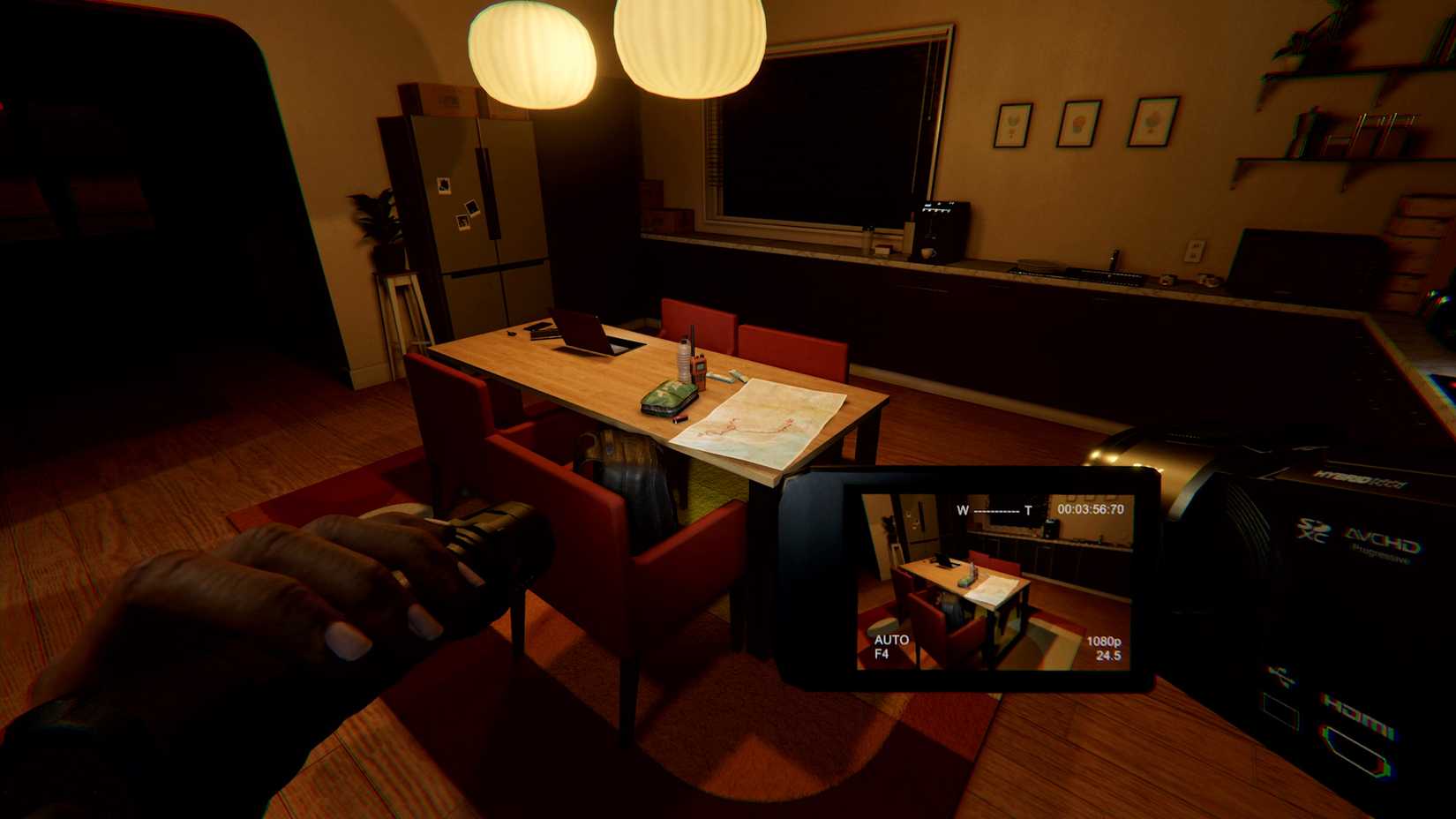
The 13 Willow Street map has long served as the quintessential entry point for ghost hunters of all skill levels. It is intimate, manageable, and arguably the most iconic location in the game’s growing catalog. However, as Kinetic Games has matured as a studio, so too has its technical prowess.
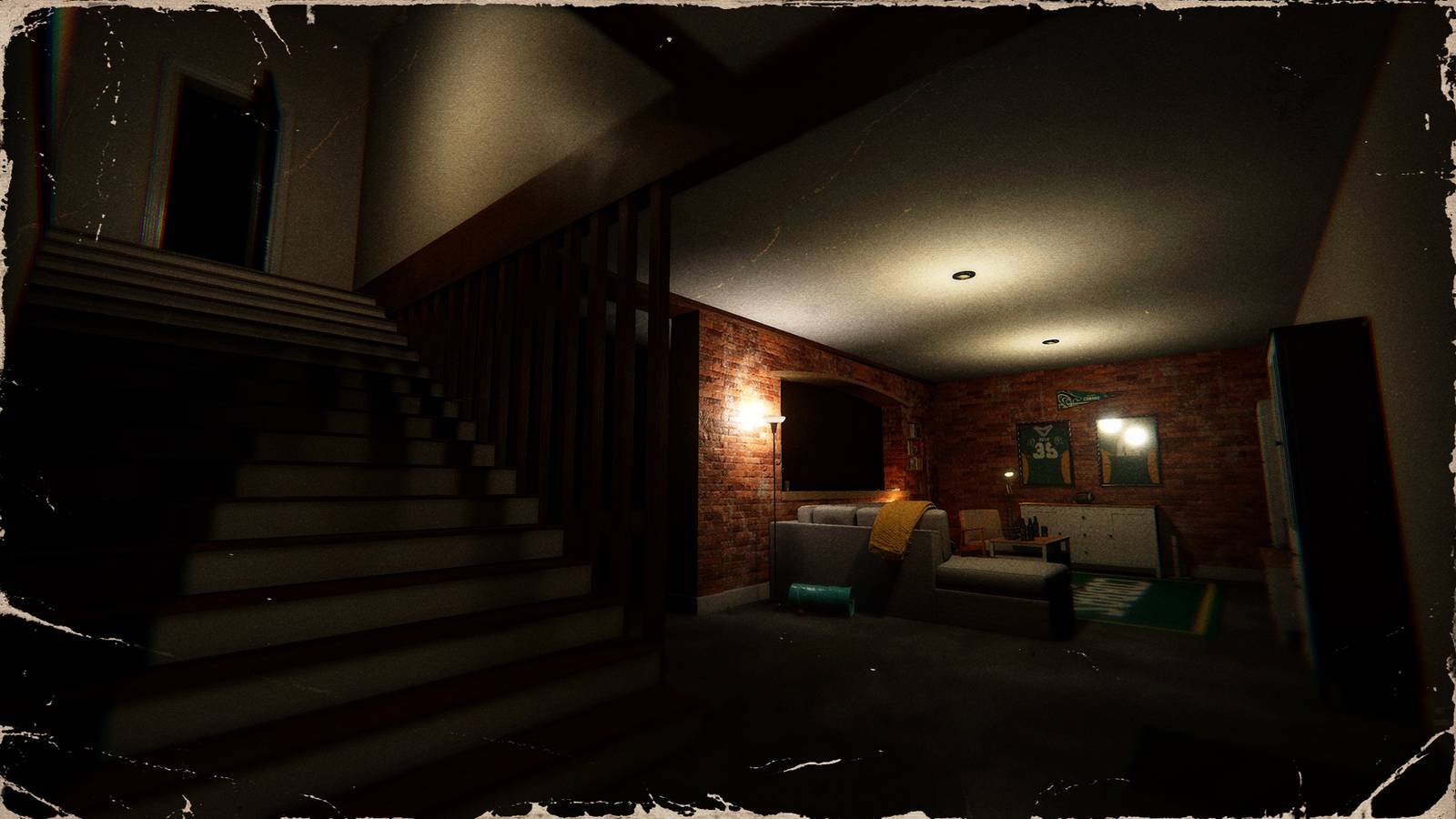
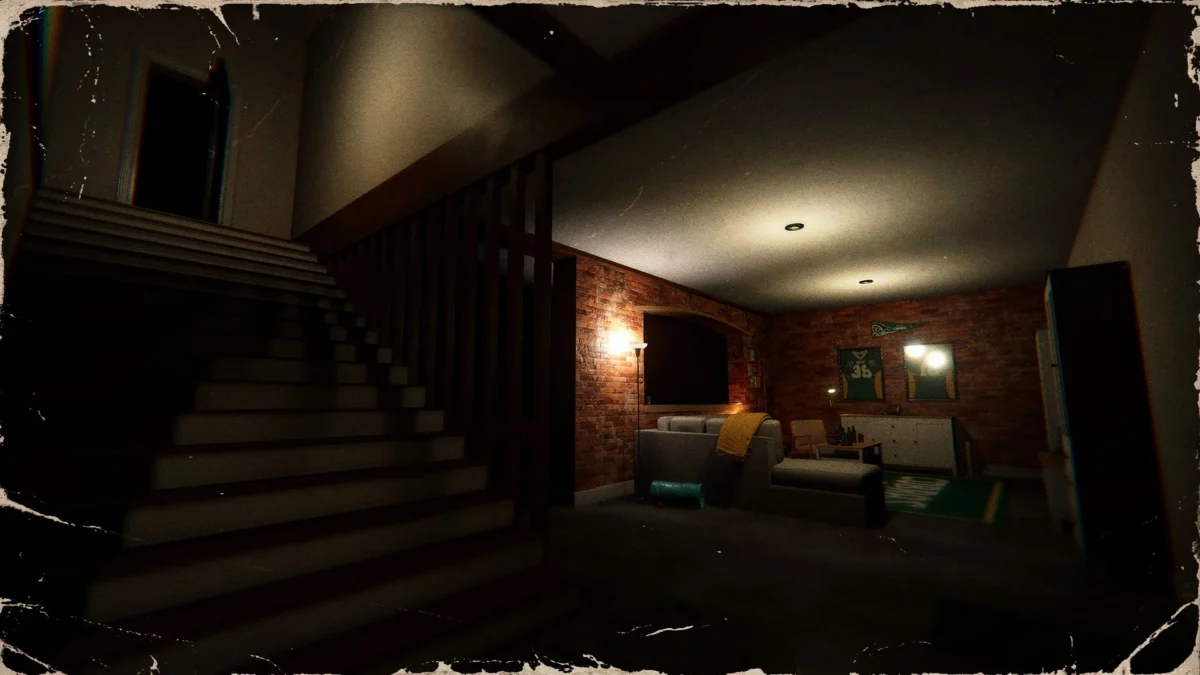
In the early days of development, the team relied heavily on standard Unity assets to populate their environments. With the upcoming rework, however, the studio has transitioned to a fully custom-built asset workflow. The result is a transformation that feels less like a mere texture update and more like a total architectural renovation.
While the fundamental floor plan remains recognizable to veteran players, the house has been significantly expanded. The downstairs layout is more sprawling, featuring new, accessible rooms that reward thorough exploration. Most notably, the garage has been completely overhauled into a functional, atmospheric home gym, while the basement storage areas have been reconfigured into a "man cave" aesthetic. These changes are not merely cosmetic; they fundamentally alter the flow of a hunt, providing new line-of-sight challenges and hiding spots that will force even the most experienced players to rethink their strategies. Every item, from the furniture to the bric-a-brac scattered across the floor, has been crafted to increase environmental fidelity, making the house feel like a living—or perhaps dying—space rather than a collection of digital props.
Soundscapes of Terror: The Spatial Audio Revolution
If the visual overhaul of Willow Street is the heart of the update, the new spatial sound system is its nervous system. Horror is a medium that lives and dies by its audio design. Silence is a weapon, and sound is the telegraph for impending doom.

While Phasmophobia has always boasted solid sound design, the upcoming 1.0 update introduces a sophisticated spatial audio engine that promises to redefine player immersion. In the current build, sounds are often "global" or easily tracked, even through obstacles. The new system, however, relies on realistic sound propagation. Players will no longer hear their teammates or the ghost with omniscient clarity. Instead, sound will now be subject to obstruction and directionality.
During our demonstration, we witnessed a scenario where a faint, muffled sound emanated from behind a wall. It was only by physically navigating toward the source—an opening in the floor—that the audio became crisp and directional. This change is monumental for gameplay. A ghost lurking in the next room will no longer announce its presence with absolute certainty; players will have to listen for the specific "ripples" of sound as they bounce off surfaces. This creates a terrifying sense of uncertainty, forcing hunters to trust their ears in a way that feels dangerously close to reality.
Deepening the Lore: Environmental Storytelling
One of the most persistent requests from the Phasmophobia community has been the desire for a more cohesive narrative. Historically, the game has relied on the player’s imagination to fill in the blanks of each ghost’s history. Kinetic Games is now leaning into this by integrating a robust layer of environmental storytelling.
The 1.0 update will introduce a new approach to ghost encounters. Rather than just identifying a spirit by its behavioral traits, players will be able to piece together the tragic lore of specific entities through environmental cues. The developers showed us concept art for a new tier of ghosts, each accompanied by unique artifacts and "conduits"—objects found within the environment that act as anchors for the spirit’s lingering soul.
This isn’t just flavor text. These unique entities will possess bespoke behaviors that dictate how they hunt, move, and interact with the physical world. By tying the ghost’s mechanics to its narrative history, Kinetic Games is transforming the ghost-hunting loop from a simple puzzle-solving exercise into an investigative journey that feels personal and distinct every time a mission starts.
Official Perspective: The Vision of Daniel Knight
The scope of these changes reflects the growth of Kinetic Games, a studio that has evolved significantly since its inception. In a statement provided during our session, CEO and Game Director Daniel Knight addressed the extended development timeline:
"We’re investing more time into our 1.0 update, allowing us to add more content, further improve existing features, and ensure it launches at the highest standard possible. From the beginning, my vision for Phasmophobia has been to create a unique and immersive co-op horror experience. As the studio has grown, so has our ability to realize that vision, and we’re excited to keep building on it until we can deliver the experience our players deserve."
This commitment to quality over speed is a recurring theme for the studio. By choosing to push the 1.0 release into the second half of 2027, the team is prioritizing long-term stability and depth, ensuring that when the game finally leaves Early Access, it sets a new gold standard for the genre.
A Chronology of Progress: What Lies Ahead
The journey to 1.0 is paved with significant milestones that will keep the community engaged throughout the next 18 months. The development roadmap is aggressive, reflecting a studio that is firing on all cylinders:
- July 21, 2026: The launch of the 13 Willow Street rework, accompanied by a suite of quality-of-life updates designed to modernize the player experience.
- October 2026: The return of the "Crimson Eye" Halloween event, serving as a seasonal anchor for the community.
- Late 2026: The transition to the Unity 6 engine. This engine upgrade is the technical backbone for the spatial audio and high-fidelity lighting improvements seen in the 1.0 preview.
- Second Half of 2027: The official 1.0 launch. This massive milestone will also coincide with the highly anticipated launch of the Nintendo Switch 2 version, bringing the world of professional ghost hunting to a new platform.
Implications: The Future of Co-op Horror
The decision to delay the full release to 2027 is a bold move in an industry often pressured by rapid release cycles. However, for Phasmophobia, it feels like the correct strategic maneuver. Having spent six years in Early Access, the game has established a loyal, data-driven player base. By taking the time to implement a new engine, rewrite the audio systems, and flesh out the narrative elements, Kinetic Games is ensuring that Phasmophobia remains the king of its genre long after the 1.0 patch notes are published.
The shift toward environmental storytelling, in particular, has massive implications for replayability. By moving away from static ghost behavior and toward a system where lore informs gameplay, the developers are creating a "living" game that grows more mysterious the deeper you investigate.
Furthermore, the expansion of the map design—moving away from generic assets to bespoke, high-detail environments—signals that Phasmophobia is moving into the realm of AAA-quality production. As we look toward the 2027 release, it is clear that Kinetic Games is not just looking to "finish" their game; they are looking to redefine it. For the players who have spent hundreds of hours in the dark, clutching an EMF reader while a ghost bangs on the door, the future of Phasmophobia has never looked brighter—or more terrifying.