Nana Muazin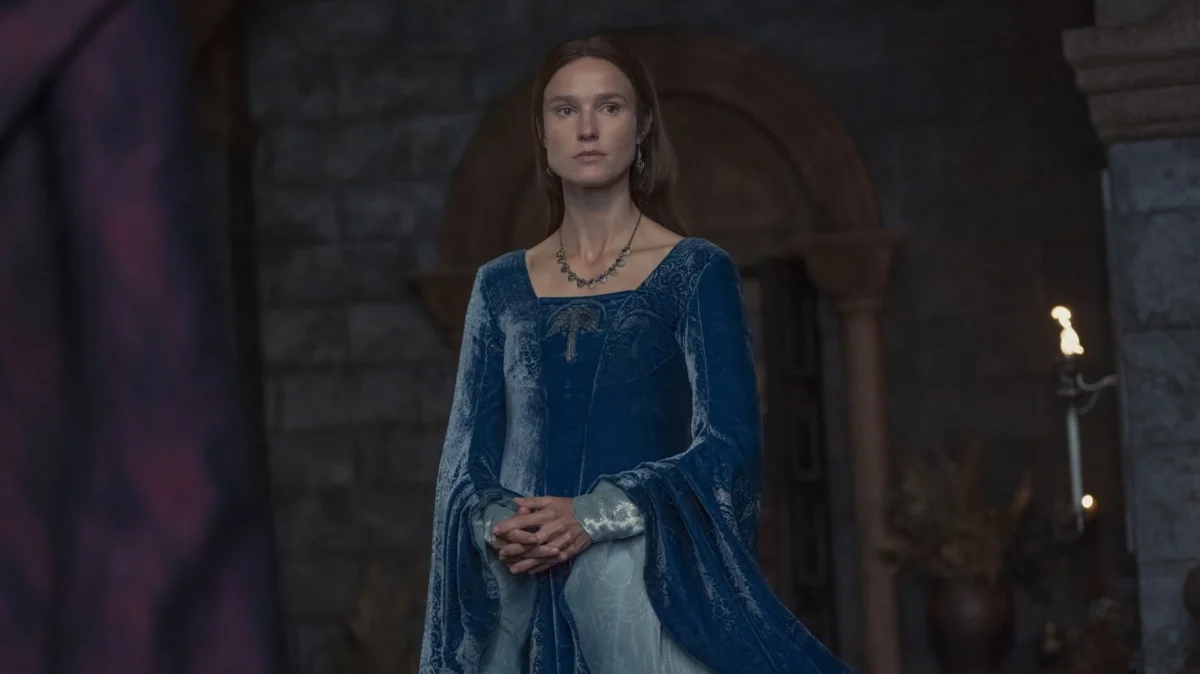
By Editorial Staff
In the complex, dragon-fire-drenched landscape of Westeros, keeping track of the players is a monumental task. As House of the Dragon barrels through its highly anticipated third season, HBO’s flagship fantasy drama has encountered a structural hurdle that threatens to derail the audience’s immersion: a persistent, glaring failure to reintroduce its vast array of supporting characters. For the casual viewer, the return to the screen of familiar faces has been marked not by triumphant recognition, but by a frustrated, “Who is that again?”
While the series remains a masterclass in high-stakes political maneuvering and CGI spectacle, the second episode of Season 3 highlighted a growing disconnect between the showrunners’ creative choices and the audience’s ability to retain the sprawling, dense lore of George R.R. Martin’s universe.
The Core Conflict: A Case Study in Confusion
The most poignant example of this narrative friction occurred during the second episode of Season 3. Rhaena Targaryen, portrayed by Phoebe Campbell, appears on screen in a state of desperation. Fresh from the trauma of the Battle of the Gullet—which saw the tragic demise of Prince Jacaerys “Jace” Velaryon—a soot-stained and frantic Rhaena arrives at a massive, imposing stone gate. She is seeking sanctuary, pleading for assistance with a wild dragon in tow.
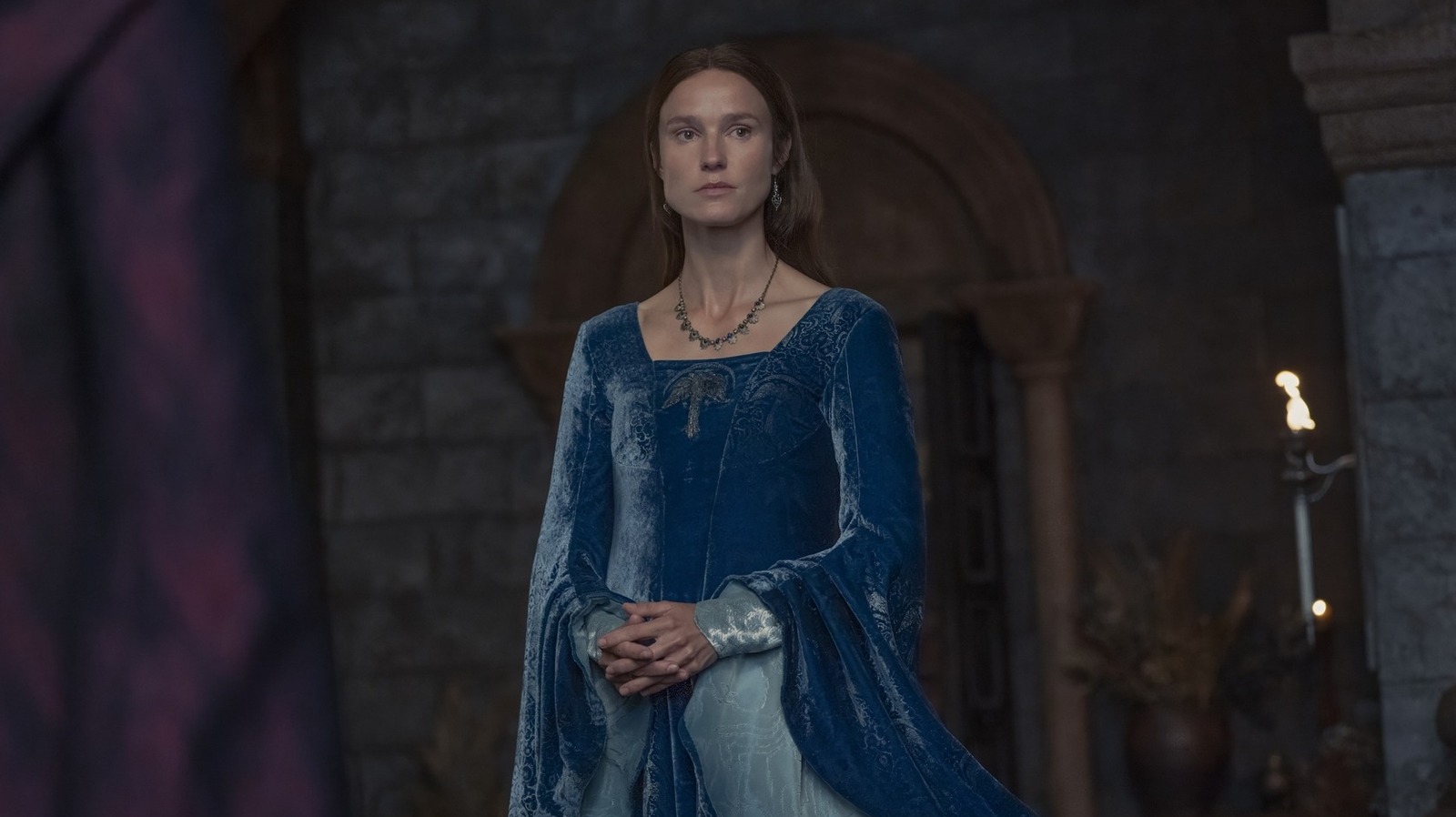
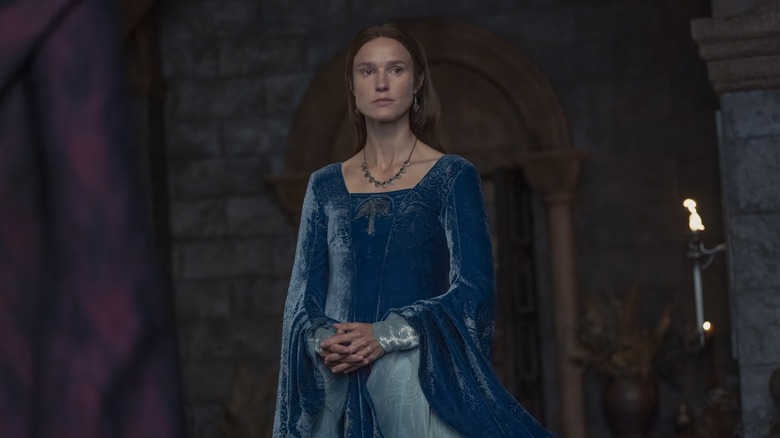
She is met by a cold, stoic, and visibly irritated woman who stands as the gatekeeper of her request. To the dedicated reader of Fire & Blood or the hyper-attentive viewer who spent the interim between seasons re-watching every frame of 2024’s second season, this is clearly Lady Jeyne Arryn, played by Amanda Collin. To everyone else, she is simply "the angry lady at the gate."
The show offers no breadcrumbs—no introductory dialogue, no visual cues, and no narrative exposition to bridge the gap between the character’s last appearance and this high-stakes confrontation. This lack of context is not an isolated incident; it is a systemic issue defining the current season.
Chronology of a Memory Lapse
The timeline of House of the Dragon is notoriously dense, and the gap between production cycles only exacerbates the issue.
- Season 2 (2024): The Dance of the Dragons officially escalates. Lady Jeyne Arryn is established as the ruler of The Vale, tasked with providing safe harbor for Rhaenyra’s youngest children. The season ends with the tragic Battle of the Gullet.
- The Intermission: A period of time passes in the real world, allowing viewer memory to fade. Meanwhile, the characters in Westeros have moved through significant trauma and tactical shifts.
- Season 3 (Present): Characters reappear in the middle of active conflicts without the benefit of a "previously on" style refresher or naturalistic dialogue that clarifies their standing or allegiance.
The issue extends to the "dragonseeds"—the bastards of Targaryen lineage who hold the potential to claim the great beasts of the sky. Characters like Ulf the White and Hugh the Hammer, played by Tom Bennett and Kieran Bew respectively, return to the fray in Season 3 with little fanfare. Because the characters share similar aesthetic traits—specifically the long, flowing Targaryen-style blonde wigs—the visual distinction between them is lost. Without a clarifying line of dialogue, the audience is left to guess which dragonseed is which, turning a pivotal moment of the civil war into a tedious game of "spot the character."
Supporting Data: The Cost of "Show, Don’t Tell"
The creative team behind House of the Dragon has often cited a commitment to "trusting the audience." This philosophy, while noble in principle, ignores the reality of modern television consumption. Unlike the weekly broadcast era of Game of Thrones, where viewers lived with characters for months at a time, the modern streaming landscape and the sheer density of Westerosi lore require a different approach to exposition.
Research into narrative retention suggests that when a show introduces an ensemble cast exceeding 20 primary or secondary figures, the "refresher rate" must be higher. By eschewing exposition, House of the Dragon risks alienating the "middle-tier" fan—the viewer who loves the show but does not engage in weekly re-reads of the source material or deep-dive wikis. When a character like Gayle Rankin’s Alys Rivers appears—a "witchy" figure whose allegiances and mystical capabilities are central to the plot—and is never addressed by name, the audience is effectively cut off from the emotional weight of her scenes.
Official Responses and Creative Philosophy
HBO has historically maintained that the Game of Thrones universe is intended to be a rewarding, intellectual experience. The showrunners have avoided the "Netflix Directive"—a derisive term for scripts that over-explain every emotional beat or plot point to ensure viewers aren’t confused.
While avoiding hand-holding is a creative choice that preserves the show’s dignity, there is a middle ground between "insulting the audience’s intelligence" and "leaving them completely in the dark." In previous iterations of the franchise, the writers utilized "political exposition"—characters speaking about others in ways that established their names, titles, and stakes. By neglecting this, the current season of House of the Dragon feels insular, as if it is being written for a production team that knows the characters intimately rather than for a global audience that needs to be reminded of who is at the gate.

Implications for the Future of the Dance
The implications of this narrative choice are significant. If viewers feel consistently confused, they become less emotionally invested in the stakes. When Jace Velaryon dies, the impact is only as strong as the viewer’s memory of his role in the previous season. If the audience is busy wondering who he is or why the supporting cast is reacting with such fervor, the tragedy loses its potency.
As Season 3 progresses, the stakes will only rise. The civil war is moving toward its most brutal phases, and the introduction of new, equally obscure characters from the books is inevitable. If the showrunners do not find a way to balance their "show, don’t tell" mandate with the reality of the audience’s memory, they risk turning the series into a beautiful, high-budget spectacle that lacks the human connection that made its predecessor a global phenomenon.
A Call for Narrative Clarity
There is no request for the show to return to the clunky, exposition-heavy scripts of early-2000s fantasy. However, a slight pivot in script density could save the season. A simple mention of a name during a tense negotiation or a brief reminder of a character’s home in The Vale would provide the necessary context to keep the audience grounded.
House of the Dragon remains one of the most technically impressive shows on television, but it is currently fighting a battle on two fronts: the war between the Blacks and the Greens, and the war between its own narrative complexity and the limits of human memory. For the sake of the series’ longevity, it is time for the writers to bridge the gap and welcome the audience back into the fold. As it stands, the dragons are soaring, but the viewers are struggling to keep their eyes on the right riders.


 Muslim