

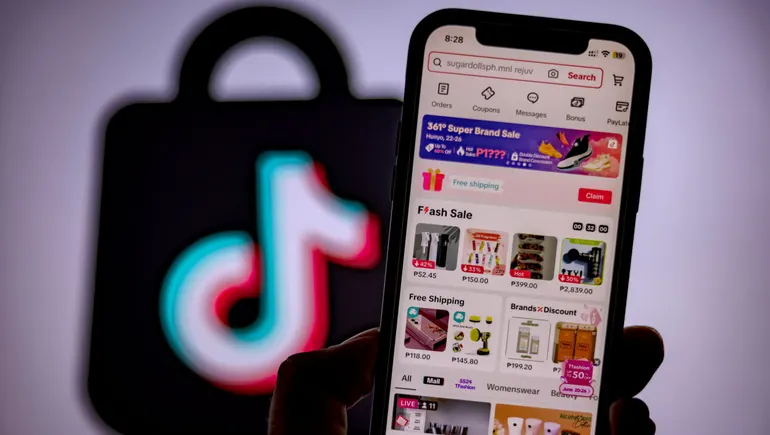
For decades, the trajectory of a consumer packaged goods (CPG) product was predictable: research and development, multi-year testing, retail shelf-space negotiation, and eventually, a slow rollout across national distribution channels. Today, that timeline is being compressed into a matter of weeks, driven by the relentless, algorithm-powered engine of TikTok Shop.
As major industry titans—including PepsiCo, Mars, and Hershey—begin to deepen their engagement with the platform, it has become clear that TikTok is no longer just a space for dance challenges and comedic skits. It is rapidly emerging as the most significant retail frontier in the digital age, transforming how food and beverage manufacturers conceive, launch, and sustain their products.
The Evolution of Discovery Commerce
The growth of TikTok Shop is not merely a byproduct of social media usage; it is the result of a paradigm shift the company terms "discovery commerce." Unlike traditional e-commerce, where a user searches for a known item, TikTok facilitates a serendipitous shopping experience where the content itself serves as the point of sale.
Data released by the platform underscores the sheer magnitude of this shift. In 2025 alone, U.S. users conducted over 103 billion searches on the app with explicit purchase intent. This intent is translating into massive bottom-line results: total transaction volume on the platform has surged by nearly 80% year-over-year, with enterprise brand sales climbing by an impressive 97%.
For food companies, this represents a golden opportunity. The food and beverage category within TikTok Shop has seen its sales more than double over the last year, proving that consumers are increasingly comfortable buying consumables—items once thought to be the exclusive domain of grocery stores—directly through a social feed.
A New Rhythm: The Chronology of Trend-Driven Innovation
The traditional innovation cycle, often spanning 18 to 24 months, is struggling to keep pace with the hyper-speed of internet culture. TikTok has introduced a new, accelerated chronology for product development.
- The Organic Spark: A trend begins organically. A user captures a unique, visually striking food combination, such as "candy salad" or the now-infamous "Dubai chocolate." These moments are characterized by high sensory appeal—a specific texture, a bright color, or an extreme flavor profile (super spicy or super sour).
- The Commercial Pivot: Early-adopter brands and agile, TikTok-native startups identify the trend within days. They quickly produce or repackage products to capitalize on the moment, utilizing the platform’s live-streaming and affiliate creator network to generate immediate interest.
- The Corporate Response: Established legacy brands, observing the trend’s velocity, pivot their internal development teams. For example, when popped candies began trending, Skittles did not wait for a quarterly product review. Instead, they accelerated their internal processes to bring a relevant, exclusive product back to the very platform where the trend originated.
- The Retail Ripple: This cycle of content-to-commerce creates a "halo effect." Retailers who monitor these TikTok trends are now pressuring brands to bring these viral successes to physical shelves, effectively forcing a realignment of the traditional supply chain to accommodate real-time consumer demand.
Insights from the Frontlines: An Interview with Amanda Parker
To understand how brands are navigating this volatile yet lucrative environment, Food Dive spoke with Amanda Parker, head of food at TikTok Shop. According to Parker, the platform is fundamentally rewriting the rules of engagement.
"TikTok Shop is a discovery platform driven by content—a combination of content and commerce," Parker explains. "We’re taking what was once just inspiration and allowing for a direct opportunity to purchase, all within one system. That translates to a much shorter path to purchase for consumers."
Parker emphasizes that the platform serves a diverse array of manufacturers. "We work with everybody from viral, content-first brands to emerging CPGs to established brands that have been around for 100 years. For emerging brands, we’re a direct path to trial that lowers the barrier to entry—they might not even need a retailer partnership to see success. Legacy brands are finding new audiences and renewed interest in products they’ve had for years."
When asked what defines success on the platform, Parker notes that the "visual medium" is the deciding factor. "If there’s something interesting in the texture of a protein bar that can be pulled apart on camera, that’s going to be compelling. Products that stop your scroll are what work for us."
Strategic Implications for Global Brands
The emergence of TikTok Shop as a primary sales channel carries profound implications for the CPG sector. Brands can no longer view their social media presence as a separate "marketing" function; it must be integrated into the core of their retail and supply chain strategies.
1. The Death of the "Polished" Ad
One of the most striking findings in the modern TikTok ecosystem is that traditional, high-production-value advertising often underperforms compared to creator-led, authentic content. Consumers on the platform prioritize "living room-style" recommendations. When a trusted creator demos a product, it builds a level of credibility that a polished, expensive commercial cannot replicate.
2. Assortment and "Tentpole" Moments
Success on the platform requires a strategic approach to product assortment. Parker suggests that brands focus on a "hero product" supported by variety packs and bundles. These bundles allow consumers to sample multiple flavors at once, which is a key driver for initial discovery and trial. Furthermore, brands are encouraged to leverage "tentpole" moments—seasonal events or limited-time offerings—to create urgency and spike traffic.
3. The "Closed-Loop" Mindset
Perhaps the most significant mistake brands make, according to Parker, is treating TikTok Shop as an isolated sales channel or an extension of their Direct-to-Consumer (DTC) website. Instead, the most successful brands treat it as a "closed-loop" system. Investments in TikTok Shop impact media spend, which in turn fuels organic content, which leads to increased sales, which eventually drives demand in traditional brick-and-mortar retail stores.
Overcoming the Challenges of Speed and Volatility
Operating on a platform where trends can ignite and vanish in weeks requires a new level of organizational agility. Parker acknowledges that this is not an easy transition for large, bureaucratic corporations. "We can’t predict virality, but we can be prepared for it," she says. "Brands need to move quickly. We’re in a constantly changing environment, and if a product taps into a trend or goes viral, we want them prepared."
This preparedness involves a shift in mindset: moving from a culture of "risk mitigation" (where long testing phases prevent failure) to one of "rapid experimentation" (where failure is viewed as a data point for the next iteration).
Conclusion: The Future of Food Retail
The influence of TikTok on the food industry is, at its core, a democratization of the market. It allows smaller, niche players to compete with multinational giants by bypassing the traditional "gatekeepers" of retail shelf space. However, it also offers legacy brands an unprecedented opportunity to reinvigorate their portfolios and connect with younger demographics who are increasingly immune to traditional marketing tactics.
As we look toward the future, the integration of content and commerce is only expected to deepen. For food manufacturers, the question is no longer whether they should participate in the TikTok ecosystem, but how quickly they can adapt their entire business model to survive in a world where the next big trend is always just one scroll away. By embracing the speed of TikTok Shop, brands are not just selling products; they are participating in a cultural conversation that defines what we eat, how we buy, and where the industry goes next.











