

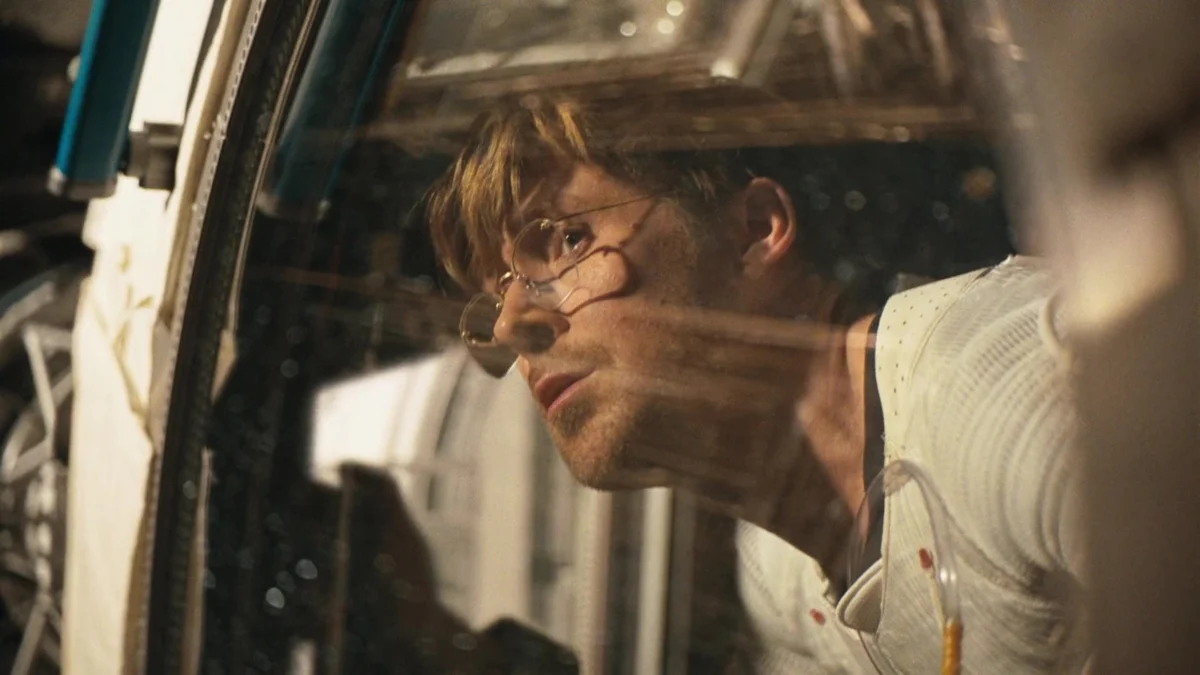
The landscape of modern science fiction cinema is rarely defined by singular, standalone triumphs. More often, it is shaped by a complex web of production house exclusives, streaming platform licensing, and the enduring legacy of source material. However, the adaptation of Andy Weir’s Project Hail Mary—a novel that captured the imagination of readers globally with its blend of hard science, humor, and heart—has proven to be a rare exception. Following a successful theatrical run that solidified its status as a 2026 tentpole, the film has officially transitioned from its limited run on MGM+ to a broader availability on Amazon Prime Video, marking a significant shift in how audiences will engage with the cosmic odyssey of Ryland Grace.
Main Facts: The Transition to Prime Video
For months, the digital availability of Project Hail Mary was restricted to the MGM+ ecosystem. While MGM+ has cultivated a niche audience with original programming, the barrier to entry for the general public remained a point of frustration for fans of the film. That barrier has officially been dismantled. As of this week, the film is fully integrated into the Prime Video library.
This move is not merely a logistical update; it represents the consolidation of Amazon MGM Studios’ content strategy. By bringing Project Hail Mary into the fold of its primary streaming platform, Amazon is signaling a push to maximize the viewership of its high-budget IP. The film, which stars Ryan Gosling as the beleaguered yet resilient schoolteacher-turned-astronaut Ryland Grace, serves as a cornerstone of the studio’s science fiction portfolio. With this move, subscribers no longer need a supplementary subscription to witness the visually stunning and emotionally resonant journey that Grace shares with his extraterrestrial companion, Rocky.
A Chronology of the ‘Project Hail Mary’ Phenomenon
The trajectory of Project Hail Mary from a page-turner to a cinematic event has been a steady climb of anticipation and execution.
- The Literary Foundation (2021): Andy Weir, already a household name due to the massive success of The Martian, released Project Hail Mary to critical acclaim. The story of an amnesiac man waking up on a spaceship to save humanity struck a chord with readers, leading to rapid acquisition of film rights.
- The Production Hurdles (2022–2024): The project faced intense scrutiny, particularly regarding the directorial chair. When Phil Lord and Chris Miller—known for their kinetic, inventive visual styles—were tapped to direct, it set a high bar. The duo, having previously navigated the high-pressure environment of the Star Wars universe during their time on Solo: A Star Wars Story, approached this project with a renewed sense of creative control.
- The Theatrical Release (2026): The film opened in early 2026, quickly becoming a box office standout. It arrived in theaters during a period of intense competition, yet its word-of-mouth success—bolstered by its scientific accuracy and the performance of Ryan Gosling—kept it in the cultural conversation for months.
- The MGM+ Exclusive Window (2026): Following its theatrical exit, the film was placed behind the MGM+ paywall. This period allowed for the platform to bolster its subscriber numbers, utilizing the film as a marquee "hook" for new users.
- The Prime Video Integration (Current): The transition to Prime Video marks the next phase of the film’s lifecycle, moving from an exclusive acquisition tool to a library staple designed to increase user retention and engagement on Amazon’s primary platform.
Supporting Data: Why the Streaming Shift Matters
The move to Prime Video is driven by more than just the expiration of a licensing window; it is a calculated decision based on viewership data. In the current streaming economy, the "discoverability" of a film is paramount. MGM+, while respected for its quality original series like Robin Hood—which currently boasts a 77% approval rating on Rotten Tomatoes—does not possess the same massive, active user base as Amazon Prime.
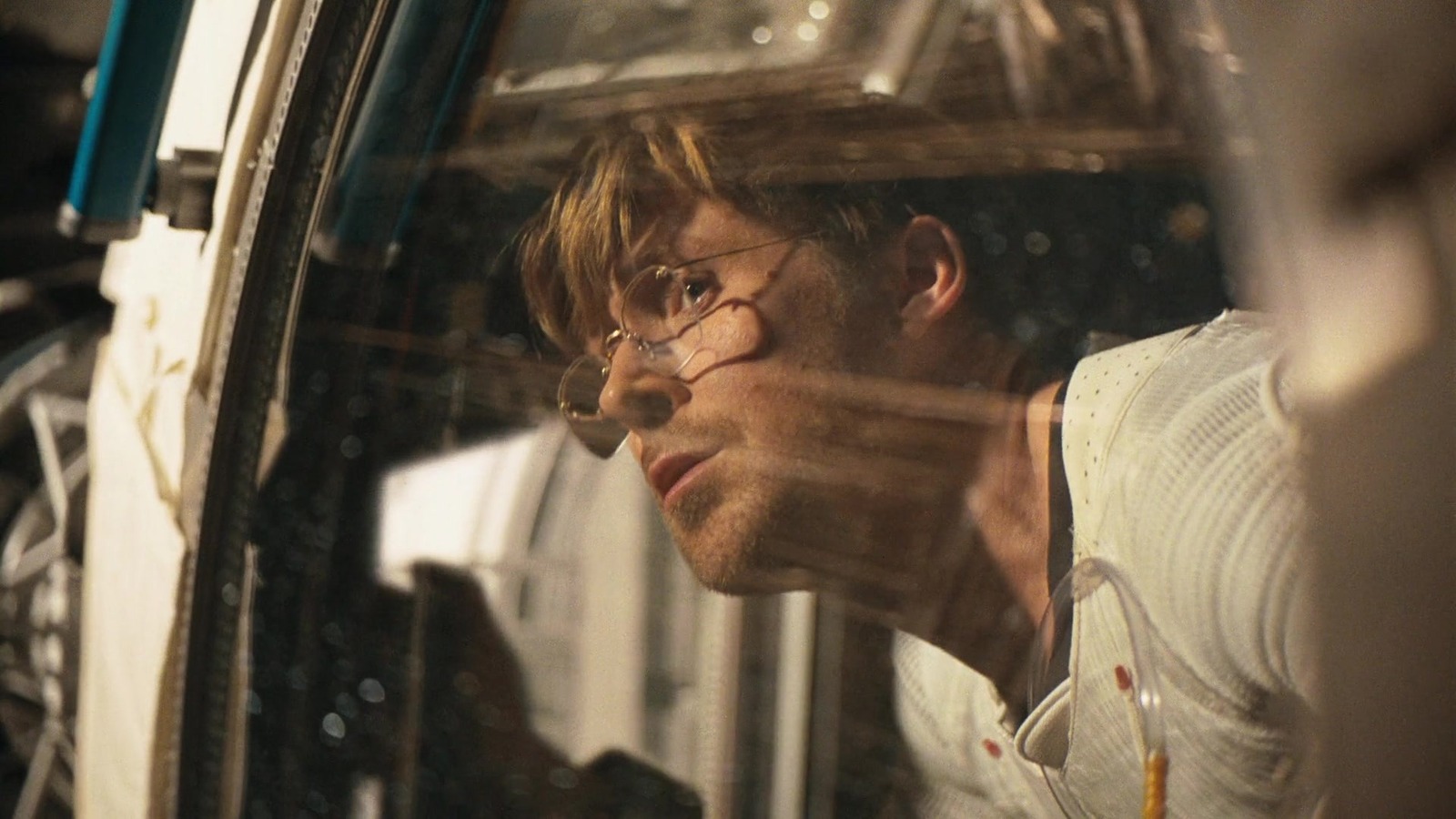
Industry analysts suggest that by migrating Project Hail Mary to Prime, Amazon stands to see a significant uptick in repeat viewings and discovery by audiences who may have missed the film during its theatrical window. Furthermore, the film is bolstered by an extraordinary production pedigree. The screenplay, penned by Drew Goddard, has been widely lauded for its ability to condense Weir’s dense scientific exposition into accessible, high-stakes drama. The film’s technical achievement, combined with the vocal performance of James Ortiz as the alien entity "Rocky," has created a lasting cultural impact that warrants a platform with maximum reach.
Official Responses and Creative Vision
The creative team behind Project Hail Mary has consistently expressed their commitment to the integrity of the source material. In recent interviews, Lord and Miller emphasized that their goal was to balance the technical "hard science" of the novel with the deeply human element of the friendship between Ryland and Rocky.
"We wanted the audience to feel the same sense of discovery that Ryland feels," the directors noted in a press release regarding the home media launch. "The challenge was never just the physics of the spaceship; it was the physics of two strangers from different corners of the universe learning to communicate."
Amazon MGM Studios has also confirmed that while the digital streaming rights are now fully under the Prime Video banner, the studio remains committed to physical media. For purists and collectors, the announcement of a physical release scheduled for August 11, 2026, is a significant milestone. This package, which includes comprehensive behind-the-scenes features and director commentary, is designed to ensure that the film remains accessible even in the event of future digital licensing shifts.
Implications for the Future of Science Fiction
The migration of Project Hail Mary to Prime Video is a microcosm of a broader trend in Hollywood. We are seeing a shift away from the "scattered library" approach toward a more centralized, studio-owned streaming model. As major studios continue to absorb and integrate their own production houses, the availability of high-concept, high-budget sci-fi will likely become increasingly concentrated.
For the audience, this has two distinct implications. First, it simplifies the streaming landscape. If you are an Amazon Prime subscriber, you are effectively guaranteed access to the studio’s major hits without the need to hunt through a dozen competing services. Second, it raises the stakes for studios to produce films that have true "evergreen" potential. Project Hail Mary is not a film that will be watched once and forgotten; its emotional resonance and thematic depth suggest it will be revisited for years to come.
As the film settles into its new home on Prime Video, it serves as a reminder of the power of the genre. When science fiction is grounded in human emotion, it transcends the "niche" label and becomes a piece of culture. Whether you are revisiting the suspenseful, science-heavy sequences in the Taumoeba lab or simply enjoying the chemistry between Gosling and the voice of Ortiz, the film is now more accessible than ever.
In an era where streaming catalogs can feel ephemeral, the permanent placement of a film like Project Hail Mary on a major platform is a testament to its staying power. It isn’t just another entry in a list of titles; it is an invitation to explore the stars, and for millions of subscribers, that door is now wide open. As we look toward the remainder of the 2026 cinematic calendar, Project Hail Mary remains the gold standard for what a blockbuster adaptation can—and should—be.










