

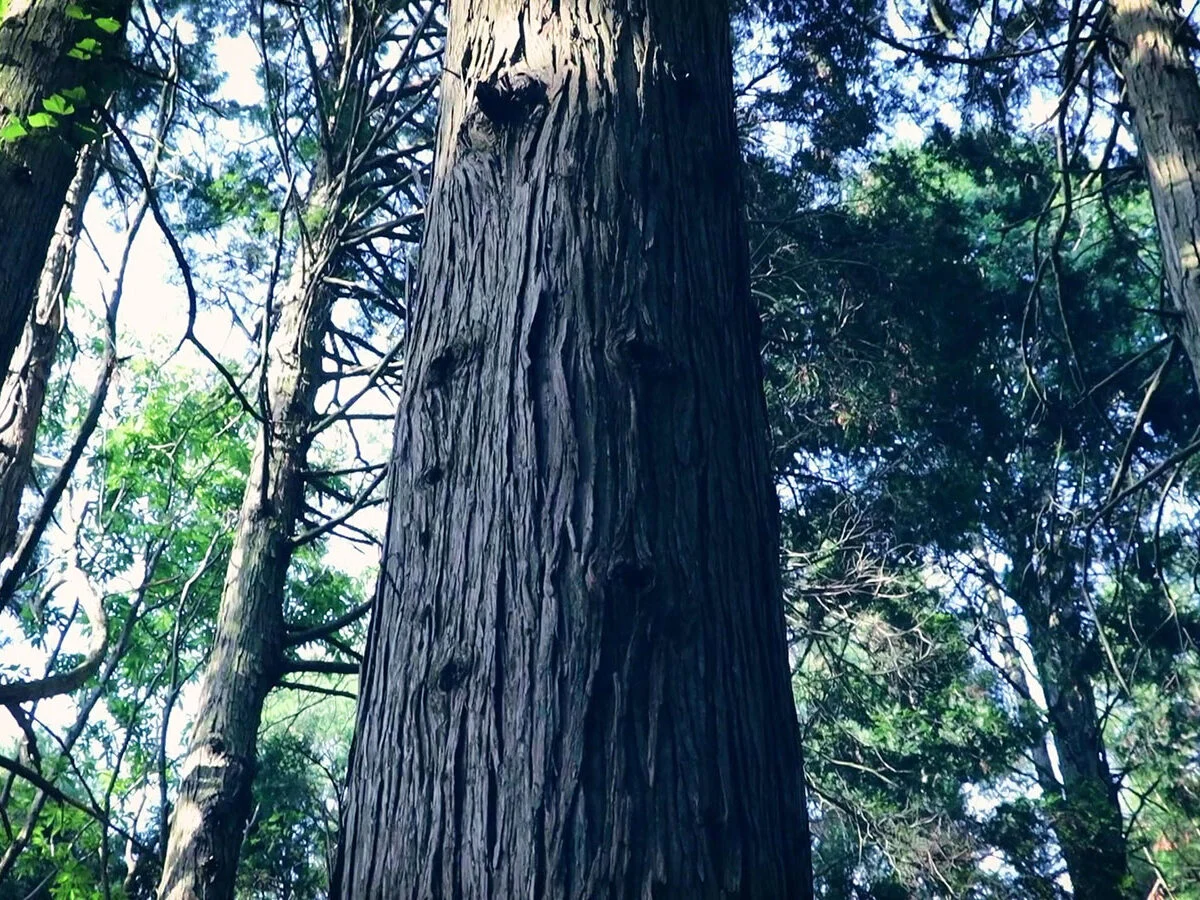
Japan’s architectural landscape is defined by more than just steel and glass; it is rooted in a profound, centuries-old dialogue between humanity and nature. From the ancient, towering pillars of the Hōryū-ji Temple—the world’s oldest wooden structure—to the serene, snow-dusted gabled roofs of Shirakawa-gō, wood is the heartbeat of Japanese culture. Today, this tradition is experiencing a global renaissance, as contemporary architects and designers rediscover the unparalleled elegance and sustainability of Japanese timber.
The Intersection of Tradition and Innovation
At the heart of this enduring craft lies a philosophy that views trees not merely as commodities, but as living, breathing companions. The Japanese wood industry has spent centuries refining techniques that honor the grain, moisture content, and structural integrity of timber. This is not a static tradition; rather, it is a living craft that adapts ancient joinery techniques—such as kigumi, which requires no nails or adhesives—to meet the rigorous demands of modern structural engineering.
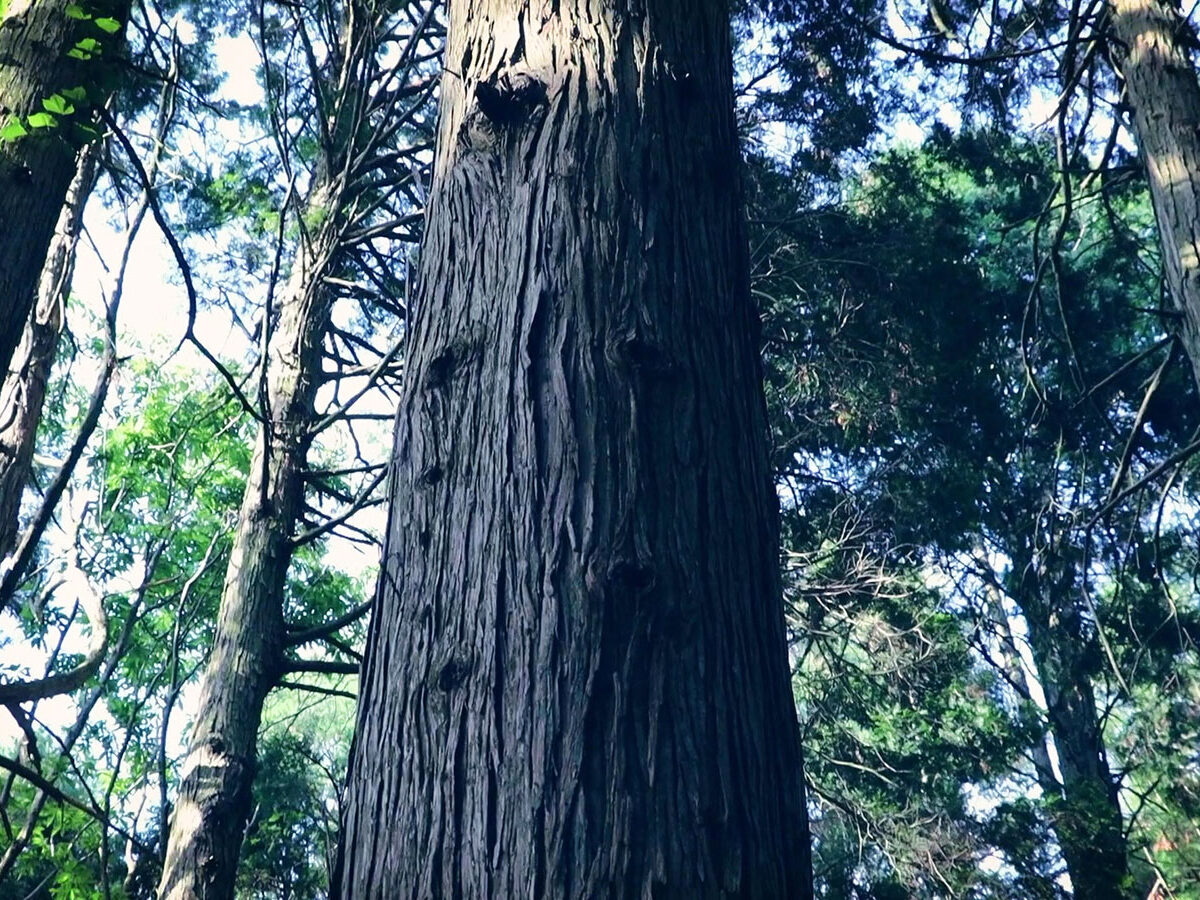
This synthesis of historical wisdom and cutting-edge innovation has captured the attention of the international community. As the world moves toward more sustainable building practices, Japan’s mastery of timber offers a blueprint for the future: a way of building that is not only durable but deeply attuned to the rhythms of the natural environment.
A Chronology of Craft: From Ancient Shrines to Modern Skyscrapers
The history of wood in Japan is inextricably linked to its spiritual and functional development. To understand the current global demand for Japanese wood, one must look back at the historical milestones that shaped the industry:
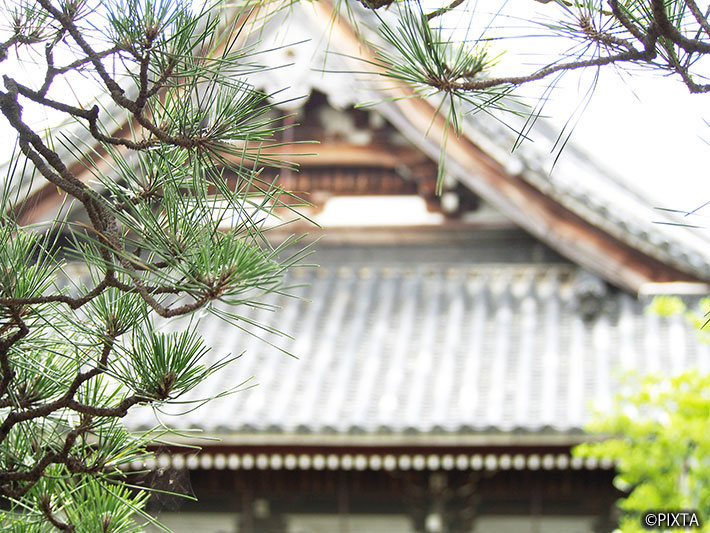
- 7th Century (Asuka Period): The construction of Hōryū-ji marks the beginning of systematic timber preservation. Japanese carpenters realized that by utilizing the heartwood of the Hinoki cypress, they could create structures capable of standing for over a millennium.
- Edo Period (1603–1867): Wood became the primary material for urban development. The period saw the perfection of woodworking tools—planes, chisels, and saws—that remain the industry standard for precision craftsmanship today.
- Post-WWII Era (1945–1970s): Japan focused on rapid reconstruction. While concrete became prevalent, a dedicated cohort of artisans preserved traditional techniques, ensuring that the knowledge of forest management and joinery was not lost to industrialization.
- 21st Century (The Sustainable Shift): With the global climate crisis, Japan’s wood industry has pivoted toward high-tech, eco-friendly exports. Today, the Japan Wood Products Export Association (JWPEA) serves as the primary conduit for introducing these high-quality materials to global markets, emphasizing the carbon-sequestering benefits of timber.
The Sensory Experience: Expert Insights on Materiality
The allure of Japanese wood is perhaps best understood through the hands of those who shape it. Adam Zgola, a lead carpenter with deep roots in the Japanese craft, offers a perspective that transcends simple construction. For Zgola, wood is a sensory medium.
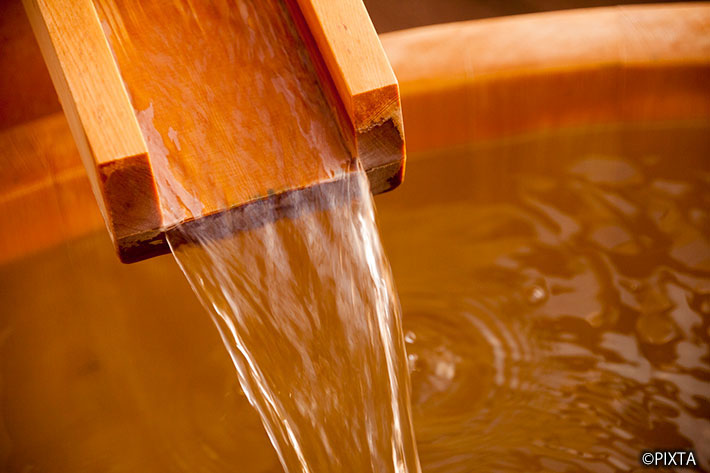
"Cedar has a gloss so it feels warm," Zgola explains. "Hinoki cypress is cool and lovely. It has a high oil content, making it naturally resistant to pests and decay. You can smell that signature scent of Hinoki every time you step into a traditional hot spring."
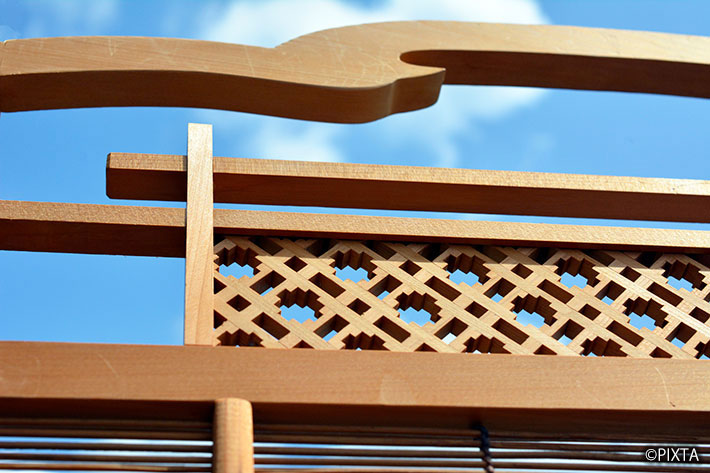
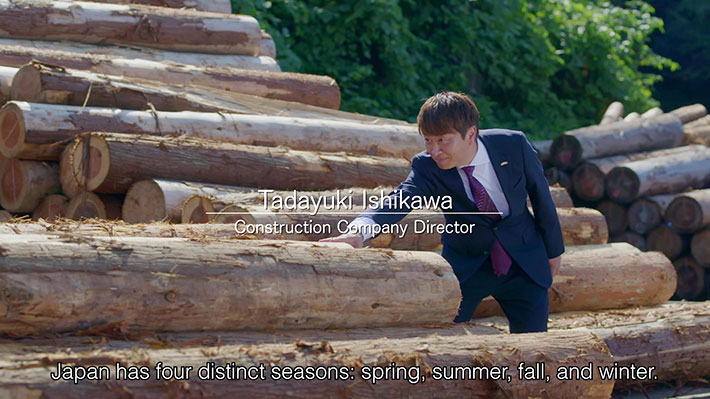
This sensory appeal is backed by functional superiority. Tadayuki Ishikawa, a director at a prominent construction firm, notes that the precision of Japanese processing is unmatched. "If you look anywhere in the world, the quality of our building techniques and the finish of our timber products are simply in a league of their own," he says. This is not merely patriotic pride; it is a testament to a production process that treats every plank as a unique piece of art.
Global Implications: Why the World is Turning to Japanese Timber
The global appetite for Japanese wood is driven by three core factors: aesthetic sophistication, technical durability, and environmental stewardship.

Aesthetic Versatility
As Tiffany Luk, an international sales executive in the furniture sector, observes, there is a growing trend of "Japandi" design—a fusion of Japanese minimalism and Scandinavian functionality. "Furniture that combines classic Japanese woodworking techniques with modern, sleek designs is gaining massive interest abroad," Luk notes. The ability to integrate traditional textures into modern living spaces has made Japanese timber a highly sought-after material for luxury residential and commercial projects globally.
Technical Superiority
Japanese timber is often harvested from managed forests that prioritize the density and grain consistency of the wood. Through advanced kiln-drying and thermal modification processes, the wood is rendered incredibly stable, making it resistant to the warping and cracking often seen in less refined timber.

Environmental Stewardship
Perhaps most importantly, the Japanese wood industry is a model of sustainability. By utilizing wood that is sourced from strictly regulated, high-quality forests, the industry ensures that the cycle of growth and harvest remains balanced. This is a critical selling point for architects seeking LEED certification or attempting to reduce the carbon footprint of their builds.
The Future of the Forest: Sustainability and Growth
The "Japan – Land of Wood" initiative, championed by the JWPEA, highlights a crucial aspect of modern forestry: the necessity of active management. Unlike old-growth extraction, which can be devastating, the Japanese model emphasizes the "thinning" of forests—a process that removes weaker trees to allow the remaining ones to grow stronger and healthier.
This practice not only produces superior lumber but also promotes forest biodiversity. By choosing Japanese wood, international builders are indirectly supporting the maintenance of Japan’s lush, mountainous landscapes. The industry is currently investing heavily in R&D to ensure that these sustainable practices can be scaled to meet the needs of large-scale international projects, from skyscrapers to public infrastructure.
A Call to Discovery: Integrating Tradition into Modern Life
The journey from the dense forests of Japan to the living rooms of the world is a testament to the universal appeal of quality. The video documentary produced by the JWPEA is more than an advertisement; it is an invitation to reconsider our relationship with the materials that surround us.
When we choose a Hinoki bath or a cedar-crafted table, we are not just purchasing an object. We are participating in a multi-generational legacy of environmental respect. We are inviting the cooling, grounding energy of the forest into our homes.
As we look toward an uncertain environmental future, the answer may lie in looking backward—to the ancient forests and the hands of the masters who know how to work with them, not against them. Whether you are an architect, an interior designer, or simply a homeowner looking for a piece of the sublime, the world of Japanese wood offers a rare blend of utility and poetry that is, quite literally, built to last.

For those interested in exploring the craftsmanship further, the Japan Wood Products Export Association continues to provide resources and data regarding the ethical sourcing and technical specifications of their exports. By bridging the gap between Japanese artisans and the global market, they are ensuring that the spirit of the Japanese forest continues to inspire, protect, and sustain for generations to come.











