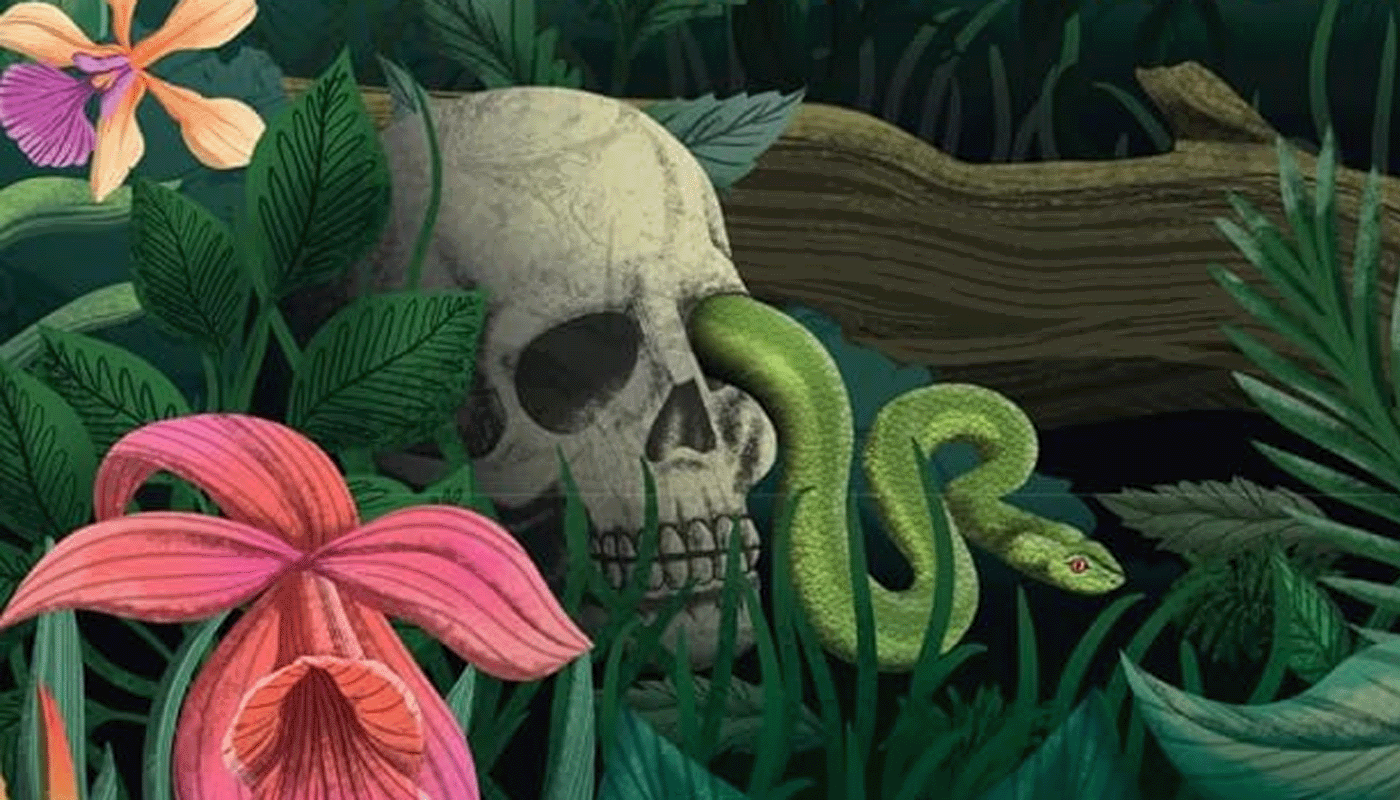
The tropical rainforest is an ecosystem defined by paradox. It is the cradle of life, a vibrant, emerald-drenched landscape teeming with an unparalleled density of flora and fauna. Yet, for those who venture deep beneath the canopy, the jungle reveals a more predatory face. It is a realm where the humidity is a physical weight, where the sunlight is strangled by thick, interlocking boughs, and where the line between the botanical and the lethal is impossibly thin.
For the horror genre, the jungle serves as the ultimate "locked-room" mystery—a vast, claustrophobic expanse where the primary antagonist is often the environment itself. Whether through ancient, slumbering curses, parasitic mutations, or the sheer, indifferent violence of nature, the jungle has become a cornerstone of summertime terror. Below, we explore the literary evolution of this subgenre, analyzing five seminal works that redefine the meaning of survival.
The Anatomy of Tropical Dread: A Chronology
The fascination with the "Jungle Gothic" is not a modern invention, but it has certainly evolved alongside our understanding of global exploration. From the colonial-era anxieties of the 1930s to the ecological nightmares of the 21st century, the depiction of the rainforest has shifted from a place of "unknown discovery" to a place of "inescapable consequence."
1933: The Dawn of Body Horror
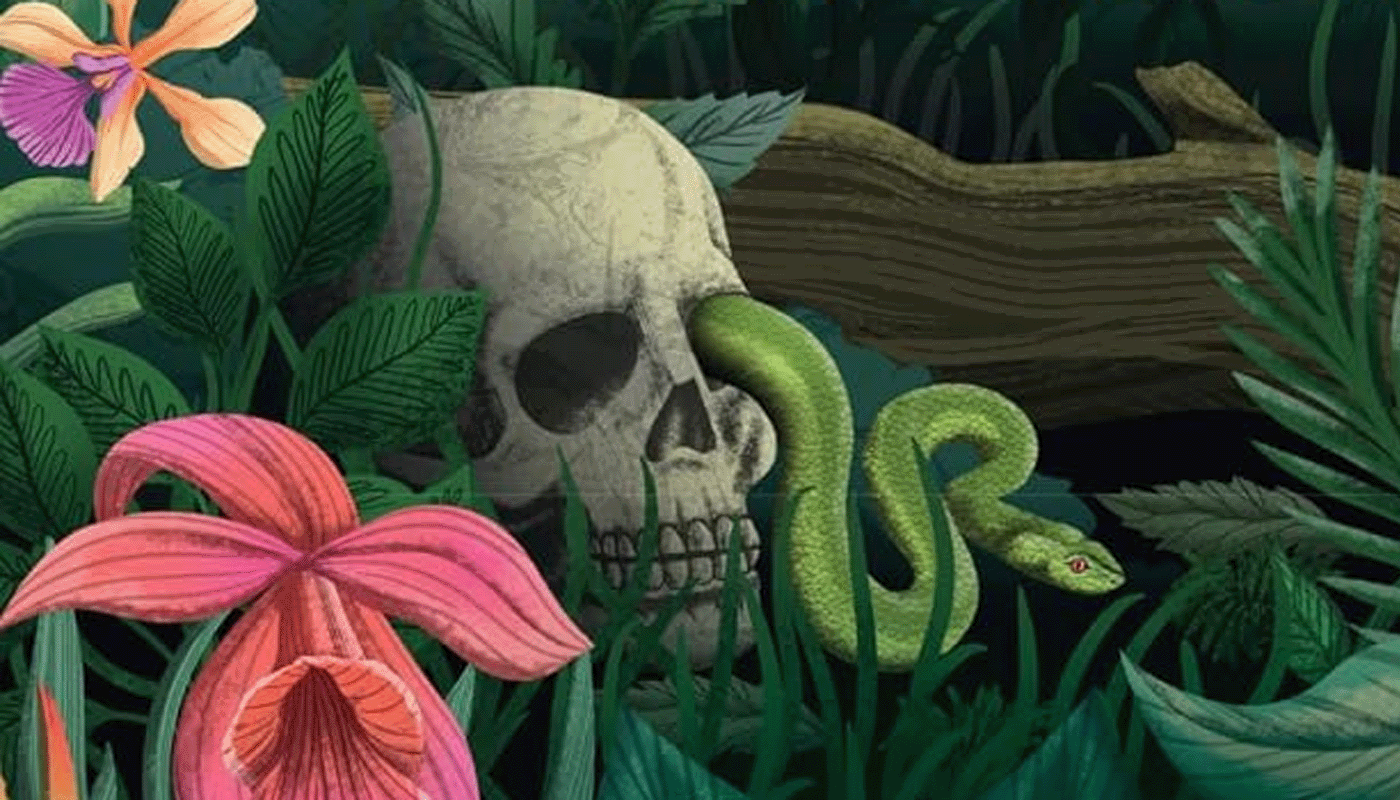
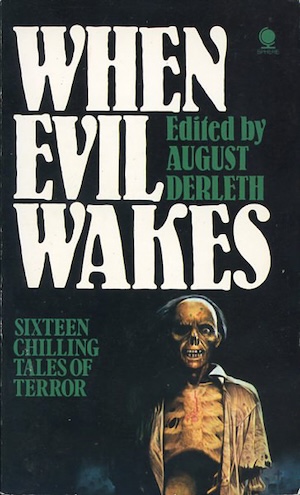
"The Seed from the Sepulchre" by Clark Ashton Smith
In the early 20th century, the jungle was often viewed as a repository for lost, ancient civilizations. Smith’s short story follows two orchid hunters, James Falmer and Roderick Thone, along the Orinoco River. Their pivot from botanical pursuit to tomb raiding serves as a classic cautionary tale of greed. The discovery of a plant that feeds on the marrow of the dead remains one of the most grotesque examples of body horror in early weird fiction. It established the trope that the jungle does not merely kill; it consumes and recycles the human form into something alien.
1985: The Supernatural of Retribution
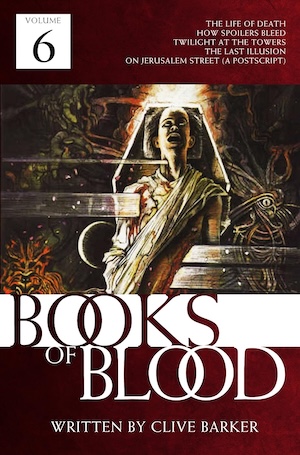
"How Spoilers Bleed" by Clive Barker
By the mid-1980s, the focus of jungle horror shifted toward the exploitation of indigenous lands. Barker’s narrative centers on a group of mercenaries who attempt to violently displace a tribe in the Amazon. When their aggression leads to the death of a child, the resulting curse turns the mercenaries’ skin into a brittle, glass-like substance. This story serves as a visceral critique of colonialism, suggesting that the jungle is a sentient moral arbiter capable of inflicting poetic, horrific justice on those who seek to plunder its wealth.
2006: The Modern Survivalist Nightmare
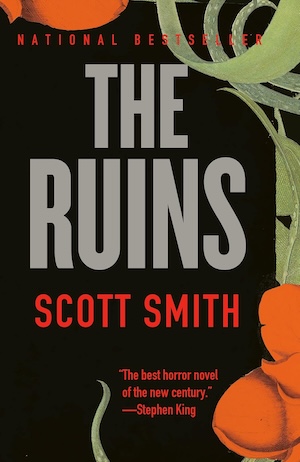
"The Ruins" by Scott Smith
Scott Smith’s novel brought the subgenre into the contemporary era of the "unprepared tourist." By trapping four friends on a Mexican hillside inhabited by a predatory, mimetic vine, Smith stripped away the adventure-novel veneer of jungle exploration. The narrative’s lack of chapter breaks creates a suffocating, propulsive experience that mimics the characters’ own inability to escape their circumstances. It serves as a stark reminder that modern convenience is no match for prehistoric, biological hunger.
2018: Cosmic Creature Features
"The Forgotten Island" by David Sodergren
Sodergren’s work marks a stylistic pivot, blending the B-movie creature feature with Lovecraftian cosmic dread. Set on a remote Thai island, the story follows a group of tourists whose holiday turns into a fight for survival against a swarm of gargantuan, arachnid entities. It highlights a common theme in the genre: the transition from the mundane (a hangover) to the catastrophic (being hunted by an ancient, multi-legged horror).
2025: The Psychological Decay
"Rainforest" by Michelle Paver
The most recent entry, Paver’s epistolary novel, shifts the focus from external threats to internal degradation. Through the diary entries of an unlikeable scientist, Simon Corbett, the jungle acts as a mirror for his own moral failings. The setting is not just a place of danger but a psychological pressure cooker, where the physical irritation of insects and the suffocating heat exacerbate the narrator’s own guilt and eventual mental collapse.
Supporting Data: The Science of the "Green Hell"
The horror found in these works is rarely entirely fictional; it is rooted in the physiological realities of tropical environments.
- Biodiversity as Weaponry: Tropical rainforests contain the highest concentration of toxic plants and animals on Earth. The fear of "carnivorous plants" is a hyper-extension of actual species like the Nepenthes (pitcher plants) that utilize enzymes to digest insects.
- Micro-Parasitism: Many of these stories leverage the genuine dread of tropical parasites. The botfly, for instance, serves as a recurring inspiration for body-horror elements, where the biological boundary between host and parasite is violated.
- Psychological Load: Research into high-humidity, low-light environments indicates that the human brain experiences increased cortisol levels and spatial disorientation in dense forest canopy environments. This "green stress" is a legitimate psychological phenomenon that writers utilize to justify the sudden irrationality of their protagonists.
Official Responses and Literary Critiques
Critics often categorize the "Jungle Horror" subgenre as a branch of "Ecological Gothic." Academic discourse suggests that these stories act as a cultural outlet for modern anxieties regarding environmental collapse.
Literary scholar Dr. Elena Vance notes, "The jungle in horror is the ultimate manifestation of the ‘Uncanny.’ It is a place that feels familiar because of its biological complexity, yet it is profoundly alien to the human experience. When writers like Scott Smith or Michelle Paver describe these environments, they are not just describing a setting; they are describing a system that finds humanity to be an unnecessary, or even invasive, presence."
While some readers find the "unlikable protagonist" trope—as seen in Rainforest—to be a barrier to enjoyment, critics argue it is essential to the genre. The survival of the protagonist is not the point; the point is the dialogue between human arrogance and the crushing indifference of the natural world.
Implications for the Genre
The trajectory of jungle horror is moving toward an increasingly ecological and psychological focus. As the world becomes more aware of the fragility of these environments, the "horror" is shifting from the idea that the jungle is "evil" to the idea that the jungle is "defensive."
- Environmental Reflection: Modern jungle horror often serves as a metaphor for the climate crisis. The "predatory vines" and "curse-wielding tribes" are manifestations of a planet fighting back against human encroachment.
- The Death of the Hero: Increasingly, the genre is moving away from the "heroic survivalist" archetype. Modern narratives favor characters who are fundamentally flawed, highlighting that the jungle does not discriminate between the innocent and the guilty.
- Technological Isolation: As satellite imagery and GPS make the world feel smaller, writers are increasingly isolating their characters through the failure of technology. In the jungle, your phone is not just useless—it is a reminder of the vast, uncaring distance between you and the world you think you control.
Conclusion
The jungle remains a potent, terrifying stage for the human condition. Whether it is a source of ancient treasure, a victim of corporate greed, or a silent, breathing entity, the rainforest forces us to confront our fragility. These five works serve as a masterclass in how to turn a beautiful landscape into a site of profound psychological and physical terror. As we look toward future literature in this subgenre, we can expect the focus to remain on the uncomfortable, sticky, and often fatal interface between civilization and the wild.
The jungle is waiting. It doesn’t care if you’re prepared. It doesn’t care if you’re guilty. It only cares that you, like the flora and fauna that thrive in its depths, are made of matter that can be consumed.