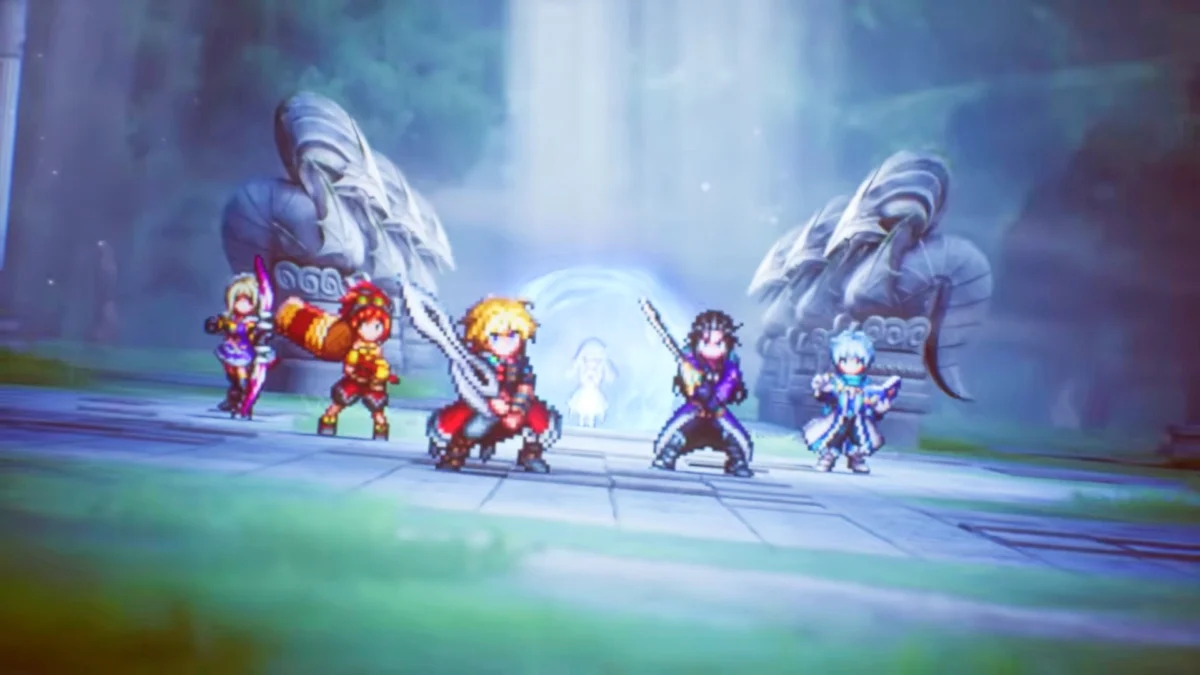
For decades, the Final Fantasy franchise has been synonymous with technological evolution. From the early 8-bit sprites on the NES to the breathtaking, cinematic spectacle of Final Fantasy VII Rebirth, Square Enix has consistently pushed the boundaries of what gaming hardware can achieve. However, a significant pivot is occurring within the company’s walls. With the announcement of Final Fantasy Resonance—a title that embraces a charming 2.5D pixel art aesthetic—Square Enix appears to be signaling a new, dual-track strategy.
As the developer balances massive, open-world, high-fidelity projects with smaller, retro-inspired experiences, fans and investors alike are beginning to wonder: Is this the start of a permanent shift toward honoring the series’ roots?
The Rise of the 2.5D Aesthetic
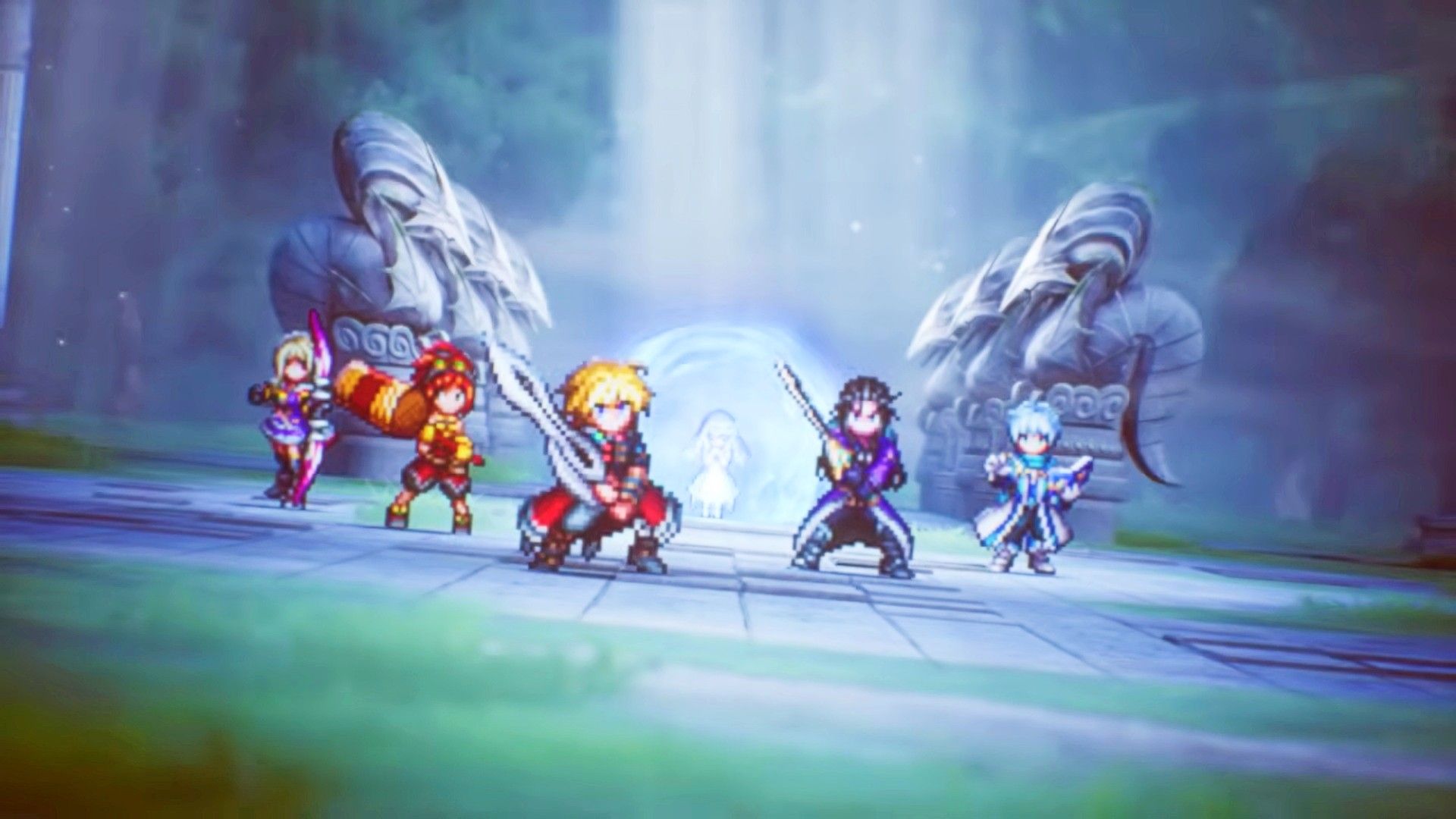
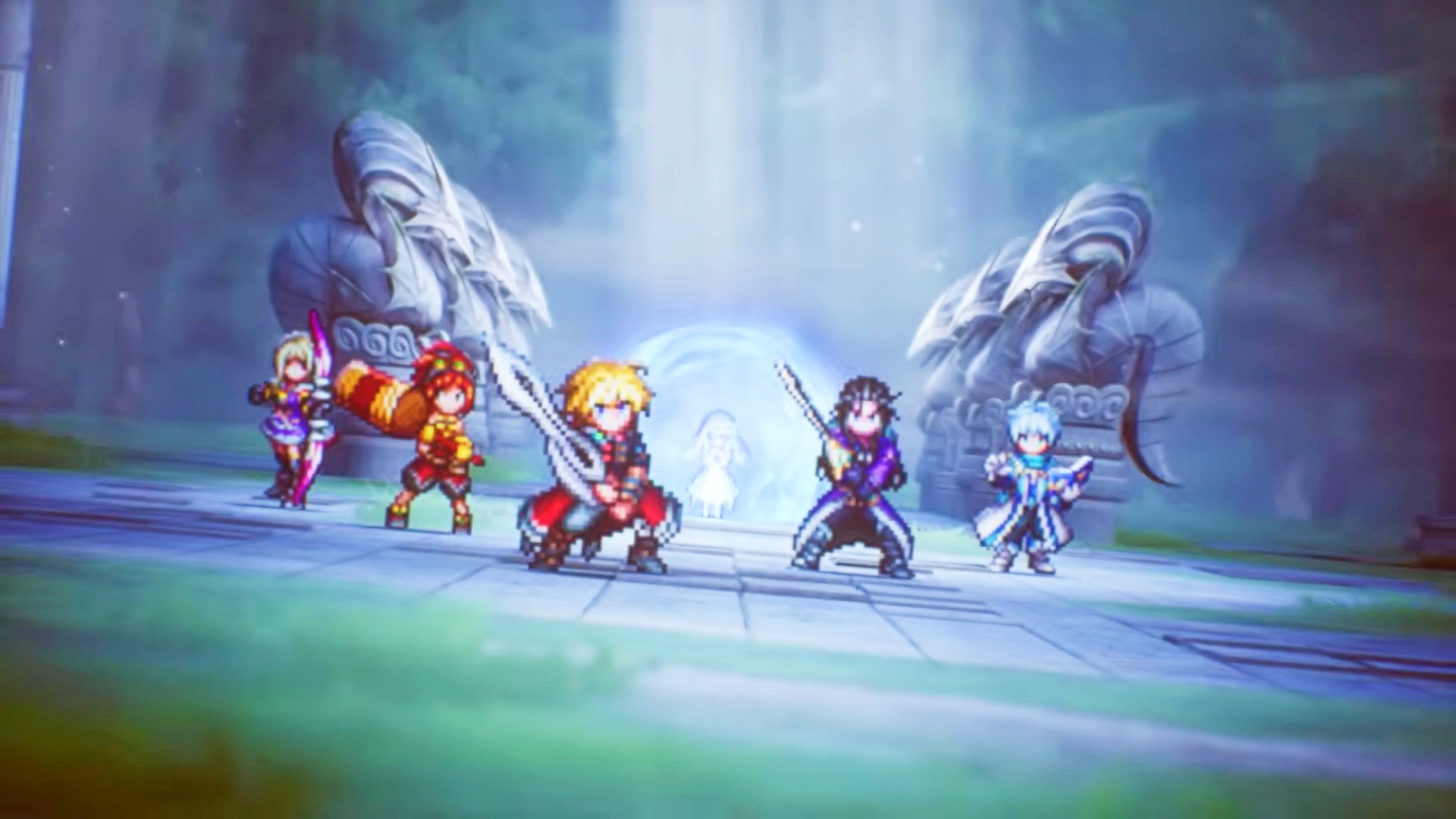
Final Fantasy Resonance, a project reimagining a legacy mobile title, has captured the attention of long-term fans. By adopting a 2.5D "HD-2D" style—a visual approach that blends high-definition sprites with depth-of-field backgrounds—Square Enix is tapping into a profound sense of nostalgia while maintaining modern visual clarity.
For many, this is the "missing link" the franchise has needed. While the Final Fantasy VII Remake trilogy is a technical marvel that completely reimagines combat and exploration for a modern audience, it does not scratch the same itch as the classic, turn-based, or ATB-driven experiences of the 90s. Resonance represents a shift toward preservation, offering a "remake" that retains the traditional mechanical heart of the original game while upgrading its aesthetic to meet contemporary display standards.
A Chronology of the Retro Pivot
To understand why Final Fantasy Resonance is so significant, one must look at the recent trajectory of Square Enix’s portfolio:
- The Early Success of HD-2D: Square Enix first tested the waters of this aesthetic with Octopath Traveler. The visual success of the game proved that there is a massive, underserved market for games that look "classic" but perform like modern software.
- The Dragon Quest Revival: Encouraged by the success of its original IP, Square Enix applied the 2.5D treatment to the Dragon Quest series, specifically targeting the early entries. These remakes allowed new generations of players to experience the foundations of the genre without being deterred by dated 8-bit graphics.
- Final Fantasy Tactics: The Ivalice Chronicles: Last year’s release served as a secondary proof-of-concept. By keeping the isometric, tactical gameplay intact while polishing the visuals, the studio proved that core fanbases would support titles that prioritize gameplay purity over massive, scale-driven overhauls.
- The Announcement of Resonance: Final Fantasy Resonance marks the first time this specific strategy has been applied to a mainline-connected spin-off, suggesting that the "Retro-Remake" model is no longer an experiment, but a pillar of their business strategy.
Market-In Approach: What the Shareholders Were Told
The strategic reasoning behind this shift was recently clarified during a candid question-and-answer session at a Square Enix shareholders meeting. When asked if the company intended to focus solely on massive, AAA-tier remakes like the Final Fantasy VII project, or if there was room for smaller, more traditional projects like Resonance, the response was telling.
"As part of our market-in approach, we engage in trial and error to establish what is best for contemporary customers based on current market needs and trends," the company stated in an official transcript. "In doing so, it is extremely important to us that we strike the right balance between our approach and the expectations of players who loved the original works."
This statement is key to understanding the company’s current mindset. Square Enix is moving away from a one-size-fits-all production cycle. Instead, they are adopting a "market-in" philosophy, where the development style is dictated by the specific needs of the title and the expectations of its specific player base.
Balancing Tradition and Modernity
The implication of the shareholders’ meeting is that Square Enix is acknowledging a two-tiered player base. One segment of the audience craves the industry-leading, cinematic experiences that define the current AAA landscape. Another segment, however, is increasingly fatigued by massive, hundreds-of-hours-long open-world games and instead prefers the concise, tactical, and nostalgic nature of the series’ earlier entries.
"While specific titles may call for specific mechanics," the transcript continues, "we will continue our development efforts by assessing what truly resonates within the current market environment for both original titles and new remakes."
This suggests that the future of Final Fantasy is not a choice between "new" and "old," but a coexistence of both. We are likely to see a pipeline where massive, mainline titles continue to push the boundaries of technology, while a steady stream of "Resonance-style" projects keeps the legacy of the franchise alive and accessible.
The Economic and Cultural Implications
The economic logic for this approach is sound. High-fidelity AAA development is notoriously expensive, with ballooning budgets and long development cycles that pose significant financial risks. Smaller, stylized projects like Final Fantasy Resonance allow the studio to diversify its portfolio. These games are cheaper to produce, faster to develop, and carry a lower risk profile, while simultaneously engaging a loyal fan base that might otherwise feel alienated by the company’s shift toward action-heavy gameplay.
Furthermore, there is the issue of digital preservation. In a recent move, Square Enix addressed concerns regarding the long-term availability of its titles. While they stopped short of promising that every game will be playable forever, they pledged to "continue to create pathways" for fans to enjoy these titles even after a service or platform has ended. This commitment, paired with the release of remakes like Resonance, suggests a concerted effort to treat their back catalog as a living library rather than a closed vault.
What Does This Mean for Fans?
For the average Final Fantasy fan, the outlook is brighter than it has been in a decade. We are moving toward an era where the series is no longer defined by a single direction.
If you are a fan of the modern, high-octane action found in the Remake trilogy or the upcoming Final Fantasy XVII, those games will continue to be the primary engine of the franchise. But for the purist—the fan who grew up with the turn-based combat of the SNES and PlayStation 1 eras—there is finally a roadmap for the future.
The success of these projects will ultimately be decided by the players. If Final Fantasy Resonance performs well, it will provide the data necessary for Square Enix to greenlight further remakes in this style. The message from the board is clear: if it resonates with the market, they will build more of it.
The ball is now in the court of the community. As the industry grapples with the rising costs and risks of modern game development, Square Enix has offered a hand back to the past. Whether this leads to a full-scale renaissance of classic-style Final Fantasy titles remains to be seen, but for the first time in years, the possibility is no longer just a dream—it is a business strategy.