Evan Lee Salim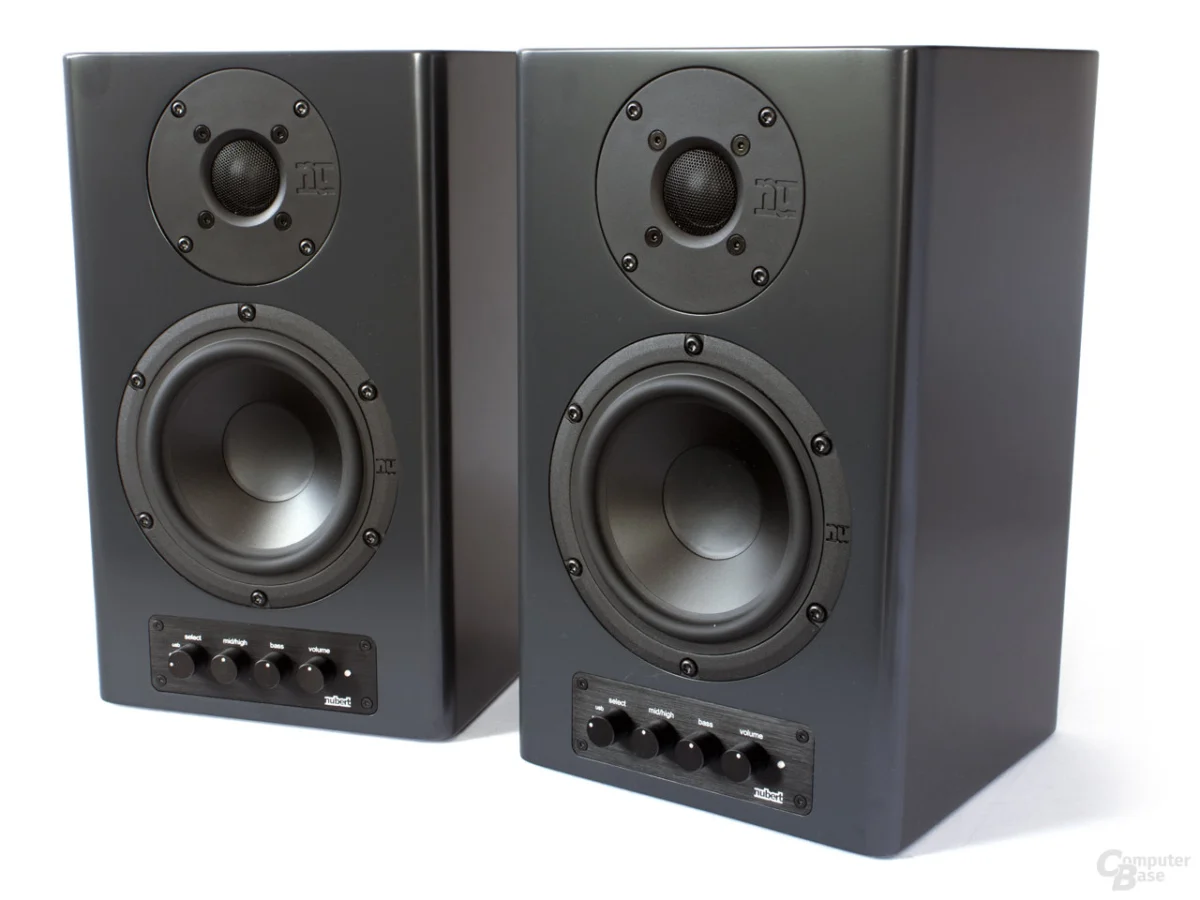
Fifteen years ago, the audio landscape for PC users was largely dominated by budget-oriented, plastic-clad multimedia speakers that prioritized bass-heavy "boomy" signatures over acoustic accuracy. Into this market stepped Nubert, the revered Baden-Württemberg-based audio specialist, with a proposition that seemed radical at the time: professional-grade, fully active monitor speakers designed specifically for the desktop environment. The launch of the nuPro A-10 and A-20 marked a turning point in how enthusiasts viewed computer audio, bridging the gap between high-end Hi-Fi and the digital workspace.
The Genesis of High-End Desktop Audio
For decades, Nubert had cultivated a reputation for uncompromising build quality and neutral sound reproduction. When they announced the nuPro series, the intent was clear: to provide PC enthusiasts with a compact solution that didn’t compromise on the physics of sound.
The strategy was built on a "fully active" philosophy. Unlike standard PC speakers that relied on a passive crossover and a single amplifier, the nuPro series utilized an integrated, multi-amplification approach where the drivers were matched perfectly to dedicated power stages. This allowed for an level of control over the signal path that was virtually unheard of in the consumer PC audio sector.
A Chronology of the nuPro Rollout
The release of the A-10 and A-20 was not merely a product launch; it was an educational campaign for a market accustomed to "cheap and cheerful" audio.
- Initial Concept: Nubert identified a void where users were pairing high-end sound cards with mediocre speakers.
- The Launch: The units hit the market with price points of €235 for the A-10 and €285 for the A-20 per unit—a significant investment for a desktop setup that signaled a shift toward "prosumer" equipment.
- Market Reception: Early adopters and audiophiles immediately praised the transparency of the speakers, though the industry was initially skeptical about the viability of such high-priced PC gear.
Technical Specifications: Anatomy of an Enthusiast Speaker
The nuPro series was built on the principle that "size dictates authority," but both models shared a common DNA of precision engineering.
The nuPro A-10: The Compact Powerhouse
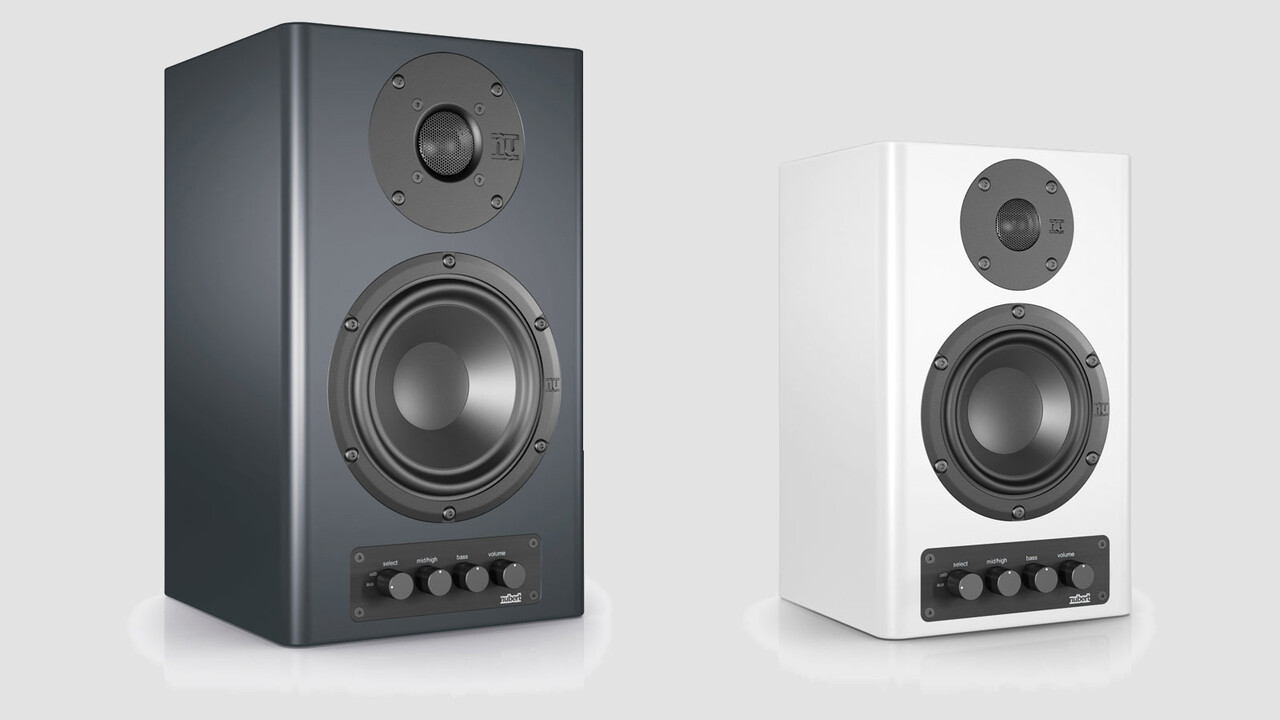
Designed for smaller workspaces where desk real estate was at a premium, the A-10 featured a 12-cm cone for low-frequency reproduction, paired with a 19-mm fabric dome tweeter. Despite its diminutive footprint, it was engineered with the same linear frequency response as its larger sibling, ensuring that the sound was accurate, if not earth-shattering in the sub-bass department.
The nuPro A-20: Scaling the Soundstage
The A-20 was the natural progression for those with more space. It utilized a larger 15-cm cone and a 24-mm tweeter. The power amplification in the A-20 was approximately 30% more robust than the A-10, allowing for greater headroom and a more authoritative bottom end. This model effectively proved that a dedicated subwoofer was entirely optional for most musical genres, a claim that was, at the time, quite bold for a speaker of its size.
The Master-Slave Architecture
One of the most defining characteristics of the nuPro series was its connectivity. Each unit was an active speaker requiring a dedicated power source. The signal chain was designed so that the user would connect the audio source (via USB or analog input) to one "Master" speaker, which would then route the signal to the second unit. This simplified cable management while maintaining the integrity of the active amplification circuit.
Supporting Data: The Sound of Neutrality
The laboratory testing of the era revealed a consistent theme: Nubert had achieved a "no-nonsense" sound signature. In an age where competitors were using DSP to artificially boost "V-shaped" sound profiles (elevated bass and treble), Nubert opted for a linear frequency response.
Key Performance Metrics:
- Linearity: Both models exhibited a flat response, which, while perceived by some casual listeners as "boring" initially, revealed the depth of recordings that had been masked by the colored sound of inferior drivers.
- Dynamics: The A-20, in particular, demonstrated a transient response that made it suitable for professional near-field monitoring.
- The "Rumble" Factor: While the A-10 struggled to reach the lowest octaves, it remained cleaner than almost any plastic-cased competitor. The A-20 filled the room with ease, maintaining low distortion levels even at higher SPLs (Sound Pressure Levels).
Critical Observations: The "Hiss" Controversy
No product is perfect, and the nuPro series faced legitimate scrutiny regarding its noise floor. Reviewers and audiophiles noted a faint, audible background hiss that varied in intensity depending on the volume setting.
While this noise was by no means intrusive during music playback, it was a point of contention for a product positioned at the premium end of the market. In the context of a quiet room, users sensitive to electromagnetic noise or amplifier gain stage floor-noise found the hiss to be a minor, albeit persistent, flaw. Nubert acknowledged these reports as part of the trade-off for the specific amplifier architecture chosen for the design, maintaining that the purity of the signal path outweighed the minimal background noise.
Official Stance and Design Philosophy
Nubert’s stance during the release was one of uncompromising transparency. In various forums and internal communications, the company maintained that their target audience was the "critical listener." They argued that if a user wanted to hear exactly what was on the master tape, they needed a speaker that didn’t hide behind artificial EQ curves.
The price point—€470 for a pair of A-10s and €570 for a pair of A-20s—was a direct reflection of the component quality. Nubert invested in high-quality cabinets, robust drivers, and high-efficiency internal amplifiers. For the company, this was an entry into the "lifestyle-audiophile" category, where the desk was no longer a place for compromise, but a place for high-fidelity critical listening.
Implications for the Modern Audio Market
Looking back at the Nubert nuPro A-10 and A-20, the implications for the industry are profound.
- The Death of the "Multimedia" Speaker: These speakers effectively helped kill off the era of flimsy, toy-like PC speakers. They forced mainstream audio brands to rethink their offerings, eventually leading to the widespread adoption of active studio monitors for desktop use.
- The Rise of USB Audio: By integrating a USB DAC (Digital-to-Analog Converter) into the speaker architecture, Nubert anticipated the shift toward high-resolution digital audio streaming. They recognized early on that the PC was becoming the primary source of music for the modern consumer.
- The Normalization of Prosumer Gear: Today, it is common to see ADAM Audio, Genelec, or Yamaha monitors on a home office desk. Nubert’s early efforts paved the way for this normalization, proving that consumers were willing to pay premium prices for equipment that bridged the gap between professional tools and home enjoyment.
Final Verdict: A Legacy of Sound
In retrospect, the minor criticisms—the background hiss and the premium price tag—fade in comparison to the lasting impact of the nuPro series. They were a triumph of engineering over marketing-driven design. They delivered a sound that was, and remains, "true to the source."
For the enthusiast of fifteen years ago, the Nubert nuPro A-10 and A-20 were not just speakers; they were an invitation to take computer audio seriously. They proved that with the right electronics and a commitment to acoustic truth, the desktop could become a legitimate high-fidelity listening room. Today, as we look back through the archives, these speakers stand as a testament to a time when quality was the primary metric, and the pursuit of perfect sound was a journey worth taking, even from behind a computer monitor.

 Asep Darmawan
 Iffa Jayyana