Lina Irawan
For nearly three decades, the Pokémon franchise has been the gold standard for monster-taming RPGs. Millions of players have wandered across vast regions, from the humble routes of Kanto to the sprawling, open landscapes of Paldea, all with the same singular goal: to capture, train, and bond with pocket monsters while rising through the ranks of the regional Pokémon League. However, nestled within this journey of self-discovery and athletic achievement is a narrative relic that has increasingly become a weight around the franchise’s neck: the "Evil Team."
While these organizations—ranging from the mob-inspired Team Rocket to the nihilistic Team Galactic—were once essential to the Pokémon formula, the evolution of storytelling in modern gaming suggests that this trope has grown stale. As the series moves into a new era of open-world exploration and character-driven narratives, it is time for Pokémon to abandon the formulaic "Evil Team" structure entirely in favor of more nuanced, individualized conflicts.
A Legacy of Villainy: The Chronology of Regional Threats
Since the inception of the series in the mid-90s, the regional villain team has served as the primary antagonist. In the early generations, this served a clear purpose: it provided a tangible, external threat that gave the player’s journey a sense of urgency.
- Generation I & II (Kanto/Johto): Team Rocket established the template. They were essentially a criminal syndicate motivated by greed, using Pokémon for profit, poaching, and illegal experimentation. They felt like a realistic obstacle in a world built on the relationship between humans and animals.
- Generation III (Hoenn): Team Aqua and Team Magma elevated the stakes. Moving away from mere crime, these groups pursued radical environmental shifts, attempting to expand the ocean or the landmass of the planet. While grandiose, they remained firmly rooted in the "team" dynamic.
- Generation IV (Sinnoh): Team Galactic represented the peak of the "evil organization" archetype. Under the cold, calculated leadership of Cyrus, they sought to erase the current universe and build a new one. Here, the franchise leaned into cosmic horror, a theme that resonated deeply with the older demographic of the player base.
- Generation V (Unova): Team Plasma pushed the thematic boundaries by questioning the morality of the bond between Trainers and Pokémon. Their leader, Ghetsis, remains one of the most chilling villains in the series, blending religious fervor with sociopathic manipulation.
- Generation VI – IX (Kalos through Paldea): The formula began to fray. While Team Flare (Kalos) attempted to reset the world, subsequent iterations like Team Skull (Alola) and Team Yell (Galar) functioned more as "punk" distractions than genuine threats. By the time Pokémon Scarlet and Violet arrived, the franchise had pivoted, framing Team Star not as world-ending threats, but as a group of misunderstood outcasts.
The Diminishing Returns of the "Evil Organization"
The central issue with the current reliance on evil teams is the predictability of the narrative. When a player enters a new region, they know exactly what to expect: eight Gym Leaders, a regional villain group that occasionally blocks their path, and a final confrontation at the Pokémon League.
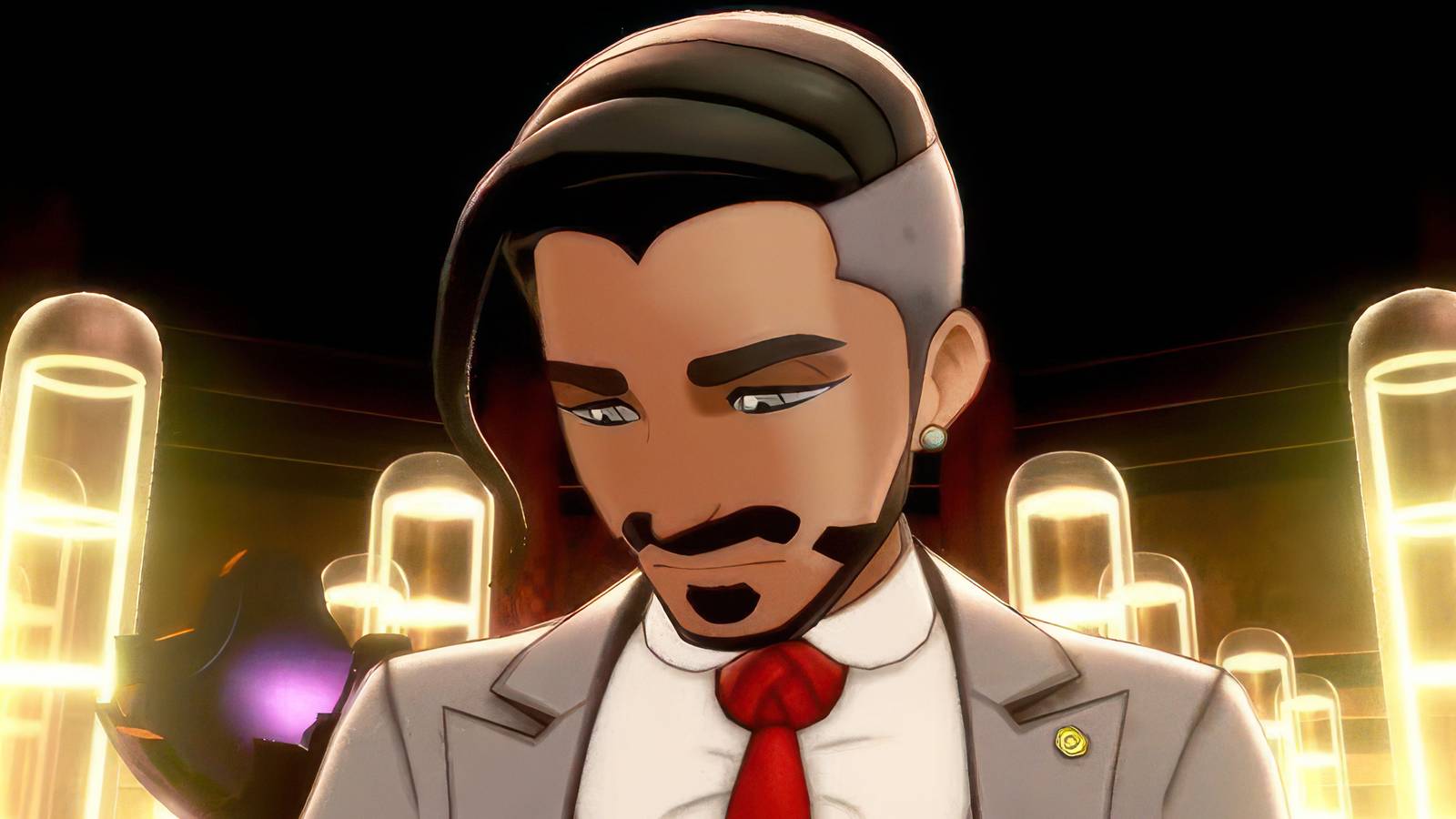
The most egregious example of this fatigue is Galar’s Macro Cosmos. In Pokémon Sword and Shield, the game spends the majority of its runtime building toward a traditional "evil team" climax, only to reveal that the primary antagonist, Chairman Rose, is motivated by a crisis that isn’t slated to occur for another thousand years. This lack of logical urgency turned a climactic moment into a narrative absurdity. It highlighted a fundamental flaw: the franchise feels obligated to include an "evil team" even when the story doesn’t require one.
Furthermore, the existence of these organizations consumes a significant portion of the game’s development budget and screen time. In Scarlet and Violet, the "Starfall Street" storyline—while emotionally resonant—effectively occupies one-third of the game’s narrative structure. This time could have been better spent deepening the lore of the Paldea region, exploring the mysteries of the Area Zero crater, or providing more complex, branching paths for the player to influence the game world.
Embracing Moral Ambiguity: The N Factor
If there is one turning point in the history of Pokémon writing, it is the introduction of N in Pokémon Black and White. N was not a traditional villain; he was a character with a coherent, albeit misguided, philosophy. He challenged the player’s perspective on the very nature of Pokémon training, acting as a true antagonist rather than a mustache-twirling criminal mastermind.
N proved that Pokémon could support complex, morally grey characters who aren’t defined by membership in a syndicate. This trend continued with characters like Lusamine, whose descent into obsession in Pokémon Sun and Moon provided a much more intimate, personal threat than the world-domination schemes of previous generations.

In Pokémon Legends: Arceus, we saw the ultimate realization of this shift with the character Volo. Volo remains one of the most beloved antagonists in the franchise because he acts independently. He is a singular, dangerous force driven by a personal obsession with the creator deity, Arceus. He doesn’t need a henchman-filled warehouse or a ridiculous uniform to pose a threat. His presence in the story is impactful because it is personal, not institutional.
Implications for the Future: Why Less is More
The removal of the "Evil Team" trope would not mean the removal of conflict. On the contrary, it would allow the developers to craft higher-stakes, more emotionally resonant stories.
1. Personal Stakes over Institutional Threats
By moving away from global organizations, the series can focus on personal journeys. An antagonist who is a rival, a fallen mentor, or even a misguided friend carries more emotional weight than a faceless corporation. The current structure forces the player to engage with "the bad guys" in a way that feels repetitive; a more organic, character-driven plot would allow for more surprising twists.
2. Increased Narrative Space
Removing the requirement to write a "team" storyline creates room for more exploration of the regions themselves. Imagine a Pokémon game where the narrative focus is entirely on the history of the region, the mystery of a legendary creature, or the personal growth of the protagonist, rather than being interrupted by a group of criminals trying to steal a power source.

3. Mechanical Innovation
When the plot isn’t constrained by the need to "beat the bad guys," the gameplay can pivot toward new challenges. Pokémon Legends: Arceus demonstrated that players are hungry for mechanics that emphasize survival, research, and ecosystem interaction. Future titles could lean further into these elements, replacing "dungeons" filled with grunts with complex environmental puzzles or deep-dive mysteries.
Conclusion: A New Frontier
The Pokémon franchise is at a crossroads. It has successfully moved toward open-world environments and more sophisticated, 3D-rendered storytelling. Yet, it remains tethered to a narrative trope that was designed for the constraints of a Game Boy screen in 1996.
The "Evil Team" trope has had a long, storied, and often iconic run. It provided the structure that made the early games memorable, and in titles like Black and White, it even helped redefine what a Pokémon story could be. But like the removal of HMs (Hidden Machines) or the transition from random encounters to overworld spawns, the retirement of the "Evil Team" is the next logical step in the evolution of the franchise.
By embracing more complex, independent antagonists and focusing on the personal stakes of the trainer’s journey, Pokémon can shed its repetitive skin and embrace a more modern, dynamic form of storytelling. The world of Pokémon is vast, filled with mystery and potential; it is time to let the stories within that world grow as big as the monsters we catch.


 Evan Lee Salim
 Asro
Asro