

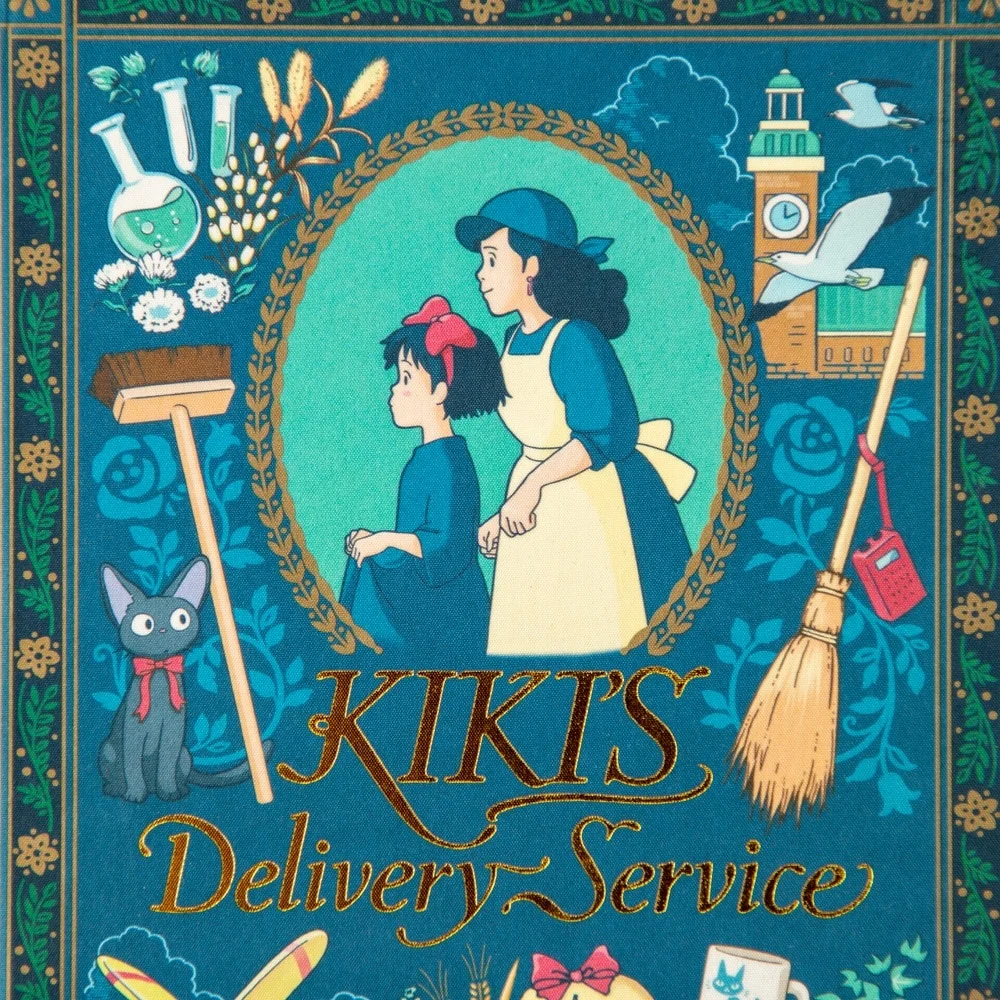
In the world of Studio Ghibli fandom, the distinction between a collector’s item and a piece of functional art has always been porous. For decades, the iconic animation studio has transformed everything from kitchenware to apparel into vessels for nostalgia. Now, Donguri Closet—the boutique sub-brand of the beloved Studio Ghibli specialty retailer Donguri Kyowakoku—has released a piece that challenges the very definition of a book.
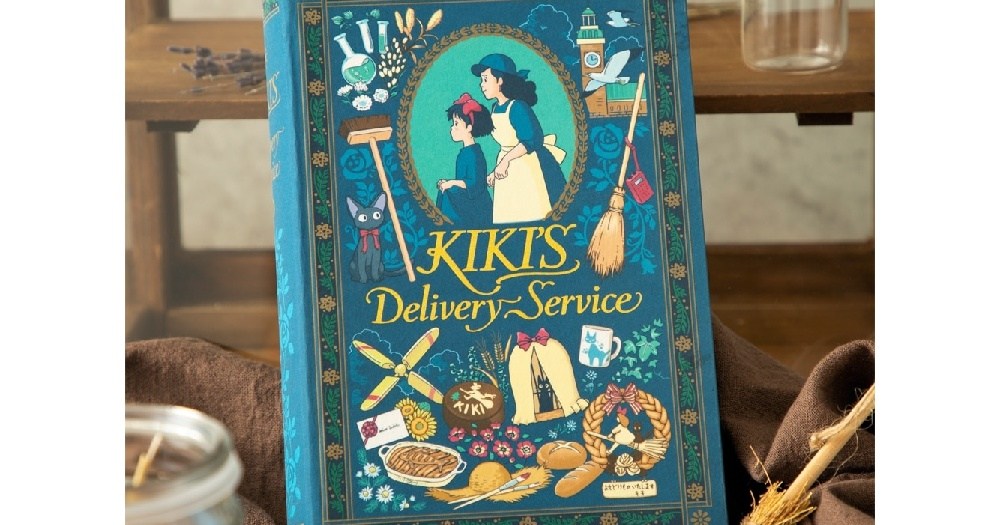
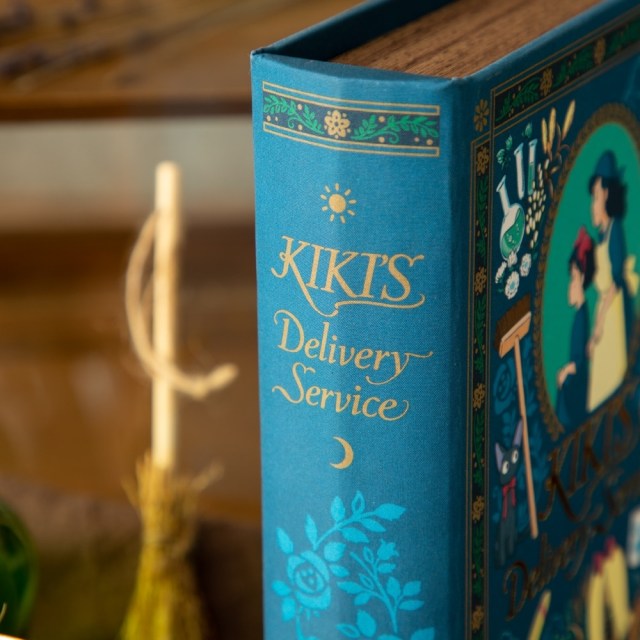
The "Kiki’s Memories Book Case," a beautifully crafted storage solution modeled after the original children’s novel Kiki’s Delivery Service, is currently captivating fans worldwide. While it masquerades as a vintage literary tome, its true purpose lies in its clever, hidden storage capacity, serving as both a sophisticated display piece and a practical organizational tool for the home.
The Core Concept: More Than Meets the Eye
At first glance, the Kiki’s Memories Book Case appears to be a high-end, hardcover edition of Eiko Kadono’s 1985 children’s novel, the literary foundation for Hayao Miyazaki’s 1989 cinematic masterpiece. With its muted, classic aesthetic and intricate cover art, it invites the viewer to reach for it, pull it from a bookshelf, and open it to begin a journey with the young witch, Kiki.
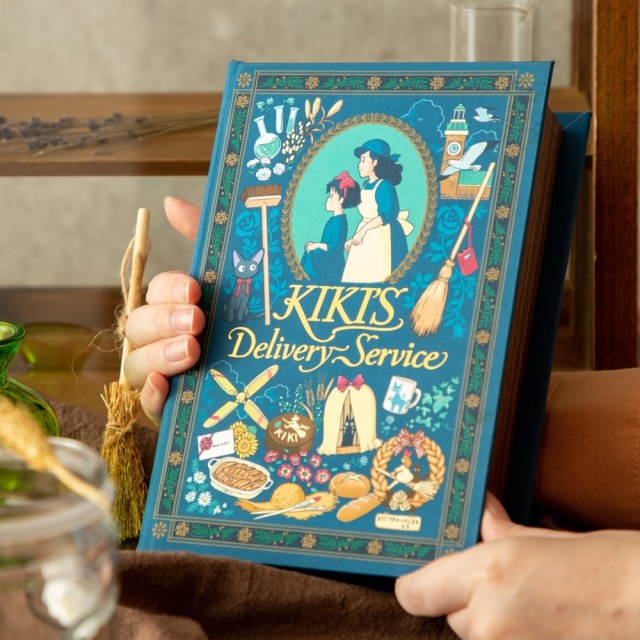
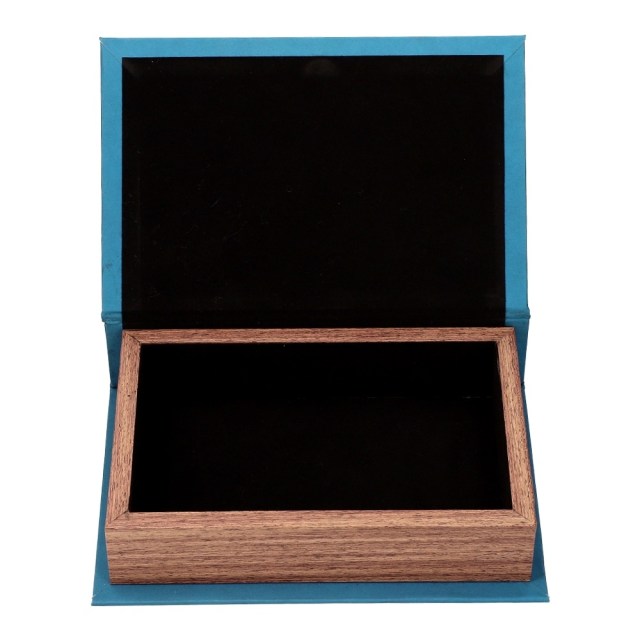
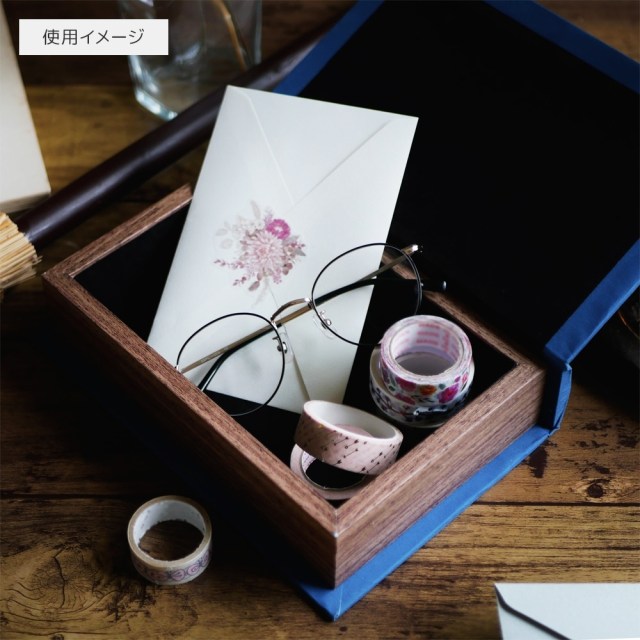
However, the "book" is a complete deception. Constructed from durable, high-quality wooden fiberboard, the item is entirely hollow. Upon opening the magnetic cover, the "reader" is greeted not by printed pages, but by a spacious, lined compartment designed to house everything from stationery and jewelry to secret trinkets and household knickknacks.
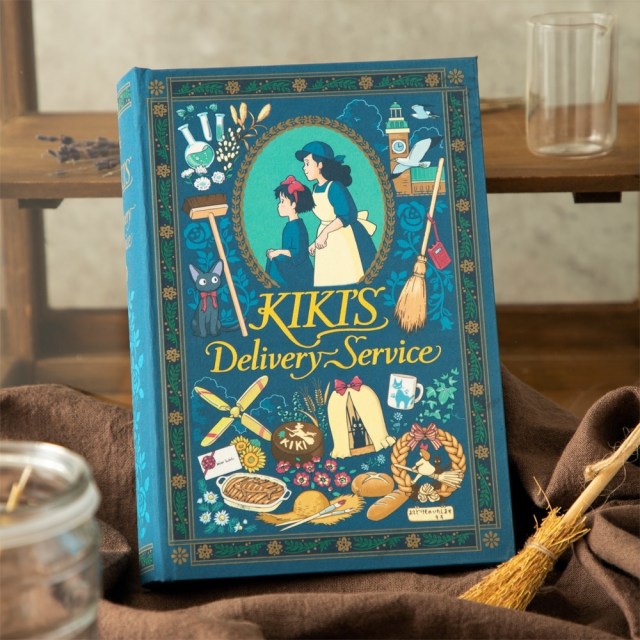
This product occupies a unique space in the lifestyle market: it is "pseudo-literature." It does not require a command of the Japanese language to appreciate, nor does it demand the time commitment of a novel. Instead, it offers an immediate, visual connection to one of the most cherished stories in animation history, functioning as a "memory box" that pays homage to the world of Kiki.
A Chronology of Enchantment: From Novel to Iconic Storage
To understand the appeal of this piece, one must look back at the historical trajectory of the Kiki’s Delivery Service intellectual property.
- 1985: Eiko Kadono publishes the original children’s novel Majo no Takkyūbin (Kiki’s Delivery Service) in Japan. The book becomes a staple of Japanese children’s literature, praised for its whimsical world-building and poignant coming-of-age themes.
- 1989: Studio Ghibli adapts the novel into a feature-length film directed by Hayao Miyazaki. The film catapults the story to international fame, cementing the image of Kiki, Jiji the black cat, and the coastal city of Koriko in the global pop-culture consciousness.
- Early 2020s: Donguri Kyowakoku expands its offerings by launching Donguri Closet. This brand focuses on "fashionably minded" merchandise that leans into a more mature, aesthetic, and "lifestyle-oriented" design language, moving away from standard character merchandise toward interior design pieces.
- 2026 (Recent Development): The "Kiki’s Memories Book Case" experiences a surge in popularity following a restock at the Donguri Kyowakoku online store. The product is identified as a "must-have" for fans who want to integrate their love of Ghibli into their home decor without it looking like a child’s toy.
Supporting Data and Design Analysis
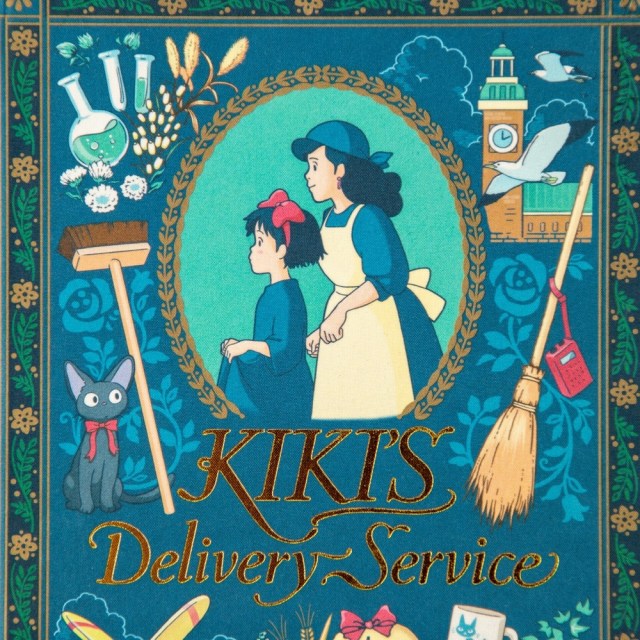
The brilliance of the Kiki’s Memories Book Case lies in its attention to narrative detail. For the casual observer, the illustrations on the cover may seem like a charming, albeit random, collection of magical objects. For the devotee, however, the cover acts as a visual timeline of the film’s most pivotal moments.
The Visual Narrative
The design team at Donguri Closet has curated the cover illustrations to guide the viewer through the narrative arc:
- The Origins: The top-left corner features the potions and tools associated with Kiki’s mother in their hometown, representing the protagonist’s departure and her roots in magic.
- The Journey: Moving clockwise, the eye is drawn to the iconic clocktower of the city where Kiki establishes her delivery service—a symbol of the independence and challenges she faces in her new life.
- The Life of a Witch: The center and lower sections are populated with delivery parcels, ribbons, and tools of the trade.
- The Climax: The design culminates in the inclusion of a broom—the most potent symbol of Kiki’s identity and her struggle to regain her magical confidence.
The illustration style chosen for the case is notably subdued. By opting for a vintage, slightly weathered, and muted color palette, the designers have ensured that the piece fits seamlessly into a modern, minimalist, or rustic interior. It does not scream "anime merchandise"; it whispers a love for the craft of storytelling.
Official Retail Details and Market Availability
The product is officially marketed as the "Kiki’s Memories Book Case." Despite the high demand, it remains part of the recurring inventory of the Donguri Kyowakoku digital storefront.
- Retail Price: 4,620 yen (approximately $29 USD, depending on current exchange rates).
- Material Composition: Engineered wooden fiberboard.
- Functionality: Magnetic closure, velvet-lined interior, sturdy construction for long-term storage.
- Distribution: Primarily available via the official Donguri Kyowakoku online store, with international shipping options available through select proxy services that cater to Ghibli collectors globally.
The Implications: A Shift Toward "Ghibli Interior Design"
The success of the Kiki’s Memories Book Case reflects a broader shift in how media companies are approaching merchandise for adult fans. There is a growing market for "lifestyle-integrated" goods—products that allow fans to express their identity through their environment rather than through wearable apparel or plush toys.
By creating products that mimic household items—like this "book" that functions as a box—Studio Ghibli is tapping into the "cozy" interior design trend. Fans who grew up watching Kiki’s Delivery Service in the 90s are now adults with their own homes and offices; they are looking for ways to curate their spaces with items that feel nostalgic but remain sophisticated.
Why This Matters
The implication of this product strategy is significant. It moves the Ghibli brand from the realm of "entertainment merchandise" to "interior decor." The Kiki’s Memories Book Case is not merely a box; it is a declaration of taste. It signals to guests that the owner appreciates the artistry of the source material while maintaining a standard for home aesthetics.
Furthermore, it challenges the consumer to reconsider their own belongings. By putting everyday items—pens, receipts, keys, or jewelry—inside a "story," the user is invited to participate in the magic of the film on a daily basis. The box essentially turns mundane, cluttered life into something curated and intentional.
Conclusion: A Testament to Enduring Magic
In an era of digital saturation, physical objects that invite interaction are increasingly rare. The Kiki’s Memories Book Case stands out because it demands to be touched, opened, and filled. It is a bridge between the literary roots of Eiko Kadono’s world and the visual legacy of Studio Ghibli.
Whether one is a long-time collector looking to complete a display shelf or a new fan seeking a subtle way to celebrate the film, the Book Case offers a perfect balance of utility and whim. It serves as a reminder that the best merchandise doesn’t just represent a franchise—it enhances the life of the person who owns it, turning the simple act of storing a pen into a small, magical moment of joy. As the brand continues to expand its "Closet" line, it is likely that we will see more of these "pseudo-literary" inventions, proving that even a simple storage box can hold the weight of a legendary story.











