Asro
Asro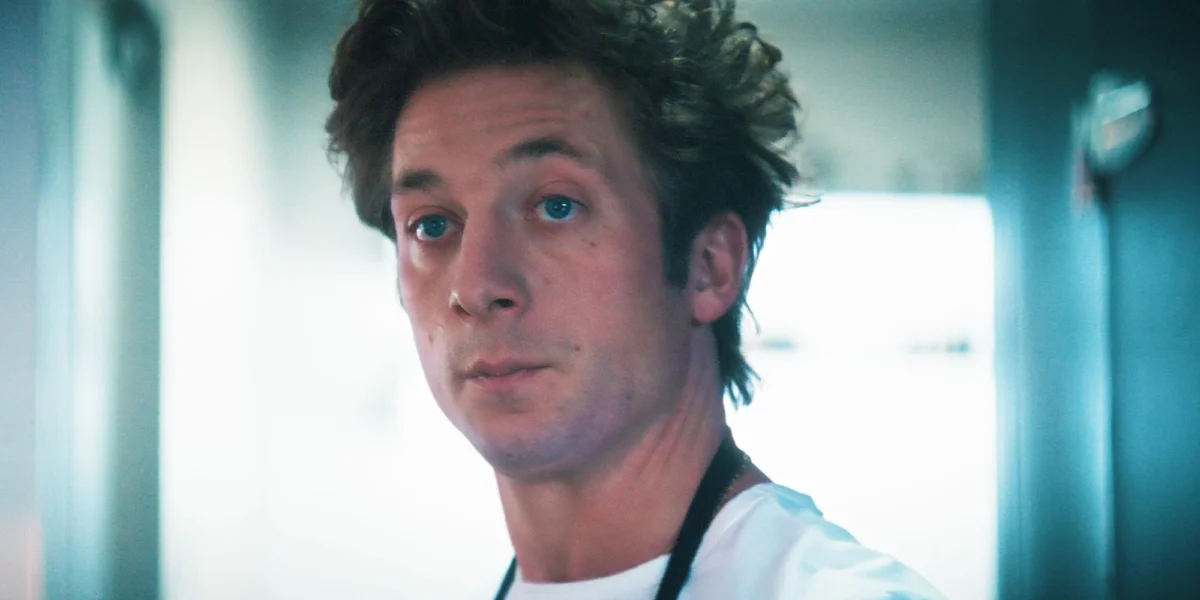
When The Bear first ignited the cultural conversation in 2022, it felt like a lightning-in-a-bottle moment for independent television. The series, centered on the frantic, high-pressure environment of a Chicago sandwich shop turned fine-dining establishment, operated with the raw, scrappy energy of an indie feature film. Its success was built upon the backs of a relatively fresh-faced ensemble—Jeremy Allen White, Ebon Moss-Bachrach, and Ayo Edebiri—who, while accomplished, were not yet the global icons they would eventually become.
However, as the show’s acclaim skyrocketed, so too did its penchant for high-profile celebrity cameos. While the series initially used guest stars to bolster its grounded, dysfunctional narrative, it eventually reached a tipping point where the star power began to threaten the show’s fragile, authentic atmosphere. Now, with the release of The Bear Season 5, the series has course-corrected, favoring deep character development over the distraction of stunt casting.
The Evolution of the Cameo: From Necessary to Excessive
In its infancy, The Bear utilized guest stars with surgical precision. The Berzatto family tree was populated by heavy hitters like Jon Bernthal (Mikey), John Mulaney (Stevie), Bob Odenkirk (Uncle Lee), and Jamie Lee Curtis (Donna). These were not mere cameos; they were fully realized, essential components of the show’s central trauma. Similarly, the appearance of Olivia Colman and Joel McHale provided the necessary narrative friction to push Carmy toward his breaking point. These actors brought a gravitas that served the story’s dark, kitchen-floor realism.
However, by the time the series reached its middle seasons, the strategy shifted. The cameos became a "gimmick," a recurring distraction that pulled viewers out of the immersion of the kitchen. The introduction of John Cena and Brie Larson as extended members of the "Faks" clan felt like a departure from the show’s gritty roots. Even the inclusion of Josh Hartnett as Tiffany’s fiancé, while performed with charm, required a suspension of disbelief that felt at odds with the show’s established tone. The influx of famous faces began to make the world of The Bear feel smaller, as if everyone in Chicago were a Hollywood celebrity.
The production seemed to acknowledge the danger of this trend: the show reached a point where the mere presence of a famous face became more memorable than the character’s actual dialogue or contribution to the plot. Season 5’s decision to narrow its scope and focus on its core ensemble is, in retrospect, the most vital creative choice the writers could have made.
Grounded Realism vs. The Celebrity Distraction
The genius of The Bear has always been its ability to depict the "trench warfare" of the culinary industry. It is a show about the monotony, the heat, the burns, and the unbreakable bonds formed in the weeds of service. When a recognizable superstar walks into that frame, the spell is broken. The audience stops thinking about the stakes of the dish and starts thinking about the actor’s filmography.
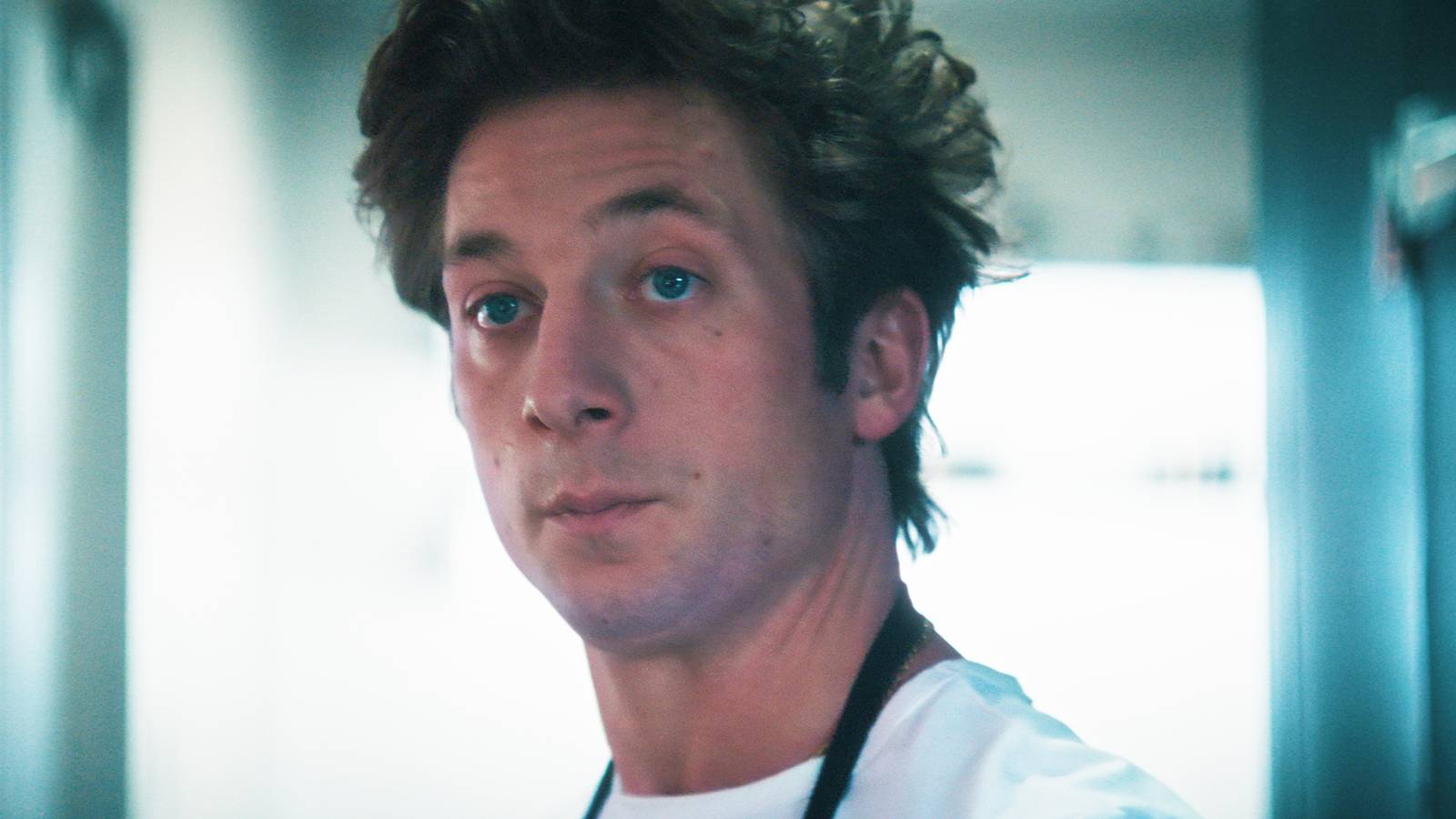
This is particularly noticeable when the show indulges in "insider" humor. When screenwriter Brian Koppelman appears on screen, following a scene where a poster for his film Rounders is prominently displayed, it becomes an Easter egg for the sake of an Easter egg. It’s a clever wink, but it contributes nothing to the emotional stakes of the restaurant.
Interestingly, the show’s most effective use of "celebrity" is entirely meta: the cardboard standee of Paul Rudd. It is a joke that highlights the absurd, performative nature of the restaurant industry without requiring the actual actor to show up and break the fourth wall. The restraint shown in Season 5—where the narrative takes place largely over the course of one high-tension night—prevents these distractions from taking hold. There is simply no room for celebrity indulgence when the kitchen is on fire.
Deepening the Bench: Character Development in Season 5
The pivot in Season 5 is not just about excluding stars; it is about reinvesting in the established talent. By allowing characters like Jimmy (Oliver Platt) and Luca (Will Poulter) to have space, the show proves that "star power" is not the only way to generate compelling drama.
Oliver Platt’s performance in the latest season is a masterclass in understated acting. His apology to Carmy is one of the most resonant moments in the entire series—a quiet, heavy scene that explores shared familial trauma without needing the fanfare of a big-name guest appearance. Similarly, the rapport between Will Poulter’s Luca and Lionel Boyce’s Marcus has been a slow-burn highlight. The chemistry between them is not a result of their status as actors, but of the writing, which has allowed their relationship to evolve organically over several seasons.
By focusing on these internal arcs, Season 5 proves that the audience’s emotional investment is in the Berzatto family and the staff of the restaurant, not in who might pop up for a thirty-second scene.
The Exceptions: When Guest Stars Actually Work
It is worth noting that not all guest appearances in Season 5 were superfluous. The show still possesses the ability to use lesser-known but highly capable actors to drive the plot forward.

Peter Grosz’s appearance as a skeptical customer mistaken for a food critic is a standout performance. It provides a moment of genuine tension and humor that feels earned within the episode’s context. Had this role been filled by a major Hollywood A-lister, the "will-they-or-won’t-they-know" dynamic would have been lost to the audience’s prior knowledge of the actor. By utilizing character actors, the show maintains its mystery.
Deirdre O’Connell’s turn as Mary, the building’s owner, is another successful example of casting. Coming off the back of high-profile projects like The Penguin and Eddington, O’Connell brings a weary, grounded authority to the role that feels like a natural extension of the show’s world, rather than a flashy cameo. These performances underscore the reality that The Bear is at its best when its casting choices feel like authentic pieces of a larger, lived-in puzzle.
Implications for the Future of the Franchise
As The Bear moves into its final chapters, the lesson of Season 5 is clear: the series does not need to be a parade of famous friends to succeed. The thematic development of the main cast—seeing them come full circle from their humble, panicked beginnings in Season 1 to the seasoned professionals they are now—is the true engine of the show.
The finale’s birthday party scene serves as the perfect synthesis of the show’s journey. By bringing back previous guest stars, the show acknowledges its history without letting that history overwhelm the narrative. It functions as a "side dish" to the "main course" of the core ensemble’s resolution.
In the competitive landscape of modern streaming, it is easy to see why productions fall into the trap of over-relying on cameos to drive engagement. But The Bear has proven that the most compelling story is the one that remains tethered to the people who started the fire. By returning to its roots, the series has ensured that its legacy will be defined by its characters, not by its guest list. For the staff of the restaurant, the path forward is clear: focus on the food, the service, and the family—everything else is just noise.

 Siti Muinah
 Lina Hope