Raul Delapena Setiawan
Los Angeles, CA – July 4, 2026 – The anime world held its collective breath as Bleach: Thousand-Year Blood War – The Calamity, the highly anticipated final chapter of Tite Kubo’s iconic saga, made its electrifying debut at Anime Expo. Following a brief but impactful theatrical run across the United States, the first episode premiered to a fervent audience, offering a tantalizing glimpse into the climactic battle that will determine the very fabric of existence within the Bleach universe. More than just another season, "The Calamity" stands as the culmination of a groundbreaking revival that has not only reignited fan passion but has also dramatically redefined expectations for long-running shonen adaptations, setting new benchmarks for animation, direction, and cinematic presentation.
The series, which officially premieres for wider audiences on July 25th via Disney Plus internationally and Hulu in the U.S., dives headfirst into the ultimate confrontation. Yhwach’s relentless assault has pushed the Soul Society to the precipice of annihilation, threatening to shatter the delicate balance between worlds. Every surviving captain, Sternritter, and allied force is drawn into a sprawling, desperate conflict where the stakes are nothing less than reality itself. At the heart of this maelstrom is Ichigo Kurosaki, the Substitute Soul Reaper, who must navigate impossible choices as the war reaches its inevitable, devastating endgame.
This remarkable return to form is largely attributed to the dedicated efforts of Pierrot Films, operating under a specialized studio label crafted to deliver a premium production far exceeding the original television run’s capabilities. Chief series director Tomohisa Taguchi, reuniting with series director Hikaru Murata, has been instrumental in shaping this visually ambitious narrative. Their collaborative vision, coupled with Shiro Sagisu’s booming orchestral score and Masashi Kudo’s meticulously faithful character designs, has imbued Bleach with an aesthetic grandeur typically reserved for high-budget feature films rather than episodic anime. The consensus among critics and fans alike is that "The Calamity" is poised to solidify Bleach‘s legacy not just as a foundational shonen pillar, but as a masterclass in modern anime production.
Chronology: The Revival’s Resurgent Journey
The path to "The Calamity" has been a winding one, marked by a decade-long hiatus that left fans yearning for the conclusion of Ichigo Kurosaki’s epic. The journey of Bleach: Thousand-Year Blood War represents one of the most remarkable comebacks in anime history, transforming a beloved yet sometimes criticized adaptation into a universally lauded masterpiece.
The Decade-Long Hiatus and Lingering Questions
The original Bleach anime, which captivated audiences worldwide with its unique blend of samurai action, spiritual lore, and stylish character designs, concluded its initial run in 2012. While immensely popular, its final seasons were often plagued by extensive filler arcs and a gradual decline in animation consistency, leading to a bittersweet farewell for many. Crucially, the anime concluded before Tite Kubo’s manga had finished its final arc, "The Thousand-Year Blood War." This left a gaping void for fans, who were forced to turn to the manga to experience the definitive ending of the story. For years, the hope for an anime adaptation of this final arc remained a distant dream, a fervent whisper among the fanbase, a testament to the unresolved potential of a true shonen titan. The absence of a proper anime conclusion left the series’ legacy somewhat incomplete in the minds of many, despite the manga’s powerful finish.
The Return: Thousand-Year Blood War Part 1 – A New Standard
The tides turned dramatically in 2020 when, to the astonishment and overwhelming joy of its global fanbase, an anime adaptation of "The Thousand-Year Blood War" was officially announced. This revelation promised to adapt the manga’s final arc in its entirety, finally bringing Kubo’s ultimate vision to the screen. When Bleach: Thousand-Year Blood War Part 1, titled Cour 1: The Blood Warfare, premiered in October 2022, it was immediately clear that this was not merely a continuation but a complete reinvention. The production quality was astonishing, featuring breathtaking animation, fluid action sequences, and a meticulous attention to detail that honored Kubo’s artwork in unprecedented ways.
Fans and critics alike were quick to praise the new series for its faithfulness to the source material, its mature tone, and its willingness to embrace the darker, more brutal aspects of the final war. The initial episodes set a formidable standard, demonstrating a clear commitment from Studio Pierrot and the production team to deliver a premium experience. The new label, Pierrot Films, signaled a departure from previous production models, allowing for greater resources and creative freedom to elevate the series to cinematic heights. This immediate impact silenced any lingering doubts about the revival’s potential, transforming cautious optimism into widespread euphoria.
Building Momentum: Subsequent Cours and Narrative Elevation
The success of Part 1 was not a fluke. Subsequent seasons, including Cour 2: The Separation and Cour 3: The Conflict, consistently raised the bar, demonstrating an unwavering commitment to quality. Each new installment was met with critical acclaim for its continued visual splendor, dynamic fight choreography, and compelling character development. The directorial choices, particularly under Tomohisa Taguchi, became a signature of the revival, favoring striking compositions and a deliberate pacing that allowed both intense action and quiet emotional moments to resonate deeply.
Crucially, the anime began to actively address some of the criticisms leveled against the manga’s pacing in its later stages. With Tite Kubo’s direct involvement and oversight, the production team incorporated new scenes, expanded on existing moments, and fleshed out character backstories and motivations that were either rushed or briefly touched upon in the original manga. This collaborative approach not only enriched the narrative but also provided a more cohesive and emotionally satisfying experience for viewers, solidifying the anime’s reputation as the definitive version of the "Thousand-Year Blood War" arc. This meticulous refinement ensured that each passing cour built anticipation exponentially for the ultimate climax.
The Road to The Calamity: Peak Expectations
As The Calamity approached its premiere, the anticipation reached a fever pitch. The previous cours had successfully re-established Bleach as a top-tier shonen anime, lauded for its artistic integrity and relentless pursuit of excellence. The theatrical release of the first episode prior to its streaming debut further underscored the cinematic ambitions of the production, treating it with the reverence of a major blockbuster film. This strategic move allowed fans to experience the grand scale and visual majesty of "The Calamity" on the biggest screen possible, building an unparalleled level of excitement for what promises to be an unforgettable conclusion. The stage was perfectly set for Ichigo and his allies to face their greatest challenge, with the animation quality and storytelling prowess at their absolute peak.
Supporting Data: A Masterclass in Adaptation
The critical and popular success of Bleach: Thousand-Year Blood War stems from a meticulous approach to adaptation, characterized by a commitment to visual excellence, auditory richness, and narrative enhancement. "The Calamity" continues this tradition, offering a premiere episode that exemplifies the pinnacle of modern anime production.
Visual Spectacle and Direction: The Taguchi Touch
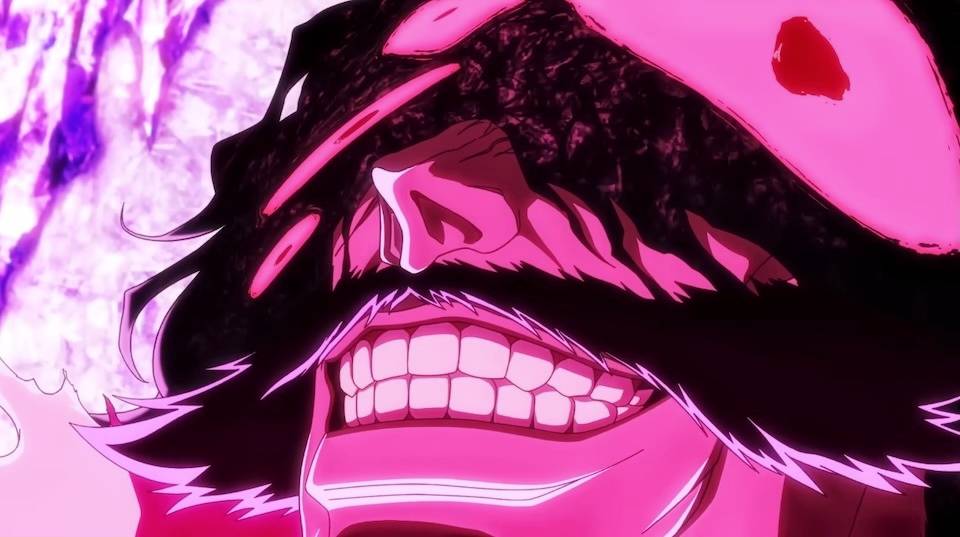
At the heart of the revival’s aesthetic triumph is chief series director Tomohisa Taguchi. His influence is palpable throughout Thousand-Year Blood War, and the first episode of "The Calamity" showcases his craft at its most refined. Taguchi favors striking compositions that often feel like animated stills from a high-art graphic novel, meticulously framed to maximize emotional impact and visual grandeur. His direction employs a restrained pacing that allows moments of tension and character interaction to breathe, only to explode into frenetic, breathtaking action sequences. This deliberate ebb and flow contributes significantly to the "theatrical sense of scale" that pervades the series, making each episode feel like a segment of a grand cinematic epic.
In "The Calamity’s" premiere, Taguchi flexes his prowess with clever framing and dynamic 360-degree aerial movements. These techniques are not mere stylistic flourishes; they serve to emphasize the vastness and impending ruin of the world, even amidst the tightly focused duels. The visual storytelling extends to the masterful use of color palettes. Battle scenes are amplified by brilliant applications of light blues and dark purples, creating a vibrant, almost ethereal glow that makes the action pop with life and intensity. This stark contrast against the encroaching darkness of Yhwach’s forces elevates the visual drama, transforming mere fights into spectacles of light and shadow, destruction and determination. The overall effect is an anime that consistently feels closer to a prestige action film than a standard weekly television series, a testament to the extraordinary attention to detail in every frame.
Sound and Character Authenticity: The Immersive Experience
Complementing the visual feast is an equally impressive auditory landscape. Shiro Sagisu’s booming orchestral score remains a cornerstone of Bleach‘s identity, and in Thousand-Year Blood War, it reaches new heights of epic grandeur. His compositions expertly underscore the emotional weight of character moments and amplify the adrenaline of battle, creating an immersive experience that resonates deeply with viewers. The music is not just background; it is an active participant in the storytelling, guiding the audience through moments of despair, triumph, and raw power.
Masashi Kudo’s faithful character designs are another crucial element contributing to the series’ authenticity. For longtime fans, seeing their beloved characters rendered with such accuracy and dynamic fluidity is a source of immense satisfaction. The designs retain the iconic stylistic flair of Tite Kubo’s manga while being enhanced by the animation’s expressive capabilities. This commitment to visual fidelity ensures that the characters feel familiar yet simultaneously fresh and vibrant.
The sound design in "The Calamity’s" first episode is particularly noteworthy. During Yoruichi’s pivotal battle, the "incredible sound design" transforms her signature Shunkō: Raijin Senkei attack into an auditory marvel. The crackle of spiritual energy, the percussive impact of her blows, and the resulting massive explosion as Askin Nakk Le Vaa is sent flying backward, all combine to create a visceral, bone-rattling experience. Every clash of swords, every burst of reiatsu, and every character’s exertion is rendered with a clarity and power that pulls the viewer directly into the heart of the conflict.
Narrative Refinement: Beyond the Manga
Perhaps one of the most significant contributions of the Thousand-Year Blood War anime revival, and one that "The Calamity" looks poised to continue, is its approach to narrative refinement. The original manga’s final arc, while epic in scope, was famously criticized for feeling rushed in certain sections, particularly towards its conclusion. The anime has systematically addressed this by incorporating new scenes and expanding on existing material, all developed in close collaboration with Tite Kubo himself. This unique partnership has allowed the production team to "smooth over some of the manga’s famously rushed final stretch," filling in narrative gaps, clarifying motivations, and enriching the overall storytelling.
This proactive approach means that The Calamity is positioned to offer "the most complete version of Bleach’s ending yet." It’s not just an adaptation but an evolution, providing deeper context and more satisfying resolutions to plotlines and character arcs that might have felt abbreviated in the original source material. This dedication ensures that the series maintains its trademark mix of "stylish swordplay, supernatural spectacle, and emotionally charged character payoffs," while delivering a more robust and coherent narrative experience. For both new viewers and longtime manga readers, this promises a definitive conclusion that truly honors Kubo’s initial vision.
First Episode Highlights: A Glimpse into the Chaos
The premiere episode of The Calamity wastes no time in plunging viewers into the escalating chaos. Director Taguchi’s command of the visual narrative is immediately evident as Renji Abarai, the steadfast lieutenant of Squad 6, makes a heroic stand. His duel against one of Yhwach’s elite Quincy is fraught with peril, amplified by the dynamic interplay of light blues and dark purples that make the spiritual energy and destructive power vividly apparent. Renji’s desperate struggle to buy Ichigo time is not just a display of strength but a poignant moment of loyalty and sacrifice, making the stakes feel incredibly personal.
This intense confrontation is expertly juxtaposed with Ichigo Kurosaki, Yasutora "Chad" Sado, and Orihime Inoue’s own battle against formidable stone statues guarding the path to the Royal Palace. This multi-front assault highlights the overwhelming nature of Yhwach’s forces and the sheer scale of the conflict.
However, it is Yoruichi Shihōin, the revered Flash Goddess, who truly steals the show in this premiere. Her moment to shine is brilliantly animated, showcasing her unparalleled speed and martial prowess. The activation of her signature attack, Shunkō: Raijin Senkei, is rendered with stunning detail, framed against the dark, ominous blacks overhanging the royal palace. The raw power of her technique, combined with the "incredible sound design" that punctuates every strike, culminates in a massive explosion that sends the formidable Sternritter Askin Nakk Le Vaa reeling. This gripping sequence is a testament to the animation team’s dedication to making every power display a visually arresting spectacle. Amidst the intense action, the episode also offers a brief, welcome moment of levity. Yoruichi and Kisuke Urahara share a quiet, characteristically flirtatious exchange that is abruptly, and humorously, interrupted by Askin’s unexpected Gift Ball Deluxe attack. This blend of high-octane action with well-timed comedic beats provides a brief respite, reminding viewers of the beloved character dynamics that have long defined Bleach. The episode concludes on this powerful note, serving as an "incredible first start" to what is already being hailed as one of the year’s most compelling anime seasons.
Official Responses and Industry Impact
The journey of Bleach: Thousand-Year Blood War has been more than just a successful anime revival; it has become a case study in how to meticulously adapt beloved source material while simultaneously elevating it. This achievement has garnered significant official acknowledgment and has had a tangible impact on the broader anime industry.

Statements from Creators and Producers: A Commitment to Excellence
While direct quotes are not always public, the consistent quality and narrative enhancements evident in Thousand-Year Blood War speak volumes about the dedication of its creators. The formation of the specialized Pierrot Films label for this project was a clear signal of the studio’s intent to invest heavily in a premium production. Chief series director Tomohisa Taguchi, in various interviews and behind-the-scenes features, has consistently emphasized the team’s commitment to honoring Tite Kubo’s vision while taking advantage of the anime medium’s unique capabilities. The direct involvement of Tite Kubo himself in the scriptwriting and planning process for new and expanded scenes underscores a rare level of creative collaboration between mangaka and anime production staff. This synergy ensures that every addition and alteration serves to strengthen the narrative and characters, rather than detract from them. The consistent delivery of high-quality animation, sound design, and faithful adaptation is, in itself, the most profound official response to fan expectations – a testament to a production team operating at the peak of its powers.
Fan Reception and Critical Acclaim: A Legacy Redeemed
The fan reception to Bleach: Thousand-Year Blood War has been overwhelmingly positive, bordering on euphoric. After a decade of waiting, the revival has not only met but frequently exceeded the lofty expectations of its dedicated fanbase. Social media platforms, anime forums, and fan conventions are abuzz with praise for the series’ stunning animation, brutal action, and the narrative depth it has brought to the final arc. Many long-time followers of the series feel that the anime has successfully redeemed some of the perceived shortcomings of the manga’s conclusion, solidifying Bleach‘s place as a shonen titan alongside contemporaries like One Piece, Naruto, and Dragon Ball.
Critics have largely echoed this sentiment, lauding the series for its cinematic quality, mature storytelling, and its ability to balance intense action with poignant character moments. The consistent placement of Thousand-Year Blood War on "best anime of the season" lists and its high ratings on aggregate sites underscore its critical success. It has become a benchmark for how to successfully revive and conclude a major franchise, proving that patience and meticulous production can yield extraordinary results.
Influence on Anime Production: A New Paradigm?
The unprecedented success of Bleach: Thousand-Year Blood War carries significant implications for the wider anime industry. It demonstrates the immense value of strategic hiatuses and dedicated production labels. In an era where many long-running shonen series face pressure to produce content continuously, often leading to compromises in animation quality or the introduction of extensive filler, Bleach‘s approach offers an alternative model.
The decision to wait until the manga was complete and then dedicate significant resources and time to a premium adaptation suggests a potential shift towards quality over quantity. This model could influence other major franchises, encouraging studios to take similar pauses to ensure that final arcs are adapted with the reverence and production values they deserve. Furthermore, the active involvement of original manga creators like Tite Kubo in the anime’s narrative expansion sets a high bar for collaborative adaptation, potentially leading to more manga-accurate yet enhanced anime experiences in the future. Bleach: Thousand-Year Blood War has arguably set a new paradigm for how beloved manga series should be brought to their ultimate animated conclusion.
Implications: The Enduring Legacy of Bleach
As Bleach: Thousand-Year Blood War – The Calamity prepares to unfold its final, epic narrative, its implications extend far beyond the immediate thrill of its premiere. It speaks to the enduring power of Tite Kubo’s creation, the transformative potential of a dedicated production team, and the evolving landscape of the anime industry.
Redefining a Classic: A Complete Vision
The revival has undeniably redefined Bleach‘s standing in the pantheon of shonen anime. For years, while celebrated for its style and characters, its anime conclusion felt incomplete. Thousand-Year Blood War has not just completed the story; it has elevated it. By providing a faithful, visually stunning, and narratively enriched adaptation of the final arc, the series has solidified Bleach‘s place as a truly cohesive and impactful narrative from start to finish. It allows both original fans and new viewers to experience the story as Tite Kubo always intended, with the full emotional and thematic weight of his ultimate vision. This complete vision ensures that Bleach‘s legacy will be judged not just on its popular initial run, but on its powerful, meticulously crafted conclusion.
Impact on the Shonen Genre: Pushing Boundaries
Bleach: Thousand-Year Blood War has become a benchmark for how mature themes, complex character arcs, and high-stakes narratives can be executed within the shonen genre. Its willingness to embrace darker tones, explore moral ambiguities, and depict the brutal realities of war has pushed the boundaries of what audiences expect from shonen anime. The series demonstrates that the genre can evolve beyond conventional tropes, offering sophisticated storytelling without sacrificing the exhilarating action and emotional resonance that define it. This influence could encourage other shonen adaptations to experiment with more nuanced narratives and ambitious production values, ultimately enriching the diversity and quality of the genre as a whole.
Future of the Franchise: What Lies Beyond the War?
With the successful conclusion of The Calamity, renewed interest in the Bleach franchise is almost guaranteed. While the "Thousand-Year Blood War" marks the end of Ichigo Kurosaki’s primary narrative, the expansive world of Bleach offers numerous avenues for future exploration. The success of this revival could pave the way for animated adaptations of existing spin-off novels (such as Can’t Fear Your Own World), one-shot manga chapters (like No Breaths From Hell), or even entirely new original stories supervised by Tite Kubo. The vibrant world, rich lore, and beloved cast of characters possess immense potential for continued storytelling, ensuring that the legacy of Bleach may well extend beyond this epic war, perhaps in different forms and formats.
A Fitting Farewell: Honoring Kubo’s Vision
Ultimately, Bleach: Thousand-Year Blood War – The Calamity is poised to deliver a truly epic and satisfying end to Ichigo Kurosaki’s journey. It is a testament to the power of dedicated artistry, unwavering creative vision, and the profound connection between creators and their audience. By meticulously adapting, enhancing, and elevating Tite Kubo’s final arc, the anime ensures that Bleach receives the fitting farewell it always deserved. As the final battle unfolds, "The Calamity" is not just concluding a story; it is cementing the enduring legacy of a series that has captivated millions, leaving an indelible mark on the landscape of anime for generations to come. The stage is set for a climax that promises to be both visually spectacular and emotionally resonant, a true triumph of animation.


 Lina Irawan
 Sagoh
Sagoh