

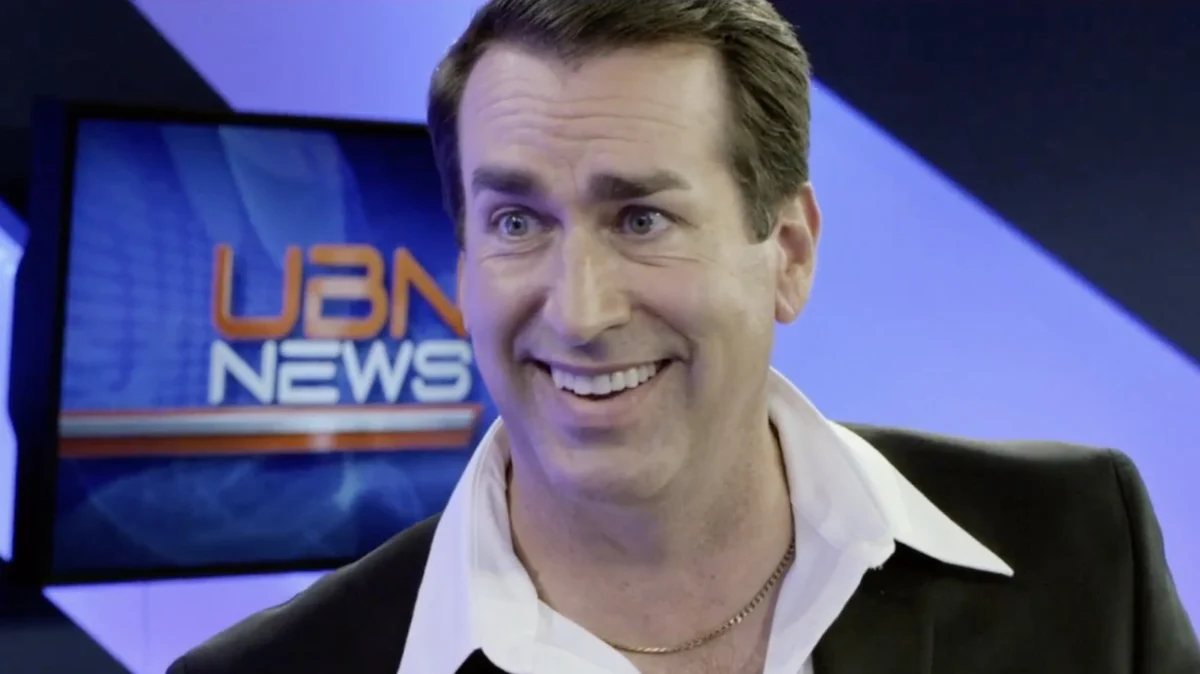
For over two decades, the zombie subgenre has been a cornerstone of horror cinema, ranging from the bleak, claustrophobic dread of George A. Romero’s Night of the Living Dead to the high-octane, global-scale devastation seen in modern hits like World War Z. However, the intersection of zombie media and interactive entertainment has proven far more volatile. While Capcom’s Resident Evil franchise successfully navigated the treacherous waters of film adaptation to become a multi-billion-dollar juggernaut, other properties have faltered in the transition from controller to cinema screen. Perhaps the most peculiar casualty of this "video game movie curse" is the Dead Rising franchise—a series that sold over 19 million units worldwide yet birthed a film legacy that remains largely invisible to the mainstream audience.
The Evolution of an Undead Titan
Capcom’s Dead Rising, first released in 2006, revolutionized the zombie genre in gaming. By placing players in a massive, enclosed shopping mall and providing them with an arsenal of absurd, improvised weapons—ranging from lawnmowers to teddy bears—it offered a unique blend of satire, horror, and sandbox chaos. It was a massive success, spawning multiple sequels and cementing its place as the company’s sixth-most successful property.
Given the inherent cinematic quality of the games—which already utilized a "ticking clock" mechanic and cinematic storytelling—it seemed inevitable that Hollywood would come calling. In June 2014, Legendary Entertainment announced it would be producing a live-action Dead Rising feature. Unlike the blockbusters associated with the Resident Evil name, this was a project built for the digital age, specifically tailored for Sony’s then-rising free streaming platform, Crackle.
Chronology of the "Watchtower" and "Endgame" Era
The trajectory of the Dead Rising films represents a fascinating snapshot of the mid-2010s, a period when traditional studios were frantically attempting to capture the "streaming lightning" that Netflix was beginning to monopolize.
Dead Rising: Watchtower (2015)
Directed by Zach Lipovsky, who had previously helmed the poorly received Leprechaun: Origins, Dead Rising: Watchtower was released in March 2015. The film acted as an interquel, bridging the narrative gap between the video games Dead Rising 2 and Dead Rising 3.
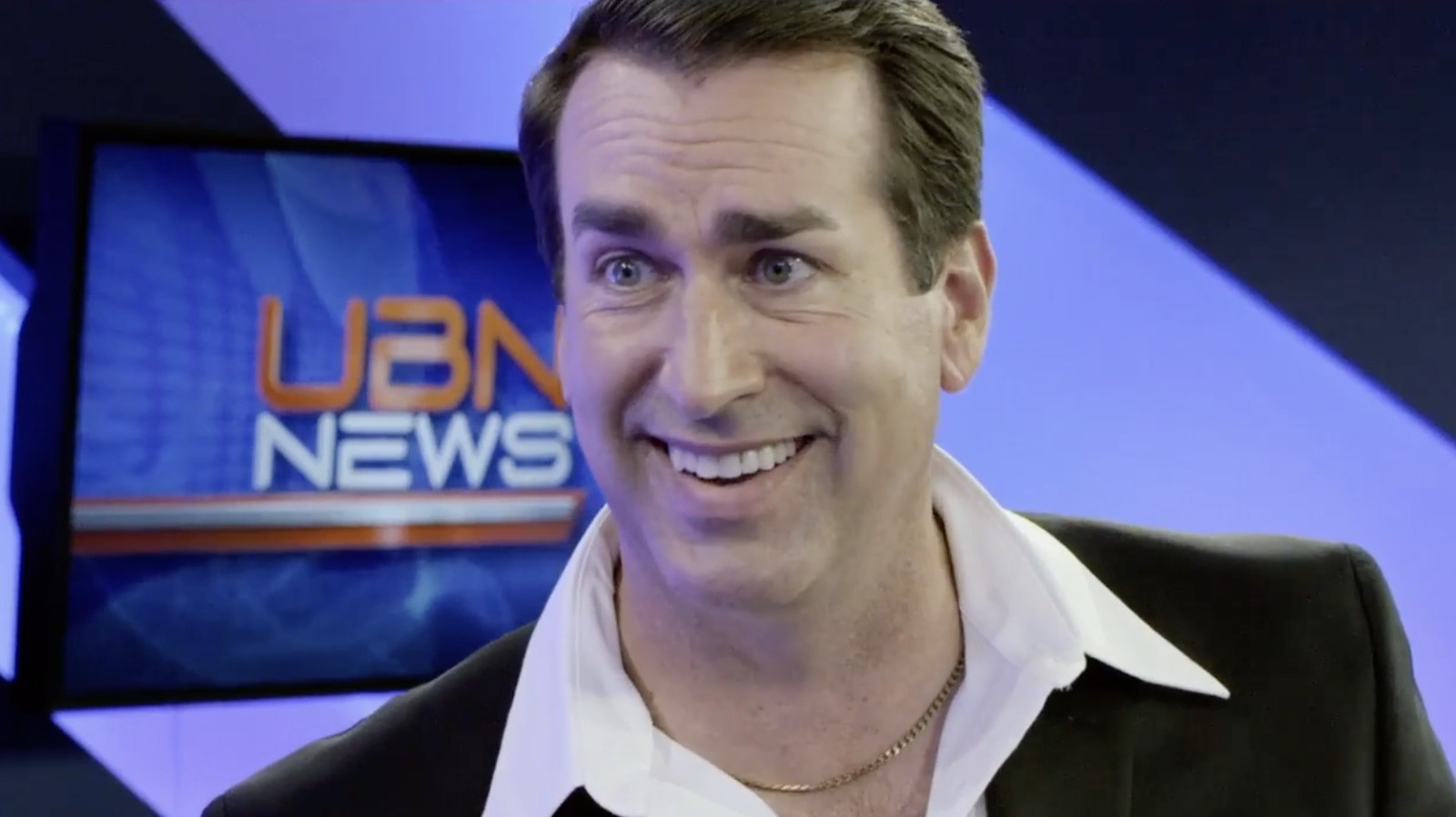
The plot followed journalist Chase Carter (Jesse Metcalfe) and his camerawoman, Jordan (Keegan Connor Tracy), as they navigated a quarantined zone, uncovering a government conspiracy involving the "Zombrex" drug—a plot point familiar to any fan of the games. Despite the pedigree of the source material, the film was hampered by its direct-to-digital budget, resulting in a production that felt more like a extended Syfy original than the spectacle-driven action of the games.
Dead Rising: Endgame (2016)
Despite a lackluster critical reception, the project yielded enough viewership for Crackle to greenlight a sequel. Dead Rising: Endgame, directed by Pat Williams, was released in June 2016. Returning to the lead roles, Metcalfe and Tracy attempted to deepen the conspiracy plot. However, the film suffered from the same limitations as its predecessor: thin characterization, limited visual scope, and a lack of the "absurdist fun" that defined the Dead Rising gaming experience.
Supporting Data and Critical Reception
When examining why these films faded into obscurity, one need only look at the quantitative data. On review aggregator Rotten Tomatoes, Watchtower holds a sparse critical footprint with only four reviews, while maintaining a dismal 33% audience score. Endgame fared even worse, with a 29% audience score and minimal critical engagement.
These numbers highlight a fundamental disconnect. The Dead Rising games are defined by "mass-zombie" technology, where hundreds of undead entities appear on-screen simultaneously. The films, constrained by budget and the limitations of 2015-era digital streaming production, could not replicate the scale of a town overrun by the infected. Instead, the directors were forced to focus on smaller-scale survival horror, which ultimately failed to deliver on the promise of the brand.
Official Perspectives: The Philosophy of "Low Budget, High Freedom"
The creators behind the films were not oblivious to the budgetary constraints. In a 2015 interview with /Film, director Zach Lipovsky framed the low budget not as a hindrance, but as a catalyst for creative autonomy.
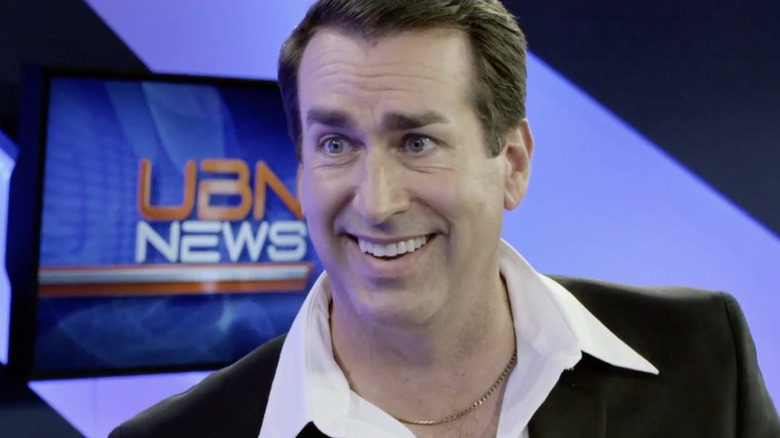
"Obviously, the budget will be smaller, so that presents some challenges in scope, but with less money comes great freedom," Lipovsky noted at the time. "Online, there is no ratings board, there is no run time limit, there are no rules. This is an experiment for Legendary, and they have been incredibly willing to take creative risks. Every crazy idea I’ve had has been met with excitement."
While this perspective reflects the optimism of the early digital streaming era, it arguably misread the audience’s intent. Fans of Dead Rising weren’t looking for the "creative freedom" to tell a gritty, low-budget government conspiracy story; they were looking for the vibrant, over-the-top, B-movie energy that made the games a cultural phenomenon. The "experiment" that Legendary and Crackle undertook was ultimately an attempt to apply a traditional television procedural format to a high-concept action property.
The Broader Implications for Video Game Adaptations
The Dead Rising films serve as a poignant case study in the evolution of video game adaptations. They were released during a "limbo" period in Hollywood—a time after the initial failures of the 90s but before the prestige era of The Last of Us or the box-office dominance of The Super Mario Bros. Movie.
1. The Death of the "Digital-First" Strategy
The Dead Rising films were essentially "content" for a platform (Crackle) that no longer exists. This highlights the risk of tethering a major IP to a specific, unproven distribution model. Today, major studios prefer high-prestige streaming services (like Max or Prime Video) or theatrical releases, recognizing that a recognizable brand requires a significant production budget to maintain audience interest.
2. Fidelity vs. Scope
One of the core failures of the Dead Rising adaptations was the lack of "spectacle." A video game adaptation requires a translation of the "feel" of the game. If the game is about weapon-crafting and mowing down thousands of zombies, a film that limits the carnage to a few dozen zombies in an alleyway will inevitably feel like a betrayal of the source material.
3. The Forgotten Middle-Ground
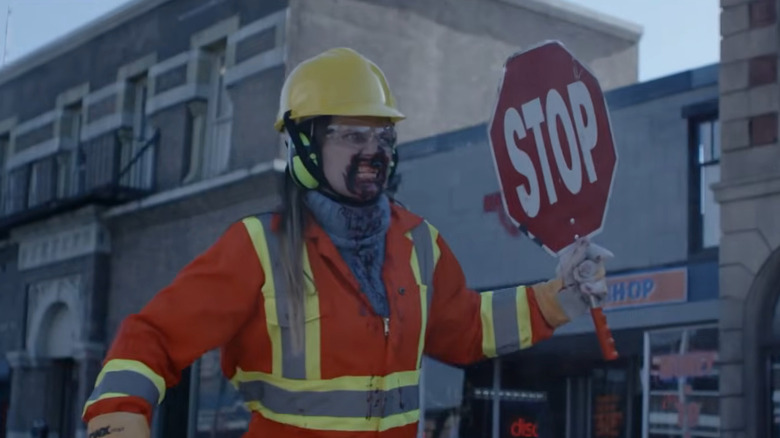
These films exist in a graveyard of intellectual property—projects that were meant to keep a brand "alive" in the public consciousness but ultimately provided little value to the franchise’s longevity. Unlike the Resident Evil films, which established their own identity, the Dead Rising movies tried to emulate the narrative structure of the games without the necessary resources to support the visual requirements.
Conclusion: A Legacy of "What Could Have Been"
For the casual viewer, the existence of Dead Rising: Watchtower and Endgame is a trivia footnote. For the die-hard fan, they remain a reminder of a time when studios were still struggling to find the right formula for bringing digital worlds into reality. While these films may have been forgotten by the masses, they stand as a historical artifact of the early streaming wars.
Today, those interested in witnessing this strange experiment can find both titles on Tubi. They offer a unique, if flawed, look at a franchise that pushed the boundaries of gaming but found itself trapped in a "watchtower" of its own making—stuck between the potential of a massive budget and the realities of a limited digital release. The Dead Rising films may not have been the success Capcom hoped for, but they remain an essential lesson in the delicate art of adapting the interactive into the cinematic.










