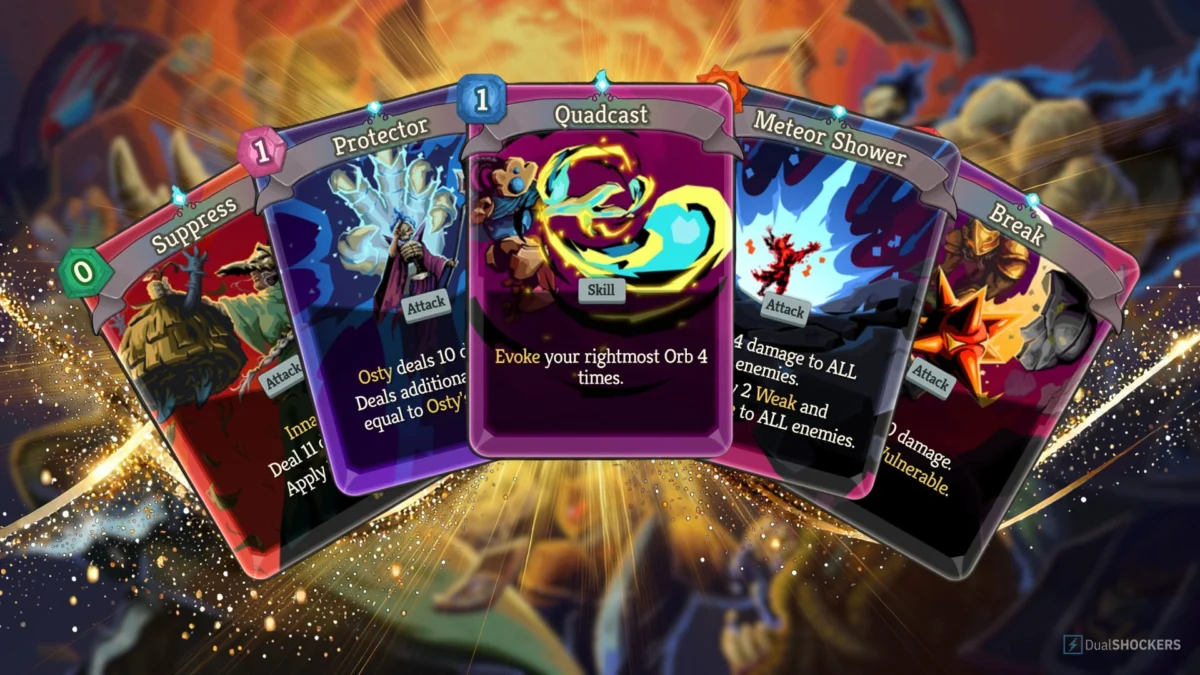
Slay the Spire 2 is, at its core, a game of calculated adaptation. The fundamental mantra shared by the highest-ranking Ascension players is simple: "Don’t force a build." In 99% of your runs, success is found in the grit of taking what the game gives you—patching together a functional deck from suboptimal pieces and eking out a victory through sheer tactical endurance.
However, the beauty of the rogue-like genre lies in the "what if." Sometimes, a single card draft during an early Act 1 event triggers a cascade of inspiration. You find yourself looking at a single, niche piece of cardboard and thinking, “Maybe, just maybe, I can make this the engine of my entire run.”
While these "one-card" builds are often high-risk and occasionally result in spectacular, run-ending failure, they represent the absolute peak of Slay the Spire 2’s replayability. Below, we examine ten cards that serve as the foundation for these high-variance, high-reward archetypes, exploring how to build around them and why, occasionally, the "wrong" choice is the most fun you will ever have.
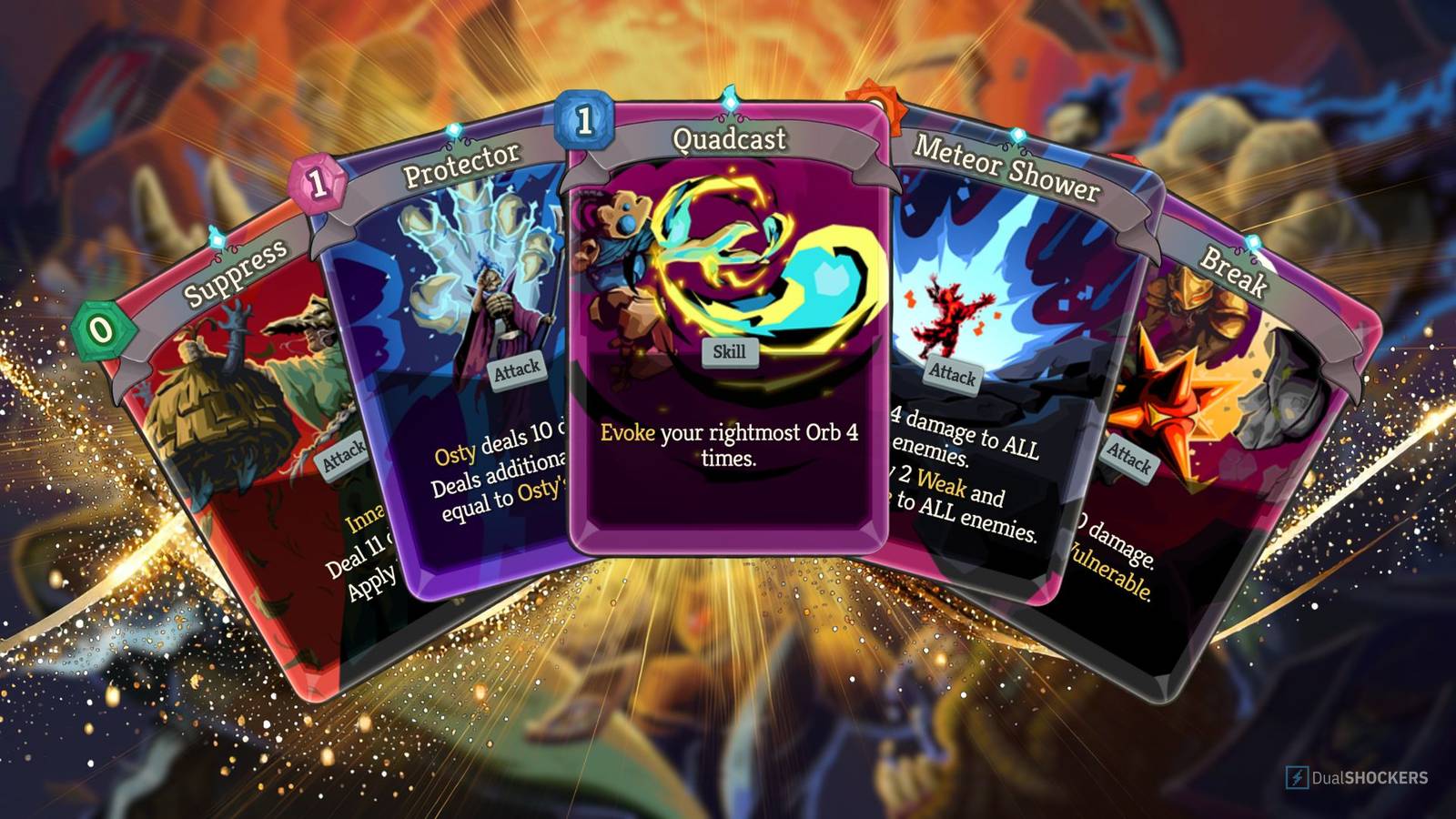
The Philosophy of "Forcing" a Build
Before diving into the list, it is essential to understand the distinction between "meta-climbing" and "experimental play." When pushing for the highest Ascension levels, efficiency is king. But when you are looking to explore the mechanical depth of the game, you must embrace the volatility of the draft.
A one-card build is rarely the most mathematically sound path to victory. Instead, it is a creative exercise. It forces you to re-evaluate common cards that you might otherwise skip. It challenges your resource management, your pathing, and your ability to recognize when a "bad" card is actually the missing piece to a grand, unintended puzzle.
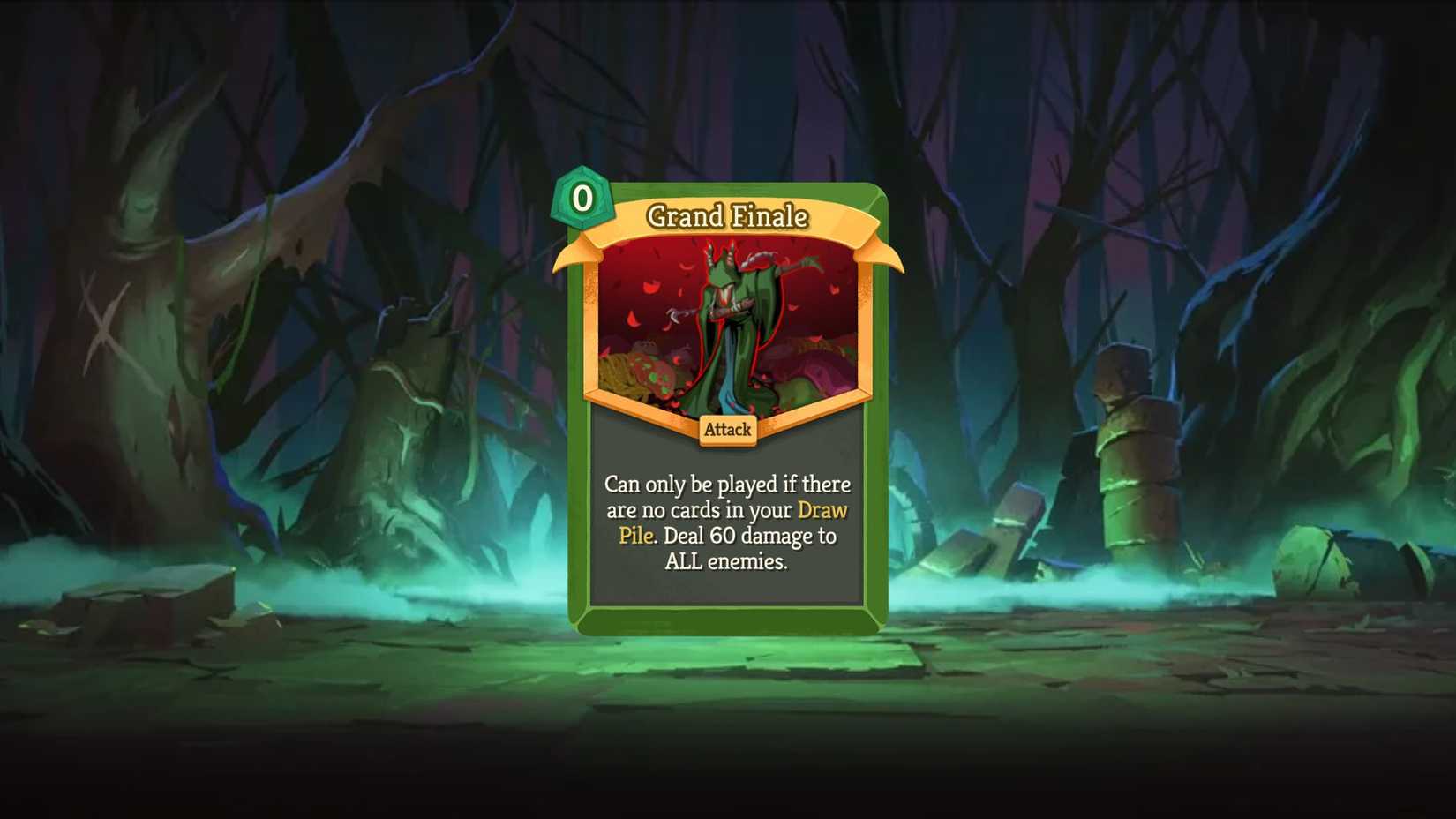
10. Grand Finale: The High-Stakes Finisher
60% of the time, it works every time.

Many veteran players remember Grand Finale from the original Slay the Spire. It was a notoriously difficult card to utilize, and in the sequel, that difficulty remains. Dealing a massive 60 damage to all enemies is game-winning, but the requirement—that your draw pile must be completely empty—is a logistical nightmare.
How to build it: If you draft Grand Finale, your strategy must pivot immediately to deck thinning and precise draw-discard control. Cards like Well-laid Plans or Prepared are non-negotiable. You are effectively playing a game of "deck-size solitaire," where every card you draft must have a purpose or a way to be cycled out of your hand. It is a fragile build, but when the stars align and you clear a room of elites with a single, perfectly timed flourish, the dopamine hit is unmatched.
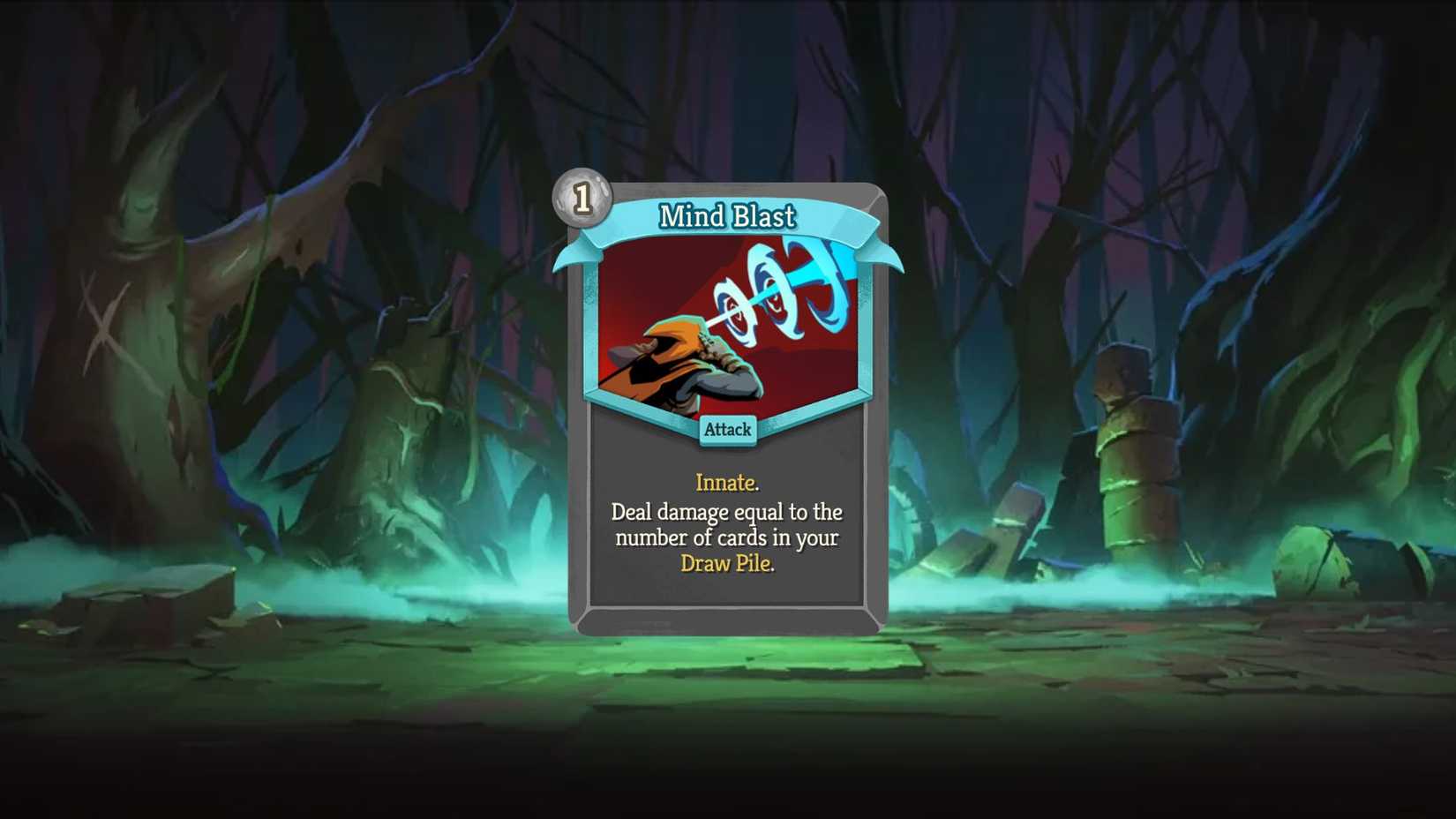
9. Mind Blast: Knowledge is Power
The beauty of the "bloated" deck.
Conventional Slay the Spire wisdom teaches us that a lean deck is a strong deck. You are constantly incentivized to visit shops and cut the "fat" from your card pool. Mind Blast flips this logic on its head.
How to build it: Because Mind Blast deals damage based on the number of cards in your deck, the goal is to go wide. The card possesses the "Innate" keyword, meaning it starts in your hand. If you can duplicate this card or find ways to clone it, you can turn a massive, seemingly unmanageable deck into a first-turn win condition. It is a bizarre, counter-intuitive playstyle that forces you to treasure the cards you would usually delete.
8. The Scythe: A Legacy of Scaling
The reaper comes for us all in the end.
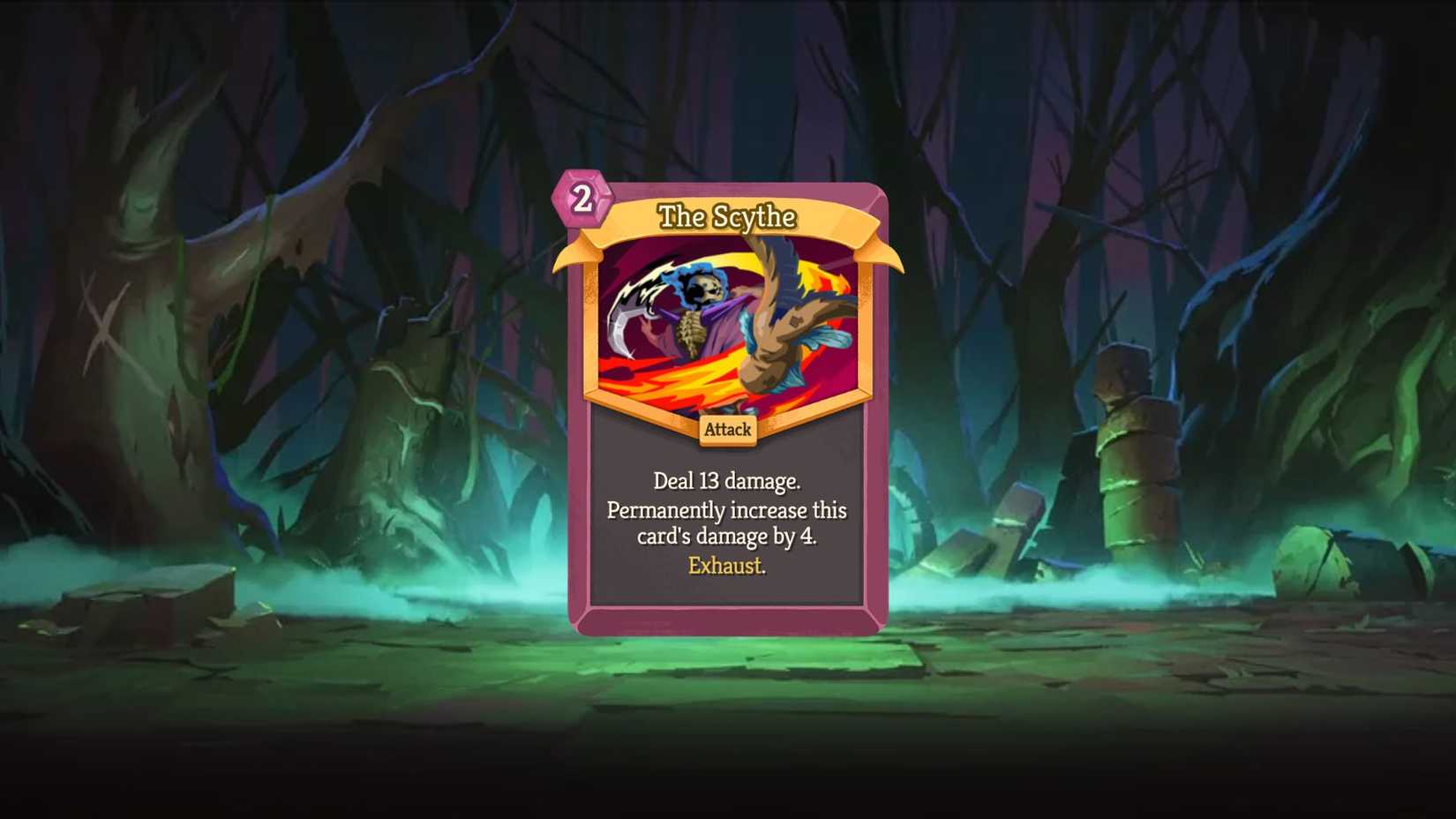
The Scythe is a flavor-rich card that rewards long-term planning. It echoes the scaling mechanics of Searing Blow or the Ritual Dagger from the first game, growing in power every time you use it.
How to build it: The challenge is that the card exhausts. To truly master The Scythe, you need ways to retrieve or replay it. While the Necrobinder class lacks native recursion, cross-class synergies or specific artifacts like Transfigure or Hidden Gem become essential. You are essentially playing a "boss-killer" deck—weak in AoE but capable of generating exponential damage against single targets as the fight drags on.
7. Rolling Boulder: The Passive Powerhouse
Indy would be proud.
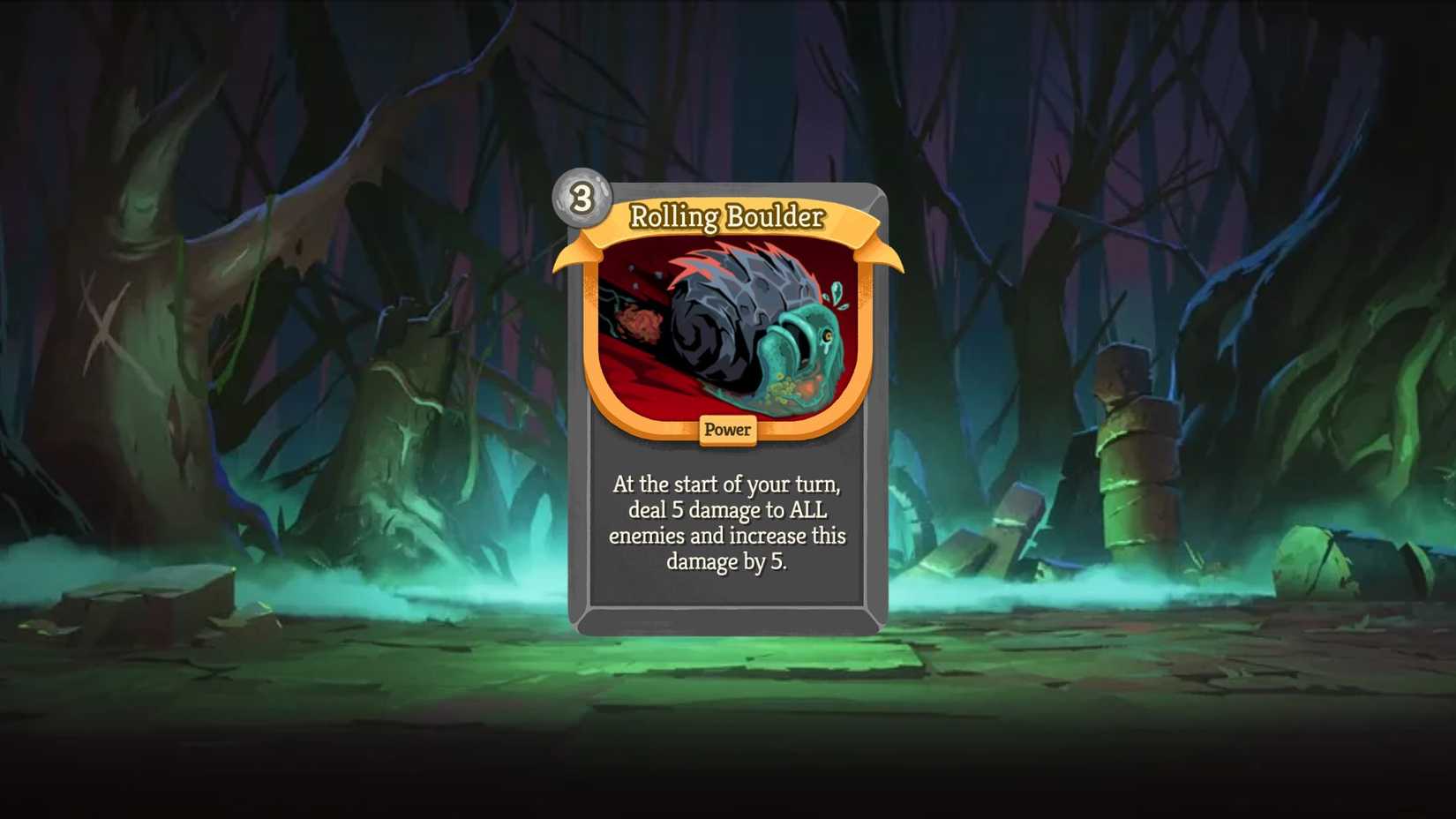
Rolling Boulder is perhaps the most satisfying card to watch in motion. Once played, it begins a feedback loop, gaining damage every turn without requiring further input. It is the ultimate "set it and forget it" win condition.
How to build it: The drawback is a brutal 3-energy cost. To make this work, your deck must become an impenetrable fortress. You need cheap, efficient block cards and, ideally, energy-generation relics. You are playing a stall game: survive the first three turns at all costs, and let the Boulder do the heavy lifting. It is a slow, methodical, and incredibly rewarding build.
6. Flak Cannon: Turning Trash into Treasure
Status management as a weapon.
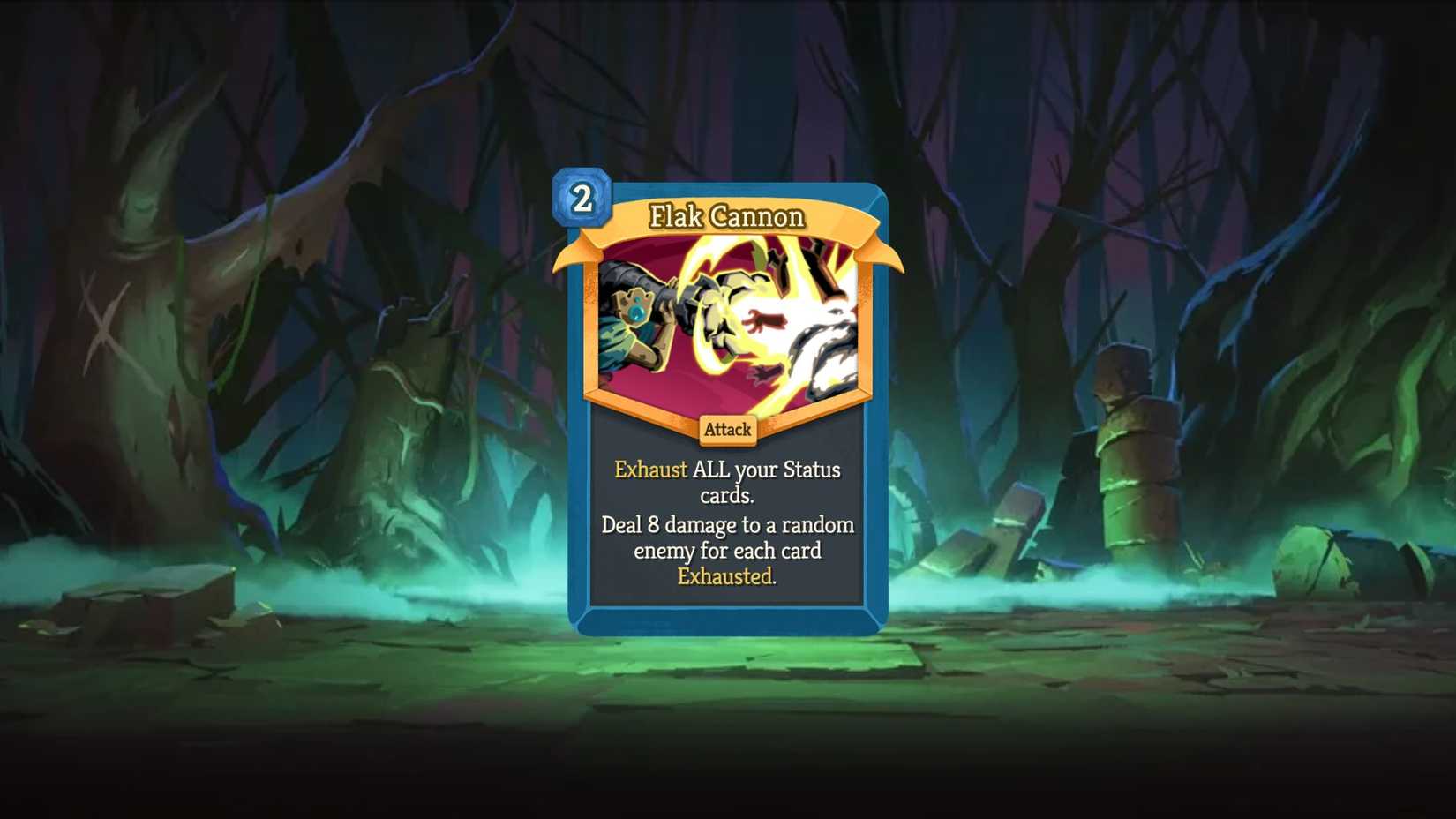
The Defect class in Slay the Spire 2 introduces a fascinating archetype centered around status-generating cards. Flak Cannon acts as the centerpiece of this strategy, turning the "junk" that clutters your hand into high-octane ammunition.
How to build it: You need to aggressively draft cards like Overclock, Gunk Up, and Turbo. While these cards create negative status effects, Flak Cannon converts those effects into damage while cleaning your deck. It creates a self-sustaining cycle where you are rewarded for playing "bad" cards, effectively turning the game’s obstacles into your primary offensive tools.
5. Hang: Simple, But Effective
The recursive nightmare.
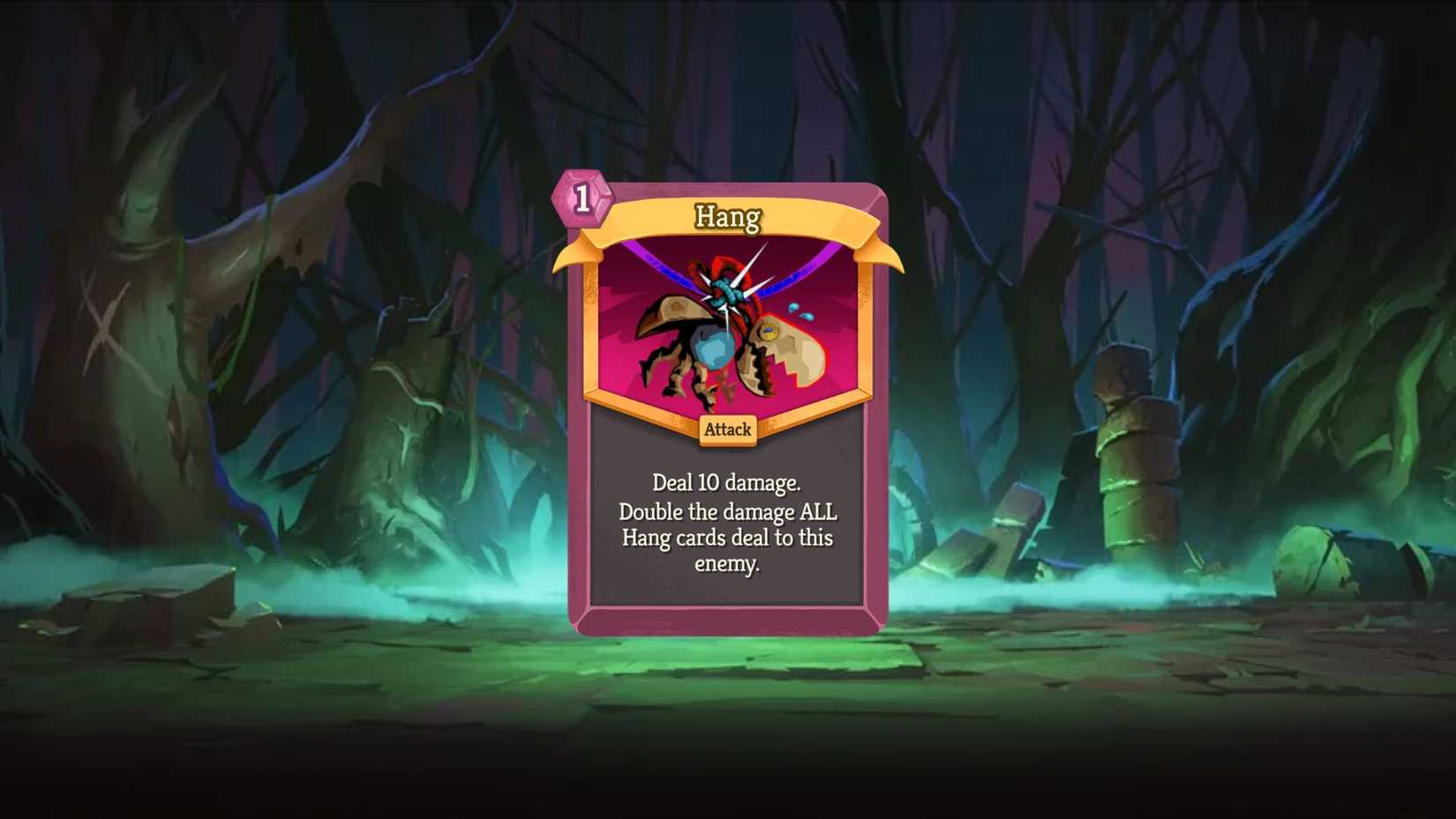
Hang is a deceptive card. Its base damage is respectable, but its true power lies in its stacking multiplier: it doubles its damage every time it is played on a single enemy. Unlike The Scythe, Hang does not exhaust, opening the door for genuine infinite combos.
How to build it: The goal is to play it multiple times in a single turn. Cards like Dolly’s Mirror or simply cycling your deck with Soul resources allow you to replay Hang indefinitely. With enough energy and cycle support, this is one of the most reliable ways to output "boss-deleting" damage in the game.
4. Dominate: Strength in Vulnerability
Because one stack just wasn’t enough.
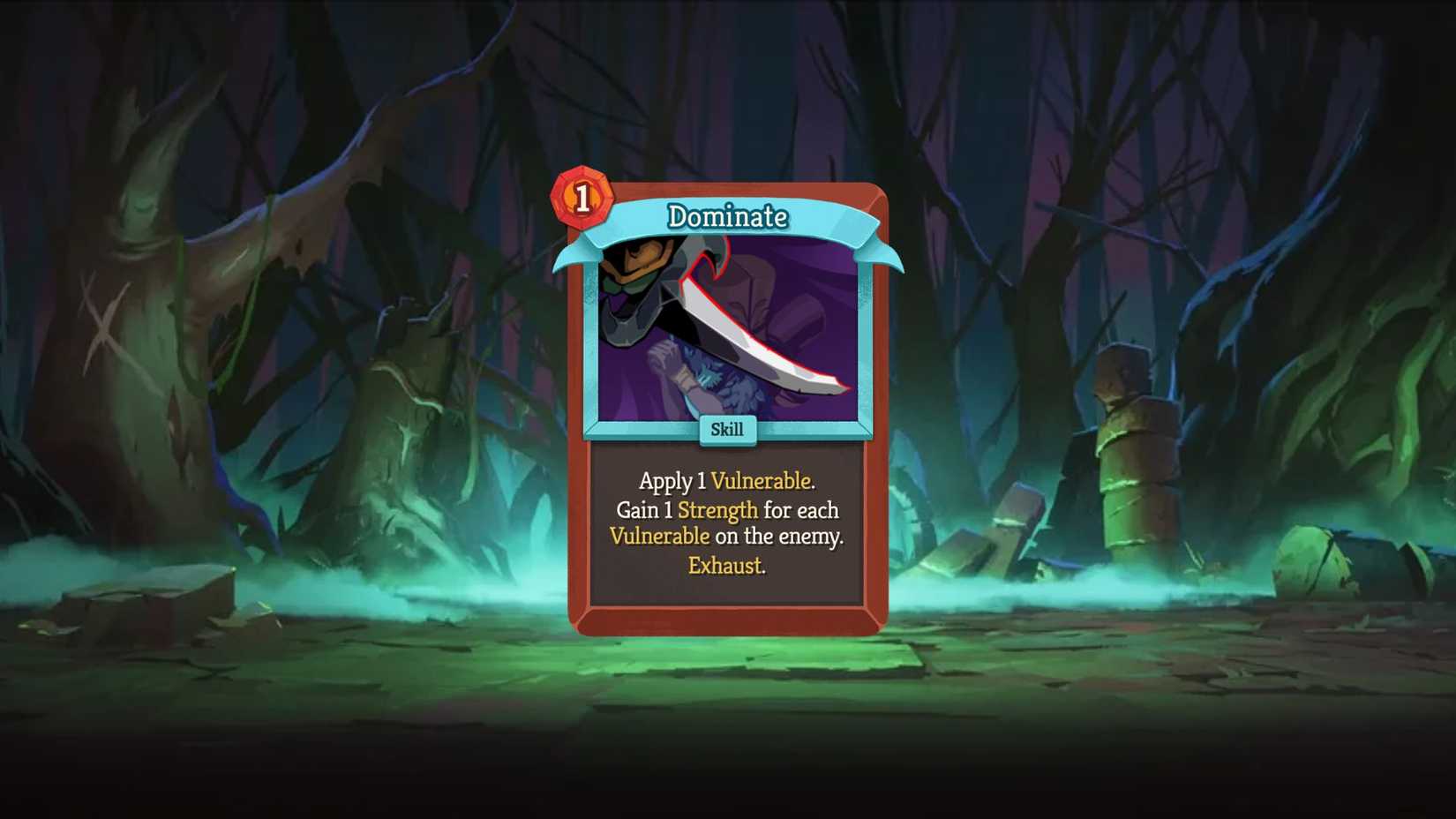
The Ironclad’s vulnerability archetype is often overlooked in favor of the more popular Exhaust builds. However, Dominate changes the math entirely. It grants strength based on the total amount of Vulnerability on the target, creating a massive damage spike.
How to build it: You need "multi-stack" enablers. Cards like Tremble (which inflicts three stacks) and Molten Fist (which doubles existing stacks) are vital. With these, you can reach 7+ strength in a single turn. It is a burst-damage build that makes the Ironclad feel like a tactical wrecking ball, capable of ending fights before they truly begin.
3. Heavenly Drill: Complete and Utter Annihilation
The X-cost masterclass.
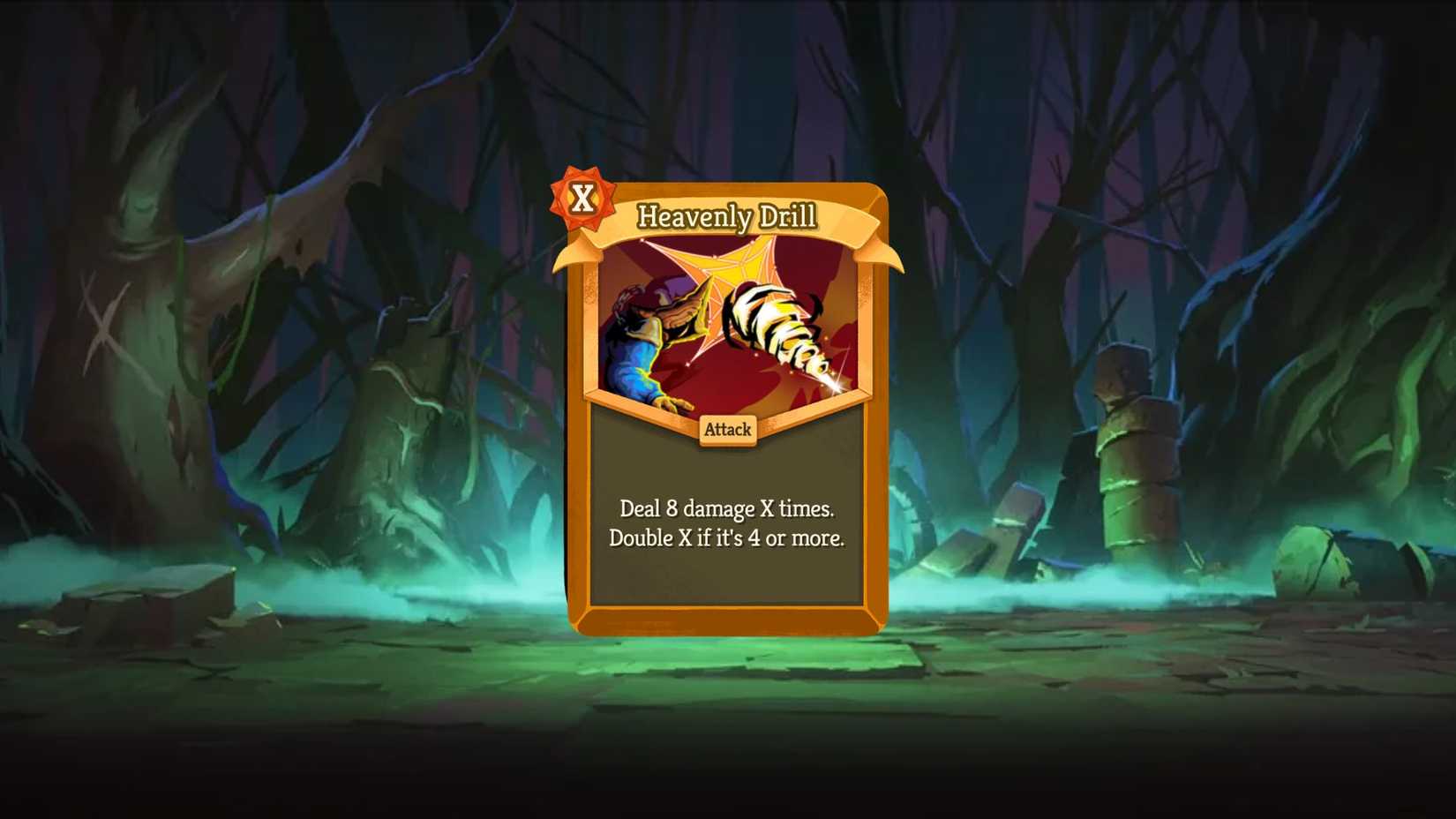
X-cost cards are notoriously difficult to balance. You often find yourself with the card in hand but no energy to spare. Heavenly Drill solves this by doubling its X-value damage when played with at least 4 energy.
How to build it: The Regent class is perfectly suited for this. Between Hegemony, Alignment, and Big Bang, the Regent can generate massive energy bursts. Using Convergence to retain that energy for a single, explosive turn allows Heavenly Drill to act as a screen-clearer. When enchanted with Sharp or Corruption, it becomes one of the most destructive tools in the game.
2. Uproar: Meteor Strike Go BOOM!
Cheating the economy.
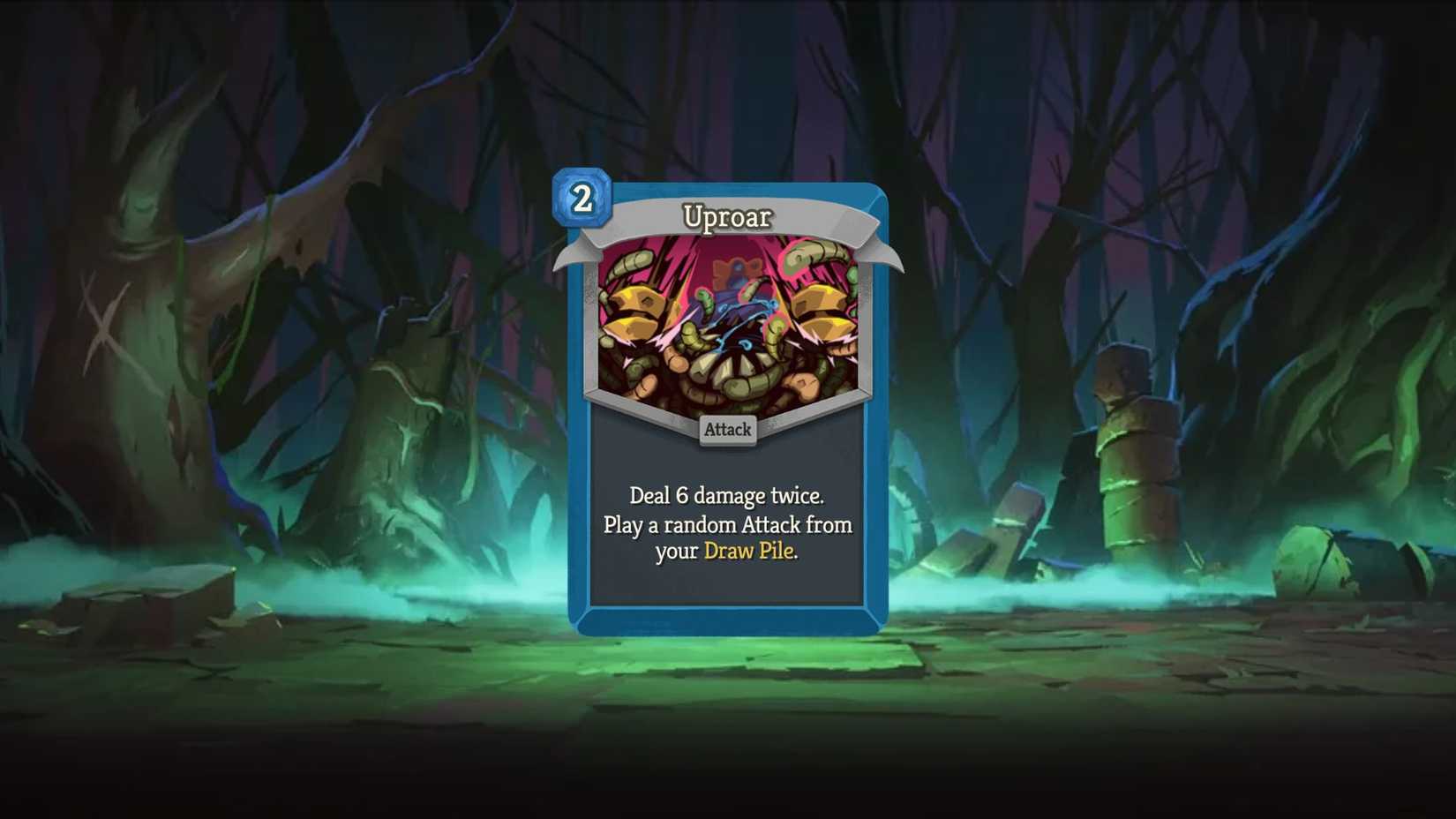
Uproar is a common card that often goes under the radar. It allows you to "cheat" out an attack from your deck for free. On its own, it’s a minor convenience. As a build-around, it is game-breaking.
How to build it: Remove every basic Strike from your deck. Once your deck is purged of filler, Uproar becomes a consistent engine to play your most expensive, high-impact cards like Meteor Strike or Refract for zero cost. Because it is common, you can build this deck consistently across almost any run, making it one of the most reliable "broken" strategies available.
1. Stardust: The Infinite Stars
The gold standard of build-around cards.
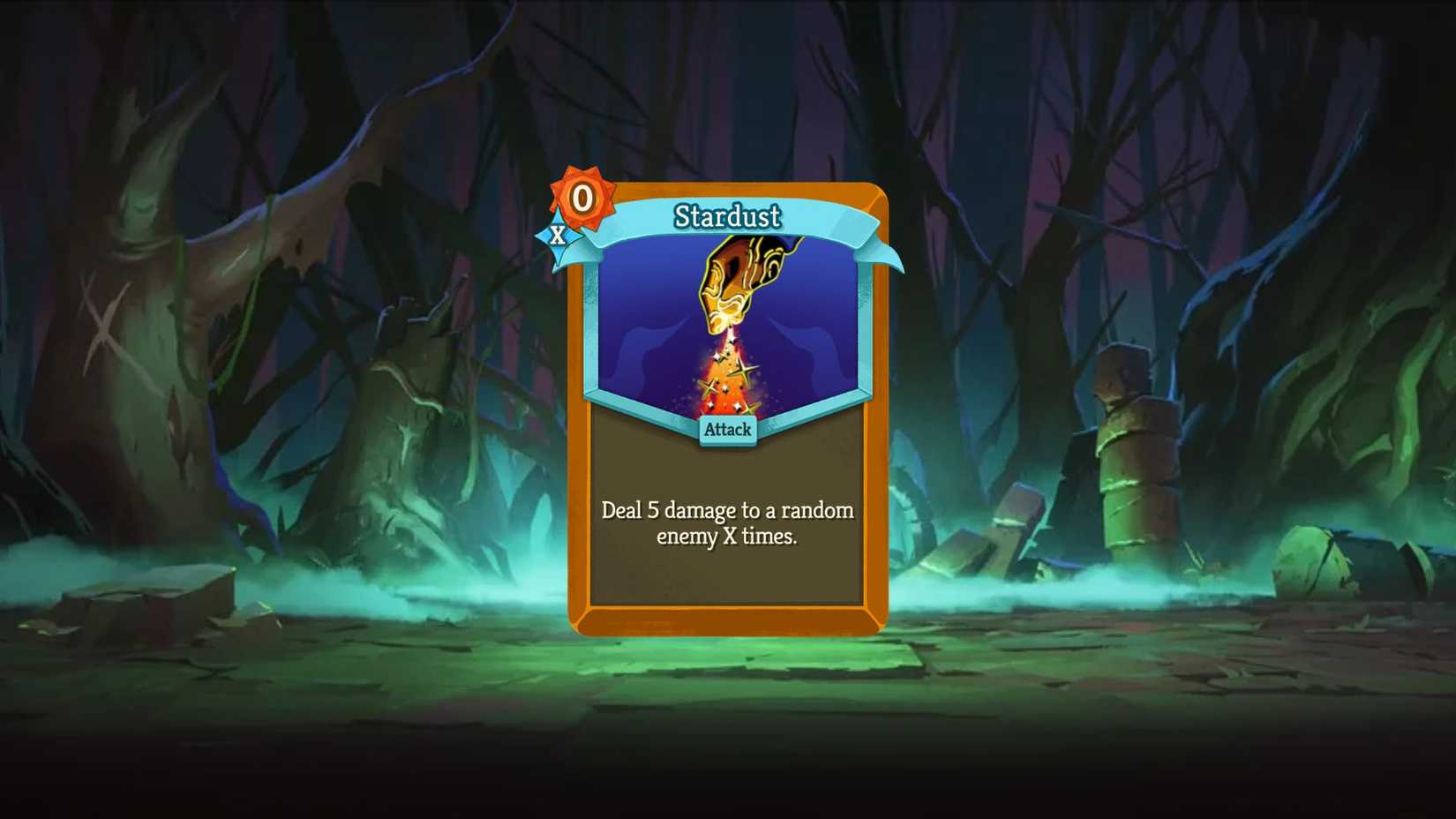
If you enjoy the mechanics of Heavenly Drill, Stardust is the logical evolution. It functions on similar principles but is far more accessible, sitting at the "Uncommon" rarity and supported by a massive pool of star-focused cards in the Regent’s kit.
How to build it: The synergy between Glow, Royal Gamble, and Convergence makes this deck incredibly consistent. Relics like Lunar Pastry and Mini Regent further amplify the damage. When you pair this with The Sealed Throne, you aren’t just playing a card; you are controlling the entire game flow. It offers the perfect trifecta: power, consistency, and the sheer "wow-factor" of a deck that feels truly customized.
Official Developer Stance and Balancing
Mega Crit has been transparent about their design philosophy for Slay the Spire 2. During recent developer roundtables, the team emphasized that "broken" builds are not considered bugs—they are features.
"We want players to feel like they’ve cheated the game," lead designers have noted. "If you find a combination of relics and cards that allows you to loop an infinite combo or generate massive, screen-wide damage, that is a testament to the player’s discovery, not a design flaw."
This philosophy explains why cards like Uproar or Stardust remain in the game. They provide a "sandbox" element that rewards deep mechanical knowledge. Mega Crit’s balancing patches primarily focus on ensuring that these builds have "counter-play" in the form of specific enemy encounters (like the Time Eater equivalent in the sequel) that force players to adapt even when their "perfect" build is online.
Implications for the Meta
The existence of these builds shifts the meta in a unique direction. It encourages players to move away from "tier lists" and toward "synergy lists." A card that is ranked D-tier in a vacuum might be S-tier if you are forcing a Stardust build.
As the community continues to dissect Slay the Spire 2, we expect to see these archetypes evolve. Already, we are seeing high-level players using these niche builds to challenge the community-accepted "optimal paths," proving that even the most "unplayable" cards can become the centerpiece of a legendary run.
For the casual player, the lesson is clear: don’t be afraid to take the "weird" card. Don’t be afraid to pass on a solid, boring card for a high-variance, exciting one. The heart of Slay the Spire isn’t just about winning—it’s about the story you tell with your deck along the way. Whether you are launching a boulder at an Act 3 boss or triggering a Grand Finale on your last possible turn, the joy is in the attempt.
So, next time you are sitting at a card reward screen, look past the obvious choices. Look for the card that sparks that vision. Force the build. See what happens. Sometimes, the "wrong" choice is the only one that matters.