Nana Wu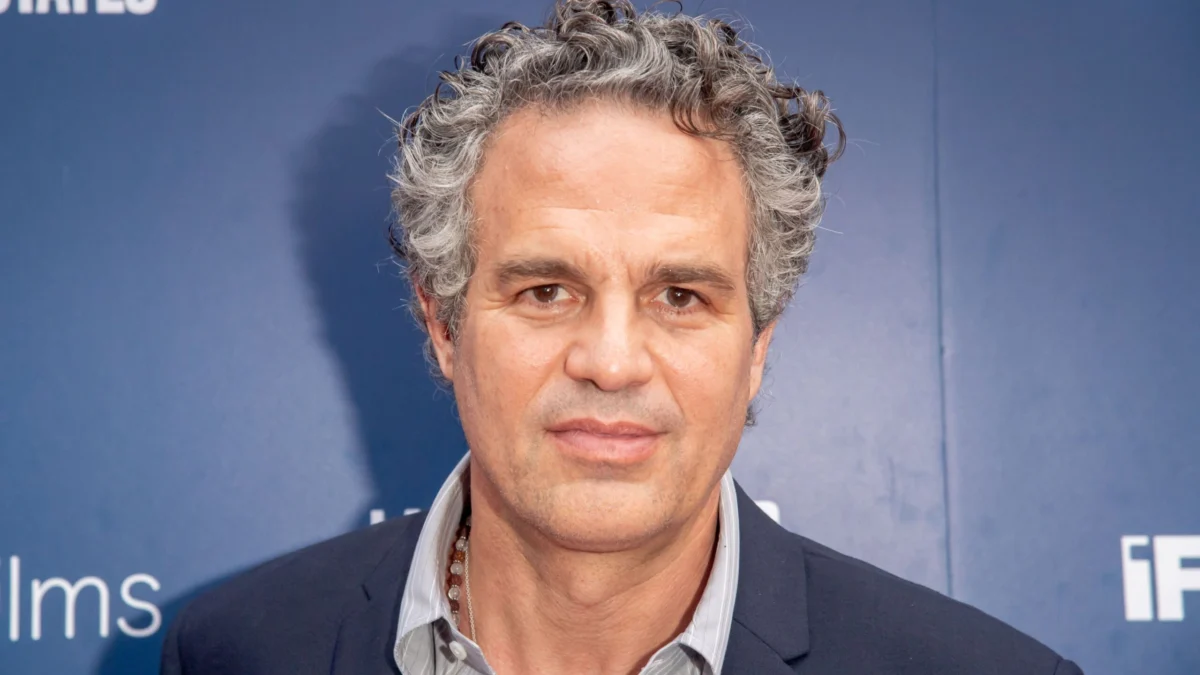
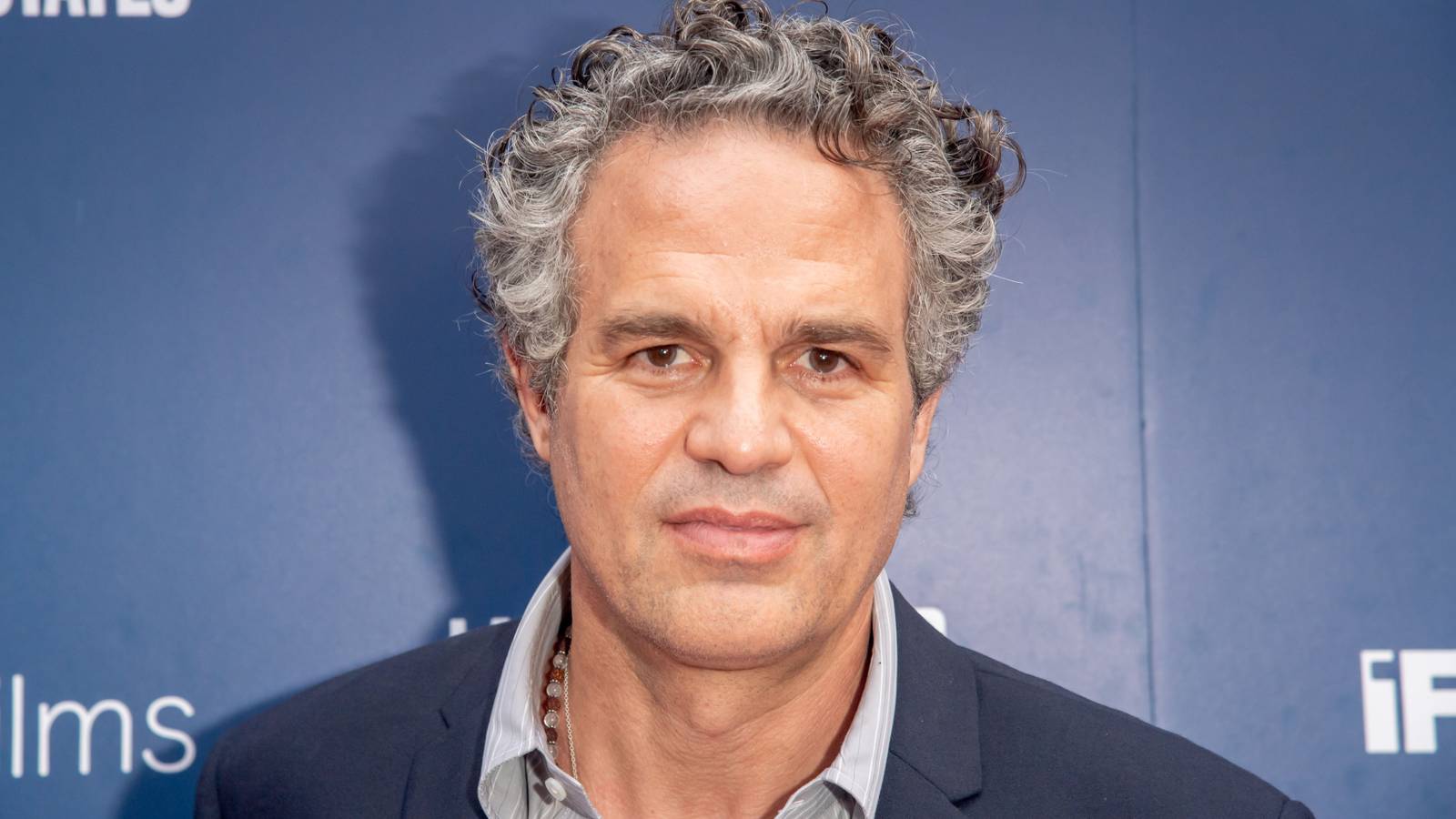
As the anticipation for a fourth installment in the high-stakes heist franchise continues to build, audiences are revisiting the magic of the series. Now You See Me: Now You Don’t (the third entry in the Now You See Me saga) has surged to the forefront of global streaming, currently sitting comfortably in the top five on Prime Video across 19 countries. This resurgence highlights not only the enduring appeal of the "Four Horsemen" but also the continued box-office and streaming draw of its star, Mark Ruffalo.
A Career Defined by Tension: Mark Ruffalo’s Crime Thriller Legacy
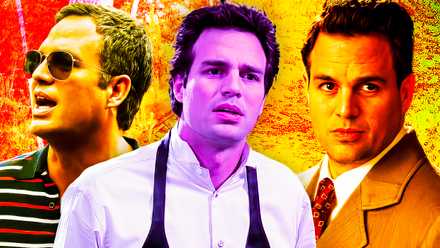
Mark Ruffalo’s career has been characterized by an impressive versatility, but he has consistently gravitated toward the crime thriller genre. His journey in the genre began in earnest nearly two decades ago with pivotal roles in David Fincher’s masterwork Zodiac (2007) and the heavy-hitting drama Reservation Road (2007). In Zodiac, Ruffalo’s portrayal of Inspector Dave Toschi provided a grounded, human anchor to a sprawling, obsessive procedural, setting the tone for his future work in law enforcement roles.
In the years that followed, Ruffalo refined this archetype. His recent transition into high-profile television with HBO’s Task, where he played FBI agent Tom Brandis, demonstrated his ability to carry the weight of a complex serialized narrative. Earlier in 2026, he further cemented this status by reuniting with his Marvel Cinematic Universe colleague Chris Hemsworth in the film Crime 101, portraying Detective Lou Lubesnick. These roles have established a pattern: audiences trust Ruffalo to guide them through labyrinthine plots, making his role as Dylan Rhodes in the Now You See Me franchise a natural, albeit more theatrical, evolution of his screen persona.
The Streaming Phenomenon: By the Numbers
The recent data from Prime Video paints a clear picture: audiences are craving the escapism of the Now You See Me universe. As of early July 2026, Now You See Me: Now You Don’t has secured the fourth spot on the global streaming chart. The film’s reach is geographically diverse, appearing in the top five lists of nations as varied as Argentina, Colombia, the Dominican Republic, Finland, Ireland, Mexico, and Peru.
This performance is particularly impressive given the competition. The film is currently holding its own against heavy hitters like the sci-fi epic Project Hail Mary, the action-packed Tom Clancy’s Jack Ryan: Ghost War, and the highly anticipated Greenland 2: Migration.
In the United States, the film’s availability model is slightly more specialized—requiring a Starz add-on for Prime subscribers or individual digital rental/purchase—yet it continues to show strong engagement. This suggests that the franchise’s "stickiness"—the ability for viewers to return to the film repeatedly—is a significant driver of its longevity.

Chronology of the ‘Four Horsemen’ Franchise
The Now You See Me series has been a fascinating case study in modern ensemble blockbusters.
- 2013: The original Now You See Me, directed by Louis Leterrier, introduced the world to the Four Horsemen: J. Daniel Atlas (Jesse Eisenberg), Merritt McKinney (Woody Harrelson), Jack Wilder (Dave Franco), and newcomer Henley Reeves (Isla Fisher). The film, centered on the secret society known as "The Eye," was a surprise smash hit.
- 2016: Now You See Me 2, directed by Jon M. Chu, expanded the scope of the heists and the mythology of The Eye, introducing Lizzy Caplan as the eccentric Lula May.
- 2025: Now You See Me: Now You Don’t, helmed by Ruben Fleischer, arrived in theaters in November. It bridged the gap between the veteran magicians and a new generation of talent, while serving as the primary bridge to the future of the franchise.
- The Future: With the ending of the third film teasing a larger organizational shift within The Eye, production on a fourth film has been officially confirmed, keeping the momentum alive for the studio.
A Passing of the Torch: The Expanding Cast
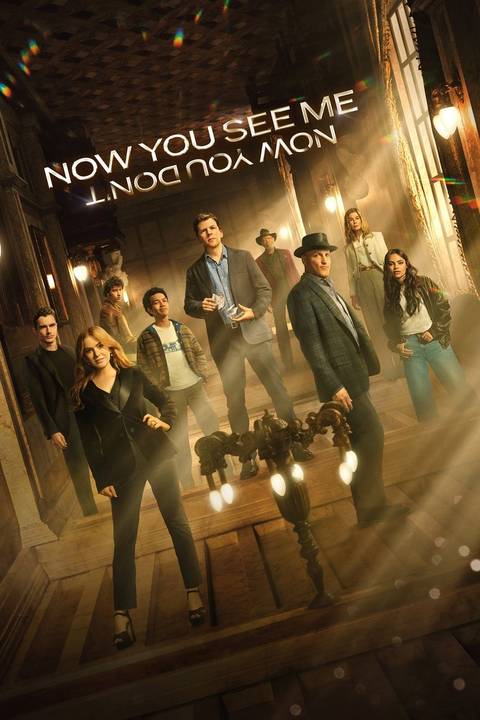
One of the reasons Now You See Me: Now You Don’t has resonated so strongly is its blend of legacy talent and fresh faces. The film effectively manages the "legacy sequel" trope by balancing the return of fan favorites with an injection of new energy.
Returning legends include Jesse Eisenberg, Woody Harrelson, Dave Franco, and Isla Fisher. The inclusion of Lizzy Caplan, who solidified her role in the second film, brings a grounded comedic timing that pairs well with the return of Morgan Freeman as the enigmatic Thaddeus Bradley. However, the film also introduces the "next generation" of magicians: Justice Smith (Charlie Gees), Dominic Sessa (Bosco LeRoy), and Ariana Greenblatt (June Rouclere).
The villainous turn by Rosamund Pike as Veronika Vanderberg provides a sophisticated, high-stakes threat that elevates the film’s tension beyond mere card tricks and stage illusions. This ensemble approach allows the franchise to scale, ensuring that even if original cast members eventually step back, the world of "The Eye" remains populated and vibrant.
Critical Reception vs. Audience Sentiment
The critical reception of Now You See Me: Now You Don’t serves as an interesting contrast to its commercial performance. With a 61% Tomatometer score on Rotten Tomatoes, the film received "mixed" reviews, with some critics arguing the plot twists became increasingly convoluted.
However, the "Popcornmeter"—the audience-facing metric—tells a different story, with a robust 79% approval rating. This discrepancy is common in high-concept, spectacle-driven cinema. Where critics often look for narrative cohesion and character depth, audiences are clearly looking for "magic"—literally and figuratively. The film’s $246.3 million global box office haul on a $90 million budget proves that the audience is not just watching; they are paying for the spectacle.
Implications for the Future of the Franchise
The sustained popularity of the third installment carries significant implications for the studio’s strategy. First, it validates the decision to transition toward a multi-generational cast. By introducing younger, rising stars, the franchise has effectively future-proofed itself, ensuring that it is not reliant on any single actor’s schedule or contract.
Second, it confirms that the "heist genre with a magical twist" remains a potent hook in the streaming era. Audiences enjoy the "puzzle box" nature of these films, which often require a second viewing to spot the clues planted in the background—a factor that likely contributes to the film’s high re-watchability metrics on platforms like Prime Video.
Finally, the success of the film acts as a massive marketing engine for the upcoming fourth film. By keeping the brand in the "Top 10" lists, the studio maintains high visibility, ensuring that when the next installment is ready for release, it won’t need to re-introduce the world to casual viewers. The magic, it seems, is far from over.

As Mark Ruffalo continues to oscillate between gritty crime dramas and blockbuster spectacles, he remains the gravitational center of this franchise. Whether he is portraying a weary detective or the mastermind of an underground illusionist ring, his presence provides the narrative anchor that keeps audiences coming back for the next trick. With the fourth film currently in development, one thing is certain: the Four Horsemen are not planning on disappearing anytime soon.


 Layla Zulfa
 Pevita Pearce