Laily UPN
Byline: Editorial Staff
Warning: This article contains significant spoilers for the first three episodes of "House of the Dragon" Season 3.
The Iron Throne has long been established as the most uncomfortable seat in Westeros, but as House of the Dragon enters the third act of its third season, the series is stripping away the romanticism of conquest to reveal a harsh, bureaucratic truth: winning a war is the easy part; governing the aftermath is where dynasties go to die.
In the latest installment of the HBO hit, showrunner Ryan Condal has shifted the narrative focus from the battlefield to the council chambers and the teeming, volatile streets of King’s Landing. By slowing the pacing to a crawl, the show has invited viewers into the suffocating reality of Rhaenyra Targaryen’s rule. As Emma D’Arcy’s Queen grapples with the fallout of her recent ascent, the series is drawing an unmistakable, albeit nuanced, parallel to the most divisive era of its predecessor, Game of Thrones: Daenerys Targaryen’s arduous and often frustrating tenure in Meereen.
The Weight of Governance: A Comparative Analysis
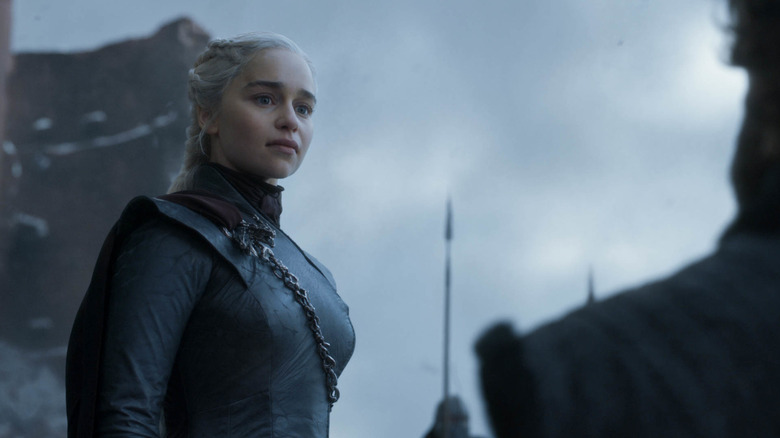
For those who spent years watching Daenerys Targaryen struggle to balance her fire-and-blood instincts with the realities of ruling a liberated city, the current arc of Rhaenyra Targaryen feels like a dark mirror. During Seasons 4 through 6 of Game of Thrones, Daenerys was forced to pause her march toward the Seven Kingdoms to learn the art of compromise, diplomacy, and the management of a resentful populace. It was a period defined by bureaucratic gridlock and the realization that a dragon’s flame cannot solve a grain shortage or a religious uprising.
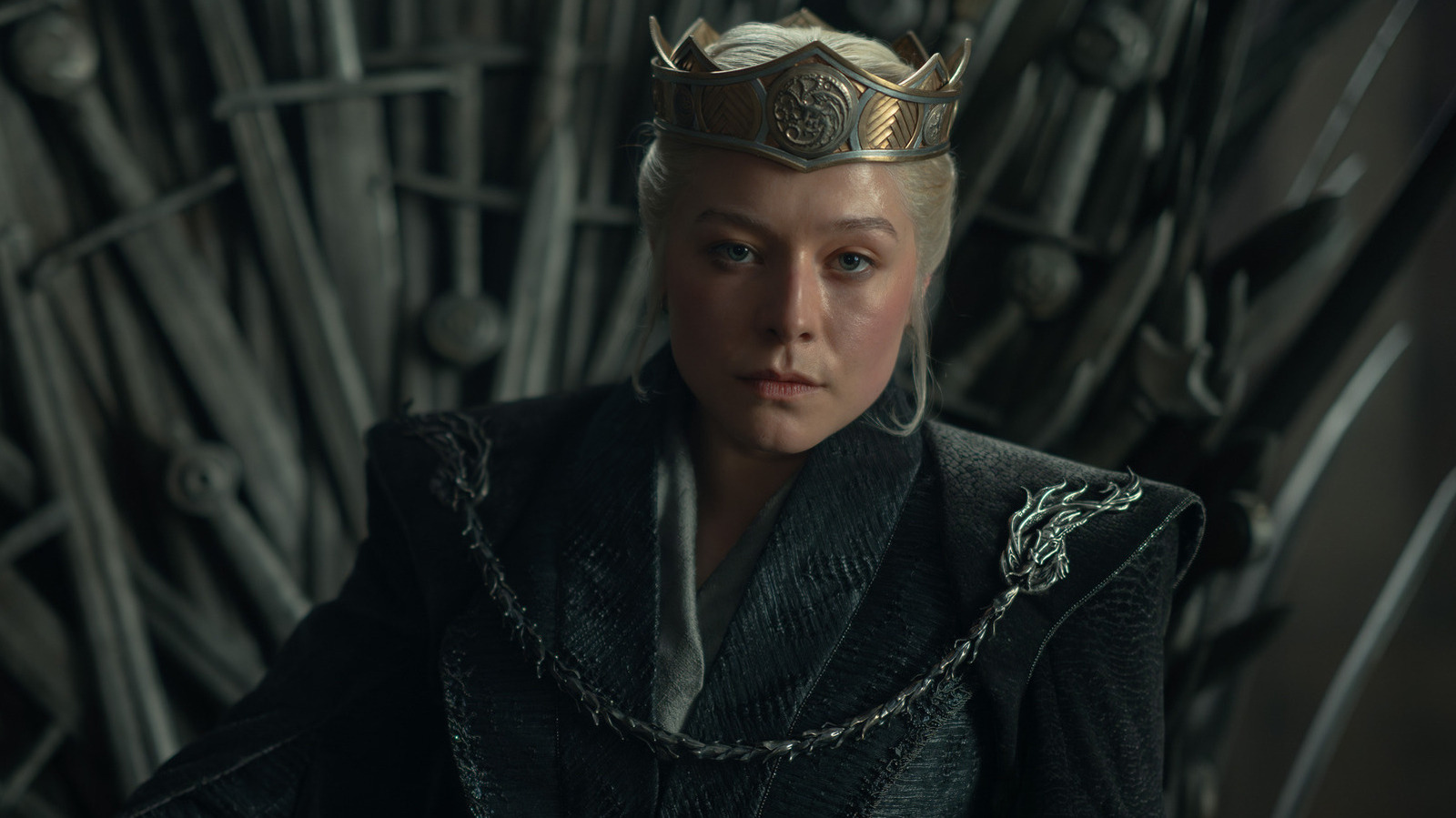
Rhaenyra now finds herself in a strikingly similar position. Having claimed the Iron Throne, she is discovering that the legitimacy she fought for is being eroded by the very people she aimed to liberate from the Hightower influence. The "Meereenese Knot"—the term fans used for Daenerys’s inability to consolidate power—has effectively migrated back in time to the reign of the Black Queen.
The Chronology of Instability
The first three episodes of Season 3 have meticulously laid out the domino effect of Rhaenyra’s new reality:
- Episode 1: The aftermath of the invasion. Rhaenyra secures the capital but inherits a power vacuum following the removal of established Hightower loyalists.
- Episode 2: The power shift. The execution of Otto Hightower, a move intended to consolidate power, creates a martyr and alienates the remaining political factions within the city.
- Episode 3: The realization of incompetence. Rhaenyra is besieged by domestic crises—religious defiance, economic instability, and internal friction within her own Small Council.
The "Otto Effect" and the Erosion of Authority
The decision to execute Otto Hightower—a character who served as the backbone of political stability in the Red Keep for decades—has proven to be the primary catalyst for Rhaenyra’s current woes. While the move was strategically sound in the short term to remove a rival, it stripped the crown of its most experienced political operator.
In the vacuum left by Otto, Rhaenyra is struggling to command the respect of the High Septon and the city’s nobility. Her recent banquet, intended as a display of strength and reconciliation, resulted in a metaphorical slap in the face to the city’s most influential houses. By alienating the nobility, Rhaenyra has effectively created a "fifth column" within her own walls.
Furthermore, her relationship with Corlys Velaryon, the Sea Snake, is fracturing. When Rhaenyra refused to legitimize his sons, she didn’t just make a political decision; she insulted a man whose fleet is the only thing keeping her reign from being a symbolic gesture. This mirrors the way Daenerys constantly struggled to keep her disparate allies—from the Second Sons to the Meereenese aristocracy—loyal to her cause.
The Psychological Toll: Is Rhaenyra Losing Her Way?
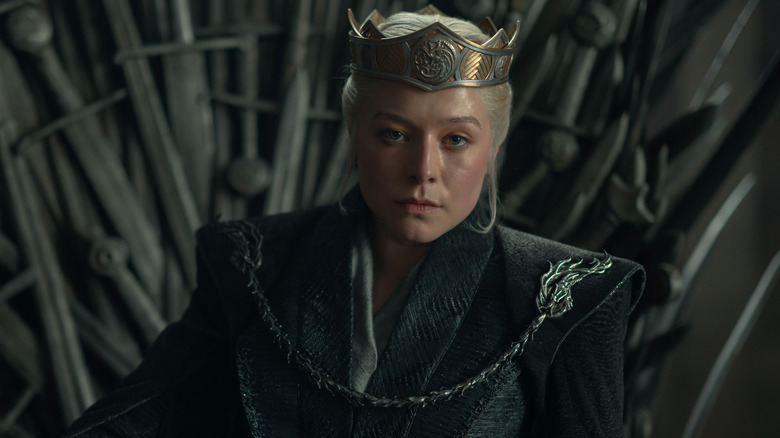
One of the most compelling aspects of the third season is the introspective look at Rhaenyra’s psyche. Emma D’Arcy portrays a ruler who is becoming increasingly isolated by her own crown. The show is moving away from the "Rightful Queen" archetype toward a more complex, fallible human being who is beginning to realize that the throne is less of a prize and more of a cage.
There is a recurring motif of the "impossible choice" in these episodes. Whether it is dealing with the grain shortages or the bickering between Daemon Targaryen and Mysaria regarding the management of the smallfolk, every decision Rhaenyra makes seems to exacerbate a secondary problem.
Daemon, ever the agent of chaos, pushes for a more authoritarian, scorched-earth approach to civil unrest. This creates a fascinating dynamic: Rhaenyra is caught between the "Breaker of Chains" persona she wants to embody and the "Tyrant" that the circumstances of ruling necessitate. It is a precursor to the descent into darkness that many fans feared would happen to Daenerys. The question now is whether the show is setting up a tragic trajectory for Rhaenyra that will ultimately lead to her own "madness" or, at the very least, a catastrophic loss of control.
Implications for the Future: A Darker Westeros
The Game of Thrones maxim, "If you think this has a happy ending, you haven’t been paying attention," looms over House of the Dragon like a shadow. Readers of George R.R. Martin’s Fire & Blood already know the tragic conclusion of the Dance of the Dragons. However, by emphasizing the political mismanagement of the city, the show is adding a layer of inevitability to the tragedy.
The implication is clear: Rhaenyra is not losing the war to external enemies like Aemond or Aegon; she is losing it to the inherent impossibility of ruling a kingdom that does not want to be ruled. The friction between the religious authorities and the Targaryen crown is reaching a breaking point, and the restlessness of the smallfolk suggests that a popular uprising, similar to the riots that plagued Daenerys in Meereen, is imminent.
The Role of the Smallfolk
Unlike the original series, where the smallfolk were often background noise, House of the Dragon is elevating their plight. Their grievances are no longer just fodder for riots; they are a political force that the Queen has failed to court. By prioritizing the politics of the high lords over the needs of the common people, Rhaenyra is repeating the cardinal sin of the Targaryen line.
Conclusion: A Mirror Across Centuries
As we move toward the mid-point of the season, the parallels between Rhaenyra’s struggle and Daenerys’s journey are not just easter eggs for fans—they are the thematic core of the series. The show is positing that the Iron Throne acts as a corrupting influence, or at the very least, an impossible burden that strips away the morality of those who seek to occupy it.
Whether Rhaenyra will succumb to the same pressures that defined the end of Daenerys’s journey remains to be seen. However, as the political temperature in King’s Landing continues to rise, it is becoming increasingly evident that the Queen’s toughest battle is not against the dragons of her enemies, but against the decay of her own authority.
House of the Dragon airs new episodes every Sunday on HBO, continuing the saga of a family—and a kingdom—slowly consuming itself from within. As the shadows lengthen over the Red Keep, one thing remains certain: the throne is only as strong as the ruler, and Rhaenyra is learning that the weight of the crown is far heavier than the gold from which it is forged.


 Iffa Jayyana
 Nila Kartika Wati