Ammar Sabilarrohman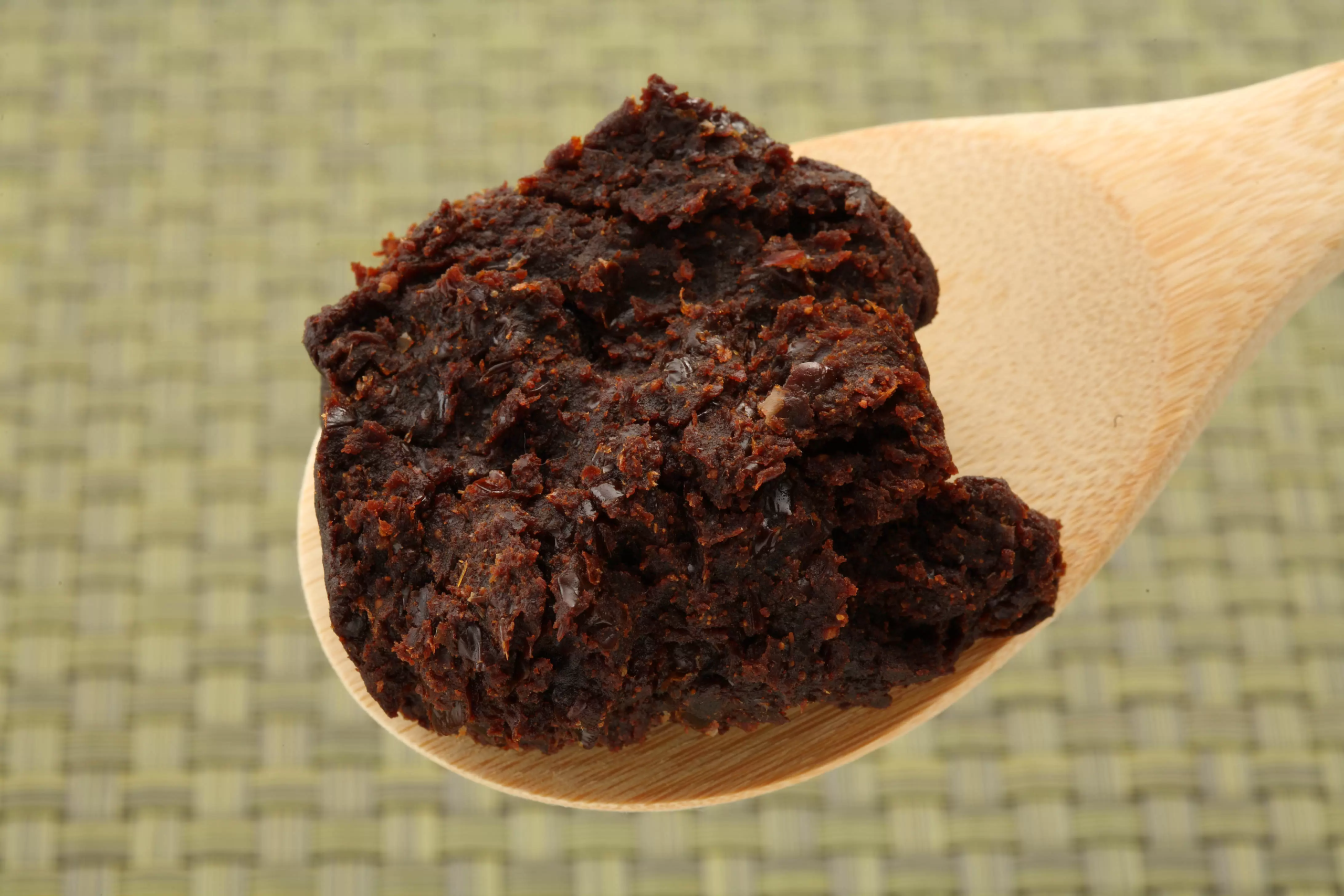
Nagoya, Japan — July 3, 2026
![[Recipe Included] Enjoy Nagoya even after your trip: A guide to using white soy sauce, Mikawa mirin, and soybean miso paste.](https://resources.matcha-jp.com/resize/720x2000/2026/06/27-266117.webp)
For the culinary traveler, the region surrounding Nagoya is more than just a destination; it is a profound sensory experience rooted in the ancient science of fermentation. As one of Japan’s most historically significant hubs for brewing and food production, the area—anchored by the Mikawa region and the Chita Peninsula—has cultivated a unique pantry of seasonings that are as essential to Japanese history as they are to the modern palate.
![[Recipe Included] Enjoy Nagoya even after your trip: A guide to using white soy sauce, Mikawa mirin, and soybean miso paste.](https://resources.matcha-jp.com/resize/720x2000/2026/06/27-266118.webp)
Yet, for many visitors, these exquisite bottles of white soy sauce, aged mirin, and robust soybean miso are often purchased as souvenirs, only to be relegated to the back of a pantry, their potential left untapped. To bridge the gap between traveler and tradition, we explore how these professional-grade ingredients can transform your everyday cooking, guided by the expertise of Chef Hayahisa Nagata of the renowned Japanese restaurant, Ittou.
![[Recipe Included] Enjoy Nagoya even after your trip: A guide to using white soy sauce, Mikawa mirin, and soybean miso paste.](https://resources.matcha-jp.com/resize/200x2000/2025/02/26-226065.webp)
A Legacy of Fermentation: The Foundation of Nagoya’s Culinary Identity
The history of Nagoya’s food culture is inextricably linked to its geography. Benefiting from centuries of maritime trade and an abundance of high-quality raw materials—specifically rice, soybeans, wheat, and salt—the region evolved into a powerhouse for the production of soy sauce, vinegar, mirin, and sake.
![[Recipe Included] Enjoy Nagoya even after your trip: A guide to using white soy sauce, Mikawa mirin, and soybean miso paste.](https://resources.matcha-jp.com/resize/720x2000/2026/06/27-266119.webp)
The brewing culture here is not merely an industrial pursuit; it is a manifestation of local wisdom. Traditional methods, passed down through generations in the Mikawa and Chita areas, rely on the specific climate and environment of the region to foster the growth of beneficial microorganisms. These fermented products are the lifeblood of Nagoya’s culinary identity, embodying the lifestyle, history, and resilience of its people. When you bring these items home, you are not just buying a condiment; you are bringing a living piece of Japanese cultural heritage into your kitchen.
![[Recipe Included] Enjoy Nagoya even after your trip: A guide to using white soy sauce, Mikawa mirin, and soybean miso paste.](https://resources.matcha-jp.com/resize/720x2000/2026/06/27-266120.webp)
The Versatility of Traditional Condiments: Beyond the Japanese Table
Chef Hayahisa Nagata, an expert in the nuanced flavors of the Nagoya region, argues that these seasonings are far more versatile than most home cooks realize. While they are the backbone of traditional local dishes like miso-stewed udon and red miso soup, they possess a hidden, global potential.
![[Recipe Included] Enjoy Nagoya even after your trip: A guide to using white soy sauce, Mikawa mirin, and soybean miso paste.](https://resources.matcha-jp.com/resize/720x2000/2026/06/27-266121.webp)
"The goal," Chef Nagata notes, "is to show that these flavors can integrate seamlessly into Western-style dishes, pasta, salads, and even desserts." By understanding the chemical properties of these ingredients—the umami of soy, the natural sugars of mirin, and the deep, savory complexity of soybean miso—home cooks can elevate their standard repertoire to professional heights.
![[Recipe Included] Enjoy Nagoya even after your trip: A guide to using white soy sauce, Mikawa mirin, and soybean miso paste.](https://resources.matcha-jp.com/resize/720x2000/2026/06/27-266122.webp)
Ingredient Spotlight: The Trio of Nagoya
1. White Soy Sauce (Shiro Shoyu)
Originating in Hekinan City, white soy sauce is a rare and refined counterpart to the dark, saline-heavy soy sauces found elsewhere. Made with a significantly higher proportion of wheat, it possesses a pale, golden hue and a delicate sweetness.
![[Recipe Included] Enjoy Nagoya even after your trip: A guide to using white soy sauce, Mikawa mirin, and soybean miso paste.](https://resources.matcha-jp.com/resize/720x2000/2026/06/27-266124.webp)
- The Advantage: Unlike dark soy sauce, which can muddy the appearance of a dish, white soy sauce enhances flavor without compromising color. It is a staple in high-end Japanese kitchens for clear soups and egg dishes.
- Modern Application: Its flavor profile pairs exceptionally well with olive oil, dairy, and fresh vegetables. It acts as an incredible salt substitute in dressings and pasta sauces, providing a sophisticated umami base that doesn’t overpower subtle ingredients.
2. Soybean Miso (Mame Miso)
Nagoya is world-famous for its distinct soybean-based miso, most notably the long-aged Hatcho miso. Unlike rice- or barley-based misos, this is crafted solely from soybeans. The result is a dense, earthy, and intensely savory paste that thrives under long-term aging.
![[Recipe Included] Enjoy Nagoya even after your trip: A guide to using white soy sauce, Mikawa mirin, and soybean miso paste.](https://resources.matcha-jp.com/resize/720x2000/2026/06/27-266123.webp)
- The Advantage: Its robustness is its defining feature. When simmered, its umami intensity actually increases, making it a perfect base for rich stews, braises, and even barbecue glazes.
- Modern Application: Think of it as the Japanese equivalent to a rich meat stock or a concentrated flavor bomb. It can be used as a secret ingredient in Western curries, roasted vegetable marinades, or to add depth to meat-based sauces.
3. Mikawa Mirin
Aichi Prefecture is a titan of mirin production. Traditional Mikawa Mirin is a far cry from the sugary, industrial sweeteners found in supermarkets. It is crafted from glutinous rice, rice koji, and rice shochu, and aged until it develops a deep, honey-like complexity.
![[Recipe Included] Enjoy Nagoya even after your trip: A guide to using white soy sauce, Mikawa mirin, and soybean miso paste.](https://resources.matcha-jp.com/resize/720x2000/2026/06/27-266125.webp)
- The Advantage: The sweetness is natural and refined, derived entirely from the fermentation process. It is a low-GI ingredient that adds a glossy finish and a depth of flavor that sugar simply cannot replicate.
- Modern Application: Beyond the stove, it works as a "rice liqueur." It can be used to glaze fruits, incorporated into baked goods, or reduced into a syrup for traditional-style desserts.
Culinary Masterclass: Recipes from Chef Nagata
To truly understand these ingredients, one must work with them. Below are two recipes that highlight how to apply these regional treasures in a home kitchen.
![[Recipe Included] Enjoy Nagoya even after your trip: A guide to using white soy sauce, Mikawa mirin, and soybean miso paste.](https://resources.matcha-jp.com/resize/720x2000/2026/06/27-266126.webp)
Recipe: White Soy Sauce Salad with Dried Sardines
This dish demonstrates the ability of white soy sauce to brighten a fresh, seasonal salad without masking the ingredients.
![[Recipe Included] Enjoy Nagoya even after your trip: A guide to using white soy sauce, Mikawa mirin, and soybean miso paste.](https://resources.matcha-jp.com/resize/720x2000/2026/06/30-266208.webp)
Ingredients:
![[Recipe Included] Enjoy Nagoya even after your trip: A guide to using white soy sauce, Mikawa mirin, and soybean miso paste.](https://resources.matcha-jp.com/resize/720x2000/2026/06/27-266128.webp)
- Dressing: 30cc White Soy Sauce, 30cc Olive Oil, coarsely ground pepper to taste.
- Salad: 40g dried young sardines, 2 new onions, 10 fresh shiso leaves, 8 cherry tomatoes.
Method:
![[Recipe Included] Enjoy Nagoya even after your trip: A guide to using white soy sauce, Mikawa mirin, and soybean miso paste.](https://resources.matcha-jp.com/resize/720x2000/2026/06/27-266130.webp)
- Emulsify: Whisk the white soy sauce, olive oil, and pepper until well-combined.
- Prep Vegetables: Slice the onions thinly along the grain. Rinse briefly in water to remove excess sharpness and drain.
- Herbal Touch: Cut the shiso leaves in half and julienne them. Rinse quickly to maintain color and prevent oxidation (blackening).
- Assemble: Arrange the onions, sardines, and halved tomatoes on a platter. Top with the shiso leaves.
- Serve: Drizzle the dressing over the salad immediately before serving to ensure the crisp texture of the vegetables is preserved.
Chef’s Tip: If you want to experiment, add a splash of sesame oil to the dressing to shift the profile toward a Chinese-inspired dish, or substitute the white soy sauce with Tamari for a richer, more aggressive umami note.
![[Recipe Included] Enjoy Nagoya even after your trip: A guide to using white soy sauce, Mikawa mirin, and soybean miso paste.](https://resources.matcha-jp.com/resize/720x2000/2026/06/27-266131.webp)
Recipe: Pork and Vegetable Miso-Stir Fry
This hearty dish showcases how soybean miso (like Hatcho miso) can anchor a meal, bringing together meat and fresh summer vegetables.
![[Recipe Included] Enjoy Nagoya even after your trip: A guide to using white soy sauce, Mikawa mirin, and soybean miso paste.](https://resources.matcha-jp.com/resize/720x2000/2026/06/27-266135.webp)
Ingredients: 160g pork belly (sliced), eggplant, zucchini, onion, cherry tomatoes, shiso leaves, potato starch, Hatcho miso, Mikawa mirin, water, and shichimi chili pepper.
![[Recipe Included] Enjoy Nagoya even after your trip: A guide to using white soy sauce, Mikawa mirin, and soybean miso paste.](https://resources.matcha-jp.com/resize/720x2000/2026/06/27-266132.webp)
Method:
![[Recipe Included] Enjoy Nagoya even after your trip: A guide to using white soy sauce, Mikawa mirin, and soybean miso paste.](https://resources.matcha-jp.com/resize/720x2000/2026/06/27-266134.webp)
- Prepare: Coat the pork belly slices in potato starch and roll them. Prep vegetables into bite-sized pieces.
- Miso Base: In a bowl, combine the soybean miso and mirin. (Note: Because high-quality soybean miso is dense, mix in the mirin slowly to ensure a smooth consistency).
- Sear: Pan-fry the vegetables until browned, then remove.
- Cook Meat: Brown the pork in the same pan. Once cooked, add the miso-mirin mixture, a splash of water, and the cherry tomatoes.
- Simmer: As the sauce thickens, return the vegetables to the pan to coat them.
- Finish: Drizzle with fresh lemon juice to cut the richness, top with shredded shiso leaves, and finish with a dusting of shichimi.
Chronology of Cultural Preservation
- Pre-1900s: Maritime trade routes establish the Mikawa region as a logistics hub for salt and soybeans, cementing the foundation for brewing.
- Mid-20th Century: Nagoya’s fermentation industry begins to formalize into a regional brand, focusing on specific styles like Hatcho miso and white soy sauce.
- 2020s: A global "fermentation boom" leads to renewed interest in traditional Japanese brewing techniques, with Nagoya’s breweries gaining international recognition.
- 2026: Leading culinary experts, such as Chef Nagata, begin advocating for the integration of these "souvenir" ingredients into global home cooking, marking a shift from viewing them as static gifts to active kitchen essentials.
Implications for the Global Kitchen
The journey of a Nagoya souvenir doesn’t have to end in the cupboard. By incorporating fermented seasonings into our daily routines, we engage in a cross-cultural dialogue that respects the history of the product while adapting it to the modern palate.
![[Recipe Included] Enjoy Nagoya even after your trip: A guide to using white soy sauce, Mikawa mirin, and soybean miso paste.](https://resources.matcha-jp.com/resize/720x2000/2026/06/27-266133.webp)
Whether it is the elegant, unobtrusive umami of white soy sauce, the deep, savory soul of soybean miso, or the refined sweetness of aged mirin, these ingredients offer a path to better, more complex home cooking. As Chef Nagata reminds us: "The true charm of local flavors is only revealed when they are used."
![[Recipe Included] Enjoy Nagoya even after your trip: A guide to using white soy sauce, Mikawa mirin, and soybean miso paste.](https://resources.matcha-jp.com/resize/720x2000/2026/06/27-266136.webp)
By choosing to cook with these ingredients, you are not merely preparing a meal; you are continuing a centuries-old tradition of fermentation, bringing the heart of Nagoya into your own home, one dish at a time.


 Neng Nana
 Asro
Asro