Nostalgia is a double-edged sword—a psychological phenomenon defined by its paradoxical nature. The term finds its etymological roots in the Greek nóstos, meaning “homecoming,” and álgos, meaning “pain” or “longing.” Historically, it is the ache of returning to a place that no longer exists or a time that has irrevocably slipped through our fingers. Yet, there is a modern iteration of this feeling that defies the linear progression of time. It is a longing not for the past, but for a specific, envisioned future that never quite arrived. This is the heart of "Frutiger Aero," a design aesthetic that has transitioned from a ubiquitous interface trend to a profound cultural touchstone.
What Is Frutiger Aero?
If you were a sentient observer of the digital world between the late 1990s and the early 2010s, you have lived within the Frutiger Aero aesthetic. It was the visual language of the internet’s adolescence—a time characterized by glossy textures, bright, saturated color palettes, and a harmonious synthesis of technology and the natural world.
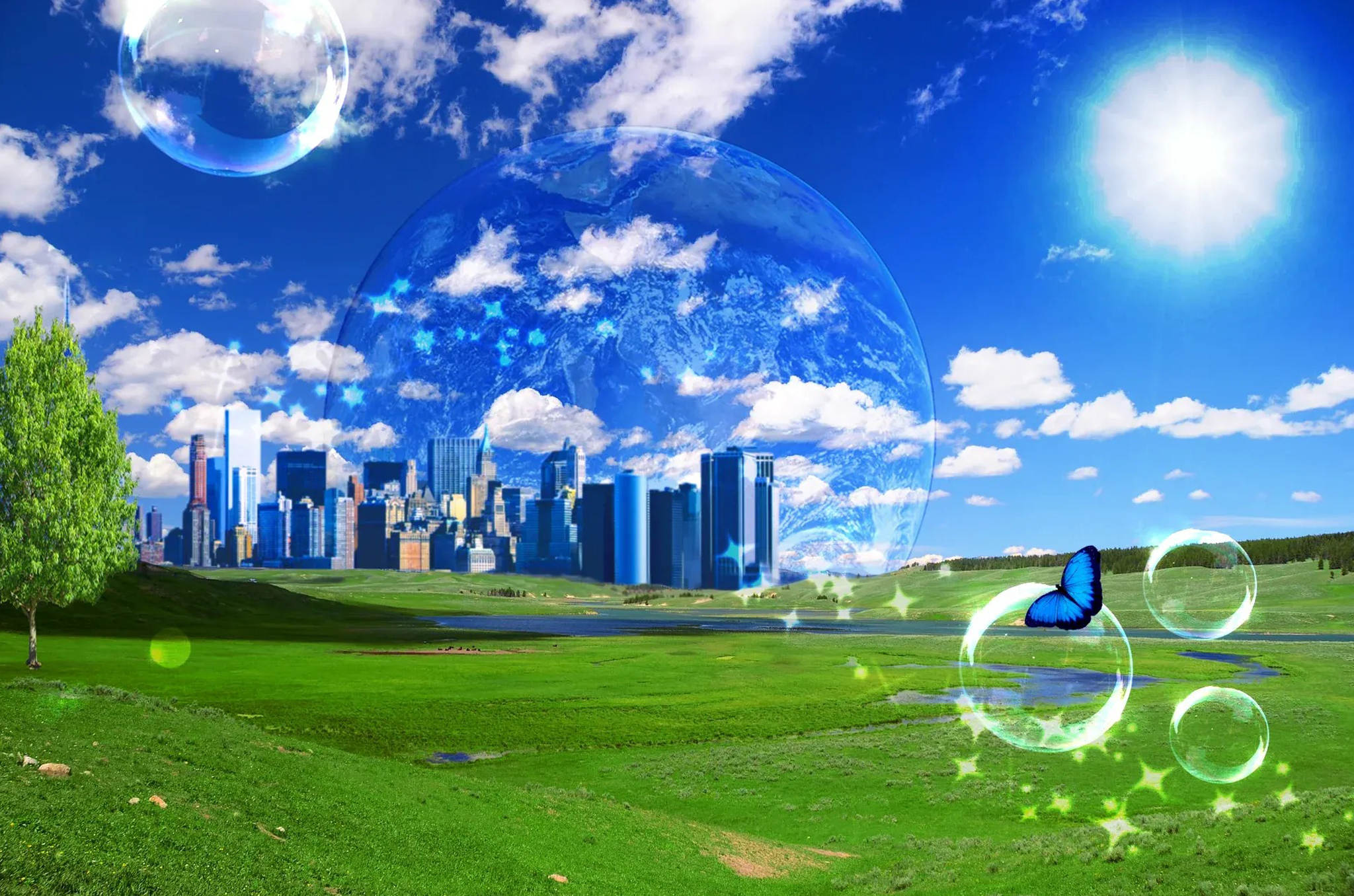
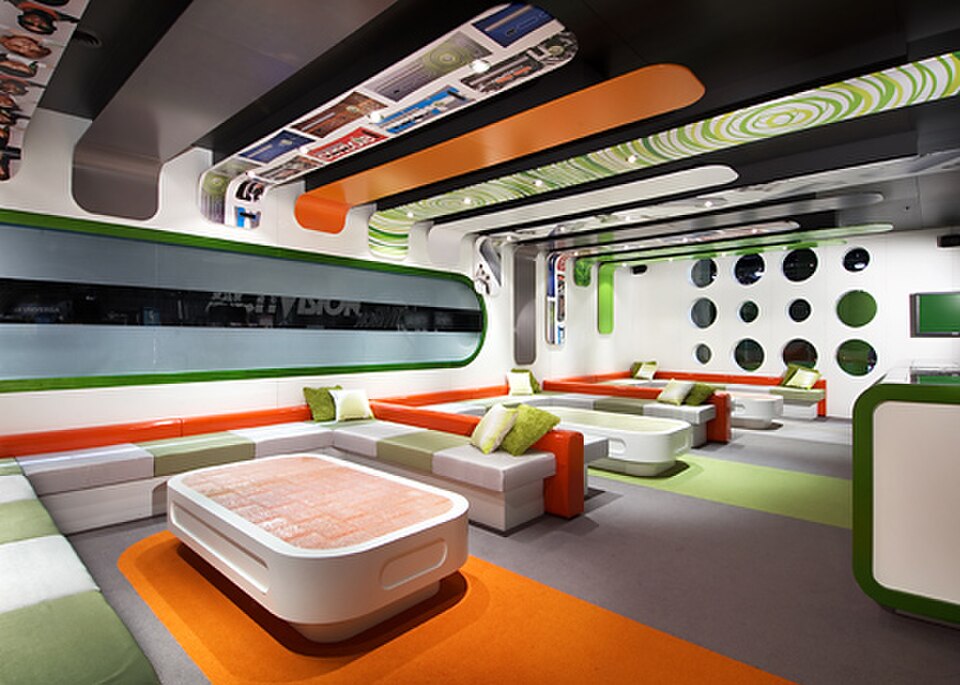
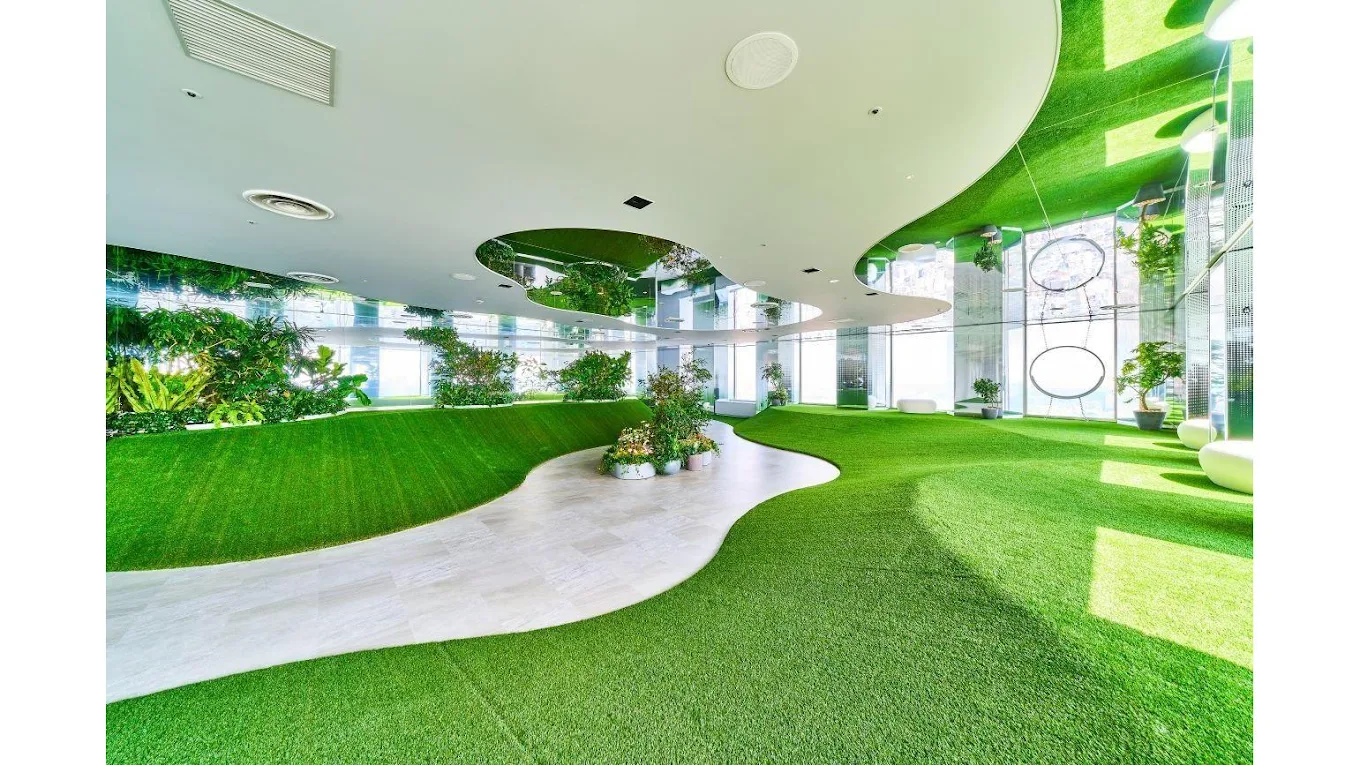
The aesthetic manifests through recurring motifs: rolling, hyper-vibrant grassy hills; clean, expansive blue skies with perfectly rendered clouds; cascading water features; and sleek, reflective surfaces that mimic the fluidity of glass and liquid. It was the era of the Windows XP "Bliss" wallpaper, the translucent, frosted-glass interface of Windows Aero, and the high-definition, ethereal backgrounds of the Xbox 360 dashboard.
While the visual style dominated global tech branding for over a decade, it remained nameless until 2017. It was then that Sofi Xian of the Consumer Aesthetics Research Institute (CARI) codified the term. The nomenclature is deliberate: "Frutiger" pays homage to the Frutiger typeface, a staple of signage and corporate branding of the era, while "Aero" is derived from Microsoft’s "Authentic, Energetic, Reflective, and Open" (AERO) interface design, which brought a glass-like, translucent polish to the user experience.
A Chronology of the Glossy Era
The evolution of Frutiger Aero can be mapped alongside the rapid acceleration of the personal computer and the proliferation of high-speed internet.
- 1998–2001 (The Emergence): As high-definition screens became more accessible, designers moved away from the flat, utilitarian icons of the early 90s. The release of Windows XP in 2001 signaled a shift toward organic, bright, and inviting interfaces.
- 2006–2009 (The Zenith): The launch of Windows Vista and Windows 7 solidified the "Aero" look. This was the era of "skeuomorphism"—a design philosophy where digital elements mimic their physical counterparts (e.g., buttons that look like real-world switches, gloss that resembles polished plastic).
- 2010–2013 (The Transition): The advent of mobile-first design and the move toward "flat design" (championed by Apple’s iOS 7) began to erode the dominance of the Frutiger Aero aesthetic. The world turned toward minimalism, stripping away the gloss in favor of efficiency.
- 2017–Present (The Revival): The archival work of organizations like CARI and the proliferation of "aesthetic" curation on platforms like TikTok and Pinterest have sparked a resurgence. Gen Z and younger Millennials have begun to view this era not as outdated, but as a period of profound technological optimism.
Supporting Data: The Psychology of the "Future That Never Came"
The allure of Frutiger Aero is rooted in its inherent optimism. In the early 2000s, technology was framed as a symbiotic partner to the environment. It was a vision of a "green" high-tech future where sustainability and digital advancement existed in a state of tranquil equilibrium.
Contrast this with the present-day digital landscape. Modern aesthetics are often defined by "Dark Mode," stark minimalism, and an underlying anxiety regarding the environmental impact of data centers and the industrialization of nature. While Frutiger Aero promised a world where water flowed through glass buildings and technology was soft, curved, and inviting, the reality of the 2020s has often been more jagged, resource-intensive, and disconnected from the natural world. This discrepancy between the promised future and the current reality is exactly why Frutiger Aero carries such a heavy emotional weight today.
Official Perspectives and Cultural Implications
Industry experts suggest that the resurgence of this aesthetic is a form of "digital escapism." Dr. Elena Rossi, a media historian focusing on interface design, notes: "Frutiger Aero represents a period where the internet felt like a vast, unexplored, and ultimately safe frontier. The current obsession with this look is a symptom of collective fatigue. We are exhausted by the cynicism of the modern web, and we are reaching back to a time when tech was presented as a magical, sparkling, and ultimately benevolent tool."
The aesthetic has become a shorthand for a "lost optimism." It is not merely about the graphics; it is about the feeling of being connected to a future that felt attainable. The implication is that we are grieving for a vision of progress that was sacrificed on the altar of efficiency and platform-driven monetization.
Finding the Aesthetic: The Case of Japan
Interestingly, while the rest of the world has largely scrubbed its environments of the Frutiger Aero aesthetic, Japan remains a treasure trove for those seeking this "lost future." Due to a combination of economic stagnation—which slowed the pace of aggressive, iterative commercial remodeling—and a cultural appreciation for integrated public spaces, many sites in Japan retain the exact textures and architectural spirits of the 2005-2010 era.
Oasis 21 (Nagoya, Aichi)
Opened in 2002, this facility is perhaps the most literal, large-scale embodiment of the aesthetic. Its "Spaceship-Aqua" deck, a 14-meter-high water-topped roof, creates a shimmering, fluid reflection that is pure digital nostalgia. The interplay of water, sky, and urban infrastructure provides a physical space that feels like a rendered background from a mid-2000s video game.
Sunshine Aquarium and Tenbou-Park (Ikebukuro, Tokyo)
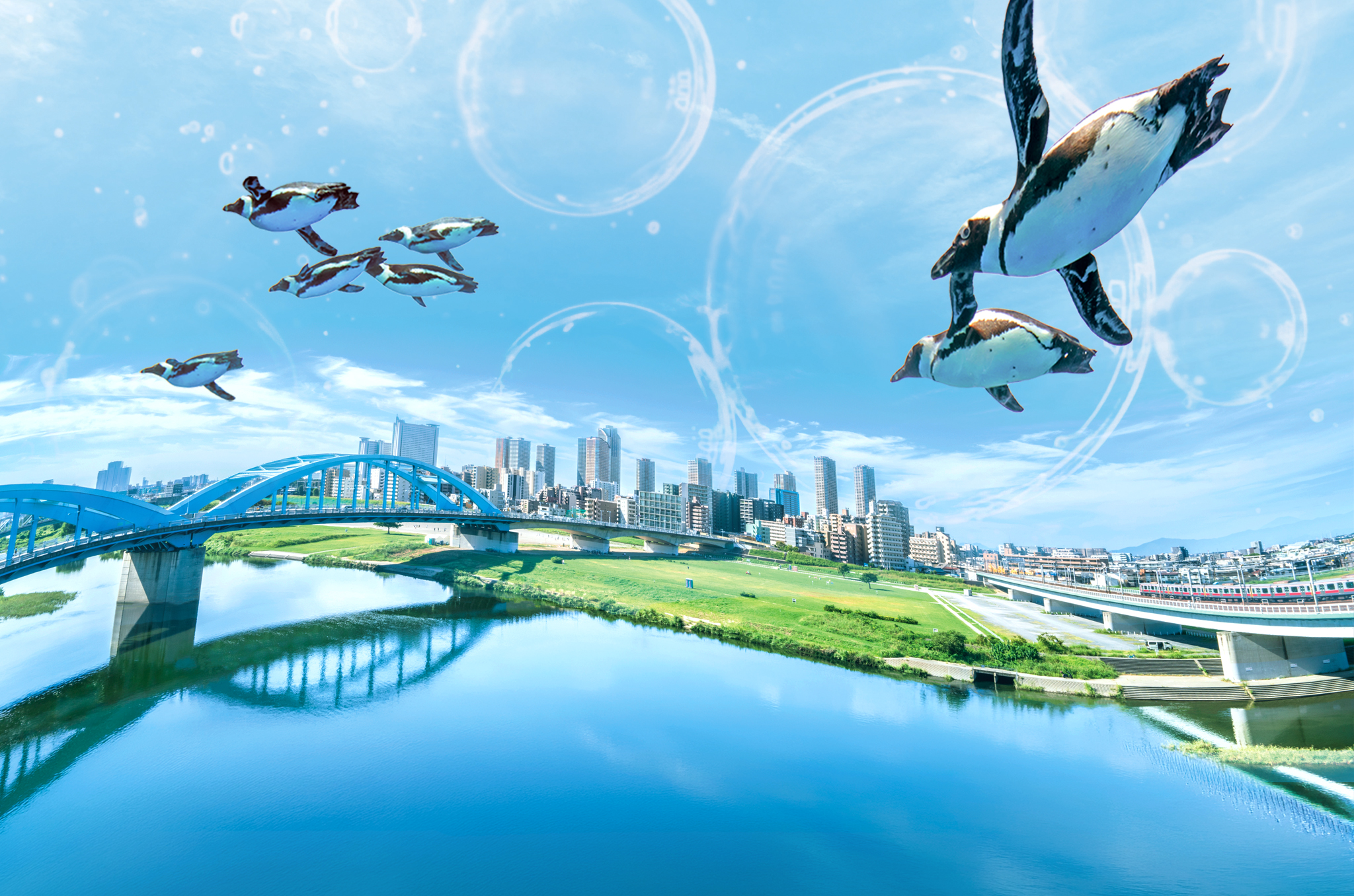
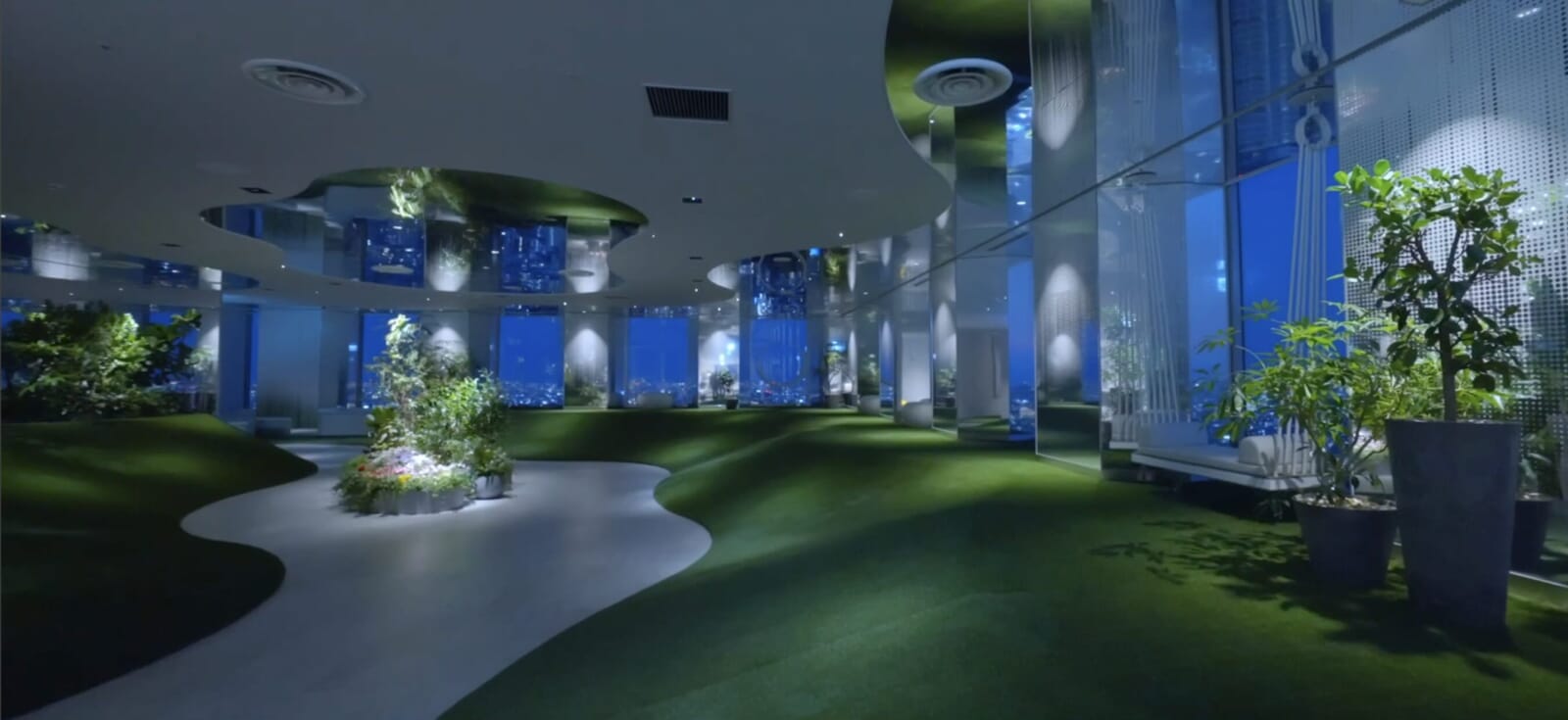
The "Sky Journey" area at the Sunshine Aquarium uses elevated, transparent tanks to create the illusion of marine life swimming through the skyline. Similarly, the Tenbou-Park observatory on the 60th floor of Sunshine City offers a manicured, artificial indoor lawn experience that perfectly mirrors the corporate-utopian concepts of the era. It is a space designed to bridge the gap between the comforts of an indoor office environment and the beauty of the natural world.
Tamagawa Sengen Shrine Lookout (Ota, Tokyo)
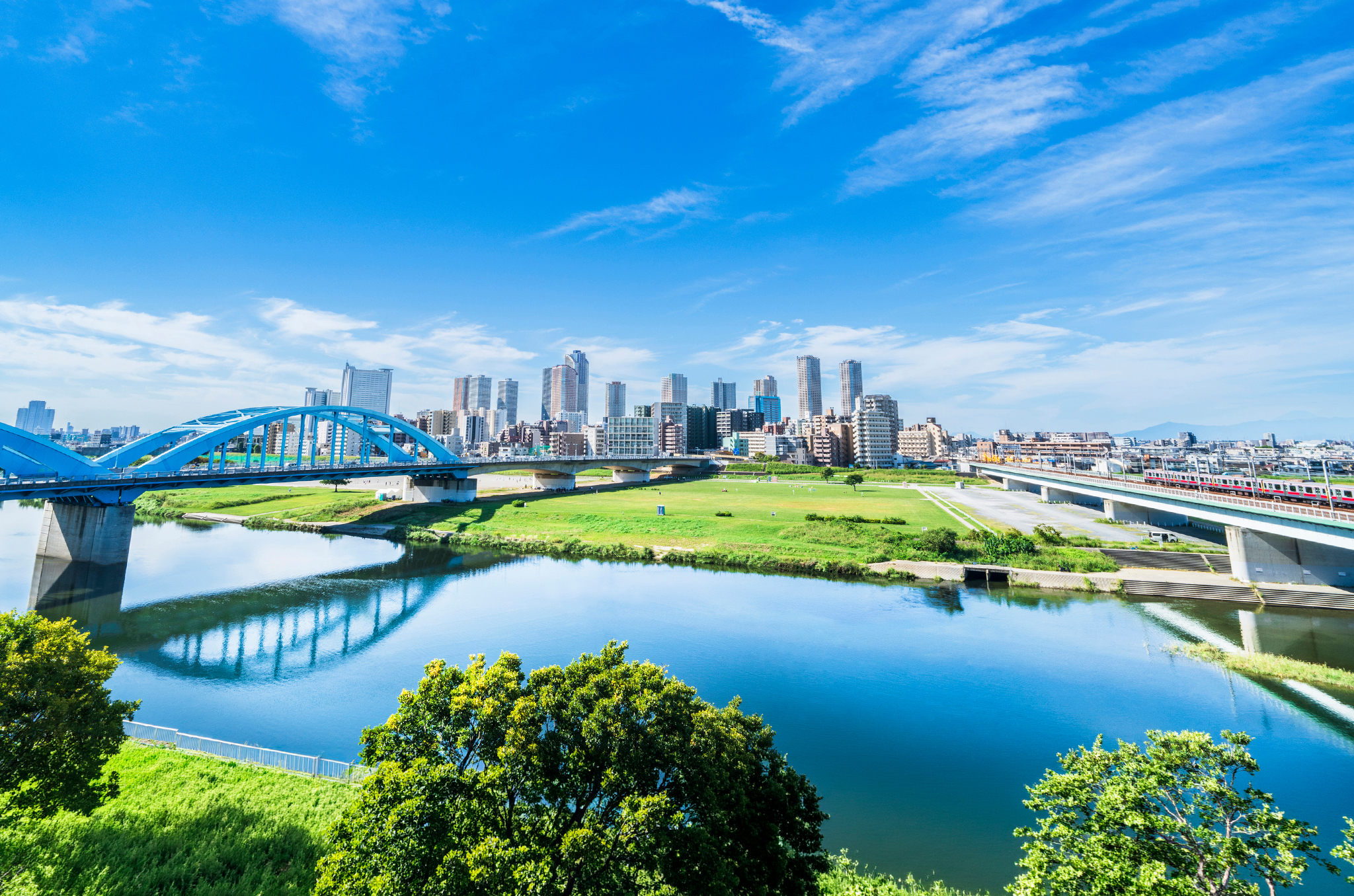
For those seeking the "original" wallpaper aesthetic, this location provides the quintessential view: a blend of the Tama River’s natural flow, the structural geometry of bridges and train lines, and a distant, clean cityscape. The inclusion of traditional shrine architecture adds a layer of spiritual, meditative calm that defines the more serene sub-genres of the aesthetic.
Hama-rikyu Gardens (Chuo, Tokyo)
This location highlights the "contrast" element of the aesthetic. By placing a historic Edo-period garden and seawater pond directly adjacent to the glass-and-steel skyscrapers of the Shiodome district, it encapsulates the exact tension Frutiger Aero sought to resolve: the marriage of the ancient natural world and the shimmering, futuristic city.
Miraikan (Odaiba, Tokyo)
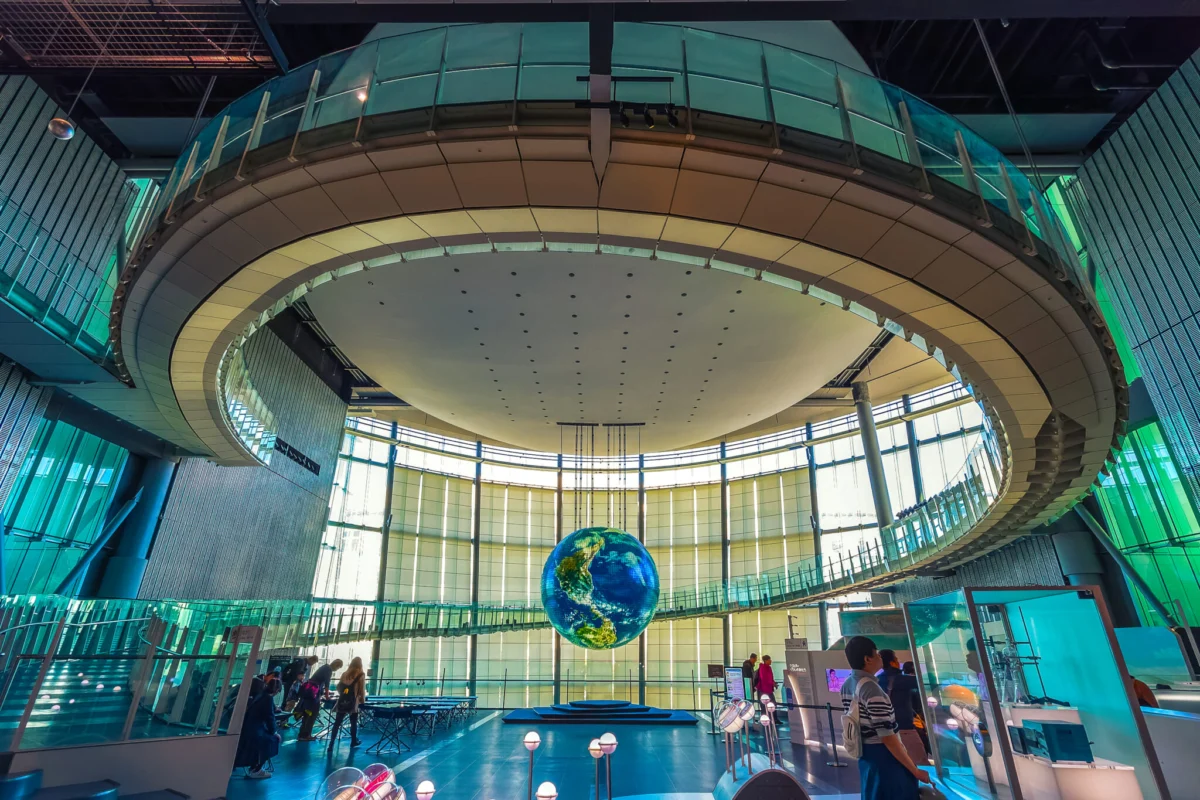
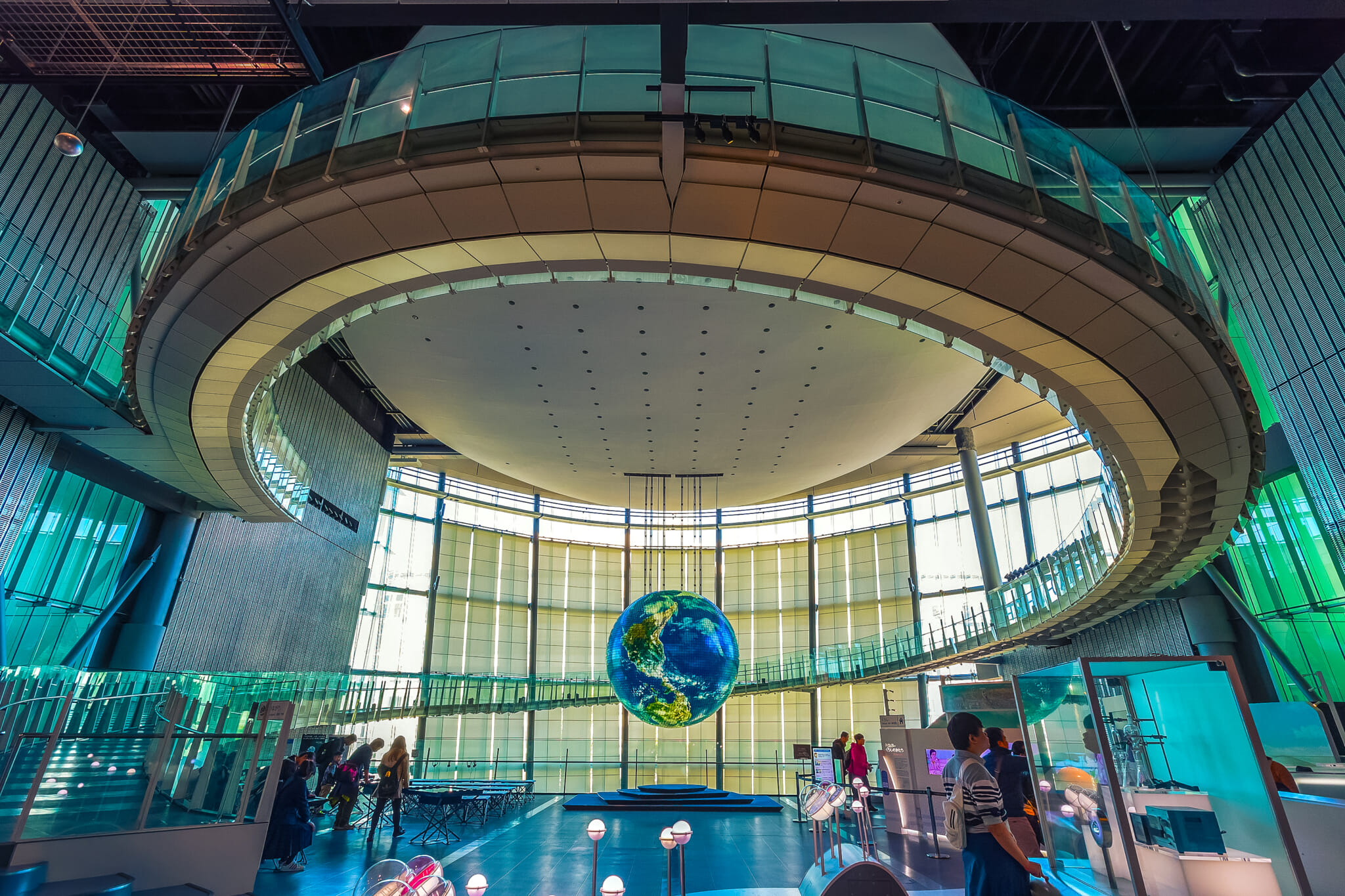
Finally, the National Museum of Emerging Science and Innovation stands as the monument to the era. Its Geo-Cosmos LED sphere and its focus on human-centric technological advancement remain the definitive, real-world expression of the 2000s’ hope for a brighter, more integrated, and more intelligent future.
Conclusion
Frutiger Aero is more than just a collection of gradients and gloss; it is an artifact of a specific human mindset. It is a testament to a time when we truly believed that technology would be the gardener of our planet, rather than its disruptor. As we navigate an increasingly complex and cynical digital landscape, these "Frutiger Aero" pockets—whether found in the archives of early software or the architecture of a Japanese plaza—serve as reminders of our capacity for optimism. They invite us to look at our screens, and our world, and ask if we can reclaim that sense of wonder, even if the future we arrive at looks nothing like the one we once imagined.