Nana Muazin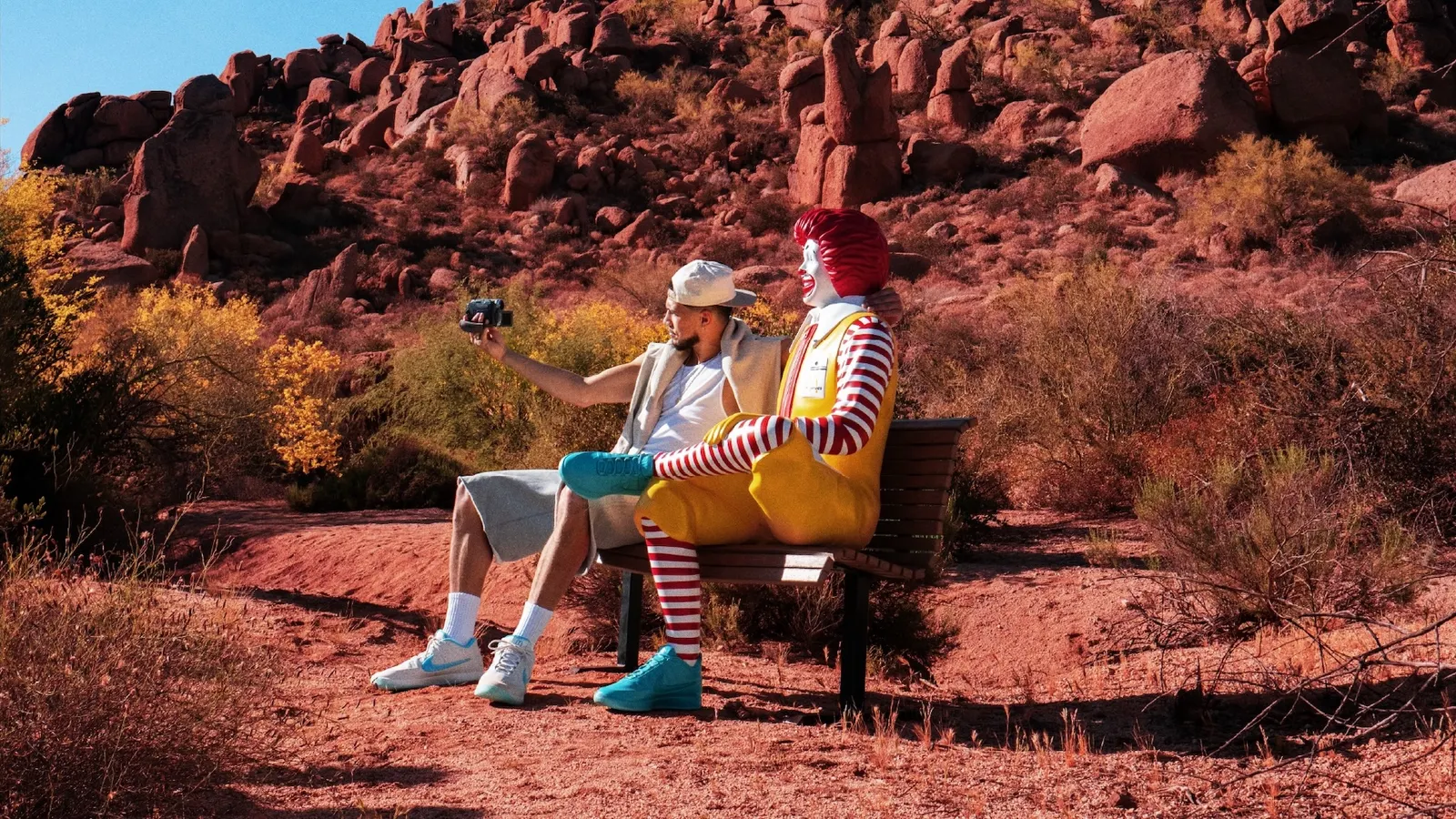
In an era where consumer loyalty is increasingly fragmented and digital attention spans are at an all-time low, McDonald’s has unveiled a bold roadmap for its future. On Monday, the world’s largest fast-food chain announced "McDonald’s > NEXT," a comprehensive strategic initiative designed to bolster growth, enhance operational productivity, and redefine the brand’s relationship with a generation of consumers who prioritize authenticity over traditional advertising.
Despite maintaining four consecutive quarters of same-store sales growth, the Golden Arches are not resting on their laurels. Facing a volatile economic landscape and an increasingly crowded competitive field, the company is pivoting toward a "fan-first" philosophy. This strategy transcends simple menu innovation or store remodeling; it seeks to transform McDonald’s from a dining destination into a foundational pillar of modern pop culture.
Main Facts: The "McDonald’s > NEXT" Strategy
The "McDonald’s > NEXT" framework is built on three central pillars: operational productivity, menu innovation, and a radical reimagining of hospitality. However, the most visible shift lies in its marketing strategy. No longer content to simply broadcast commercials to a passive audience, McDonald’s is actively seeking to "co-create" content with its fans.
The core objective is to meet consumers exactly where they exist in the digital sphere. By leveraging social listening and deep-diving into niche subcultures—ranging from anime and gaming to streetwear and music—the company is moving beyond mere brand awareness. It is positioning itself as a participant in the cultural zeitgeist. As Morgan Flatley, Executive Vice President and Global Chief Marketing Officer, noted, "Customers today don’t just want to see the brand, they want to feel part of it."
A Chronology of Cultural Integration
McDonald’s has spent the last several years methodically refining its approach to digital engagement. The company’s trajectory toward its current strategy can be traced through several high-profile successes:
- The Grimace Renaissance (2023): The viral "Grimace Shake" TikTok trend, which centered on the brand’s purple mascot, generated billions of views and turned a nostalgic character into a modern internet icon.
- The BTS Meal: By partnering with the K-pop phenomenon, McDonald’s demonstrated how to bridge the gap between global pop culture and mass-market retail, setting a blueprint for future celebrity-led "Famous Orders."
- The Return of the Snack Wrap: Utilizing social media to gauge and build hype for fan-favorite menu items, the company proved that transparency and direct communication with fans can drive significant foot traffic.
- The Devin Booker/Nike Collaboration (2024-2025): The recent launch of the "Nike Book 2 McDonald’s" sneaker represents the zenith of the company’s current strategy, blending athletic celebrity, sneakerhead culture, and localized brand history.
- The "Backrooms" Experiment (2025): The brand’s recent venture into "found-footage" aesthetics—mimicking the viral horror phenomenon known as the "Backrooms"—showcased a proactive, rather than reactive, approach to digital trends.
Supporting Data: Why Fandom Drives Revenue
While the creative elements of the "McDonald’s > NEXT" strategy grab headlines, the underlying data supports the necessity of this shift. In a saturated market, traditional marketing often suffers from diminishing returns. By contrast, McDonald’s has found that "cultural activations" drive significant app engagement and physical store visits.
The Nike Book 2 launch, for instance, was not just a sneaker drop; it was a multi-channel campaign. By utilizing a "found-footage" teaser, a scavenger hunt, and an early-access pop-up at a unique turquoise-arched location in Sedona, Arizona, McDonald’s converted online interest into tangible app downloads and physical store traffic. The general release of the sneakers sold out in less than 10 minutes, proving that the brand’s influence in specialized communities—such as the sneakerhead subculture—is immense.
Furthermore, the "always-on" social strategy, spearheaded by Amanda Mulligan, Director of Social Media and Creators, ensures that the brand remains relevant even during quiet periods in the marketing calendar. By analyzing the "fan truths"—the shared rituals and memories that unite consumers—the company creates content that feels organic rather than forced.
Official Responses and Strategic Philosophy
The architects of the "McDonald’s > NEXT" plan are clear about their objectives. For McDonald’s, cultural relevance is not a byproduct; it is a KPI (Key Performance Indicator).
"We don’t just insert ourselves to insert ourselves; we don’t just partner with a celebrity and do another Famous Order just for cultural clout," explains Amanda Mulligan. "We really do treat these as ideas. What is the idea? What is rooted in a fan truth, that shared ritual, behavior, or memory that all of our fans have that unite them?"
This philosophy marks a departure from the "celebrity endorsement" model of the early 2000s. Instead of buying a face, McDonald’s is investing in stories. Whether it is Devin Booker sharing his history as a McDonald’s All-American or the brand leaning into the lore of online horror stories like the "Backrooms," the strategy is rooted in authenticity. As Mulligan puts it, "We aren’t just adjacent to culture—we are the ones helping to drive it."
Implications: The Future of Fast-Food Marketing
The implications of this strategy are significant, both for McDonald’s and the broader restaurant industry.
1. From Passive to Participatory
The shift suggests that the era of the "static brand" is coming to a close. To survive in the next decade, brands must be willing to let go of total control. By co-creating with fans and acknowledging user-generated content, McDonald’s is effectively turning its customer base into an extension of its marketing department.
2. The Power of "Social Listening"
McDonald’s is doubling down on deep-immersion social listening. By having teams embedded in subcultures, the brand can identify trends before they hit the mainstream. The "Backrooms" video serves as a perfect example: because the brand was already aware of its presence in that community’s lore, it was able to move quickly and authentically, rather than appearing as an out-of-touch corporate entity trying to capitalize on a meme.
3. Operationalizing Culture
While the marketing is high-concept, it is tied directly to operational goals. Every social activation is designed to funnel traffic toward the McDonald’s app or into physical restaurants. By making the "experience" of getting the food—whether it’s waiting for a limited-edition drop or participating in a scavenger hunt—as important as the food itself, the brand is successfully defending its market share against competitors that focus solely on price and menu utility.
4. Navigating Economic Pressures
Persistent economic pressures mean that consumers are more selective about where they spend their discretionary income. By positioning itself as a cultural participant rather than just a utility, McDonald’s is attempting to create a "value" proposition that goes beyond dollars and cents. It is offering a sense of belonging, memory, and fun—qualities that are often undervalued in traditional economic analysis but are vital for long-term customer retention.
Conclusion: A New Era for the Golden Arches
As McDonald’s moves forward with "McDonald’s > NEXT," the challenge will be maintaining this level of authenticity as the brand continues to scale. The history of corporate cultural engagement is littered with "cringe-worthy" attempts to connect with youth culture. However, by treating every campaign as a story rooted in a "fan truth," McDonald’s has managed to avoid the common pitfalls of corporate pandering.
The company is no longer just selling hamburgers; it is selling a connection to the digital age. By effectively blending the global scale of a multinational giant with the nimbleness of a digital-native content creator, McDonald’s is setting a new, daunting standard for the fast-food industry. The Golden Arches, it seems, are intent on remaining the most recognizable brand on the planet by ensuring they are not just present in the conversation, but defining it.

 Nana
Nana
 Jia Lissa