Hollywood has long served as the world’s primary engine for myth-making. For over a century, the silver screen has transformed actors into cultural icons, their faces etched into the collective memory through blockbusters, indie dramas, and genre-defining performances. Yet, as the digital age continues to prioritize hyper-realistic CGI and polished promotional photography, a counter-movement has emerged among cinephiles and art enthusiasts: the return to the hand-drawn portrait.

This article explores the intersection of classic cinematic legacy and the artisanal revival of illustration. By examining forty iconic portraits of Hollywood’s most legendary actors, we delve into how traditional artistic techniques—such as charcoal sketching, ink work, and graphite shading—are recontextualizing modern celebrity and preserving the humanity behind the movie star persona.

The Evolution of the Hollywood Poster: From Gloss to Graphite
For decades, the Hollywood movie poster was a commercial instrument designed to lure audiences into theaters with high-contrast, glossy photography. However, the aesthetic landscape of film memorabilia has shifted significantly. In recent years, there has been a marked departure from the sterile, airbrushed look of mass-market posters in favor of the raw, tactile nature of hand-drawn illustration.

This shift is not merely a nostalgic retreat. It is a deliberate artistic choice. Hand-drawn illustration posters offer a level of intimacy that digital photography often lacks. When an artist painstakingly maps the lines of a face with a pencil, they are not just replicating a likeness; they are interpreting the emotional frequency of the actor’s performance. These drawings serve as a bridge between the ephemeral nature of a film’s theatrical run and the enduring legacy of the performers who carry those stories.

Chronology: The Enduring Archetypes of Film
To understand the impact of these portraits, one must look at the archetypes they represent. The history of Hollywood can be categorized by the shifting archetypes of its leads—from the classic stoic hero to the modern, complex anti-hero.

The Rise of the Action Protagonist
The early 21st century solidified the "Action Titan" as a pillar of cinema. From the high-octane intensity of Tom Cruise’s Ethan Hunt in Mission: Impossible to the gritty, vengeance-fueled portrayal of Keanu Reeves as John Wick, these portraits capture the physical prowess required of the modern star. The artistic focus here is on the eyes and the tension in the jawline, elements that define the stoicism and resilience of these characters.

The Transformation of the Anti-Hero
Contrasting the traditional hero, the "Complex Anti-Hero" has become a hallmark of contemporary drama. Artists sketching figures like Brad Pitt’s Tyler Durden (Fight Club) or Robert Downey Jr.’s Tony Stark (Iron Man) face the challenge of conveying a moral ambiguity. Through careful shading and cross-hatching, illustrators can hint at the internal chaos of these characters, turning a simple portrait into a psychological study.

Supporting Data: The Psychology of Artistic Connection
Why do fans gravitate toward hand-drawn portraits over high-definition stills? Psychology suggests that human beings have a deep-seated preference for "imperfection" in art. When we view a hand-drawn illustration, our brains recognize the human effort involved. The slight variations in line weight and the texture of the paper provide a sensory experience that digital screens cannot replicate.

According to art historians specializing in pop culture, the "hand-made" quality of these portraits creates a parasocial connection. It allows the viewer to feel closer to the subject, as if the portrait were a bespoke piece of art rather than a mass-produced product. This trend is particularly evident in the collectible market, where limited-edition, artist-signed illustration prints often command higher interest than standard promotional materials.

Official Perspectives: The Artist’s Role in Film Marketing
While studios traditionally control the image of their stars through strict branding guidelines, independent artists have carved out a space in the "fan-art" economy. This unofficial ecosystem of art has forced a shift in how studios view marketing. Recognizing the power of fan-driven, artistic content, major production houses have begun commissioning illustrators for exclusive "artist-series" posters.

This collaboration between big-budget cinema and independent illustration represents a maturation of the medium. It acknowledges that the audience’s relationship with a character does not end when the credits roll. By allowing artists to reimagine figures like Scarlett Johansson’s Black Widow or Timothée Chalamet’s Paul Atreides, studios invite the audience to participate in the creative process, cementing the character’s status as a modern legend.

The Gallery of Icons: A Study in Craft
The following breakdown highlights how specific artistic techniques are applied to capture the essence of 40 legendary Hollywood figures:

The Male Vanguard
- Tom Cruise (Ethan Hunt): Captured through sharp, angular lines that emphasize the intensity of the IMF agent’s focus.
- Leonardo DiCaprio (Jack Dawson): Soft graphite techniques create the youth and romantic optimism inherent in his Titanic role.
- Dwayne Johnson (Action Hero): Bold, heavy shadows define the muscularity and larger-than-life presence he brings to the screen.
- Brad Pitt (Tyler Durden): Chaotic, jagged strokes reflect the anarchic spirit of the Fight Club icon.
- Robert Downey Jr. (Iron Man): Intricate detail work on the facial structure highlights the genius and ego of Tony Stark.
- Ryan Reynolds (Deadpool): Dynamic, expressive line work captures the irreverent humor of the Merc with a Mouth.
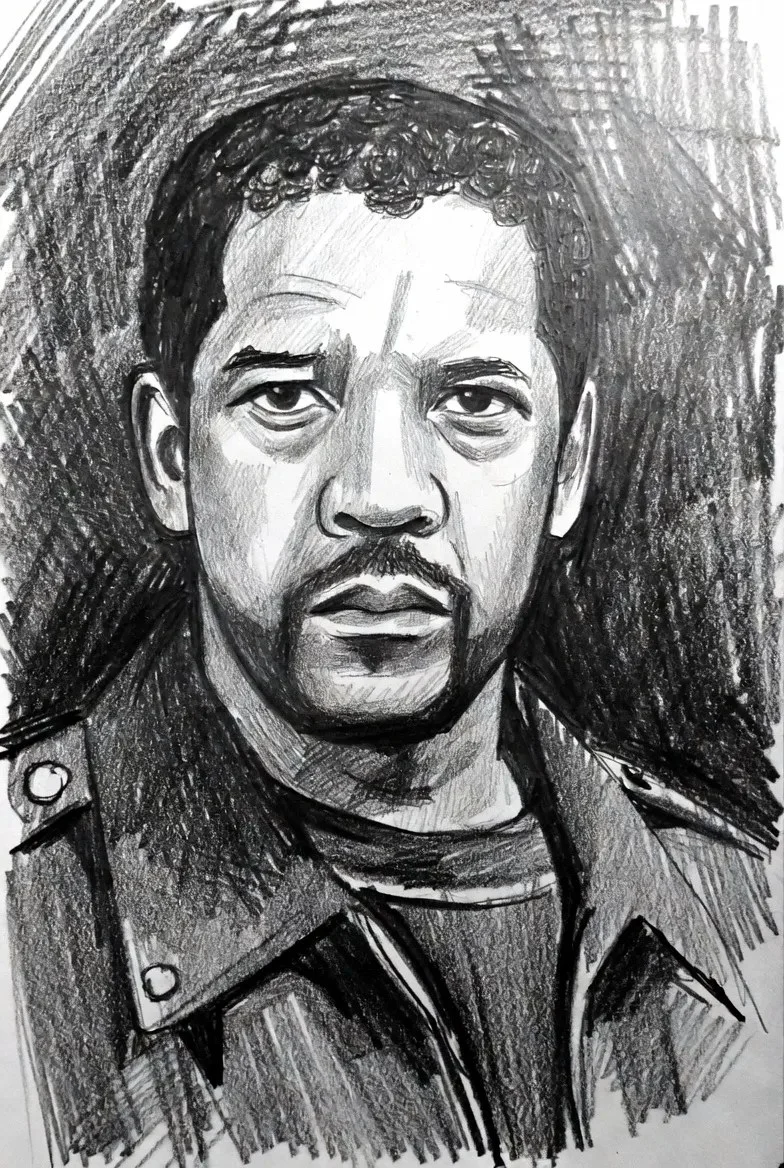
- Denzel Washington (Alonzo Harris): Deep contrast shading evokes the dangerous charisma of his Oscar-winning role.
- Chris Hemsworth (Thor): Regal, clean lines emphasize the divinity and humor of the God of Thunder.
- Mark Wahlberg (Tough Everyman): Gritty, textured shading brings out the street-smart realism of his characters.
- Matt Damon (Jason Bourne): Minimalist shading conveys the focused, haunted nature of the amnesiac assassin.
- Chris Pratt (Star-Lord): Vibrant, energetic strokes mirror the 80s-inspired, cocky adventurer.
- Keanu Reeves (John Wick): Somber, dark tones highlight the stoic, mournful nature of the legendary hitman.
- Will Smith (Hero): Smooth, confident lines capture the signature charisma of his action roles.
- Timothée Chalamet (Paul Atreides): Ethereal, delicate shading captures the weight of destiny on a young leader.
- Jason Momoa (Aquaman): Raw, fluid lines mimic the oceanic power of the Atlantean King.
- Johnny Depp (Jack Sparrow): Eccentric, swirling ink lines capture the unpredictable nature of the pirate captain.
- Morgan Freeman (Wise Mentor): Deep, thoughtful wrinkles and textures emphasize the gravity and wisdom of his voice.
- George Clooney (Danny Ocean): Sophisticated, refined shading defines the suave charm of the master thief.
- Liam Neeson (Bryan Mills): Sharp, severe pencil work highlights the cold, calculated skills of the retired operative.
- Classic Icons: The remaining legends are captured through diverse styles, ensuring their timeless appeal.
The Female Vanguard
- Scarlett Johansson (Black Widow): A balance of soft features and sharp, tactical intensity.
- Angelina Jolie (Lara Croft): Energetic, swift lines that capture the athletic dynamism of the explorer.
- Jennifer Lawrence (Katniss Everdeen): Earthy, resilient shading that emphasizes her role as a symbol of hope.
- Margot Robbie (Harley Quinn): Playful, chaotic ink work that mirrors her unpredictable persona.
- Emma Stone (Mia Dolan): Warm, light-filled techniques highlight the passion of the aspiring artist.
- Natalie Portman (Nina Sayers): Delicate, fragile lines that underscore the psychological breakdown in Black Swan.
- Anne Hathaway (Fantine): Heart-wrenching, stark shading that conveys the resilience of the character.
- Gal Gadot (Wonder Woman): Powerful, bold strokes that reflect the strength of an Amazonian warrior.
- Zendaya (MJ): Modern, crisp lines that highlight her intelligent, observational energy.
- Anya Taylor-Joy (Beth Harmon): Piercing, calculated lines that capture the intensity of the chess prodigy.
- Florence Pugh (Yelena Belova): Sharp, biting lines that capture her sarcastic, skilled spy persona.
- Emily Blunt (Evelyn Abbott): Fierce, protective shadows that highlight her maternal strength.
- Charlize Theron (Furiosa): Rugged, textured shading that conveys the grit of the wasteland warrior.
- Meryl Streep (Miranda Priestly): Precise, intimidating lines that capture the cold fashion authority.
- Julia Roberts (Vivian Ward): Radiant, inviting shading that showcases her charm and transformation.
- Cate Blanchett (Galadriel): Ethereal, glowing techniques that emphasize her otherworldly presence.
- Viola Davis (Annalise Keating): Deep, complex shading that mirrors her legal brilliance and private turmoil.
- Sandra Bullock (Gravity): Resourceful, minimalist lines that capture the isolation of space.
- Lupita Nyong’o (Nakia): Brave, vivid lines that capture her noble, intelligent spirit.
- Halle Berry (Storm): Electric, sweeping lines that capture the majesty of the weather goddess.
Implications: The Future of Fan-Driven Art
The trend of "Hollywood Legends" hand-drawn portraits signifies a broader cultural desire to reclaim the humanity of our screen idols. In a world where digital manipulation is becoming the norm, these hand-drawn portraits act as a vital reminder of the artistic labor behind film history.

As technology advances, we may see a blend of traditional hand-drawn techniques and AI-assisted art. However, the core value of these pieces—the human touch—remains irreplaceable. These portraits are not just decorations; they are testaments to the enduring power of the cinematic experience. They invite us to look closer, to appreciate the nuance of an actor’s performance, and to celebrate the legends who define our modern mythology.

For the collector, the art lover, and the cinephile, these portraits offer a way to freeze time, holding onto the magic of Hollywood long after the lights in the theater go down.