By Mustafa Mahmoud
In a period defined by profound organizational upheaval at Microsoft, the gaming giant has opted to maintain a facade of operational normalcy. While the industry continues to grapple with the fallout from significant structural shifts—most notably the termination of over 3,000 employees and the shuttering of five key development studios—Microsoft’s Xbox division is forging ahead with its primary value proposition: the Xbox Game Pass subscription service.
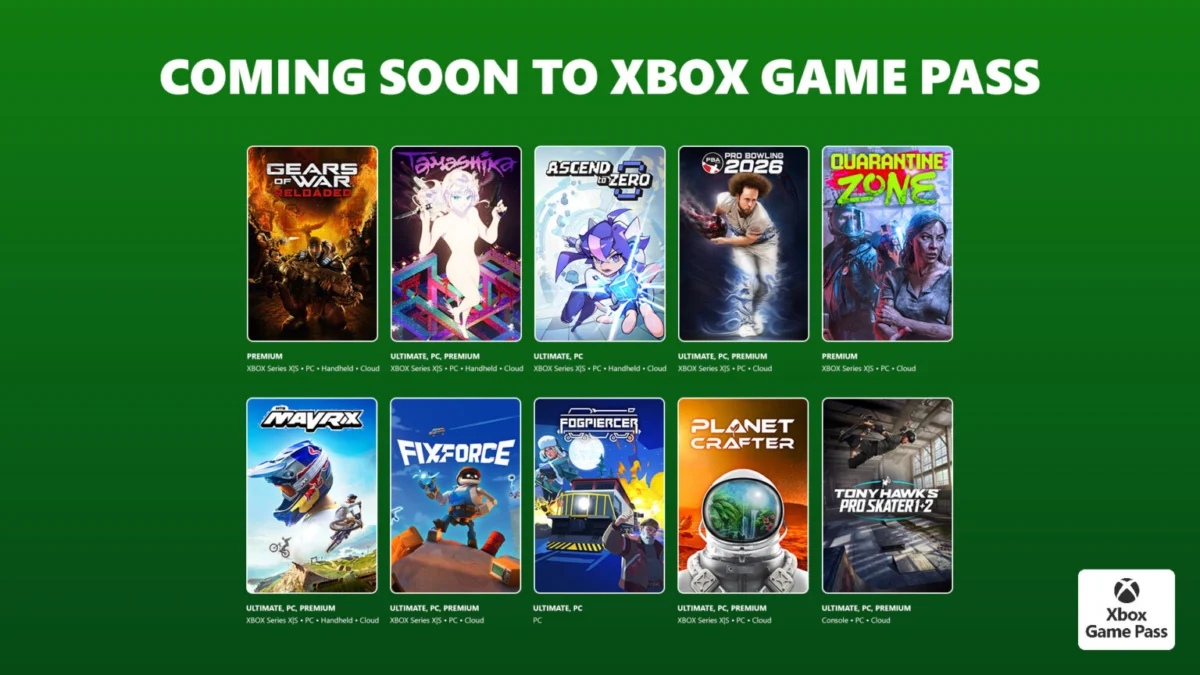
As the calendar turns to July 2026, the company has officially unveiled its latest wave of "Coming Soon" titles. However, the announcement arrives under a cloud of skepticism, as many observers note that the selection feels remarkably light for a mid-summer push.
Main Facts: The July 2026 Lineup
The latest update, detailed on the official Xbox Wire blog, outlines the content additions scheduled to hit the platform through the third week of July. For subscribers, this update serves as a critical pulse check on the health of the service during a year that has seen Microsoft pivot heavily toward cost-cutting measures and organizational consolidation.
The incoming roster of games, while varied in genre, lacks the high-profile "day-one" AAA blockbusters that have historically defined the service’s momentum. This "Wave 1" drop is indicative of a broader strategy where Microsoft appears to be leaning on a mix of indie titles, back-catalog entries, and mid-tier releases to sustain user engagement rather than aggressive, high-budget marketing pushes.
Full documentation regarding which specific titles are allocated to which subscription tiers—Game Pass Core, Standard, or Ultimate—is currently available via the official Xbox portal. Nevertheless, the initial market reception suggests that July 2026 may go down as one of the leaner months in the platform’s history, raising questions about the sustainability of the current content acquisition pipeline.
Chronology: A Season of Unrest
To understand the current state of Xbox Game Pass, one must view it through the lens of the company’s broader fiscal timeline.
- Q1 2026: Microsoft begins a series of internal audits, signaling a shift toward aggressive cost-optimization.
- May 2026: Xbox confirms a significant expansion of the service, adding 14 titles to bolster the library.
- Early July 2026: The company announces the formal closure of five studios, a move that sent shockwaves through the gaming press and prompted widespread debate regarding the future of the Xbox brand.
- July 7, 2026: Microsoft officially announces the first wave of July additions to Game Pass, attempting to steer the narrative back toward software accessibility despite the internal turmoil.
- July 15, 2026: A secondary, yet equally significant, milestone occurs as a selection of titles is rotated out of the service, effectively shrinking the library and forcing users to decide whether to purchase the departing games or lose access.
This timeline illustrates a clear dichotomy: while the software side of the business attempts to project continuity, the corporate side is engaged in a radical restructuring. The tension between these two realities has never been more palpable.

Supporting Data: The Cycle of Attrition
The Game Pass model relies on a delicate "churn" strategy: the constant influx of new content must outweigh the psychological and practical impact of content leaving the service.
Historically, subscribers have tolerated the departure of games, provided they were replaced by titles of equal or greater value. However, the July 2026 cycle is testing that tolerance. When comparing the list of departing games against the new arrivals, the "value delta" appears significantly smaller than in previous quarters.
Market analysts point to the "studio consolidation" factor as a primary culprit. With fewer internal studios producing active content, the reliance on third-party licensing deals becomes more pronounced. As Microsoft tightens its purse strings in other departments, the budget for securing high-profile third-party "Day One" releases is inevitably scrutinized. This leads to a selection that, while functional, lacks the "must-play" appeal that typically drives new subscriptions.
Official Responses and Corporate Strategy
Microsoft’s official communication remains focused on the "value" of the subscription. In their Xbox Wire statement, the company emphasized the diversity of the upcoming library, highlighting the range of genres available to users.
"We are committed to bringing the best experiences to our players," a spokesperson noted, choosing to focus on the variety of titles rather than the quantity.
However, industry insiders interpret this as a defensive posture. The company is currently operating under a mandate to prove that Game Pass can be profitable without the unchecked spending that characterized its early growth phase. By spacing out content drops and focusing on "evergreen" titles rather than high-risk, high-cost blockbusters, Microsoft is attempting to transition the service into a more sustainable, if less explosive, business model.
This, however, does little to placate the community, who have expressed frustration on social media and forums regarding the perceived lack of "prestige" titles in the July lineup.
Implications: What Lies Ahead?
The implications of this July update are twofold: one for the consumer, and one for the industry at large.
For the Consumer: The Dilution of Value
Subscribers are being asked to pay the same monthly fee for a service that, in terms of high-end, marquee content, appears to be experiencing a slow-motion dilution. If the trend of "weaker" monthly offerings continues, the churn rate—the number of users who cancel their subscriptions—could increase significantly. The reliance on legacy games and smaller indie projects is a valid strategy for diversity, but it cannot sustain a platform that promises "next-gen" value.
For the Industry: A Shift in Power
The broader implication is that the era of "growth at all costs" for subscription gaming is over. Microsoft, as the market leader, is setting a tone of austerity. Competitors like Sony and Nintendo are likely watching this performance closely. If Microsoft succeeds in maintaining its subscriber base with a leaner, more budget-conscious content strategy, we can expect the rest of the industry to follow suit. Conversely, if the lack of high-tier titles leads to a mass exodus, it will serve as a stark warning that the subscription model requires consistent, high-budget investment to remain viable.
The Looming Question: July’s Second Drop
All eyes are now turned toward the second half of the month. Can Microsoft pull a surprise "ace" from its sleeve to salvage the July perception? Historically, the second wave of the month often includes a sleeper hit or a title that was previously under-marketed. The community remains hopeful, yet tempered by the reality of the company’s current financial climate.
As we await further announcements, one thing is certain: Xbox is in a period of transition. The stability of the Game Pass service is no longer a given; it is a battleground between the need for fiscal discipline and the necessity of satisfying a discerning, and increasingly skeptical, global audience.
What do you think of July’s offerings? Is the service gaining more than it is losing? Will this trend of smaller, more frequent updates keep you subscribed, or are you waiting for a major flagship release to justify the cost? Let us know in the comments below.
Check Also: While the Xbox ecosystem navigates its internal restructuring, other major players continue to innovate. Recent reports indicate that the long-awaited Splinter Cell Remake has seen a series of new, albeit unconfirmed, leaks regarding its development progress. As Ubisoft looks to reclaim its footing, fans are eager to see if that title will eventually find its way into a subscription library or remain a standalone retail prospect.