Evan Lee Salim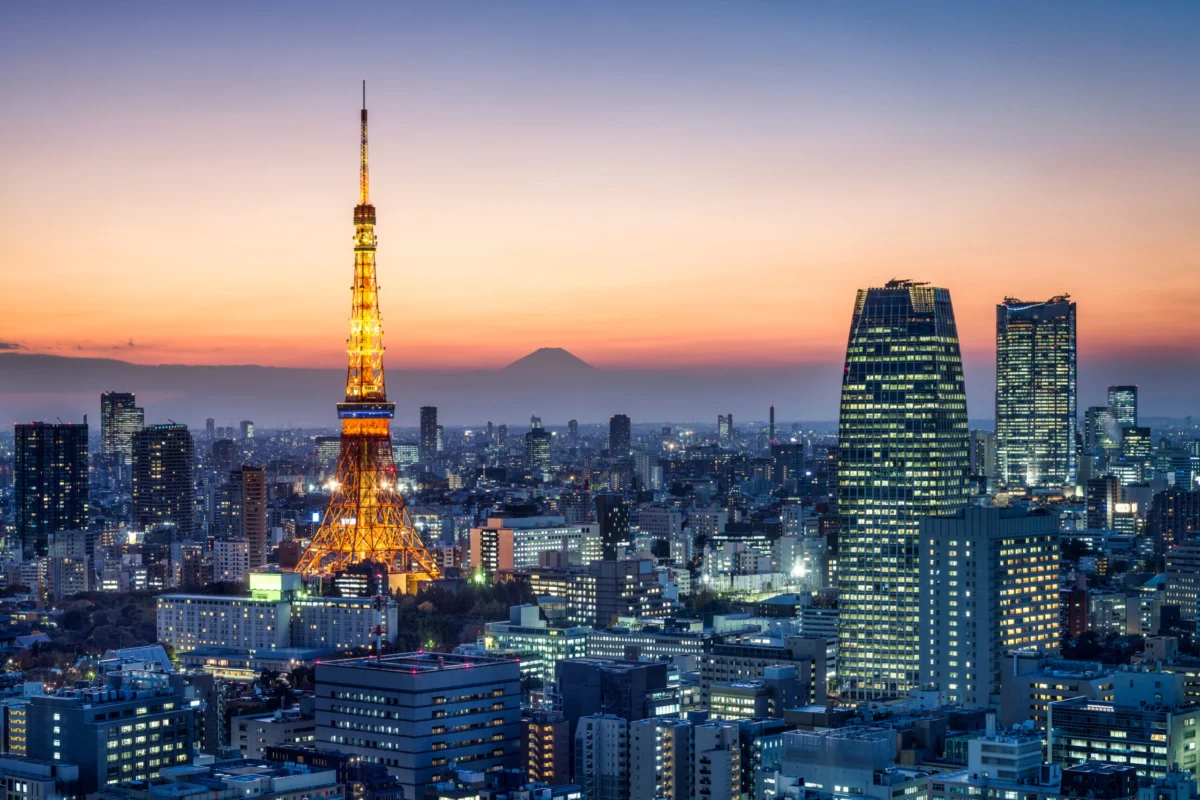
By Editorial Staff
Updated: July 9, 2026
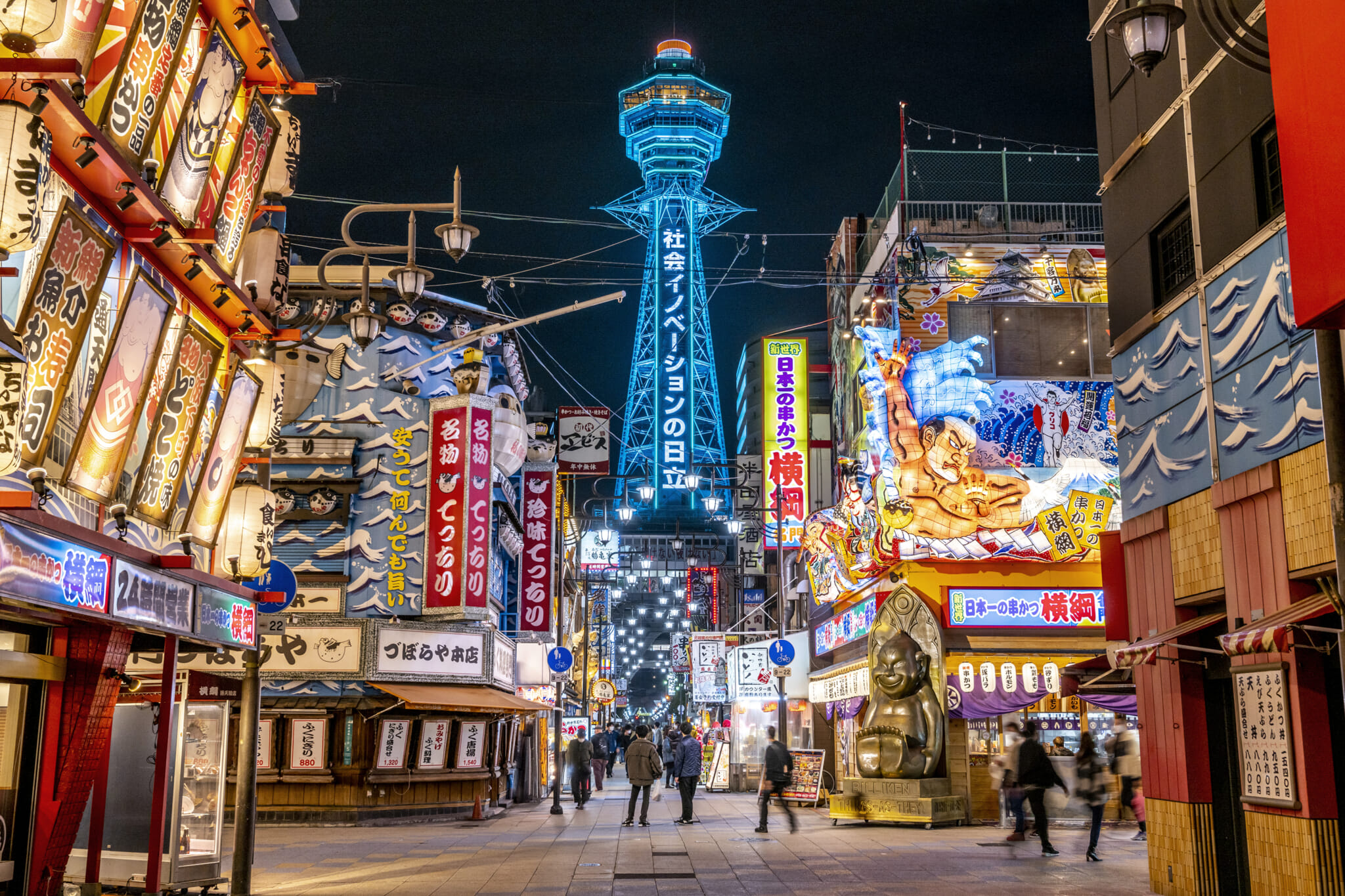
In a milestone achievement for the Japanese capital, Tokyo has officially entered the top 10 of the Economist Intelligence Unit’s (EIU) 2026 Global Liveability Index. Moving up three places from its 13th-place standing in 2025, Tokyo’s inclusion in the elite top tier marks a significant moment in the city’s post-pandemic urban evolution. While Tokyo celebrates its new status, it remains narrowly behind its domestic rival, Osaka, which has secured the seventh position for the second consecutive year.
The EIU’s annual report, a benchmark for international mobility, corporate relocation, and urban planning, assesses 173 cities across the globe. By evaluating more than 30 qualitative and quantitative factors, the index categorizes urban health into five pillars: stability, healthcare, education, infrastructure, and culture and environment.
The Pillars of Success: Why Japanese Cities Lead
The performance of Tokyo and Osaka in the 2026 index underscores the profound resilience and high-functioning nature of Japanese urban centers. Both cities achieved perfect scores—100 out of 100—in the categories of stability, healthcare, and education. This trio of accolades reflects Japan’s robust public safety standards, universal and highly accessible medical systems, and a rigorous, world-class educational infrastructure.
However, the divergence in their rankings—Osaka at seventh and Tokyo at tenth—boils down to the remaining two categories: culture and environment, and infrastructure. Tokyo edged out Osaka in the "culture and environment" sphere, securing 89 points against Osaka’s 87. This slight lead for the capital is attributed to its unparalleled concentration of international cultural venues, gastronomic density, and global connectivity.
Conversely, Osaka’s continued dominance in the "infrastructure" category allowed it to retain a higher overall position. Osaka’s urban planning, characterized by its highly efficient, integrated transit systems and recent investments in municipal resilience, continues to serve as a model for sustainable growth.
Global Context: Copenhagen’s Continued Reign
While the Japanese metropolises performed admirably, the global crown remains in Europe. For the second consecutive year, Copenhagen, Denmark, has claimed the top spot. The Danish capital, long lauded for its commitment to sustainability, bicycle-friendly urban design, and social equity, managed to hold off stiff competition from Vienna, Austria.
Vienna, which dominated the index for three consecutive years prior to the 2025 shift, remains a formidable contender, currently holding the second position. The EIU noted that both Copenhagen and Vienna mirror the Japanese cities in their achievement of perfect scores in stability, healthcare, and education, signaling that the "top tier" of global cities has reached a plateau of excellence in these essential sectors.
The remainder of the top 10 reflects a diverse global landscape, with a heavy emphasis on stability and climate-conscious infrastructure:
- Melbourne, Australia: Renowned for its cultural vibrancy and urban design.
- Sydney, Australia: Balancing economic growth with environmental integration.
- Adelaide, Australia: Noted for its high levels of safety and healthcare accessibility.
- Zurich and Geneva, Switzerland: Representing the pinnacle of European economic and political stability.
- Vancouver, Canada: Continuing to lead North America in livability through its focus on green spaces and multi-cultural integration.
Chronology: The Evolution of the Index
The 2026 results represent the culmination of a decade of shifting priorities in urban management.
- 2023: The post-pandemic world saw a massive rebound in "culture and environment" scores as lockdowns were lifted globally, allowing cities to reclaim their social and entertainment functions.
- 2024: Infrastructure became the primary focus for city planners, as global inflation led to a reassessment of public transit maintenance and digital integration.
- 2025: A year of stabilization, where the top 10 saw minimal movement, cementing the status of cities like Copenhagen and Osaka.
- 2026: A year of volatility in the bottom tier and incremental growth for Asian hubs like Tokyo. The 2026 index reflects the first time the impact of geopolitical instability in the Middle East has so drastically affected the index’s lower-tier rankings.
Geopolitical Instability and the Middle Eastern Decline
While the top of the list reflects a world of stability, the bottom of the 2026 index paints a starkly different, and increasingly concerning, picture. The conflict involving Iran has had a ripple effect across the Middle East, reducing livability scores region-wide. The average score for the Middle East has dropped to 61.2, a significant decline that illustrates how war, poverty, and institutional instability fundamentally degrade the quality of life.
For the first time, Tehran, Iran, has entered the bottom 10, dropping to 164th place. The EIU report highlights that the infrastructure of the city, coupled with the erosion of social stability and the direct impact of regional conflict, has made it increasingly difficult for residents to maintain a standard of living consistent with global expectations.
Damascus, Syria, remains at the bottom of the list, a position it has held for several years. Tripoli, Libya, and Dhaka, Bangladesh, also remain among the least livable cities. The EIU identifies a common thread among these cities: the total collapse of stability and the subsequent failure of healthcare and educational institutions under the weight of sustained conflict.
Implications for Urban Policy
The 2026 Index serves as more than just a ranking; it is a diagnostic tool for municipal governments worldwide.
The Infrastructure Gap
For cities looking to break into the top 10, the data suggests that investment in "hard" infrastructure is no longer enough. The cities that are climbing the ranks are those that integrate "soft" infrastructure—digital connectivity, green energy transitions, and inclusive public spaces—with traditional transit and utilities. Osaka’s performance, compared to Tokyo’s, shows that a city can be highly ranked even without being the national capital, provided it prioritizes the efficiency of its daily urban operations.
The Stability Dividend
The contrast between the top 10 and the bottom 10 underscores the "stability dividend." Cities that invest in the social contract—healthcare and education—enjoy a compounding effect on their economic attractiveness. As corporations look to relocate talent, they are increasingly relying on the EIU Index to minimize risk. Tokyo’s entry into the top 10 is likely to boost its efforts to attract international talent and foreign direct investment, potentially strengthening its economic position against rivals in Singapore and Hong Kong.
Environmental Imperatives
The inclusion of three Australian cities and two Swiss cities in the top 10 highlights a growing trend: the "livability premium" associated with environmental management. As climate change continues to impact urban areas, the cities that are proactively adapting their infrastructure to withstand extreme heat and weather events are the ones retaining their high scores.
Official Responses and Future Outlook
While local governments in Tokyo have yet to release a comprehensive policy shift in response to the 2026 ranking, city officials in the Minato and Chiyoda wards have expressed satisfaction with the progress. The consensus among urban planners in Tokyo is that the focus for the next decade will be "super-aging society integration." Even with perfect scores in healthcare, the challenge remains to keep these systems functional as the demographic profile of the city continues to age.
The EIU concludes the report with a cautious outlook. While the global average for livability has seen a slow recovery since the nadir of 2021, the widening gap between the world’s most stable cities and those affected by regional conflict remains the most pressing issue for global development.
For Tokyo, the challenge will be to maintain its upward momentum. To overtake Osaka and challenge the European leaders, the capital must navigate the dual pressures of an aging population and the need for constant, climate-resilient infrastructure renewal. As the 2026 Index shows, being among the top 10 is an achievement, but in a world of increasing instability, staying there is the true test of a city’s design.
Data Summary Table: 2026 Global Liveability Index (Select Cities)
| City | Overall Score | Stability | Healthcare | Education | Infrastructure | Culture |
|---|---|---|---|---|---|---|
| Copenhagen | 98.5 | 100 | 100 | 100 | 96.4 | 95.8 |
| Vienna | 98.2 | 100 | 100 | 100 | 95.0 | 94.0 |
| Osaka | 96.1 | 100 | 100 | 100 | 96.8 | 87.0 |
| Tokyo | 95.8 | 100 | 100 | 100 | 94.2 | 89.0 |
Note: Scores are based on the EIU methodology which evaluates 173 cities. The index is updated annually to reflect changing geopolitical and economic conditions.


 Neng Nana
 Asro
Asro