In the vast, often saturated landscape of the survival horror genre, the pursuit of genuine dread typically involves psychological trauma, grotesque monstrosities, or the lingering fear of the supernatural. However, a new title on the Nintendo Switch is challenging these conventions by introducing a villain that is as buck-toothed as it is bloodthirsty. Don’t Mess With Bober is a surreal, comedic survival horror experience that dares to ask the question: What happens when a peaceful lakeside retreat turns into a battle for survival against an aggrieved woodland creature?
While the game occupies a niche space in the digital marketplace, it has garnered attention for its unwavering commitment to its own absurd premise. By blending standard survival mechanics with a "so bad it’s good" narrative style, Don’t Mess With Bober provides a unique case study in how developers can leverage campy humor to revitalize the often-exhausted tropes of the indie horror scene.
The Core Premise: A Cabin in the Woods Gone Wrong
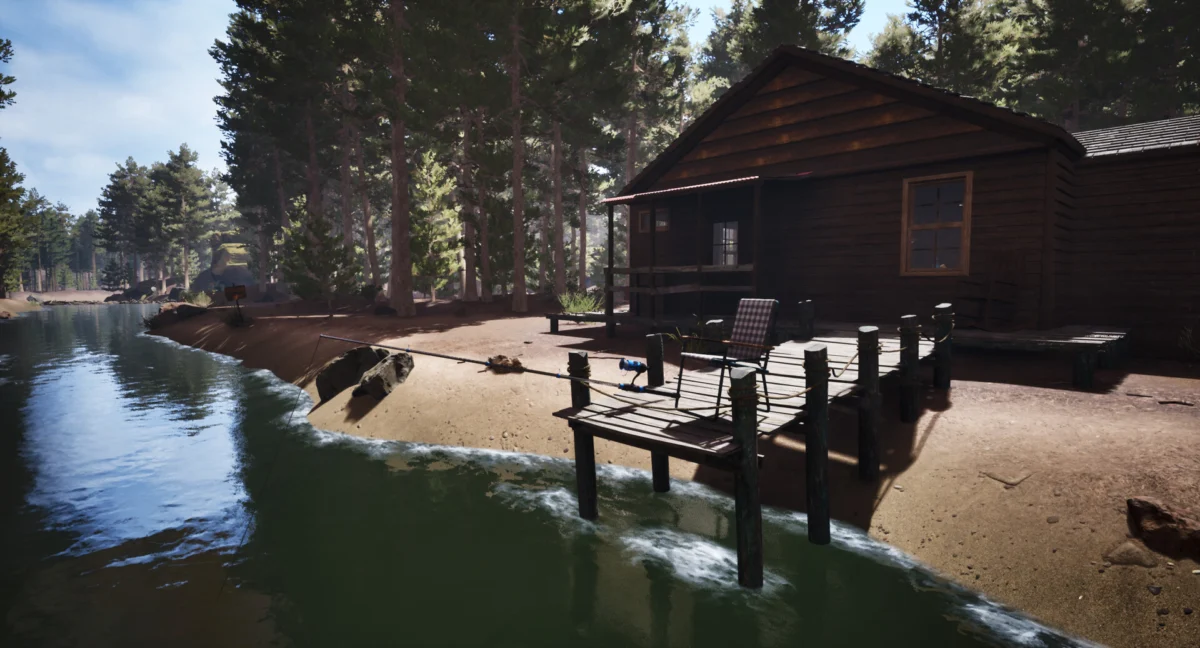
The narrative architecture of Don’t Mess With Bober is intentionally minimalist, leaning heavily into the classic "cabin in the woods" trope that has defined horror cinema for decades. The player assumes the role of an unnamed protagonist seeking a temporary escape from the pressures of modern life. Seeking solace, the protagonist ventures to a remote lakeside cabin, hoping for nothing more than a quiet, disconnected weekend.
Predictably, this tranquility is shattered shortly after arrival. The antagonist, a beaver named Bober, is introduced not as a monster from the abyss, but as a territorial, vengeful force of nature. Once the protagonist inadvertently crosses this woodland creature, the game shifts from a peaceful exploration simulator to a high-stakes survival struggle. The narrative, while objectively ridiculous, succeeds precisely because it refuses to take itself seriously, creating an atmosphere that balances genuine tension with self-aware comedy.
Chronology of Gameplay: From Exploration to Evasion
The gameplay loop of Don’t Mess With Bober is structured into a series of distinct phases, each designed to escalate the tension as the player delves deeper into the woods surrounding the cabin.
Phase 1: The Initial Arrival
The game begins with a standard walking-simulator setup. Players are invited to explore the cabin and its immediate surroundings. The pacing here is deliberate, establishing the atmosphere of isolation. By limiting the player’s vision to a flashlight, the developers utilize darkness as a primary tool for environmental storytelling.
Phase 2: The Provocation
The transition into "horror" occurs once the player interacts with Bober. This pivotal moment serves as the catalyst for the game’s primary conflict. The shift is abrupt, effectively signaling that the protagonist’s peaceful vacation has effectively concluded.

Phase 3: The Survival Cycle
Once Bober is established as the primary threat, the gameplay introduces light puzzles and chase sequences. Players must navigate the forest, using items found in the environment to solve minor obstacles while simultaneously avoiding the persistent, aggressive beaver. The tension is derived from the unpredictability of Bober’s appearances, which are often accompanied by well-timed jump scares.
Phase 4: The Climax and Resolution
The experience concludes in a relatively short window—averaging about one hour of total playtime. This brevity is a conscious design choice, ensuring that the joke does not overstay its welcome while keeping the player engaged in the fast-paced, high-stakes finale.
Supporting Data: Why Absurdism Works in Horror
The success of Don’t Mess With Bober highlights an interesting trend in contemporary indie gaming: the effectiveness of "camp-horror." According to behavioral studies on gaming media, players often respond positively to games that break the tension with humor, as it prevents the "horror fatigue" that can set in during longer, more oppressive titles.
The "so bad it’s good" aesthetic, which Don’t Mess With Bober fully embraces, has a long history in film—think Evil Dead or Killer Klowns from Outer Space. By applying this to gaming, the developers have crafted a product that is perfectly tailored for the modern streaming era. Platforms like Twitch and YouTube have fostered a culture where games that feature "memorable" or "meme-worthy" villains often receive greater visibility. Bober, as a revenge-driven, high-concept villain, fits this criteria perfectly.
However, the data also suggests that such games face a ceiling. The "rough around the edges" nature of the game—including stiff character movement and occasionally disjointed voice acting—often limits its critical reception compared to more polished AAA titles. While it may not win awards for technical perfection, it succeeds in the metrics that matter most to its target audience: engagement, replayability for streaming, and memorable moments.
Official Responses and Developer Intent
While the developers have remained largely quiet regarding the specific "lore" of Bober, their design philosophy is clear through the final product. The choice to utilize rudimentary gameplay mechanics is an intentional pivot away from complex systems in favor of accessibility. By stripping away the bloat of modern survival games, they allow the player to focus on the core narrative hook.
In early community outreach, the development team noted that their goal was to create a "bite-sized" experience that viewers could consume in a single sitting. They aimed for a balance between genuine scares—which keep the heart rate elevated—and the inherent silliness of being hunted by a beaver, which keeps the player entertained. This duality is the secret to the game’s longevity on social media platforms.

Implications for the Future of Indie Horror
The existence of Don’t Mess With Bober carries significant implications for the indie gaming industry. As the barrier to entry for game development continues to drop, we are seeing a rise in "high-concept, low-budget" titles. These games do not aim to revolutionize the genre; instead, they aim to offer a specific, potent experience that fills a gap in the market.
1. The Rise of the "Micro-Horror"
We are likely to see more titles that clock in at under two hours. These games provide a complete narrative arc without requiring a significant time investment from the player. For busy gamers and content creators, this is an increasingly attractive model.
2. The Power of the "Meme-Villain"
Bober joins the ranks of other iconic, low-budget horror antagonists. The ability to create a character that is instantly recognizable and inherently humorous is a powerful marketing tool. Future indie titles will likely lean into this, prioritizing personality over photorealistic graphics.
3. Embracing Technical Imperfection
There is a growing segment of the gaming community that views "jank" or technical roughness as a feature rather than a bug. When a game is intentionally absurd, players are more forgiving of poor voice acting or basic collision detection. This creates a "safe space" for developers to experiment with unconventional ideas that might otherwise be rejected by more traditional publishers.
A Final Assessment: Is the Beaver Worth the Bite?
Ultimately, Don’t Mess With Bober is a title that understands exactly what it is. It does not aspire to be the next Resident Evil or Silent Hill. Instead, it sets out to provide an hour of chaotic, adrenaline-fueled fun, and in that regard, it succeeds.
While the gameplay remains basic and the production values are undeniably sparse, the game’s commitment to its absurd premise is refreshing. In an industry that often takes itself far too seriously, there is immense value in a game that allows us to laugh at the absurdity of our own fears. Whether you are a fan of horror or simply looking for an entertaining, quick-fix experience, Don’t Mess With Bober stands as a testament to the fact that sometimes, the most memorable monsters are the ones you never saw coming—and the ones you definitely shouldn’t have messed with.
As we look toward the future of the horror genre, we should expect to see more of these "oddball" entries. They remind us that the heart of gaming is not just about performance or fidelity—it is about the experience, the story, and occasionally, a very angry beaver.