

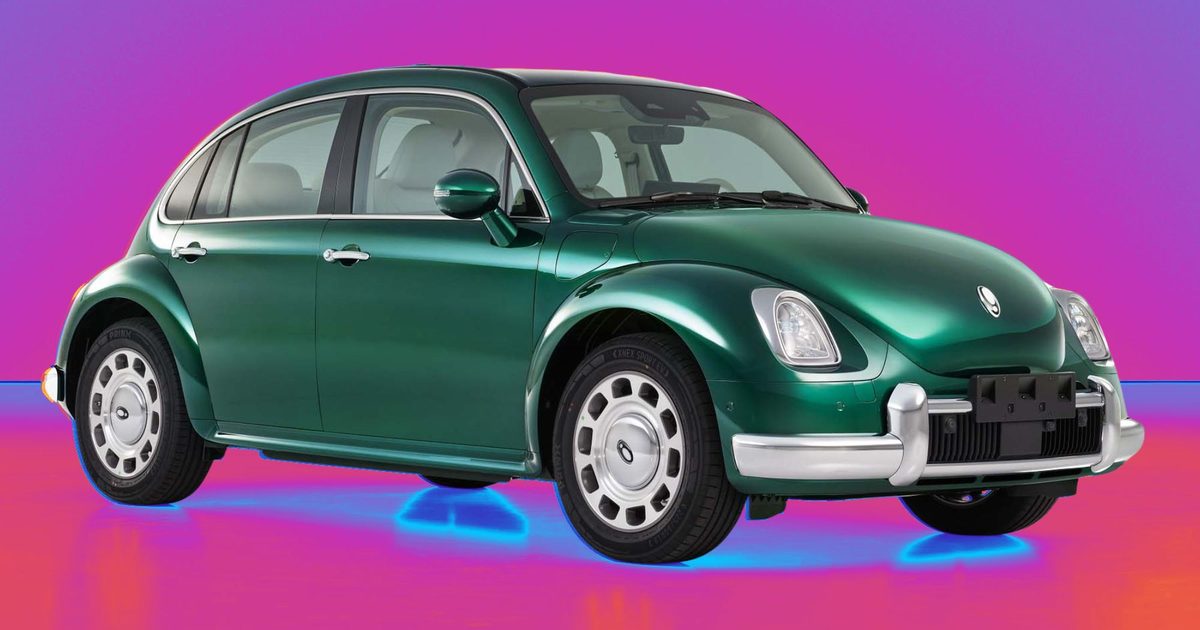
The Volkswagen Beetle may have concluded its historic production run, but its design DNA continues to haunt the automotive industry—most notably in the form of the Ora Ballet Cat. Produced by the Chinese automotive giant Great Wall Motor (GWM), this retro-styled electric hatchback captured global headlines upon its debut for its uncanny resemblance to the legendary “People’s Car.” However, after a lackluster sales performance, GWM is not ready to consign the model to the history books. Instead, the company is preparing a strategic relaunch, betting that a combination of increased mechanical performance and a simplified brand identity will transform a niche curiosity into a viable contender in the hyper-competitive Chinese electric vehicle (EV) market.
Main Facts: A Technical Overhaul for a Retro Silhouette
According to recent regulatory filings released by China’s Ministry of Industry and Information Technology (MIIT), the refreshed iteration of the Ora Ballet Cat is poised for significant mechanical upgrades. While the exterior retains the iconic, nostalgia-heavy aesthetic—characterized by rounded LED headlamps, exaggerated wheel arches, and a sweeping, aerodynamic roofline—the engineering team at GWM has prioritized substance over style in this upcoming revision.
The most notable change is the powertrain. The previous 126kW (169hp) electric motor is being retired in favor of a more robust 150kW (201hp) unit. This 40-horsepower increase is expected to fundamentally alter the vehicle’s driving dynamics, pushing its top speed from a modest 155 km/h to a more highway-capable 180 km/h. Furthermore, the vehicle will continue to utilize high-density LFP (Lithium Iron Phosphate) batteries supplied by SVOLT, a GWM-owned battery manufacturer.
Beyond the powertrain, the filings indicate a move toward a more standardized naming convention. Reports suggest that GWM may drop the “Ballet Cat” moniker entirely in favor of "Ora 6," a branding shift designed to bring the vehicle into alignment with the company’s newer, numerical-based lineup, such as the Ora 5 and the high-performance Ora 7.
A Chronological Perspective: From Launch to Rebirth
The timeline of the Ballet Cat is a study in the volatility of the modern Chinese EV market.
- 2021-2022: The concept was first teased and eventually launched in 2022. It was marketed aggressively as a "lifestyle" vehicle, specifically targeting female demographics. The car made international news not just for its looks, but for its "Lady Driving Mode" and "Warm Man Mode," features designed to assist drivers during menstruation or high-stress traffic situations.
- 2022-2025: The model experienced a period of stagnant growth. Despite the initial buzz, the car struggled to find a consistent buyer base. Sales data from the China EV DataTracker indicates that cumulative deliveries stalled at approximately 8,523 units over four years, highlighting a disconnect between the car’s viral fame and actual consumer adoption.
- 2026: Regulatory filings surfaced in mid-2026, revealing that GWM had been secretly developing an updated, more powerful variant of the chassis.
- Late 2026 (Projected): The official commercial relaunch is expected to take place, with GWM hoping to capture a more pragmatic audience that values the retro design but previously found the vehicle’s performance specifications underwhelming.
Supporting Data: Why the Pivot?
The decision to refresh the Ballet Cat is rooted in hard data. When the vehicle launched in 2022, it was positioned as a premium-adjacent lifestyle product. With a starting price between 193,000 and 223,000 yuan (approximately $28,480 to $32,905), it was well-equipped, offering CLTC ranges of 401km to 500km and standard Level 2 autonomous driving features via the ORA-Pilot system.
However, the Chinese EV landscape has shifted dramatically since 2022. The market is currently defined by a "price war," with manufacturers like BYD and Xiaomi pushing down costs while simultaneously offering superior performance metrics. By failing to offer a high-performance option, the original Ballet Cat was quickly marginalized. The move to a 150kW motor is a direct response to this competitive pressure, attempting to bridge the gap between "cute retro-car" and "capable daily commuter."
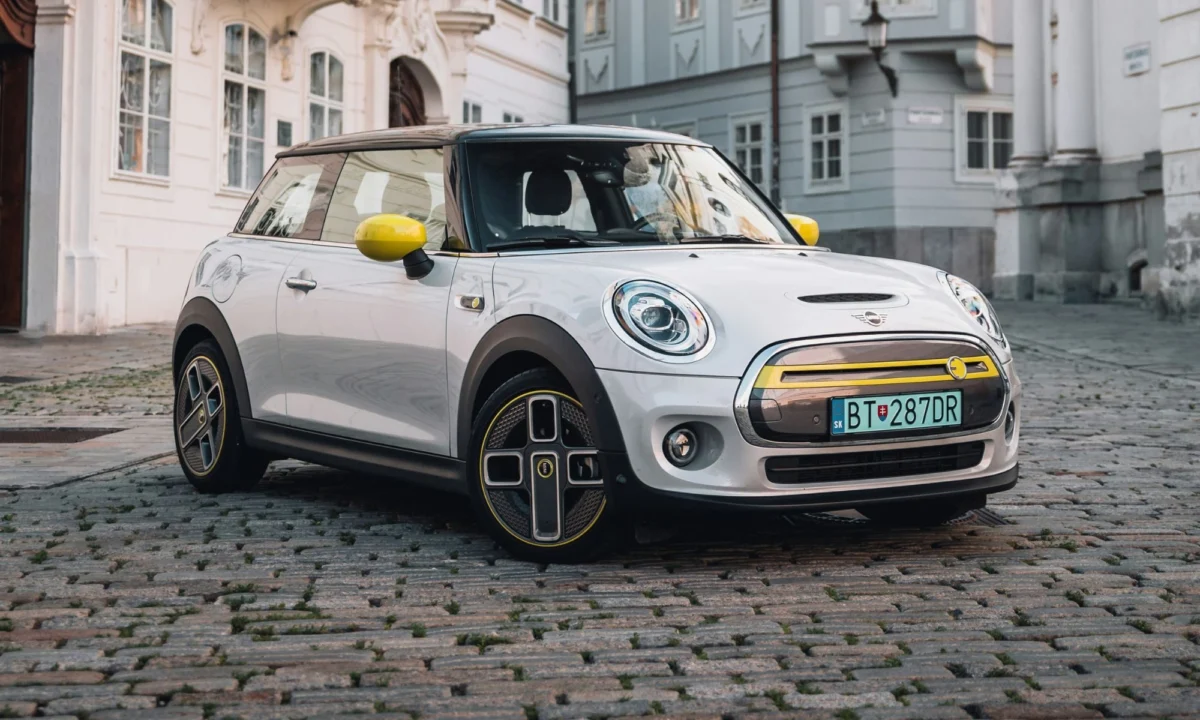
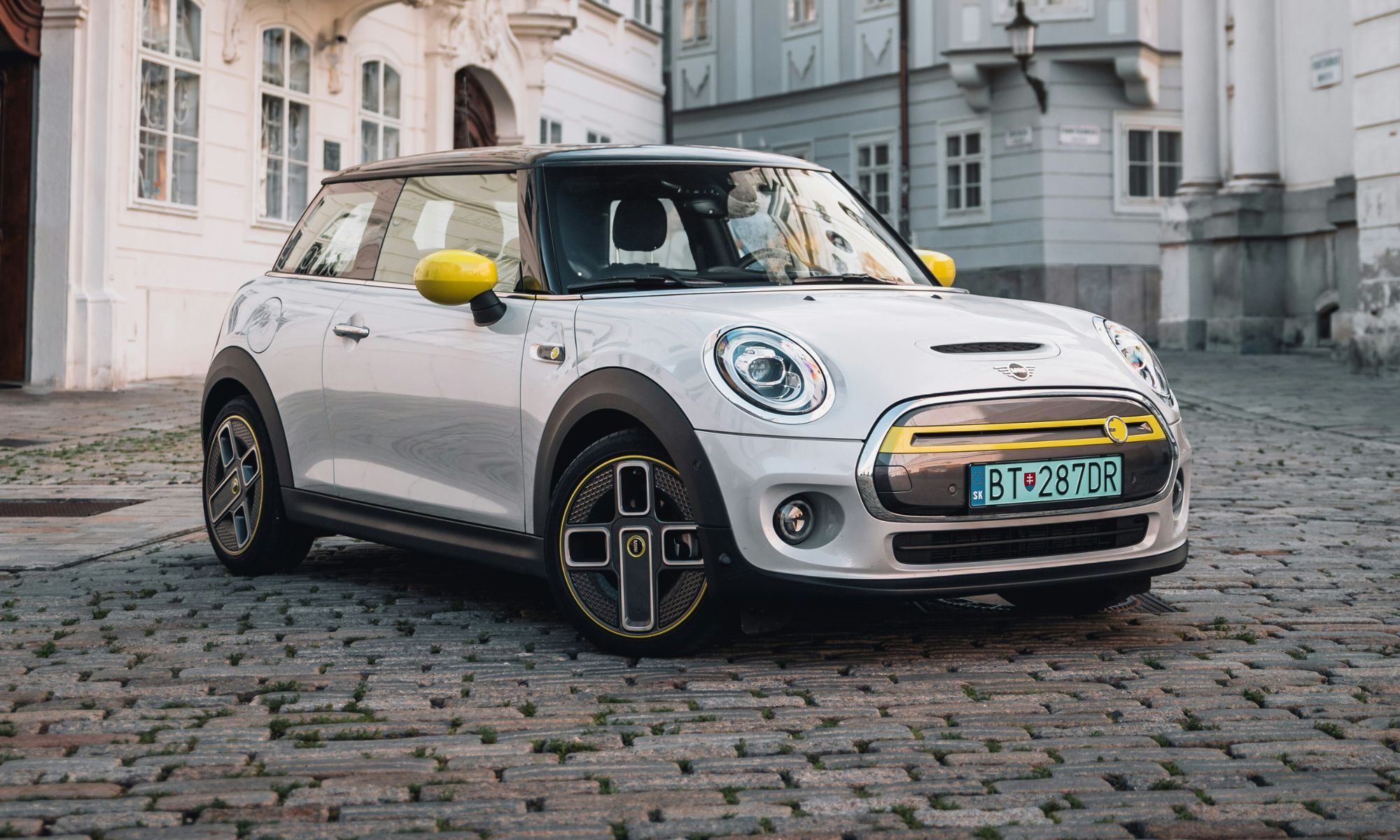
Furthermore, GWM’s broader corporate strategy provides the necessary resources to pull off this reboot. As the parent company of brands like Haval, Tank, and Ora, GWM has also cultivated a 50:50 joint venture with the BMW Group known as Spotlight Automotive. This partnership has allowed GWM to manufacture the latest generation of the MINI Cooper Electric and the MINI Aceman. The technical expertise gained from working alongside BMW engineers is being leveraged to refine the build quality and electric architecture of the new Ora 6, suggesting that this iteration will be a much more polished product than its predecessor.
Official Responses and Corporate Strategy
While GWM has maintained a degree of silence regarding the specific future of the "Ballet Cat" name, the filing details speak volumes. The company is pivoting away from the "cat-themed" branding strategy that characterized its early forays into the EV space. By moving toward a numbered naming system, GWM is signaling a desire to be perceived as a serious, global automotive manufacturer rather than a niche boutique brand.
Industry analysts suggest that this is a "survival of the fittest" move. In an environment where dozens of new EV models are launched every quarter, a car that relies solely on nostalgia and quirky software features is unlikely to survive. The shift toward a more powerful, "Ora 6" identity reflects a desire to normalize the vehicle within the broader Ora ecosystem, making it a viable alternative for buyers who want the aesthetics of a classic car without the mechanical compromises of an entry-level EV.
Implications: Can Nostalgia Outrun Competition?
The implications of the Ora 6’s relaunch are significant for the automotive industry at large.
1. The Limitations of Niche Marketing: The original failure of the Ballet Cat serves as a warning to manufacturers who attempt to define a vehicle’s market share based on hyper-specific demographics. While the "female-focused" marketing strategy garnered global press coverage, it likely alienated a wider audience who may have been interested in the car for its design but were put off by the gender-coded feature set.
2. Engineering over Aesthetics: The decision to upgrade the motor confirms that even in the age of software-defined vehicles, hardware performance remains the primary hurdle for consumer adoption. A car that looks like a classic but drives like a golf cart will eventually lose out to competitors that offer a more balanced experience.
3. The "China-to-Global" Pipeline: GWM’s experience with the MINI joint venture suggests that if the updated Ora 6 finds success in the domestic Chinese market, the company is well-positioned to export the platform. Should GWM decide to bring this vehicle to European or Southeast Asian markets, the refined power delivery and improved driving dynamics will be essential for meeting the safety and performance expectations of international consumers.
4. The Final Verdict on Retro Design: Perhaps the most important implication is the endurance of the retro-electric trend. By choosing to iterate rather than discontinue the model, GWM is making a multi-million dollar bet that the "Beetle aesthetic" still has a place in the electric future. If the Ora 6 succeeds, it will prove that there is a sustainable market for "neo-classic" design, provided it is backed by the performance standards of the 2020s.
As GWM moves into the final stages of regulatory approval, the automotive world is watching closely. The Ora 6 is not just another car; it is a test of whether a brand can successfully reinvent its identity while maintaining its heritage. If the added 40 horsepower is enough to satisfy the demands of the modern driver, the Ballet Cat—or the Ora 6, as it may soon be known—could finally find the traction that has eluded it for the last four years. The company’s trajectory, backed by its high-level manufacturing partnerships and a clear-eyed assessment of its past mistakes, suggests that while the cat may be shedding its skin, it is far from out of lives.











