

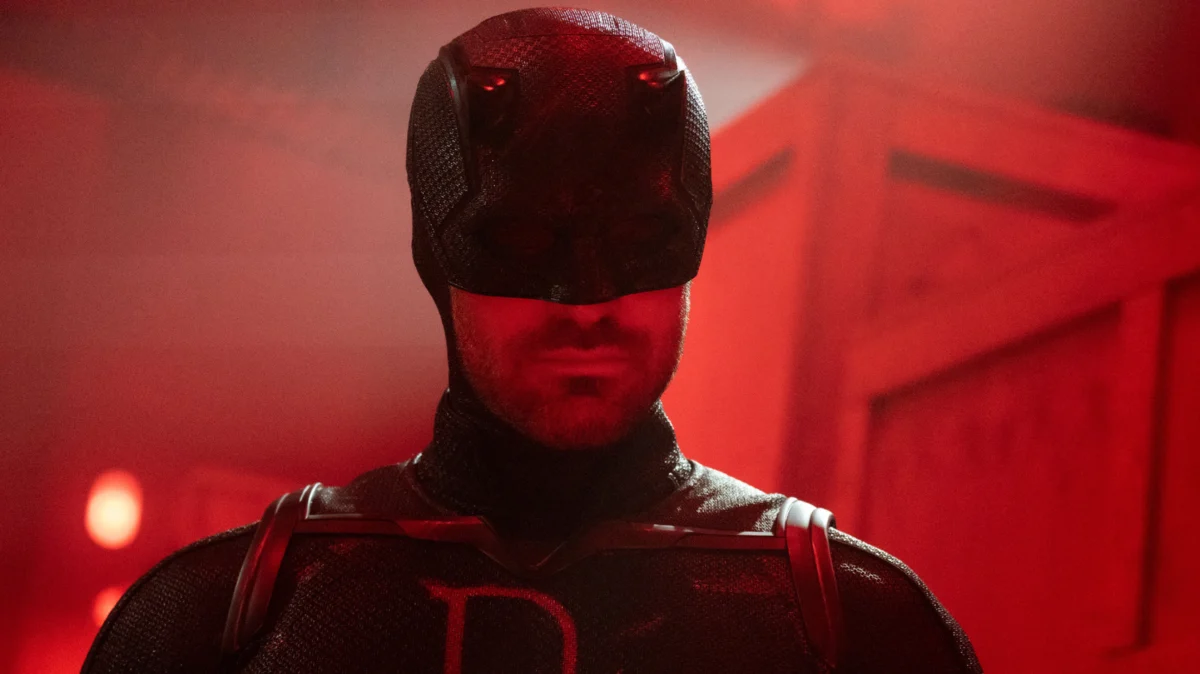
In the annals of modern superhero television, few pairings have achieved the atmospheric intensity and narrative longevity of Charlie Cox’s Matt Murdock and Vincent D’Onofrio’s Wilson Fisk. Since the premiere of Daredevil on Netflix in 2015, the dynamic between the "Man Without Fear" and the Kingpin of Crime has transcended the typical hero-villain archetype. They have become the definitive antagonists of the Marvel Television era, an acting partnership often compared to the legendary chemistry of Patrick Stewart and Ian McKellen or the voice-acting masterclass of Kevin Conroy and Mark Hamill.
However, the foundation of this iconic rivalry was not built on years of shared history, but on a specific, quiet moment of realization during the production of the show’s first season. According to D’Onofrio, it was a display of physical agility and commitment by Cox during the filming of a pivotal episode that convinced him that the lead actor was not just playing a part, but had become the character itself.
The Genesis of a Partnership: A Behind-the-Scenes Revelation
In a recent appearance on a GQ video series breaking down his most iconic performances, Vincent D’Onofrio offered a retrospective look at his evolution as Wilson Fisk. He traced the journey from the early days of the Netflix series to their current, collaborative partnership in Daredevil: Born Again.
"You jump to now, and just over the years, we are real partners on the show," D’Onofrio remarked. "All of our notes are very similar all the time. We never disagree about anything."
The road to this synchronization began in 2015. While the two actors had met briefly at a dinner hosted by then-Marvel Television head Jeph Loeb, their onscreen relationship was forged in the isolation of the Season 1 production. The crucial moment occurred during the filming of Episode 6, titled "Condemned."
In this episode, the two characters engage in a high-stakes conversation via walkie-talkie while Murdock is trapped in a burning building, framed for a massive bombing in Hell’s Kitchen. While the actors were physically separated on set, D’Onofrio had a vantage point that changed his perspective on his co-star.
"I was mic’d, he was mic’d, but we were talking on the walkie-talkie, having this conversation," D’Onofrio recalled. "He handled the dialogue great, but he was on the floor in this office, but then during the scene, he made this leap onto one of the desks, and then leaped to another one, and then walked on the furniture. I remember thinking, ‘Oh my god, this guy is actually Daredevil.’"
For D’Onofrio, that burst of athleticism served as the final piece of the puzzle. It wasn’t just about reading lines; it was about embodying the physical reality of a man who perceives the world differently and moves through it with a singular, dangerous purpose.
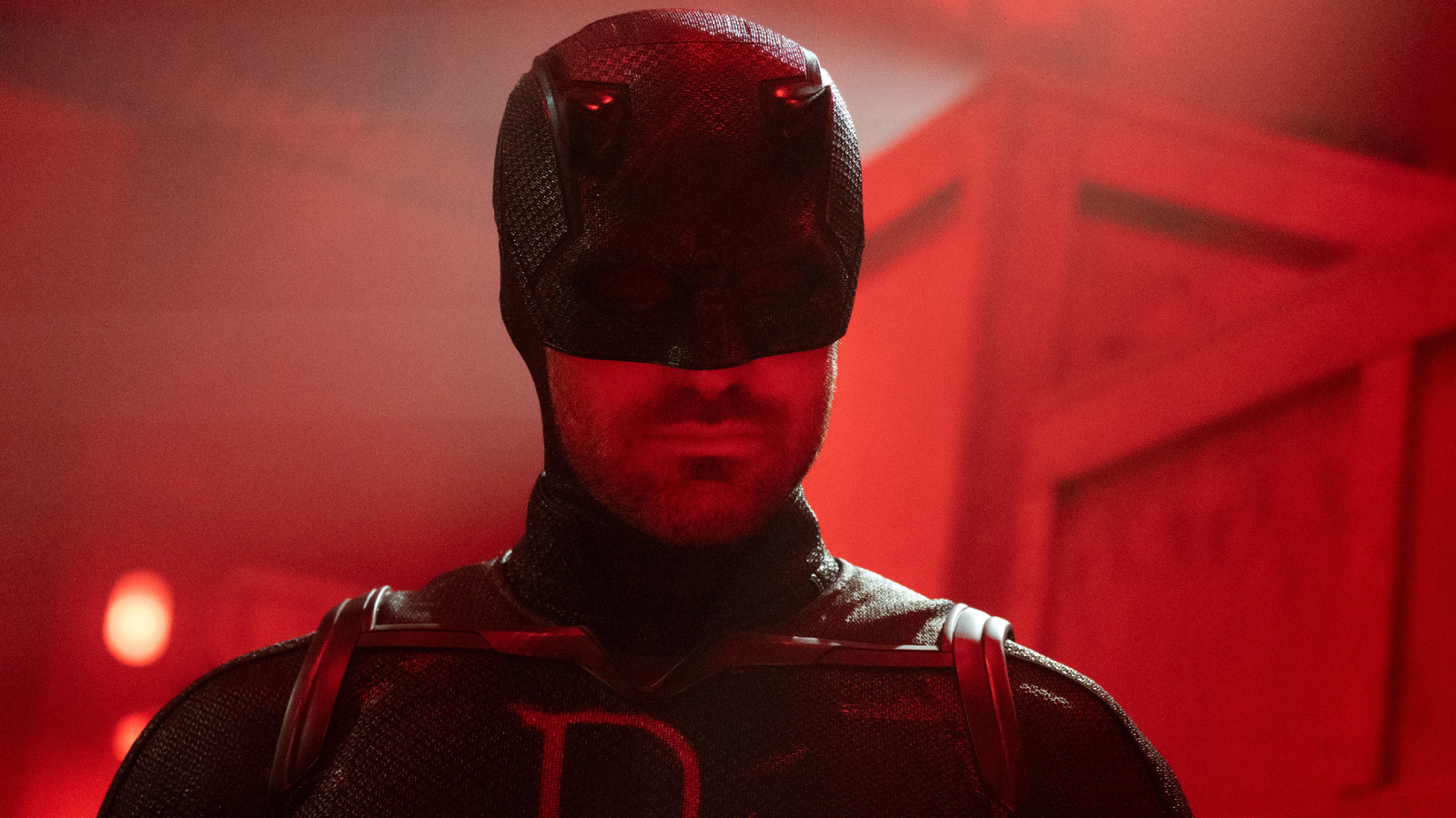
Grounding the Mythos: A Shared Vision of Realism
The "desk-leap" moment was not merely an impressive stunt; it functioned as a philosophical touchstone for the production. D’Onofrio noted that the realization allowed him to understand the tone the show needed to strike to distinguish itself from the broader, more fantastical Marvel Cinematic Universe entries of the time.
"It all just sort of came to me in that moment," D’Onofrio explained. "If we’re both kind of grounded as actors, and we’re not playing like over the top superheroes… and we keep the show grounded, and he can do that, and if I’m able to bring in what I want to bring in, this show is going to be good."
This commitment to grounding the material was central to the creative vision of Daredevil. Charlie Cox has frequently cited the dark, mature nature of the scripts as his primary draw to the project. He sought to distance the show from the lighter, more heroic tone of standard comic book fare, favoring a grittier approach that mirrored the psychological toll of vigilantism.
The Aesthetics of Violence
The realism of Daredevil was arguably most evident in its fight choreography. Unlike the polished, highly stylized combat seen in many contemporary blockbusters, Daredevil leaned into the "messiness" of physical conflict. Cox explained that this stylistic choice was intentional:
"In reality, when two people fight, they grapple and they don’t necessarily connect all of their punches. People get in headlocks and they try and get in under the other person’s ribs and all that kind of stuff, so we wanted to stay true to that. And of course every now and again Daredevil manages this 360 flip-kick."
By balancing the gritty, claustrophobic reality of a street-level brawl with the occasional acrobatic flair inherent to the character’s comic book roots, the creative team managed to sustain a sense of jeopardy that is often absent in superhero media.
The Psychological Burden of the Vigilante
Beyond the physical requirements, the casting of Charlie Cox was validated by his ability to capture the internal dissonance of Matt Murdock. Being a lawyer by day and a vigilante by night, Murdock is a man defined by contradiction. His devout Catholic upbringing provides a rigid moral compass, yet he is constantly drawn into the cycle of violence that he claims to despise.
Cox has openly discussed how he empathizes with the character’s deep-seated guilt. Murdock is, in many ways, an addict—not to substances, but to the release and the sense of purpose that violence provides. He is plagued by a belief that he is a "sinner" in the eyes of his faith, yet he remains unable to step away from the cowl.
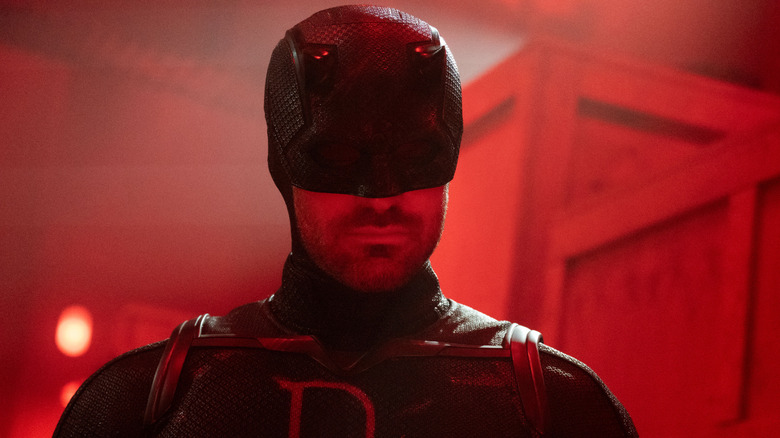
This depth is what elevates the performance from a standard action role to a complex character study. D’Onofrio’s recognition of this "groundedness" suggests that the success of the series lies in the actors’ shared understanding that these characters are fundamentally broken people, not just archetypes.
Implications for the Future: Born Again and Beyond
As the duo transitions into the next chapter of their journey with Daredevil: Born Again, the impact of their initial rapport is more relevant than ever. The transition from the Netflix era to the current Disney+ iteration has been a point of significant interest for fans and industry analysts alike.
The fact that D’Onofrio and Cox have maintained such a seamless creative partnership suggests that the soul of the series—the central tension between the Kingpin and Daredevil—remains intact. Their "real partnership" on set, where they effectively serve as co-creators of their scenes, ensures that the character growth we see on screen is earned rather than imposed by the script.
The Legacy of the Partnership
When evaluating the longevity of this rivalry, it is worth noting the cultural impact. The Daredevil series set a high bar for television production in the superhero genre, proving that audiences were hungry for nuanced storytelling, moral ambiguity, and characters who bleed.
The "perfect casting" that D’Onofrio observed back in 2015 has effectively anchored the Marvel street-level universe. As Marvel Studios continues to integrate these characters into a wider narrative, the consistency provided by Cox and D’Onofrio serves as a stabilizing force. It is rare for a franchise to keep the same leads for nearly a decade while maintaining the same level of critical acclaim and creative intensity.
Conclusion: A Masterclass in Character Chemistry
The story of the desk-leap in a darkened office set serves as a poignant reminder that great art is often built on small, authentic moments. Vincent D’Onofrio’s realization that he had found his equal in Charlie Cox was the spark that ignited one of the most compelling rivalries in modern television.
By choosing to ground their performances in the grit of human vulnerability rather than the spectacle of superpowers, they created something that has lasted well beyond the typical shelf life of a superhero project. As we look toward the future of the MCU, the partnership of Cox and D’Onofrio remains a gold standard—a testament to what happens when two actors find the truth in their characters and commit to the struggle together.
For the fans who have followed the journey from Hell’s Kitchen to the heights of the Marvel hierarchy, the message is clear: the Devil and the Kingpin are not going anywhere. And as long as they are working in tandem, the quality of their conflict remains the benchmark for the genre.










