Pevita Pearce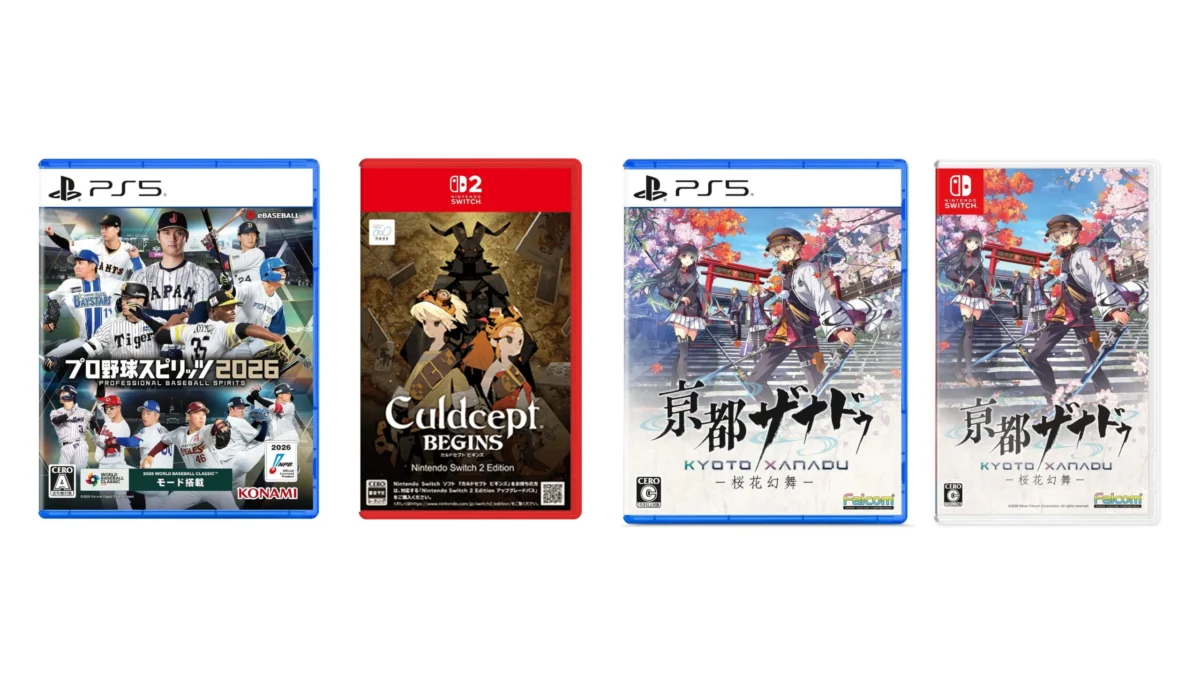
TOKYO, Japan – The dynamic landscape of Japanese video game releases continues its vigorous pace this week, showcasing a vibrant blend of anticipated new titles, annual sports franchise updates, beloved remasters, and intriguing independent ventures. Gamers across PlayStation 5, Nintendo Switch, PC, Xbox Series, and the eagerly anticipated next-generation Nintendo hardware (referred to as Switch 2) are poised to dive into a rich tapestry of experiences, from sprawling action RPGs to strategic card battles and nostalgic robot anime combat.
This week’s highlights are spearheaded by the multi-platform launch of Kyoto Xanadu, the latest entry in the critically acclaimed action RPG series, alongside Konami’s annual baseball simulation, eBaseball: PRO SPIRIT 2026, and the strategic card-board game hybrid, Culdcept BEGINS. Complementing these headliners are a trio of diverse titles: the remastered 70s-style Robot Anime Geppy-X, the enigmatic D-topia, and the uniquely Japanese Denshattack!, ensuring there is something to capture the imagination of nearly every player.
A Week of Diverse Digital and Physical Launches
The Japanese video game market is renowned for its eclectic mix of genres and development philosophies, and this week’s lineup is a testament to that enduring spirit. From high-fidelity simulations catering to dedicated sports fans to imaginative original IPs and meticulously restored classics, the breadth of offerings underscores the industry’s commitment to catering to its diverse player base. The simultaneous release across multiple current and future platforms also highlights a growing trend among developers to maximize accessibility and reach.
This period serves as a critical pulse check for the industry, reflecting both established trends and emerging directions. The presence of titles for "Switch 2" signals developers’ early adoption of next-generation Nintendo hardware, even as the current Switch continues its reign. Meanwhile, the continued strong support for PlayStation 5 and PC demonstrates the enduring appeal of high-performance gaming, while Xbox Series makes strategic inroads into a historically challenging market.
The Headliners: Charting New Territories and Continuing Legacies
This week’s top-tier releases promise to capture significant attention, each bringing its own unique flavor and legacy to the forefront.
Kyoto Xanadu: A New Chapter in Action RPGs
One of the most anticipated titles this week is Kyoto Xanadu, launching across PlayStation 5, Nintendo Switch 2, Nintendo Switch, and PC. While details regarding the specific developer and publisher were not explicitly stated in the initial brief, the "Xanadu" moniker often evokes associations with Falcom’s long-running and beloved action RPG series, known for its deep narratives, engaging combat, and memorable characters. Should this iteration align with such pedigree, players can expect a compelling blend of real-time action, intricate dungeon exploration, and a story rich in lore and character development.
The decision to launch Kyoto Xanadu simultaneously on current-generation consoles (PS5, Switch) and the presumptive next-generation Nintendo hardware (Switch 2), as well as PC, is a strategic move designed to maximize its market penetration. This multi-platform approach ensures that the game is accessible to the broadest possible audience, from those seeking a graphically enhanced experience on high-end systems to players who prioritize the flexibility of handheld gaming. The game is poised to become a significant draw for fans of the action RPG genre, potentially offering hundreds of hours of gameplay as players unravel its mysteries and engage in dynamic combat encounters. Its success will undoubtedly be a key indicator of consumer interest in new, expansive RPG experiences on these platforms.
eBaseball: PRO SPIRIT 2026: Konami’s Diamond Dominance
Konami’s venerable baseball simulation series returns with eBaseball: PRO SPIRIT 2026, hitting PlayStation 5 and PC. The "Pro Spirit" series is a cornerstone of Japanese sports gaming, revered for its meticulous attention to detail, realistic player models, and authentic recreation of professional baseball. Unlike more arcade-style baseball games, "Pro Spirit" aims for a high degree of simulation, appealing to hardcore baseball enthusiasts who appreciate strategic gameplay, accurate physics, and lifelike player performance.
As an annual iteration, eBaseball: PRO SPIRIT 2026 is expected to bring updated rosters reflecting the latest season of Japanese professional baseball (NPB), refined gameplay mechanics, enhanced graphics, and potentially new game modes or online features. The decision to release primarily on PS5 and PC underscores the focus on high fidelity and competitive online play, catering to a player base that values performance and visual realism. The series has a strong esports following in Japan, and this new installment will likely fuel further competitive engagement, solidifying Konami’s position in the lucrative sports simulation market. Its consistent presence highlights the enduring popularity of baseball in Japan and the demand for high-quality virtual representations of the sport.
Culdcept BEGINS: The Return of a Strategic Cult Classic
For fans of unique strategic gameplay, Culdcept BEGINS makes its debut on Nintendo Switch 2 and Nintendo Switch. The Culdcept franchise is a fascinating hybrid, blending elements of collectible card games with classic board game mechanics, most notably resembling Monopoly with a fantastical twist. Players traverse a game board, acquiring properties (territories), and deploying creatures from their card decks to defend them and levy tolls on opponents who land on their spaces. The ultimate goal is often to accumulate a certain amount of total net worth and then return to the castle.
Culdcept has cultivated a dedicated, albeit niche, fanbase since its inception, praised for its deep strategic possibilities, extensive card library, and satisfying blend of luck and skill. Culdcept BEGINS is likely to introduce new cards, updated rules, and potentially an engaging single-player campaign alongside robust multiplayer options. Releasing on both the current Switch and its successor ensures that both veteran fans and newcomers can experience the game on Nintendo’s portable-friendly hardware, which is ideally suited for turn-based strategy games. The franchise’s return underscores the Japanese market’s appreciation for innovative, genre-bending titles that offer substantial strategic depth.
Retro Revivals and Innovative Experiences
Beyond the major releases, this week also sees the arrival of titles that tap into nostalgia or offer fresh, distinct gameplay concepts, showcasing the broader spectrum of Japanese game development.
70s-style Robot Anime Geppy-X (Remastered): Nostalgia Unleashed
Making a triumphant return is the remastered 70s-style Robot Anime Geppy-X, available on PlayStation 5, Xbox Series, Nintendo Switch, and PC. Originally released on the PlayStation 1, Geppy-X was celebrated for its authentic recreation of classic 1970s super robot anime aesthetics and gameplay. It immersed players in a world of giant mechs, heroic pilots, and dramatic narratives, often featuring side-scrolling or top-down shooter segments combined with visual novel elements.
This remaster is expected to breathe new life into the cult classic, offering enhanced visuals, potentially improved controls, and quality-of-life adjustments to meet modern gaming standards while preserving the original’s charm. For long-time fans, it’s an opportunity to relive a beloved era of gaming and anime. For new players, it offers a fascinating glimpse into a distinctive period of Japanese pop culture and game design. The wide multi-platform release ensures that this nostalgic journey is accessible to a broad audience, from dedicated retro enthusiasts on PC to console players looking for a unique, stylish action experience. The appeal of Geppy-X lies in its ability to evoke a specific cultural memory, combining the thrill of mecha combat with a heartfelt tribute to a golden age of anime.
D-topia: Exploring the Unknown
The week also welcomes D-topia, a new title launching on an impressive array of platforms: PlayStation 5, Xbox Series, Nintendo Switch 2, Nintendo Switch, and PC. Given the enigmatic title, D-topia is likely to be an exploration-focused game, possibly a dungeon crawler, survival game, or an adventure title set in a dystopian or dream-like world. Developers often use such abstract titles to hint at deep lore, unique mechanics, or a strong atmospheric presence.
If it leans into a dungeon crawler identity, players could expect procedurally generated labyrinths, challenging enemy encounters, and a focus on loot acquisition and character progression. If it’s a survival title, resource management, crafting, and navigating a perilous environment would be central. The broad platform strategy suggests a game designed for wide appeal, potentially featuring accessible mechanics with layers of depth. D-topia‘s multi-platform launch is a clear indicator of the developer’s ambition to reach every possible segment of the gaming market, hoping to find a dedicated audience regardless of their preferred hardware. Its success will depend on its ability to carve out a unique identity within its chosen genre.
Denshattack!: A Unique Japanese Concept
Rounding out the week’s releases is Denshattack!, hitting PlayStation 5, Xbox Series, Nintendo Switch 2, and PC. The name itself is intriguing: "Densha" means "train" in Japanese, suggesting a game centered around railway systems. The "attack" element could imply a variety of genres – a rail shooter, a unique combat game involving trains, a strategy game where players manage and defend train lines, or even a rhythm game themed around train travel.
Given the Japanese market’s history of embracing quirky and innovative concepts, Denshattack! could be a delightful surprise. It might blend elements of simulation with unexpected action, or present a narrative-driven experience within a train setting. Such titles often find a dedicated following among players looking for experiences outside the mainstream. The multi-platform release, including the anticipated Switch 2, allows this unique concept to reach a wide audience, indicating developer confidence in its distinct appeal. Denshattack! represents the experimental spirit prevalent in Japanese game development, where niche concepts are often refined into engaging and memorable experiences.
The Evolving Landscape of Japanese Gaming Platforms
The varied platform support for this week’s releases paints a clear picture of the current and anticipated state of the Japanese gaming market. Each console and PC ecosystem plays a distinct role, contributing to the overall diversity and accessibility of games.
PlayStation 5: Powerhouse and Growing Influence
The PlayStation 5 continues to solidify its position as a powerhouse console in Japan, appealing to players seeking cutting-edge graphics, high frame rates, and immersive gameplay experiences. While historically the PlayStation brand has faced stiff competition from Nintendo in Japan, the PS5 has seen a steady increase in popularity, driven by both global blockbuster titles and a growing roster of Japanese-developed games. Its strong technical specifications make it the preferred platform for visually demanding titles like eBaseball: PRO SPIRIT 2026 and action-heavy RPGs like Kyoto Xanadu. The console’s digital storefront also plays a crucial role in delivering new content directly to players, complementing traditional physical retail.
Nintendo Switch and the Anticipated Switch 2: Market Dominance and Future Horizons
The Nintendo Switch remains an unparalleled market leader in Japan, boasting an enormous install base due to its innovative hybrid design, extensive library of first-party titles, and strong third-party support. Its versatility, allowing seamless transition between handheld and TV modes, has made it a household staple. This week’s releases, including Kyoto Xanadu, Culdcept BEGINS, and 70s-style Robot Anime Geppy-X, continue to bolster its diverse catalog.
Crucially, the simultaneous launch of several titles on "Switch 2" signals the industry’s readiness for Nintendo’s next-generation hardware. While official details remain scarce, developers are clearly anticipating a successor that will offer enhanced performance while likely maintaining the Switch’s core identity of versatility. This early adoption indicates that the "Switch 2" is expected to be a significant player from its launch, with a robust library of games ready to leverage its new capabilities. The transition from Switch to its successor will be a key event, potentially reshaping market dynamics and setting new benchmarks for portable and home console gaming.
PC Gaming: A Rising Force
PC gaming, once a niche segment in Japan dominated by specific genres, has experienced a significant resurgence and growth in recent years. Platforms like Steam have globalized game distribution, making it easier for Japanese developers to reach international audiences and for Japanese players to access a vast library of games. This week’s lineup, with Kyoto Xanadu, eBaseball: PRO SPIRIT 2026, 70s-style Robot Anime Geppy-X, D-topia, and Denshattack! all releasing on PC, underscores its growing importance.
The PC platform offers unparalleled graphical fidelity, modding capabilities, and a highly competitive online environment, appealing to a dedicated segment of gamers. Its open ecosystem also provides a fertile ground for indie developers to thrive. The increasing number of Japanese titles launching simultaneously on PC demonstrates a recognition of its expanding market share and its role as a crucial platform for both global reach and catering to a sophisticated domestic audience.
Xbox Series: Strategic Growth in a Challenging Market
The Xbox Series consoles (Xbox Series X and Series S) continue their strategic efforts to establish a stronger foothold in the Japanese market. Historically, Xbox has faced an uphill battle against the entrenched dominance of PlayStation and Nintendo. However, Microsoft’s commitment to the region, highlighted by initiatives like Xbox Game Pass, cloud gaming integration, and securing Japanese-developed titles, is slowly yielding results.
The presence of titles like 70s-style Robot Anime Geppy-X, D-topia, and Denshattack! on Xbox Series this week is indicative of developers increasingly pursuing multi-platform strategies that include Microsoft’s consoles. This ensures broader accessibility for their games and taps into the global Xbox ecosystem. While its market share in Japan remains smaller than its competitors, the Xbox Series is a consistent participant in the weekly release schedule, demonstrating its ongoing, albeit gradual, integration into the diverse Japanese gaming landscape.
Market Dynamics and Consumer Access: Physical vs. Digital
The Japanese gaming market, like global markets, is navigating the ongoing shift between physical and digital game distribution, with this week’s releases reflecting a nuanced balance.
While digital storefronts continue to grow in popularity, offering instant access and often competitive pricing, physical retail remains a significant force in Japan. Many consumers still value owning a tangible copy of a game, especially for collector’s editions or highly anticipated titles. The structured nature of this week’s release list, distinguishing between "Physical and Digital" and "Digital-Only" titles (even if the specific lists were not provided in the prompt, the categories themselves highlight this distinction), underscores the importance of both distribution channels.
For digital purchases, particularly for PlayStation 5, PlayStation 4, and Nintendo Switch titles, the use of Japanese PlayStation Network and Nintendo eShop accounts with prepaid cards is a common practice. This method provides convenience and security for consumers who may prefer not to use credit cards for online transactions, or for those who wish to manage their gaming budget more directly. This accessibility mechanism is vital for maintaining a broad digital consumer base.
Furthermore, the role of international retailers like Play-Asia is crucial for gamers outside Japan who wish to import physical copies of region-specific titles, or for those within Japan seeking specialized imports. The mention of Gematsu receiving a small percentage from purchases made through Play-Asia links, along with the "GEMATSU2025" coupon code, highlights the growing integration of affiliate marketing within gaming journalism. This symbiotic relationship helps support independent media outlets while providing readers with direct avenues to purchase games, often with exclusive discounts, bridging the gap between regional releases and global demand.
Beyond the Full Releases: Demos, DLC, and Updates
While the primary focus of weekly release lists is on full game launches, the ecosystem of demos, downloadable content (DLC), and game updates plays an equally vital role in sustaining player engagement and extending the lifespan of titles. Although specific examples were not detailed in the original brief, these categories are crucial components of the modern gaming experience.
Demos serve as invaluable tools for developers to generate hype and allow prospective players to sample a game before committing to a purchase. They are particularly effective for new IPs or titles in niche genres, offering a risk-free introduction to gameplay mechanics and artistic style. For this week’s releases, a demo for Kyoto Xanadu could build significant anticipation, while a taste of D-topia or Denshattack! could help these unique titles find their audience.
DLC, ranging from cosmetic items and character packs to expansive story expansions, is a key strategy for extending a game’s narrative and gameplay content post-launch. It allows developers to continuously engage their player base and provides additional revenue streams. For annual sports titles like eBaseball: PRO SPIRIT 2026, DLC often includes updated rosters, new stadiums, or special event passes. For RPGs or strategic titles, story expansions or new playable characters are common.
Finally, ongoing updates and patches are essential for game longevity and player satisfaction. These include bug fixes, performance enhancements, balance adjustments, and even the introduction of new features based on community feedback. A well-supported game, regularly updated by its developers, fosters a strong relationship with its player base, ensuring a healthy and active community for months or even years after its initial release. Together, demos, DLC, and updates contribute to a dynamic and evolving gaming landscape, enriching the experience beyond the initial purchase.
Implications for the Japanese Gaming Industry
This week’s diverse releases carry several significant implications for the broader Japanese gaming industry.
Firstly, the sheer variety of genres—from action RPGs and sports simulations to strategic card games and retro mecha combat—underscores the health and versatility of Japanese game development. It demonstrates an industry capable of producing both globally appealing blockbusters and distinct, culturally resonant niche titles.
Secondly, the pervasive multi-platform strategy, with many games launching across PS5, Switch, PC, and Xbox Series, indicates a pragmatic approach to market reach. Developers are increasingly recognizing the importance of casting a wide net to maximize sales and player engagement, rather than adhering to console exclusivity unless driven by first-party mandates. The early inclusion of "Switch 2" in release plans is particularly noteworthy, suggesting a smooth transition and strong developer support for Nintendo’s next-generation console.
Thirdly, the blend of nostalgia and innovation, exemplified by the remastered Geppy-X alongside original concepts like D-topia and Denshattack!, highlights a strategic balance. The industry is adept at leveraging the enduring appeal of beloved classics while simultaneously fostering creativity and exploring new gameplay frontiers. This ensures that both long-time fans and new generations of gamers find compelling reasons to engage with the market.
Finally, the continued emphasis on strong first-party franchises (like Konami’s eBaseball) and the emergence of ambitious new IPs contribute to a competitive and vibrant ecosystem. The Japanese market remains a critical bellwether for global gaming trends, and its ongoing evolution, driven by technological advancements and creative ingenuity, will undoubtedly influence the industry worldwide.
Conclusion: A Vibrant Snapshot of Japan’s Gaming Heartbeat
This week in Japanese video game releases offers a microcosm of the entire industry’s dynamism and diversity. From the expansive worlds of Kyoto Xanadu and the precise simulations of eBaseball: PRO SPIRIT 2026 to the strategic depth of Culdcept BEGINS and the nostalgic charm of 70s-style Robot Anime Geppy-X, gamers are presented with an embarrassment of riches. The simultaneous launches across a wide array of current-generation platforms, alongside a clear embrace of the upcoming "Switch 2," signify an industry in constant motion, adapting to technological shifts and evolving player demands.
The continued interplay between physical and digital distribution, the strategic inclusion of affiliate marketing, and the vital role of demos, DLC, and updates all contribute to a robust and player-centric ecosystem. As the Japanese gaming scene continues to innovate and captivate, this week’s lineup stands as a vibrant testament to its enduring creativity, its deep respect for gaming history, and its unwavering gaze towards the future of interactive entertainment. For enthusiasts worldwide, it’s a compelling reminder of why Japan remains a global powerhouse in the realm of video games.

 Lina Irawan
 Sagoh
Sagoh