Sagoh
Sagoh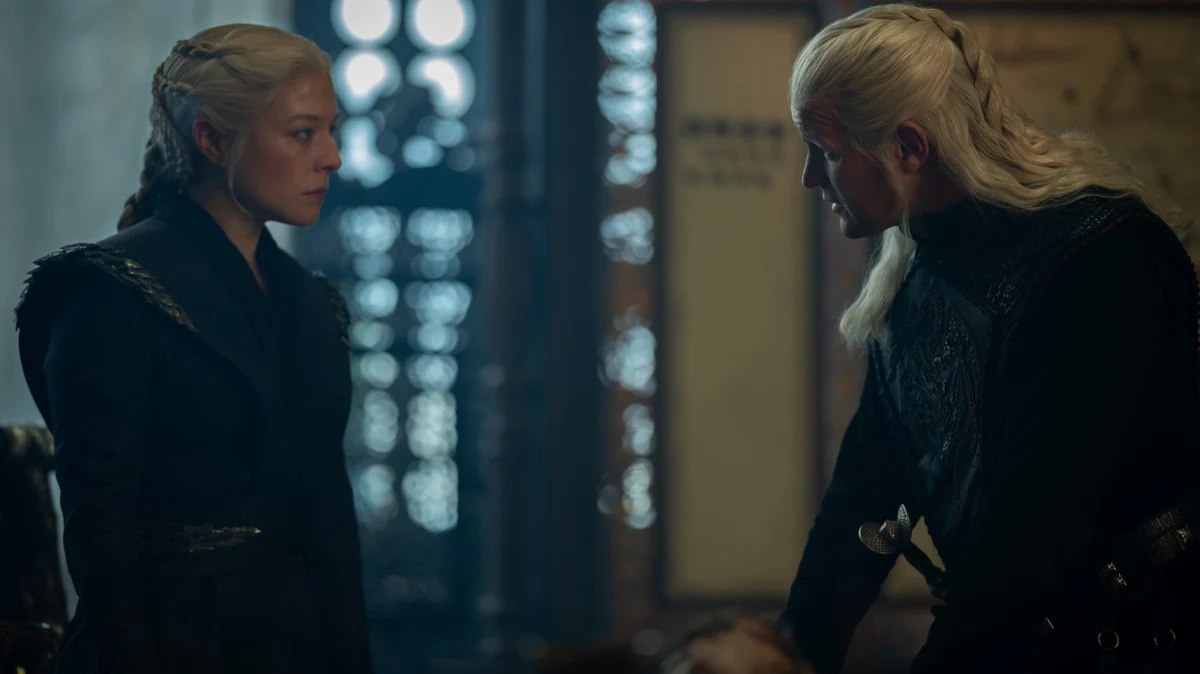
Words are wind, but spoilers are absolute. This article contains significant plot details from "House of the Dragon" Season 3, Episode 4, and delves into major narrative beats from George R.R. Martin’s "Fire & Blood."
In the sprawling, blood-soaked history of the Targaryen civil war, the Battle of Tumbleton serves as a pivotal inflection point—a moment where the tides of the Dance of the Dragons shifted irrevocably toward chaos. However, as "House of the Dragon" progresses through its third season, viewers are witnessing a marked departure from the source material. By eschewing the grand, chaotic set-pieces of George R.R. Martin’s Fire & Blood in favor of a more calculated, psychological approach, the showrunners are signaling that the most devastating betrayals of the war will be born not from sudden battlefield impulses, but from slow-burning domestic resentment.
The Strategic Deviation: From Open Warfare to Tactical Occupation
In the canonical text of Fire & Blood, Tumbleton is the site of a brutal, full-scale military engagement. It is a stronghold held by Rhaenyra’s forces, fortified and braced for the onslaught of Ormund Hightower’s advancing army. The battle is depicted as a harrowing, costly affair that serves as a grim testament to the attrition inherent in the Dance.
Yet, in Season 3 of the HBO adaptation, the writers have opted for a "quiet" occupation. In Episode 3, the audience watched as Ormund Hightower (James Norton) utilized a clever ruse—a decoy involving a fake Daeron Targaryen—to lure Team Black’s forces away, allowing the Hightower army to waltz into Tumbleton with negligible resistance.
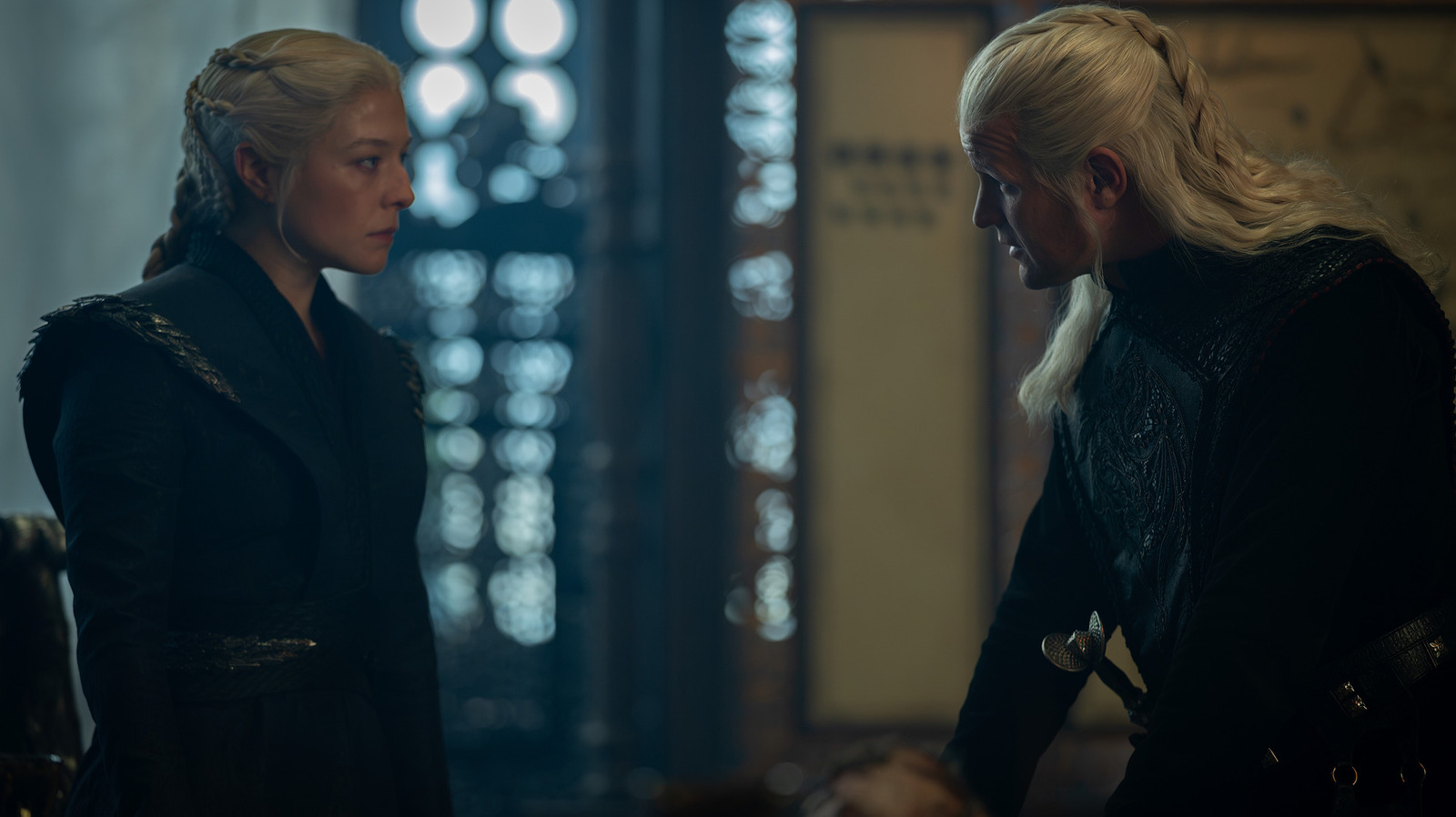
This deviation is not merely a budgetary or pacing choice; it is a narrative pivot. By removing the "Battle" from the Battle of Tumbleton, the show is forcing the audience to focus on the human cost of occupation rather than the spectacle of steel and flame. We are no longer observing a clash of armies, but a political chess match where the pawns are the smallfolk and the disenfranchised dragonriders.
Chronology of the Tumbleton Crisis
The progression of the Tumbleton arc has been meticulously paced throughout the season:
- Pre-Season Setup (Season 2): The seeds of conflict were sown early. Hugh the Hammer (Keiran Bew) sends his wife, Kat (Ellora Torchia), to Tumbleton, believing it to be a sanctuary far removed from the volatile power vacuum of King’s Landing.
- The Deception (Season 3, Early Episodes): Team Green executes a sophisticated misdirection regarding the movements of Daeron Targaryen (Benjamin Evan Ainsworth), effectively blinding Team Black’s intelligence network.
- The Occupation (Season 3, Episode 3-4): Ormund Hightower secures Tumbleton. The strategic value of this move initially confuses Rhaenyra Targaryen (Emma D’Arcy), who struggles to understand why a settlement of such limited military significance has become the focus of a major campaign.
- The Current Standoff: With Hugh the Hammer and Ulf the White (Tom Bennett) tasked with aerial surveillance, the narrative tension has shifted toward the volatile psychological states of these "dragonseeds."
The Betrayal: A Psychological Powder Keg
The most significant implication of these changes lies in the potential betrayal of the dragonseeds. In the book, the defection of Hugh the Hammer and Ulf the White to the side of the Greens is presented as a sudden, almost inexplicable turn of events. The show, however, is building a meticulous psychological profile for these characters that justifies their treachery.
The Case of Hugh the Hammer
Hugh’s arc is defined by the dichotomy of power and helplessness. While he possesses the destructive might of a dragon, he is unable to protect his wife, Kat, who is now effectively a hostage within the occupied walls of Tumbleton. The show is layering his motivation with a deeply personal stakes: if Kat dies—whether by accident, collateral damage, or deliberate cruelty by the Hightower occupiers—Hugh’s allegiance to Rhaenyra will likely shatter. He is a man who sought safety for his family and found them in the epicenter of the enemy’s war machine.
The Case of Ulf the White
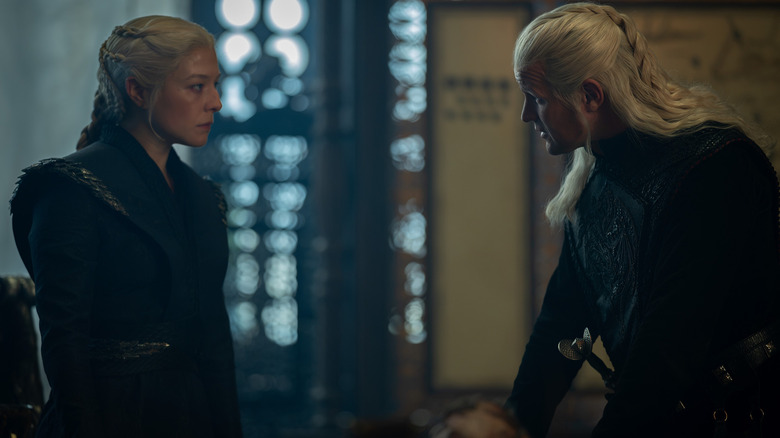
Ulf’s trajectory is one of systemic alienation. His pride has been wounded repeatedly, from his forced confinement to his exclusion from the inner circles of the Black Council. By showing his mounting frustration with the "house arrest" and the dismissive attitudes of the nobility toward the dragonseeds, the show is creating a character who feels no loyalty to a queen who views him as a disposable tool.
Implications for the Dance of the Dragons
The decision to change the nature of the Battle of Tumbleton has profound implications for the remainder of the series. By transforming a singular, bloody event into an ongoing, pressurized occupation, the show is effectively creating a "pressure cooker" environment.
- The Erosion of Rhaenyra’s Authority: The loss of Tumbleton is not just a military setback; it is a failure of intelligence and oversight that weakens Rhaenyra’s legitimacy in the eyes of her supporters.
- The Humanization of the Dragonseeds: By emphasizing the personal slights and the threat to Hugh’s family, the show transforms a historical footnote into a tragic arc of betrayal. This ensures that when the inevitable "turn" happens, the audience will understand the emotional impetus behind it.
- A Focus on Consequence: The Game of Thrones franchise has historically been lauded for its massive battles, but House of the Dragon is proving that it is perhaps more interested in the aftermath. By skipping the traditional battle sequence, the show forces the viewer to sit with the political, social, and emotional consequences of the war.
Official Stance and Production Context
While showrunners have remained tight-lipped regarding specific future plot points, the creative team has frequently cited the need to adapt the "history book" style of Fire & Blood into a character-driven drama. In recent interviews, the production team hinted that the "unreliable narrator" nature of the source text allows for significant creative liberty, particularly in filling the "gaps" where the historical record is ambiguous.
The shift at Tumbleton is a prime example of this philosophy. By expanding upon the motivations of the dragonseeds and focusing on the occupation, the show is building a more cohesive narrative bridge to the later, more catastrophic events of the civil war. It is a bold choice—one that risks the ire of purists—but it is one that prioritizes the internal logic of the characters over the external requirements of a war-epic checklist.
Conclusion
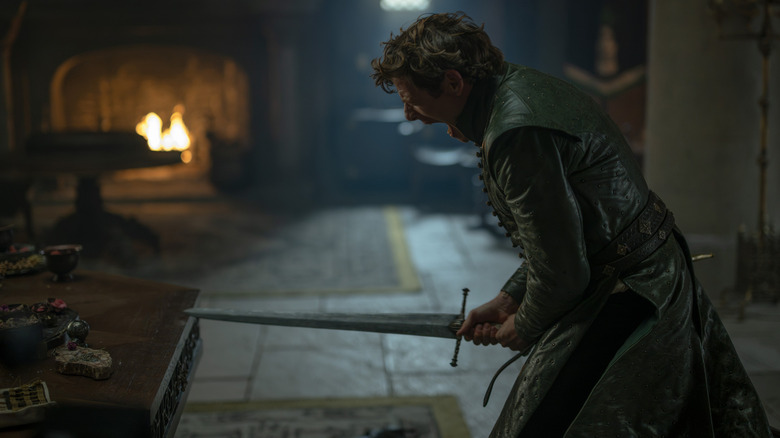
As Season 3 continues, the shadow over Tumbleton will only grow darker. The town, once a symbol of refuge, has become the anvil upon which the fate of the Targaryen dynasty will be struck. Through the lens of this altered battle, House of the Dragon is proving that the most dangerous weapons in Westeros are not the dragons themselves, but the men who ride them—and the grudges they harbor against the thrones they are sworn to serve. Whether this divergence leads to a more satisfying climax remains to be seen, but one thing is certain: the dance is far from over, and the music is beginning to change.


 Nila Kartika Wati
 Rifan Muazin