In the annals of 1980s television, few subgenres were as competitive or as bizarrely specific as the "super-vehicle" craze. Following the breakout success of high-concept action films, networks scrambled to translate the adrenaline of the silver screen into the weekly ritual of prime-time television. Among the most ambitious, yet ultimately short-lived, experiments was ABC’s 1984 adaptation of Blue Thunder. While the show is largely remembered today as a footnote in the history of televised action, it serves as a fascinating historical artifact—not least because it featured a pre-fame Dana Carvey in a role that sat worlds apart from the sketch comedy legends he would later cultivate.
The Genesis: From Cinematic Critique to Network Spectacle
The origins of Blue Thunder the television series lie in the 1983 feature film directed by John Badham. Starring Roy Scheider as Frank Murphy, an LAPD helicopter pilot struggling with the militarization of police forces, the film was a grim, cerebral thriller. It offered a biting critique of the surveillance state and the encroaching Military Industrial Complex. However, audiences were less interested in the sociopolitical subtext and far more enamored with the titular helicopter: a sleek, weapons-laden Aérospatiale SA 341G Gazelle modified to look like a futuristic death machine.
When the film hit the home video market, its popularity surged. ABC, observing the trend and noting that producer Donald P. Bellisario was simultaneously preparing the aerial action series Airwolf for CBS, decided to capitalize on the "super-chopper" fervor. The studio greenlit a television adaptation, stripping away the film’s somber tone and replacing it with the high-octane, episodic heroics typical of the era.
Chronology of a Short-Lived Flight
The production schedule for Blue Thunder was aggressive, aiming to capture the zeitgeist before the novelty of the specialized vehicle wore off.
- 1983: The Blue Thunder feature film enjoys a modest theatrical run but becomes a blockbuster on VHS, sparking network interest.
- Early 1984: ABC enters production on the series. The show attempts to distinguish itself by adding a ground-based support unit, "Rolling Thunder," a massive, armored transport capable of carrying an off-road desert vehicle.
- January 6, 1984: The series premieres on ABC.
- Spring 1984: Ratings remain stagnant. The show struggles to find an audience against titans like Dallas.
- April 1984: After just 11 episodes, the series is canceled, effectively losing the "Great Helicopter Show War" to Airwolf, which would go on to enjoy a four-season run.
- 1986: Dana Carvey, having cut his teeth on Blue Thunder, finds mainstream success as a host on Double Dare and joins the cast of Saturday Night Live.
The Cast: Hardware Meets Human Talent
While the "star" of the show was undoubtedly the helicopter, the production team assembled a surprisingly capable cast. James Farentino, an Emmy-nominated actor, stepped into the role of Frank Murphy, attempting to bring a grounded intensity to the proceedings.
The supporting cast was equally eclectic. Producers tapped ex-NFL legends Bubba Smith and Dick Butkus—already famous for their "Lite Beer" commercial rivalry—to anchor the Rolling Thunder crew. Their presence provided a physical, blue-collar aesthetic that helped sell the "action-junkie" premise of the show.
However, the most intriguing casting choice was the role of the co-pilot. For the part of Clinton Wonderlove, nicknamed "JAFO," the network cast a young, then-unknown comedian named Dana Carvey.
Decoding "JAFO"
In the original film, the co-pilot character (played by Daniel Stern) was named "JAFO," an acronym for "Just Another F** Observer." For network television, the acronym required a sanitizing edit. In the show, the "F" was changed to "frustrated," effectively neutralizing the gritty edge of the original script. Carvey’s portrayal was markedly different from Stern’s; where Stern was cynical and doomed (his character is killed early in the film), Carvey’s Wonderlove was more comedic and perpetually safe, a necessity for a weekly episodic format.
Supporting Data: The Ratings War
The failure of Blue Thunder was not necessarily due to a lack of quality, but rather a perfect storm of bad scheduling and fierce competition. By placing the show in a Friday 9 PM time slot, ABC inadvertently pitted the series against the cultural juggernaut Dallas. Additionally, viewers were being courted by The Master, an action show featuring the legendary Lee Van Cleef as a ninja.
The production value was undeniably high for the time. The show featured a rotating roster of respected character actors, including Kurtwood Smith, Geoffrey Lewis, and Ken Foree. Despite these guest stars and the sheer visual spectacle of the custom-built helicopter and the massive Rolling Thunder armored unit, the show could not gain traction. The audience simply wasn’t large enough to support two high-budget helicopter shows simultaneously, and Airwolf—which benefited from a more focused narrative and a slightly more "mysterious" lead character—emerged as the victor in the public imagination.
Implications: The Road to Studio 8H
For Dana Carvey, the cancellation of Blue Thunder was not a career-ender, but a crucial stepping stone. It provided him with his first major exposure to the mechanics of a television production. He learned the rhythm of a set, the demands of the camera, and the limitations of network censorship—lessons he would later weaponize during his tenure on Saturday Night Live.
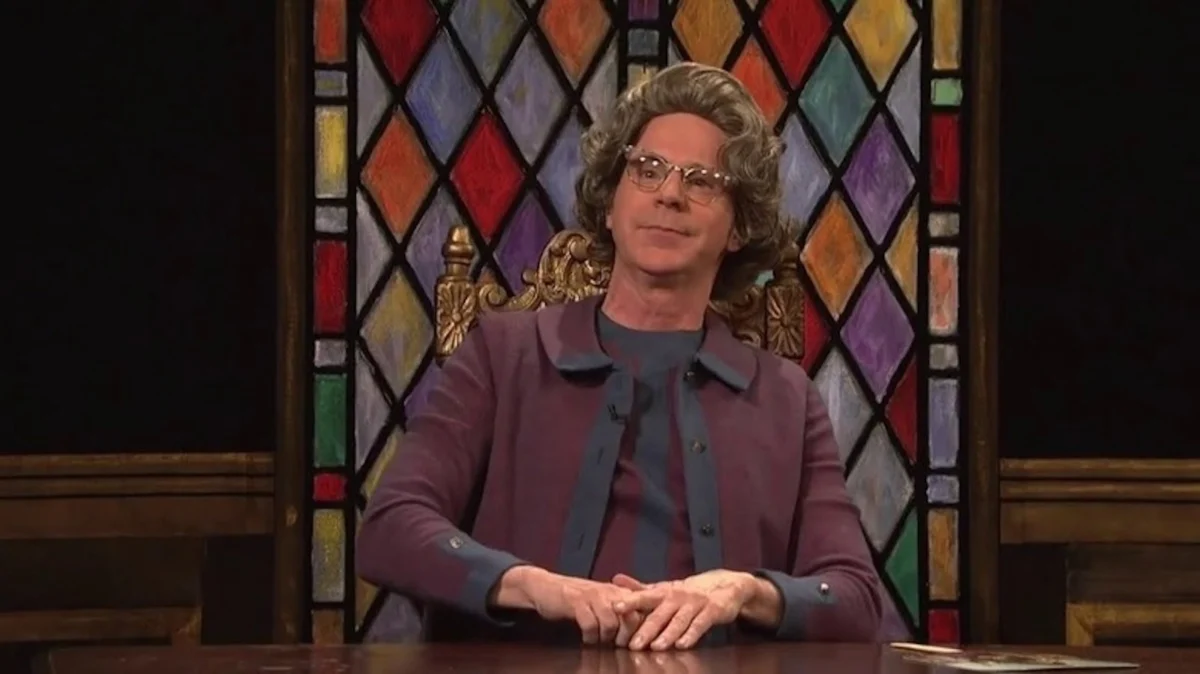
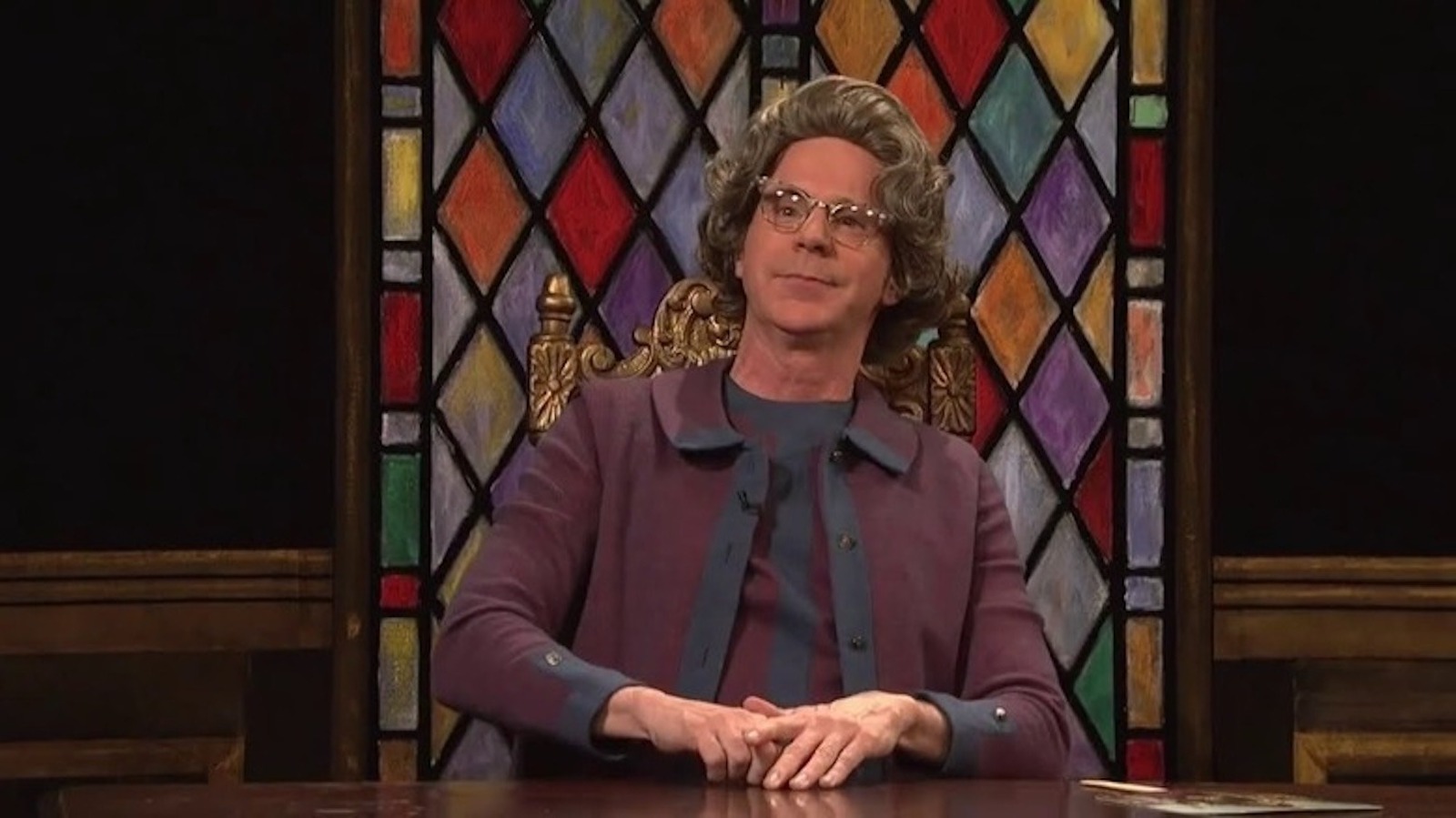
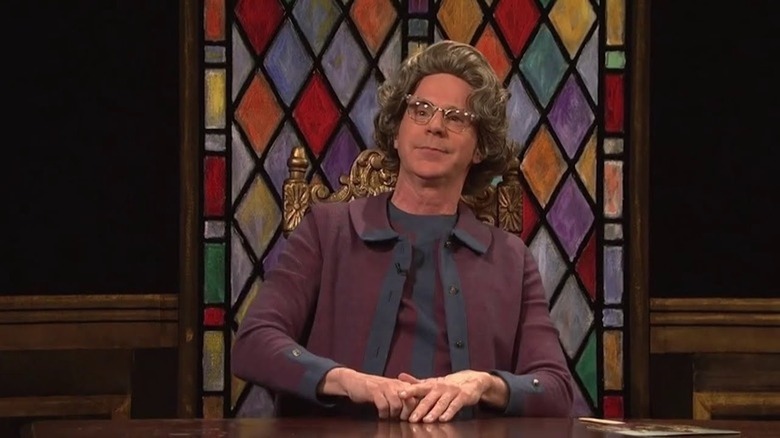
Following the demise of the show, Carvey continued to pursue opportunities in comedy. His jump to the Nickelodeon game show Double Dare proved his ability to connect with younger audiences, while his subsequent hire at SNL for the 1986-87 season catapulted him into the stratosphere of American pop culture. Characters like The Church Lady and his impressions of George H.W. Bush would eventually define his career.
Yet, in retrospective interviews, the shadow of Blue Thunder lingers. While he would later famously lampoon his own struggles in the entertainment industry with The Dana Carvey Show, there remains a sense of nostalgia for those early, experimental days.
Conclusion: A Legacy of "What Ifs"
Blue Thunder remains a fascinating case study in 1980s television excess. It was a time when networks were willing to invest millions into hardware-heavy concepts, hoping to turn films into franchises before the concept of the "shared universe" existed.
While the show is often mocked for its "cool-gadget" focus and the bizarre necessity of the Rolling Thunder ground unit, it provided a platform for talent that would shape the comedy of the 1990s. Today, it stands as a reminder that even the most high-tech, heavily promoted series can fail, and that the most iconic stars often begin their careers in the cockpit of a doomed project. For the discerning television historian, Blue Thunder isn’t just a failed action show; it is the unlikely origin story of one of comedy’s greatest legends.