Stephen King’s debut novel, Carrie, is more than just a horror story; it is the cornerstone of a literary empire that defined 20th-century American fiction. When the book hit shelves in 1974, it introduced the world to Carrie White—a bullied, telekinetic teenager whose descent into vengeance remains one of the most harrowing tales in the genre. Now, half a century later, modern horror auteur and King disciple Mike Flanagan is set to reinterpret this seminal work for a new generation. With an eight-episode series arriving on Prime Video this fall, the project promises to be a radical departure from the source material, expanding the universe of Carrie White into something far more expansive and technologically relevant.
The Chronology of a Classic
To understand the significance of Flanagan’s upcoming series, one must look at the legacy that precedes it. Brian De Palma’s 1976 film adaptation remains a landmark of cinema, earning Sissy Spacek and Piper Laurie Academy Award nominations for their haunting portrayals of Carrie and her mother, Margaret White. De Palma’s film is often cited as the definitive version, a stylistic triumph that solidified the "prom from hell" as a permanent fixture in pop culture.
However, the history of Carrie adaptations is a storied one. While the 1976 film thrived, subsequent attempts to recapture its lightning-in-a-bottle magic have largely struggled. From the 1999 sequel The Rage: Carrie 2 to the 2013 Kimberly Peirce-directed remake, and even a notorious, short-lived Broadway musical, many have attempted to iterate on King’s vision. Most have failed to resonate with the same visceral impact as the original. By stepping into this space, Flanagan faces the daunting challenge of honoring the past while justifying a complete reimagining of the narrative.
A New Vision: Expanding the Universe
The fundamental hurdle in adapting Carrie for television is the novel’s brevity. King’s prose is tight, focused, and claustrophobic. To sustain an eight-episode narrative, Flanagan is opting for an expansionist strategy rather than a direct retelling.
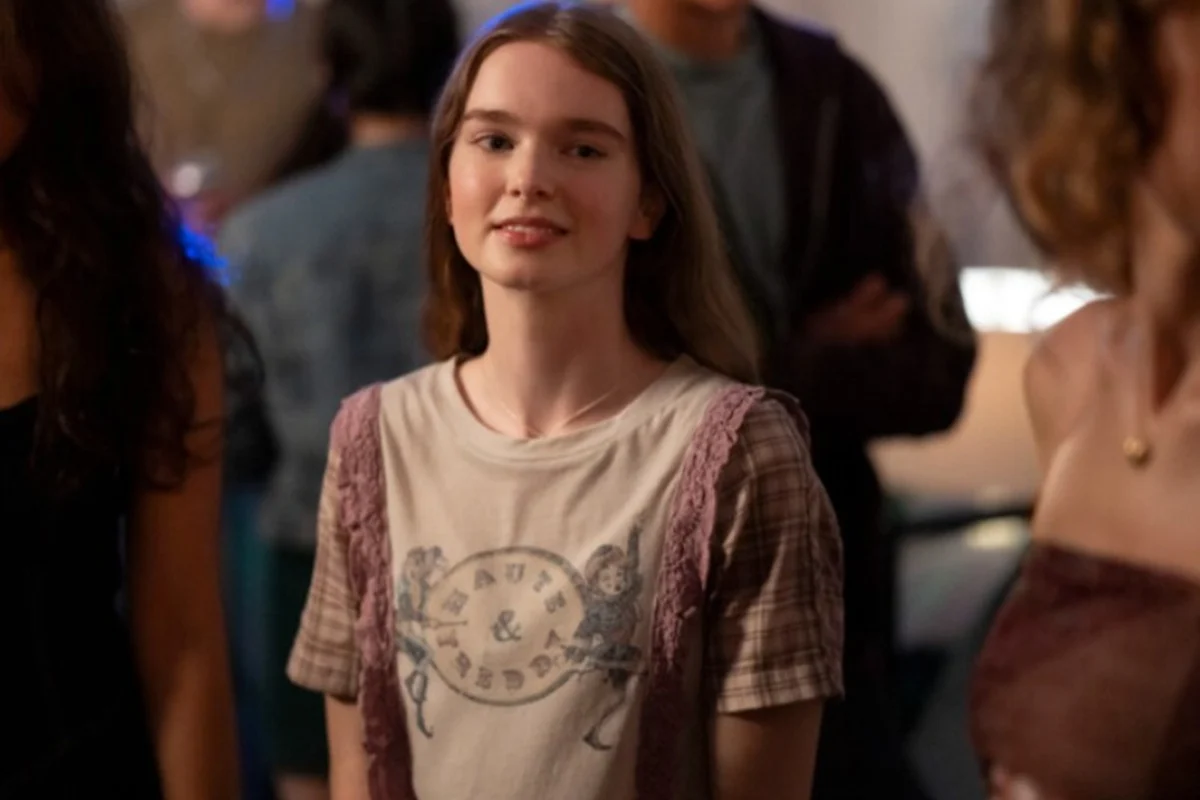
This new iteration of Carrie posits a world where Carrie White is not an anomaly. The narrative will introduce audiences to other individuals globally who share similar telekinetic abilities, moving the story from a isolated tragedy in a small Maine town to a broader, perhaps more systematic phenomenon. Furthermore, the show will explore Carrie’s life through the lens of her delayed entry into the "real world," as her mother, Margaret (played by Samantha Sloyan), has historically kept her sequestered from society.
This shift in scope allows Flanagan to deepen the character study of Summer H. Howell’s Carrie. By providing her with a wider context for her existence, the series moves away from being a mere countdown to a violent climax and toward a character-driven drama about agency, isolation, and the burden of power.
Supporting Data: The Cast and Production
The production value and casting choices for this series suggest a high-stakes, prestige-television approach. Alongside Howell as the titular lead and Sloyan as the terrifyingly controlling Margaret White, the cast is stacked with notable talent:
- Alison Thornton takes on the role of Chris Hargensen, the primary antagonist and lead bully.
- Siena Agudong portrays Sue Snell, the remorseful classmate caught in the middle of the tragedy.
- Joel Oulette steps into the shoes of Tommy Ross, the sympathetic prom date.
- Arthur Conti plays Billy Nolan, a role previously made famous by John Travolta.
- Amber Midthunder brings authority to the role of Miss Desjardin, the girls’ gym teacher.
- Matthew Lillard, a staple of the Scream franchise, provides a grounding presence as Principal Grayle.
This ensemble suggests that the series will focus heavily on the interpersonal dynamics of the high school environment, likely placing as much weight on the toxic social hierarchy as it does on the supernatural elements of the plot.
Official Responses and the "Flanagan" Philosophy
Mike Flanagan has never been a director interested in simple mimicry. His previous successes with King adaptations, such as Gerald’s Game and the critically acclaimed Doctor Sleep, have demonstrated his ability to synthesize King’s internal monologues into visual storytelling.

Speaking with Entertainment Weekly regarding his approach, Flanagan emphasized the necessity of change: "For me, this was never going to be a straight adaptation. The only way to approach it was to build something new out of the ingredients of Carrie. Otherwise, there’s really no purpose in trying to retread ground that’s been so beautifully walked before."
Flanagan’s philosophy hinges on the idea that the core themes of the novel—kindness versus cruelty, empathy, and the systemic nature of school violence—have gained frightening relevance in the modern digital age. He notes: "The themes that Steve was talking about half a century ago… have become even more relevant today than he could have contemplated because of our relationship to technology and the degree to which violence encroaches on our high schoolers, especially in the United States."
By acknowledging that technology and contemporary social stressors have fundamentally altered the teenage experience, Flanagan is signaling that this series will be a mirror for modern anxieties, rather than a nostalgic trip to the 1970s.
Implications: Can the Formula Be Cracked?
The decision to expand Carrie into an eight-episode series is inherently risky. Horror is often best served by the constraints of a film’s runtime, where the pacing can be controlled with surgical precision. Expanding the story introduces the danger of diluting the tension. However, the involvement of Mike Flanagan provides a level of creative security. He is one of the few contemporary directors who understands the "King" voice—that specific blend of supernatural dread and profound, grounded human suffering.
If successful, the series will not only stand as a triumph of adaptation but will also pave the way for how studios handle "short-form" literature in the era of peak television. By weaving in the existence of other telekinetics and focusing on the modern high school experience, the series is positioning itself as a "prestige horror" drama.
The implication is clear: we are moving into an era where iconic horror properties will no longer be trapped by their previous film incarnations. Instead, they are being treated as mythologies—foundational texts that can be explored, dissected, and rebuilt to reflect the changing tides of our culture.
Conclusion: The Horizon
As the fall premiere approaches, the anticipation surrounding Prime Video’s Carrie is palpable. We have been given our first look at the key players, and the shift in tone—from the small-town gothic of the 70s to a more sprawling, modernized, and technologically connected narrative—is evident.
Whether or not the series can escape the long shadow of Brian De Palma’s classic remains to be seen. However, given the track record of those involved and the ambition behind the creative vision, it is safe to say that this will be the most significant attempt to redefine the legend of Carrie White since her inception. For fans of Stephen King and horror enthusiasts alike, this is not just another remake; it is a reinvention, and it is arriving at a time when the story of a bullied, gifted girl might resonate more deeply than ever before.