Warning: This article contains major spoilers for the plot of Evil Dead Burn.
For horror aficionados, the question "Does the dog die?" has become an essential litmus test for viewing pleasure. In a genre defined by high-stakes terror and the fragility of human life, there is a specific, visceral discomfort reserved for the demise of an animal. While audiences have grown desensitized to the creative dismemberment of human protagonists, the death of a canine companion remains the ultimate "red line" for many viewers. With the release of the latest installment in the iconic franchise, Evil Dead Burn, that line is crossed—not once, but multiple times.
The Context of Carnage: Why We Care About the Dog
The Evil Dead franchise, birthed by Sam Raimi in the early 1980s, has always been synonymous with "splatter" horror—an aesthetic defined by relentless gore, practical effects, and a chaotic, manic energy. However, Evil Dead Burn takes this tradition into a new, darker territory.
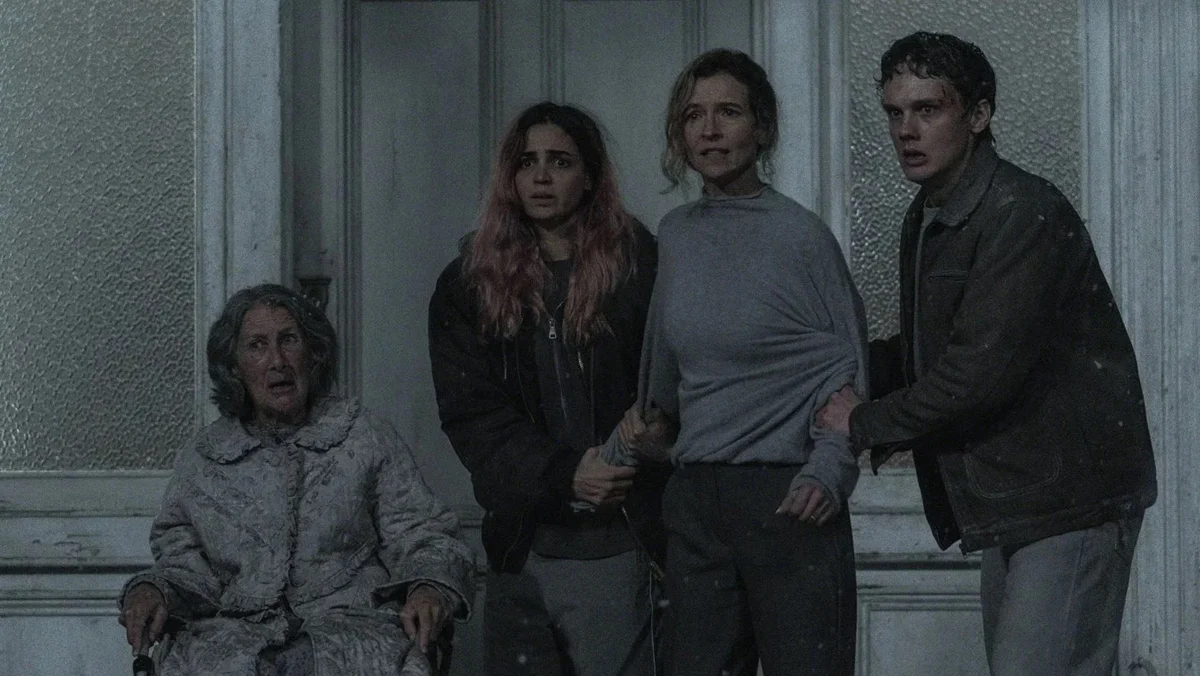
The film follows Alice (played by Souheila Yacoub), a recent widow who retreats to a decaying, isolated property with her deceased husband’s family in the wake of a tragic car accident. As is tradition for the franchise, the Necronomicon Ex-Mortis—or its cinematic equivalent—is unearthed, and the Deadites are unleashed.
When a film is as aggressive and unsparing as Evil Dead Burn—a movie that reportedly underwent significant re-editing to avoid an NC-17 rating from the MPAA—the inclusion of animal violence feels particularly pointed. It forces the audience to confront the nihilism inherent in the Deadite threat: if the demonic forces have no respect for the sanctity of human life, they certainly have no moral boundaries regarding the family pet.
A Chronology of Max’s Tragic Arc
To understand the emotional impact of Evil Dead Burn, one must look at the specific trajectory of Max, the family’s canine companion.
The Inciting Incident
The film begins with a sense of stifling grief. Alice is already mourning, and the family dynamic at the dinner table is fraught with tension. Max, serving as a grounding, innocent presence, becomes the unfortunate focus of the family’s shifting temperament. As the Deadite possession begins to take hold of Edgar (Erroll Shand), the father-in-law, the atmosphere turns predatory. In one of the most jarring sequences in the film, the tension culminates in a sudden, brutal act of violence. Max, merely whining for attention, is dispatched by Edgar using a piece of cutlery.
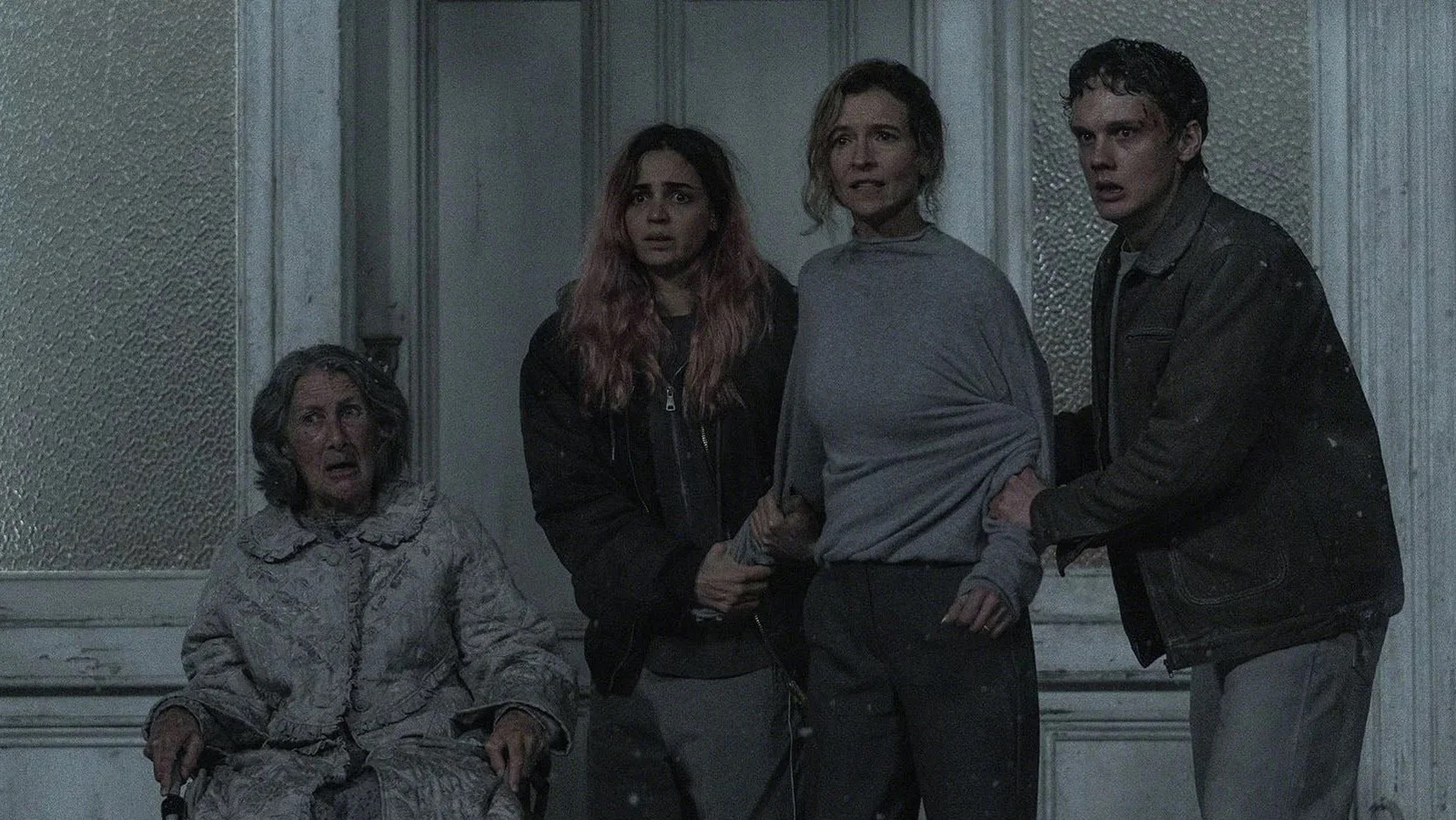
The scene is intentionally devoid of the "fun" horror campiness often associated with the franchise; it is cold, swift, and designed to shock the viewer.
The Return of the Deadite Dog
For those hoping that Max’s death would be a one-off tragedy, the film offers a dark, supernatural "correction." The franchise’s lore dictates that the dead do not stay buried, and Max is no exception. As the property becomes fully infested by the forces of the Deadites, the audience witnesses the return of the canine, now reanimated as a grotesque, demonic entity.
This marks a significant milestone in the Evil Dead mythos. While the Ash vs. Evil Dead television series toyed with the concept of animal possession—specifically a bird—Evil Dead Burn is the first entry in the film series to feature a fully possessed dog. This transformation shifts the role of the animal from a victim of the horror to an active antagonist, forcing the protagonist, Alice, to confront the creature she once loved as a weapon of the supernatural.
Supporting Data: The Evolution of Animal Tropes in Horror
The inclusion of Max in Evil Dead Burn invites a broader conversation about how horror cinema treats animals. Historically, the "dog dies" trope served as a shorthand to establish the "evilness" of a villain. If a character kills a dog, the audience needs no further motivation to root for their demise.
However, Evil Dead Burn complicates this trope. By having the dog return as a Deadite, the film forces the audience to grapple with a different kind of horror: the loss of innocence. When Alice is eventually forced to kill the possessed Max using a consecrated, Deadite-slaying dagger, the act is not one of triumph, but of profound, lingering tragedy. It serves as the final nail in the coffin for the family’s hope, signaling that even the most cherished aspects of their lives have been irrevocably corrupted.
Implications for the Evil Dead Franchise
The critical and audience reception of the treatment of Max highlights a growing demand for transparency in film content. Websites like DoesTheDogDie.com have become essential infrastructure for the modern moviegoer, and the fact that such a high-profile horror film chooses to lean into this specific taboo suggests a director’s intent to provoke.
By pushing the boundaries of the NC-17 rating, Evil Dead Burn aligns itself with the "extreme" horror movement. The producers and director clearly understood that by subjecting a dog to the franchise’s signature brand of violence, they would be ensuring the film’s status as a controversial, unforgettable entry in the series.
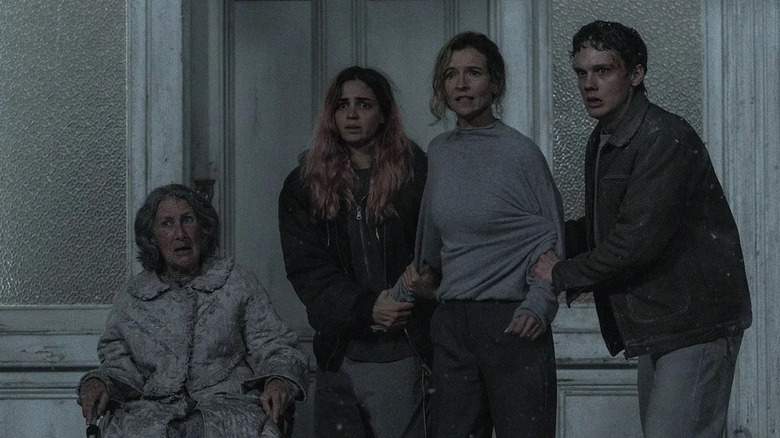
From a narrative standpoint, the possession of Max serves a functional purpose: it isolates Alice further. In a house filled with human enemies, losing her last non-human ally forces her into a state of total, desperate survivalism. It raises the stakes of the final act, as Alice can no longer afford the luxury of empathy.
Official Stances and Behind-the-Scenes Decisions
While the studio, Warner Bros., has remained relatively quiet regarding the specific creative decision to kill and resurrect the dog, promotional materials for the film suggest that the creative team was aware of the impact. The trailers for Evil Dead Burn teased the presence of the possessed animal, a move that functioned as both a warning to sensitive viewers and a "hook" for horror fans who appreciate the subversion of traditional tropes.
In interviews surrounding the film’s release, cast members have noted the difficulty of filming scenes involving the "Deadite dog." These sequences required a mix of practical animatronics and CGI, highlighting the effort taken to make the transformation of the animal feel as jarring as the human possessions. The production team invested heavily in the practical effects for Max’s reanimated form, ensuring that the audience recognizes the character even in its monstrous state.
Conclusion: The Legacy of Max
Evil Dead Burn is a film that refuses to pull its punches. By choosing to kill and then resurrect the family dog, the filmmakers have ensured that the movie occupies a unique, if uncomfortable, space in the Evil Dead canon.
For the average viewer, Max’s journey is a grim reminder of the franchise’s core philosophy: in the world of the Deadites, nothing is sacred, and no one—not even the family pet—is safe. While the death of Max may be a deterrent for some, it remains a defining narrative beat that underscores the relentless, suffocating nature of the film’s horror.
As we look toward the future of the franchise, one has to wonder if this "possessed animal" mechanic will become a recurring staple. If Evil Dead Burn is any indication, the series is moving toward an era where the supernatural threat is truly omnipotent, capable of turning the most loyal companions into our most terrifying adversaries. For Max, the journey ends with a final, mercy-filled strike of a dagger, but the emotional scar left on the audience—and the film’s protagonist—is likely to last much longer.