Iffa Jayyana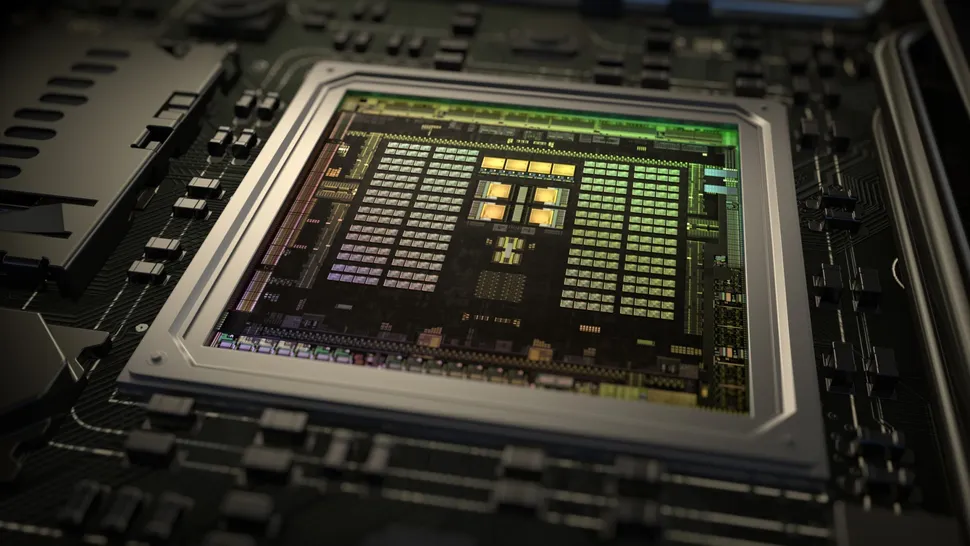
As the technology world turns its eyes toward Taipei for Computex 2026, a cryptic but coordinated social media campaign between Nvidia and Microsoft has set the industry ablaze with speculation. Both tech giants have simultaneously teased the arrival of "a new era of PC," accompanied by the specific coordinates of the Taipei Music Center, the site of CEO Jensen Huang’s keynote for GTC Taipei 2026.
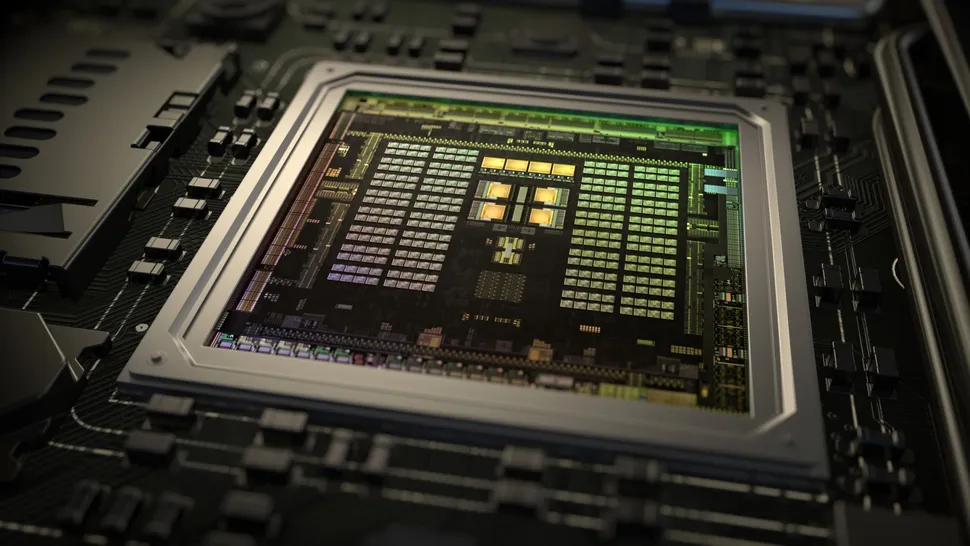
While the official messaging remains intentionally vague, the synchronicity between the two companies suggests a major pivot point for the personal computing market. Industry analysts and enthusiasts alike are converging on a single, long-rumored possibility: the public debut of the N1X platform—a mobile-centric iteration of Nvidia’s formidable GB10 Superchip, engineered to run the Windows on Arm ecosystem.
Main Facts: The Convergence of Silicon and Software
The buzz surrounding Computex 2026 is anchored in the belief that Nvidia is finally ready to challenge the status quo in the high-end mobile computing space. The N1X is widely expected to be the consumer-facing, portable evolution of the GB10 architecture, which currently serves as the engine for the DGX Spark mini-PC.
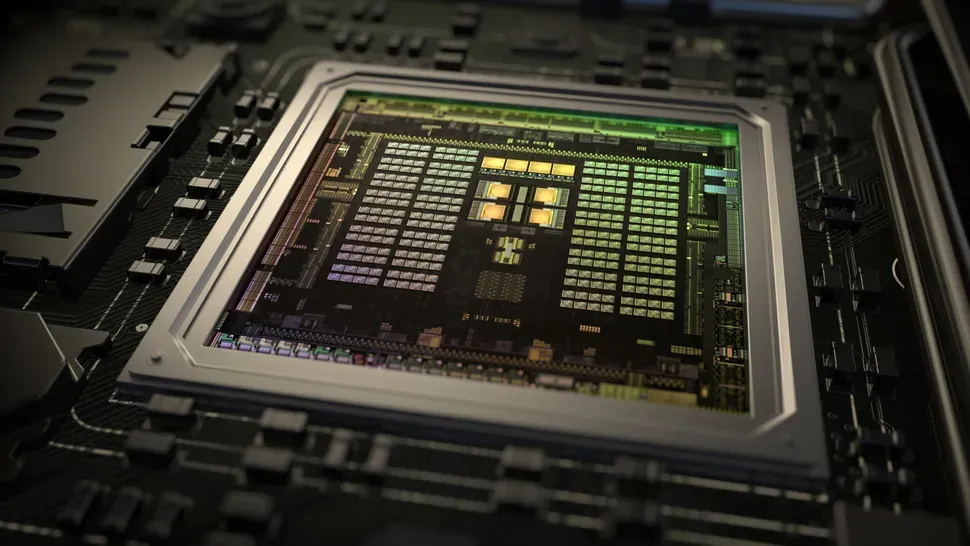
For those unfamiliar with the current hardware landscape, the GB10 is a marvel of engineering. It features a robust 20-core Arm-based CPU complex designed by MediaTek, paired with an RTX 5070-class GPU and a massive 128GB of LPDDR5X unified memory. Currently, this hardware is restricted to a niche audience: AI developers utilizing the DGX Spark as an Ubuntu Linux-powered "AI sandbox."
The potential shift to a Windows on Arm platform is the missing piece of the puzzle. By bringing the N1X to the consumer PC market with Windows support, Nvidia would not only bridge the gap between niche developer hardware and the mainstream, but it would also provide Microsoft with the most powerful AI-focused hardware foundation ever integrated into a Windows machine.
Chronology: From Developer Sandbox to Mainstream Ambition
The journey of the N1X did not begin overnight. Its evolution can be traced through the following milestones:
- Pre-2025: The Rise of the GB10: Nvidia’s development of the GB10 Superchip focused on high-density AI compute. Initially, the goal was to provide developers with a compact, power-efficient, yet high-performance platform for training and inferencing models locally.
- Early 2026: The DGX Spark Launch: The release of the DGX Spark confirmed the prowess of the GB10 architecture. While impressive, its utility was limited by its Linux-centric OS and high cost of entry (approximately $5,000), keeping it strictly within the enterprise and academic research sectors.
- May 2026: The Microsoft-Nvidia Alignment: As the Windows on Arm ecosystem matured through the release of Snapdragon X2-powered devices, rumors intensified regarding a high-performance alternative.
- Late May 2026: The Tease: Nvidia and Microsoft’s social media accounts synchronized their messaging, using the exact same phrasing to signal a collaborative announcement at Computex. This move effectively linked the future of Windows AI to the potential performance ceiling of the N1X platform.
Supporting Data: Understanding the N1X Architecture
To understand why the N1X is considered a "game-changer," one must look at the constraints of current mobile computing. Most Windows on Arm laptops currently focus on power efficiency and battery life. While effective for productivity, they lack the "AI grunt" required for advanced local large language model (LLM) processing or high-end creative workflows.
The Memory Bandwidth Hurdle
The N1X’s primary challenge lies in its memory architecture. The current GB10 configuration relies on a shared pool of LPDDR5X memory, yielding approximately 273 GB/s of raw bandwidth. While this is significantly higher than standard laptop memory, it pales in comparison to dedicated mobile GPUs that utilize high-speed GDDR memory.
However, the "unified memory" approach—where the CPU and GPU access the same memory pool—is an advantage for AI. It eliminates the latency associated with transferring data between the system RAM and the GPU’s VRAM. This is a critical factor for AI performance, where large model weights must be shuffled into the compute engine rapidly.
Computational Power
The integration of a 20-core Arm-based CPU complex combined with an RTX 5070-class GPU transforms the laptop from a simple productivity machine into a workstation-class device. For the user, this means the ability to run local AI agents, render 3D scenes, and perform complex video editing on the go without relying on cloud-based processing.
Official Responses and Industry Sentiment
While neither Nvidia nor Microsoft has provided a technical breakdown of the N1X, industry leaders have been quick to weigh in on the implications.
"The integration of N1X into the Windows ecosystem would be the most significant development in PC hardware since the move to Apple Silicon," notes one lead analyst. "It changes the definition of what a laptop can do. We are no longer talking about just browsing and office work; we are talking about bringing data-center-grade AI capabilities to the user’s lap."
Microsoft’s involvement is equally telling. With the company pushing hard for "Copilot+ PC" adoption, the current hardware offerings are, by their own admission, limited by thermal and power envelopes. The N1X offers a way for Microsoft to differentiate its first-party AI experiences, potentially offering exclusive features that require the raw, high-bandwidth compute that only a chip like the GB10 can provide.
Implications: A New Era or an Expensive Niche?
As we look toward the potential launch of N1X-based laptops, several major implications arise:
1. Pricing and Accessibility
The biggest barrier to entry will be cost. The DGX Spark is currently retailing around $5,000. While a laptop version might strip away some of the expensive enterprise-grade network interface cards (NICs), the cost of 128GB of LPDDR5X memory and the silicon itself remains high. It is highly probable that the first generation of N1X laptops will be "halo" products, priced well above the $2,000 mark.
To gain broader appeal, Nvidia will likely need to introduce a tiered product stack, offering versions with smaller memory pools and reduced core counts, making the platform accessible to power users rather than just research labs.
2. The Windows on Arm Ecosystem
Microsoft’s commitment to the N1X signals a total pivot in its strategy for Windows on Arm. Previously, the platform was viewed as a secondary market for lightweight, ultra-portable devices. With Nvidia’s involvement, it becomes the home of the high-performance PC. This is a direct challenge to both Intel and AMD, whose x86 architectures are struggling to match the power-efficiency-to-performance ratio that Nvidia’s Arm-based designs offer.
3. The Future of Local AI
The most profound implication is the shift toward "Local First" computing. Currently, most AI services (like Copilot or ChatGPT) rely on remote servers. The N1X platform changes the math by enabling high-performance local execution. This reduces latency, improves user privacy, and allows for AI applications that work without a constant internet connection. If Microsoft can leverage this hardware to create unique, local-only AI workflows, it could effectively reset the competitive landscape for PC manufacturers.
Conclusion: All Eyes on Taipei
The excitement surrounding the upcoming Computex keynote is palpable. For years, the PC market has been defined by iterative updates to the same x86 architecture. The potential arrival of the N1X represents a rare moment of architectural disruption.
By combining the AI prowess of Nvidia’s GB10 with the ubiquity of the Windows operating system, the partnership promises to deliver a new class of machine. Whether these devices will remain the playground of wealthy professionals and AI enthusiasts or eventually trickle down to the broader market remains to be seen. However, one thing is certain: the era of the "smart" PC is about to get significantly faster, more powerful, and potentially, a lot more expensive.
We will be on the ground at the Taipei Music Center, providing real-time updates as Jensen Huang takes the stage. The era of the "new PC" is just days away, and if the rumors hold true, the industry will never look at a laptop the same way again.


 Raul Delapena Setiawan
 Nila Kartika Wati