Dwi Wanna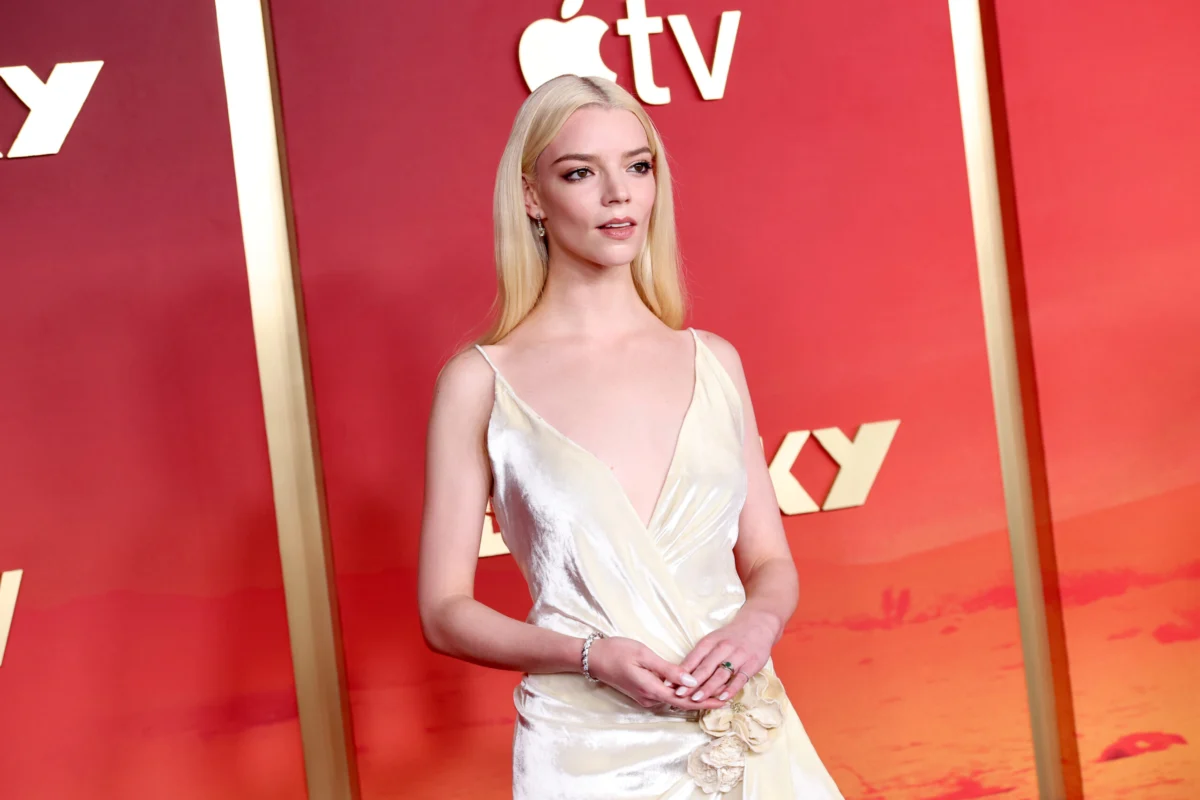
In a cinematic landscape dominated by sprawling shared universes and high-stakes intellectual property, few franchises command the reverence of J.R.R. Tolkien’s Middle-earth. As anticipation builds for the upcoming return to the Shire and beyond, the casting of Anya Taylor-Joy in The Lord of the Rings: The Hunt for Gollum has become one of the most discussed developments in modern fantasy film. For Taylor-Joy, the role represents more than just a career milestone; it is a personal journey from a childhood of narrow fandom to the realization of a lifelong fantasy dream.
A Childhood Rivalry Resolved
Speaking with Variety’s Marc Malkin at the premiere of the Apple TV+ series Lucky, Taylor-Joy offered a candid look into her evolution as a reader and viewer. As a child, the actress admitted to harboring a "misguided" belief that one’s loyalty could only belong to one kingdom: Hogwarts or Middle-earth.
"I had a misguided idea that you could only be a Harry Potter fan or a Lord of the Rings fan," Taylor-Joy explained. "Nobody told me that. I just came up with that on my own."
It was the forced introspection of the COVID-19 pandemic that finally allowed the actress to break down the self-imposed barriers between the two iconic franchises. After dedicating time to the Lord of the Rings trilogy, she reached a conclusion that many fans have held for decades: the two universes are not mutually exclusive. "Turns out you can love both, and you should," she said, marking a pivotal moment of cultural maturation that has serendipitously aligned with her entry into the Tolkien universe. Now, she prepares to dive into the source material with a fresh set of eyes, ready to inhabit the world she once kept at a distance.
The Role of Seren: A Lethal New Addition
The casting of Taylor-Joy as "Seren" has generated significant buzz regarding the scope of the new film. Described as a Sindar Elf of the Woodland Realm, Seren is characterized as a "trusted and lethal agent of King Thranduil." The description suggests a character who possesses the ethereal grace of the Elven folk combined with the pragmatic, often ruthless tactical mindset required to navigate the political and physical dangers of Middle-earth.
For Taylor-Joy, the role offers a rare opportunity to lean into a specific kind of cinematic iconography. When asked about her initial reaction to the casting, her response was visceral and lighthearted. "It’s so fun," she noted. "If my tombstone can say ‘Lethal Elf,’ I feel like I did a good job on this planet. So yeah, I’m excited."
Chronology of the Production
The development of The Hunt for Gollum has been a study in high-profile industry maneuvering. The timeline of the project’s evolution is as follows:
- Initial Development: Warner Bros. and New Line Cinema officially announced plans to expand the Lord of the Rings film slate, focusing on unexplored narratives within the established canon.
- Director Announcement: Andy Serkis was confirmed as the director, a move that brought immediate credibility to the project given his intimate knowledge of the source material and his iconic portrayal of the title character.
- June 2024: The casting of Anya Taylor-Joy was confirmed, alongside a influx of high-caliber talent including Kate Winslet, Leo Woodall, and Jamie Dornan.
- Role Transition: It was revealed that Jamie Dornan would be stepping into the role of Aragorn, a monumental task given the shadow cast by Viggo Mortensen’s definitive performance in Peter Jackson’s trilogy.
- Current Status: Pre-production and script development are underway, with the cast currently preparing for the rigorous demands of filming in the immersive environments characteristic of the franchise.
Supporting Data: An Ensemble of Titans
The production of The Hunt for Gollum is not merely a nostalgia trip; it is a significant investment in prestige talent. The inclusion of Jamie Dornan as the young Aragorn—the Ranger of the North who has yet to fully embrace his destiny as King of Gondor—serves as the anchor for the film’s narrative arc.
Furthermore, the film secures the return of foundational pillars of the franchise. Ian McKellen is set to reprise his role as Gandalf, while Elijah Wood will return as Frodo Baggins, and Lee Pace will return to the role of King Thranduil. This continuity of talent ensures that the tone, aesthetic, and emotional weight of the project remain firmly tethered to the high standard set by the original trilogy, even as the narrative explores a specific temporal gap between The Hobbit and The Fellowship of the Ring.

Official Responses and Industry Implications
The casting of Jamie Dornan in a role so closely associated with Viggo Mortensen has been a point of intense fan speculation. However, Andy Serkis has been proactive in ensuring that the transition is perceived as a collaboration rather than a replacement. On the Happy, Sad, Confused podcast, Serkis addressed the changing of the guard with professional grace.
"I really, really don’t want to go into it right now because I do want to save that for further down the line," Serkis said regarding specific casting choices. "I’m gonna save all discussion about casting. Other than that, we are thrilled that Jamie’s doing it. And, by the way, so is Viggo."
This public endorsement from the original Aragorn is crucial. It signals a "passing of the torch" that helps mitigate the skepticism often associated with rebooting or extending beloved cinematic roles. It suggests that the production is being handled with a level of respect for the legacy of the original films that fans have demanded.
Implications for the Future of Middle-earth
The success of The Hunt for Gollum carries significant weight for the future of Warner Bros.’ investment in the Tolkien estate. By focusing on a specific, contained narrative—the hunt for a singular, corrupted creature—the film avoids the pitfalls of attempting to "remake" the trilogy. Instead, it expands the lore in a way that feels additive.
The casting of Anya Taylor-Joy represents a strategic shift toward blending classic fantasy tropes with modern, high-intensity performances. Taylor-Joy’s ability to project intelligence and cold precision—seen in her work in The Queen’s Gambit and Furiosa—makes her an ideal choice for an Elf agent. It elevates the character of Seren from a background figure to a potentially pivotal player in the hunt.
Furthermore, by placing the film between the events of The Hobbit and The Fellowship of the Ring, the creators are tapping into a "golden era" of Aragorn’s development. It is the time when he was Strider, a wanderer who was not yet the king, but who was already burdened by the weight of his lineage.
Conclusion: A New Chapter
As Anya Taylor-Joy begins her deep dive into Tolkien’s novels, the sentiment surrounding The Hunt for Gollum continues to shift from cautious curiosity to genuine anticipation. The blend of returning veterans and new, powerhouse talent suggests a project that is cognizant of its heritage but unafraid to forge its own path.
When the cameras finally roll and the "Lethal Elf" of the Woodland Realm makes her debut, it will mark the beginning of a new chapter for a franchise that has proven, much like the ring itself, to have an enduring and powerful hold on the global imagination. For Taylor-Joy, the journey is just beginning, but for the audience, the promise of returning to Middle-earth is a return to a home that is both familiar and, through the eyes of new characters, entirely fresh.

 Neng Nana
 Basiran