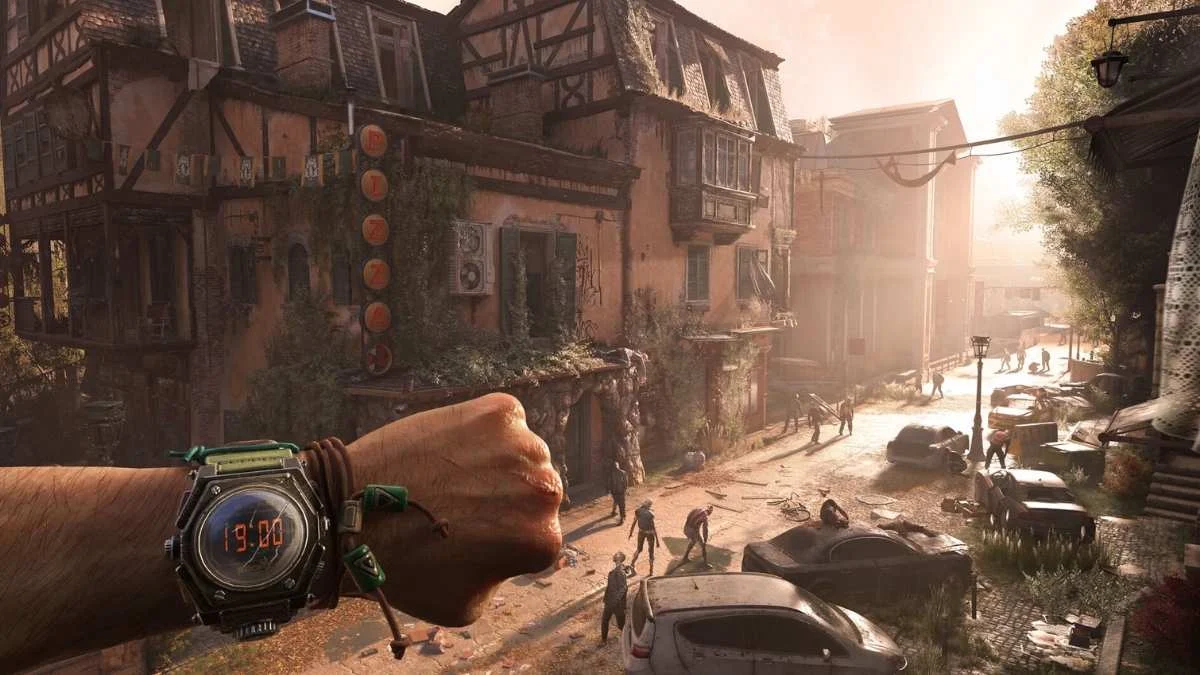
The highly anticipated survival horror title, Dying Light: The Beast, will no longer be gracing the PlayStation 4 and Xbox One, a decision that has sent ripples of disappointment through the gaming community. Developer Techland has confirmed the cancellation for these older platforms, citing insurmountable hardware limitations. In a move aimed at mitigating fan frustration, the studio has assured players that full refunds will be available for those who purchased the game with the expectation of playing on last-gen consoles.
The abrupt shift in platform availability for Dying Light: The Beast, initially slated for release in 2025, has ignited a flurry of discussion among players. While the next-generation consoles (PlayStation 5 and Xbox Series X|S) and PC will still receive the full, uncompromised vision of the game, the exclusion of PS4 and Xbox One marks a significant pivot, leaving a considerable segment of the Dying Light fanbase feeling left behind.
The Unveiling and the Unraveling: A Timeline of Events
Dying Light: The Beast was first announced as a title designed to push the boundaries of the Dying Light universe, promising an expansive and immersive open-world experience. Early marketing materials and developer statements indicated a release window that encompassed both current and previous generation consoles. This inclusivity was met with enthusiasm, as it suggested that a broad spectrum of players would be able to partake in the next installment of the zombie-infested saga.
However, as development progressed, the technical demands of the game became increasingly apparent. Techland, known for its commitment to delivering high-fidelity gaming experiences, found itself at a crossroads. The ambition for Dying Light: The Beast was intrinsically linked to the capabilities of modern hardware. Features such as advanced lighting, complex AI, expansive draw distances, and intricate environmental details, all crucial to the game’s intended atmosphere and gameplay, proved to be too taxing for the aging architecture of the PlayStation 4 and Xbox One.
The official announcement of the platform exclusion arrived via a statement on social media channels, including the official Dying Light Twitter account. The message, dated July 14, 2026, conveyed the difficult decision.
"After careful consideration, we have made the difficult decision that Dying Light: The Beast will no longer be released on PlayStation 4 and Xbox One," the statement read. "Dying Light: The Beast was built from the ground up to take full advantage of current-generation hardware. Its open world…" The post was truncated, but the implication was clear: the game’s design was fundamentally incompatible with the limitations of the previous generation.
This announcement directly contradicted earlier assumptions and marketing, leading to immediate concern and speculation among the player base. The realization that a game they had anticipated for months, potentially pre-ordered, would not be accessible on their current hardware, naturally led to disappointment and frustration.
Hardware Limitations: The Technical Hurdle
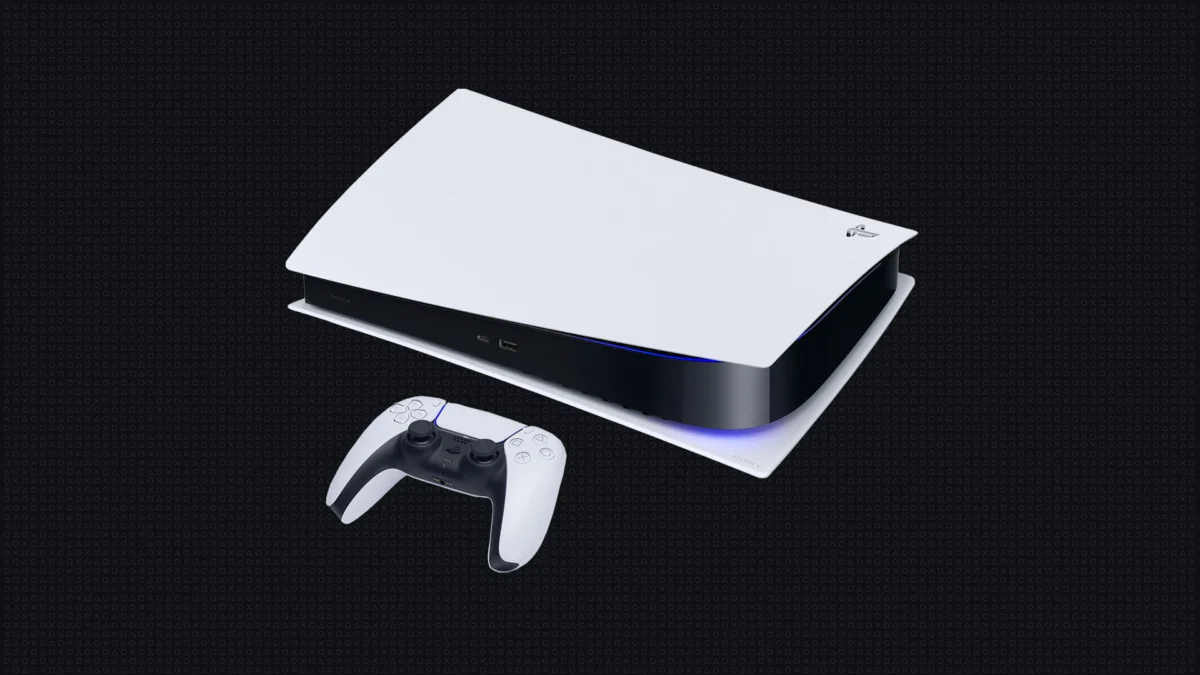
Techland’s primary justification for the platform exclusion hinges on what they describe as "hardware limitations." The studio emphasized that Dying Light: The Beast was conceived and developed with the processing power, memory bandwidth, and graphical capabilities of the PlayStation 5, Xbox Series X|S, and modern PCs in mind.
"Previous generation consoles simply cannot provide the power needed to deliver the experience we envisioned for Dying Light: The Beast," a spokesperson for Techland explained in a follow-up statement. "We strive to create games that are visually stunning and technically ambitious. To achieve this, we need to leverage the full potential of the hardware we are targeting. Attempting to scale Dying Light: The Beast down to the capabilities of the PS4 and Xbox One would have resulted in a compromised experience, sacrificing key features and diminishing the overall quality that players expect from the Dying Light franchise."
This implies that features such as:
- Advanced Global Illumination and Ray Tracing: Modern hardware allows for more realistic lighting scenarios, crucial for creating an atmospheric and terrifying zombie-infested world. The processing power required for these effects is beyond the scope of last-gen consoles.
- Higher Fidelity Textures and Models: The intricate details of character models, environments, and weaponry benefit greatly from the increased memory and processing power of current-gen systems.
- Faster Loading Times and Seamless Open World: The ambitious scale and density of Dying Light: The Beast‘s open world likely rely on the rapid data streaming capabilities of SSDs found in current-gen consoles and modern PCs.
- More Complex AI and Enemy Encounters: The survival horror genre often relies on intelligent and dynamic enemy behavior. Achieving this on a large scale requires significant computational resources.
- Higher Frame Rates and Resolutions: To provide a fluid and immersive gameplay experience, developers often aim for higher frame rates and resolutions, which are more readily achievable on more powerful hardware.
The decision to prioritize the full realization of their creative vision on current-generation hardware over a potentially compromised version for older consoles is a familiar narrative in the industry as it transitions to new technological eras. However, it inevitably leaves a segment of the gaming community feeling underserved.
The Refund Initiative: A Gesture of Goodwill
Recognizing the significant disappointment and potential financial implications for players who had invested in the game for last-gen platforms, Techland has proactively announced a comprehensive refund policy. This is a crucial aspect of their communication, aiming to de-escalate potential backlash and demonstrate a commitment to player satisfaction.
"We know many of you were looking forward to playing on PS4 or Xbox One, and we are truly sorry for the disappointment this causes," the official statement continued. "Anyone who was expecting to play on either platform will be eligible for a refund."
While the exact mechanics of the refund process were not immediately detailed, the statement suggested that players should explore options through the PlayStation Store and Xbox Store. It is anticipated that these digital storefronts will implement a streamlined process for eligible customers. This typically involves verifying the purchase of Dying Light: The Beast and processing the refund directly to the player’s account.
The availability of refunds is a critical component of responsible game development and community management, especially when significant changes to a game’s release are made. It acknowledges the trust players place in developers and the financial commitment they make. By offering a full refund, Techland aims to alleviate the feeling of being wronged and to maintain a positive relationship with its player base, even as it navigates the challenging realities of game development.
Implications for the Gaming Landscape and Player Expectations
The decision by Techland to exclude Dying Light: The Beast from PlayStation 4 and Xbox One, while understandable from a technical standpoint, has broader implications for the gaming industry and player expectations:
- The Accelerating Generational Divide: This move underscores the increasingly rapid pace at which the industry is moving towards current-generation hardware. Developers are finding it more efficient and creatively fulfilling to focus solely on the capabilities of newer consoles and PCs, rather than attempting to bridge the gap with older technology. This means that as new titles are announced, players who have not yet upgraded may face a growing list of exclusions.
- The Importance of Clear Communication: The initial announcement of Dying Light: The Beast encompassing last-gen consoles created a clear expectation. The subsequent change highlights the critical need for developers to be transparent and upfront about platform plans, especially in the early stages of development. Misinformation or shifting plans can lead to significant player dissatisfaction.
- The Evolving Definition of "Cross-Generational" Releases: While cross-generational releases were a norm during the initial transition to the PS5 and Xbox Series X|S, they are becoming less common for major, graphically intensive titles. Developers are increasingly opting for "current-gen only" releases to fully realize their artistic and technical ambitions.
- Player Investment and Loyalty: For players who have invested heavily in the Dying Light franchise on older consoles, this news can be disheartening. It raises questions about the long-term viability of supporting older hardware and the potential need to upgrade to continue experiencing the latest installments of their favorite series.
- The Power of Developer Vision vs. Player Accessibility: This situation exemplifies the perennial tension between a developer’s artistic vision and the accessibility of their games to a broad audience. Techland’s choice prioritizes delivering an uncompromised experience, which is often a hallmark of quality, but it comes at the cost of excluding a portion of their potential player base.
In conclusion, the cancellation of Dying Light: The Beast for PlayStation 4 and Xbox One is a significant development that reflects the ongoing evolution of gaming technology. While the technical justifications are clear, Techland’s proactive approach to offering refunds demonstrates a commendable effort to address player concerns and maintain goodwill. As the industry continues its march forward, such decisions will likely become more prevalent, prompting players to carefully consider their hardware choices and developers to prioritize clear and timely communication regarding platform availability. The future of Dying Light on current-generation consoles and PC remains bright, but the echoes of this exclusion will undoubtedly resonate within the community.