Ammar Sabilarrohman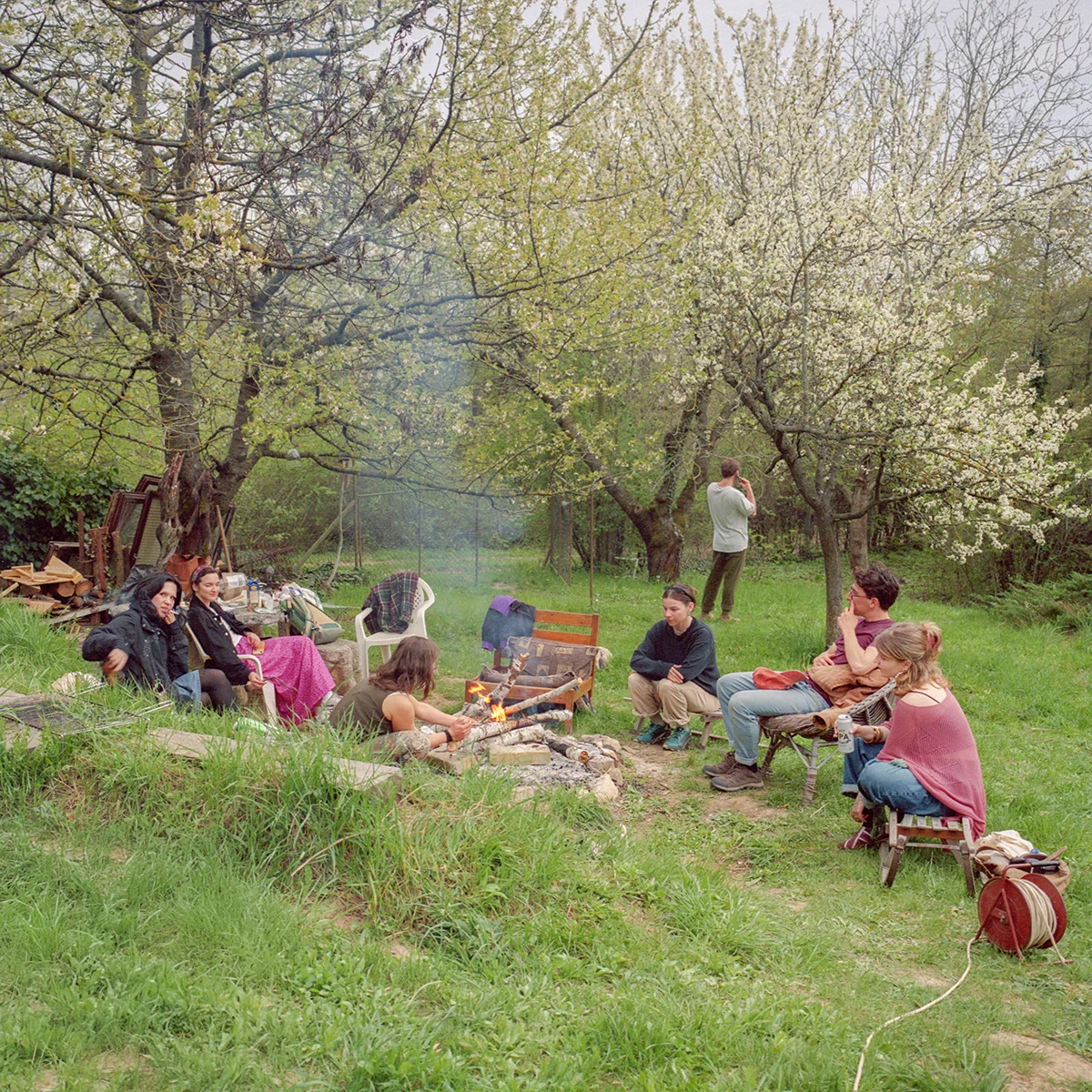
In an era defined by hyper-connectivity, digital fatigue, and the soaring costs of urban existence, a quiet revolution is taking root in the Hungarian countryside. For many, the dream of the city—once synonymous with opportunity—has curdled into a reality of overstimulation, precarious housing, and an existential malaise. Among those documenting this seismic cultural shift is Hungarian-Nicaraguan photographer Erika Nina Suárez, whose ongoing project, "Will There Be Fire? Will There Be Bread?", serves as both a visual archive and a sociological inquiry into the modern exodus toward self-sufficiency.
The Architect of the Lens: Erika Nina Suárez
To understand the intimacy of Suárez’s work, one must first look at her background. Born into a heritage that bridges the agricultural landscapes of Hungary and Nicaragua, Suárez has spent her life contemplating the relationship between human beings and the land they inhabit. She is currently based in Budapest, having refined her academic perspective through a BFA from the University of North Texas in 2019 and an MA from the prestigious Moholy-Nagy University of Art and Design in 2026.
Her creative trajectory was not linear. Early experiences photographing friends living in clothing-optional, communal co-ops in the United States planted the seeds for her current obsession: the study of alternative lifestyle movements. Suárez’s lens does not merely capture the aesthetics of farm life; it investigates the psychological necessity of breaking away from the industrial norm. Her work is a meditation on what it means to reclaim agency in a world that often feels increasingly out of the individual’s control.
Chronology of an Exodus: From Single Subject to Movement
What began as a singular photographic study of an individual’s choice to leave city life has evolved into an expansive, long-term documentary project. Initially, Suárez set out to document one person’s departure from the urban grind. However, as she delved deeper into the field, she found that her subject was not an outlier—they were a harbinger of a broader trend.
Phase 1: The Initial Spark
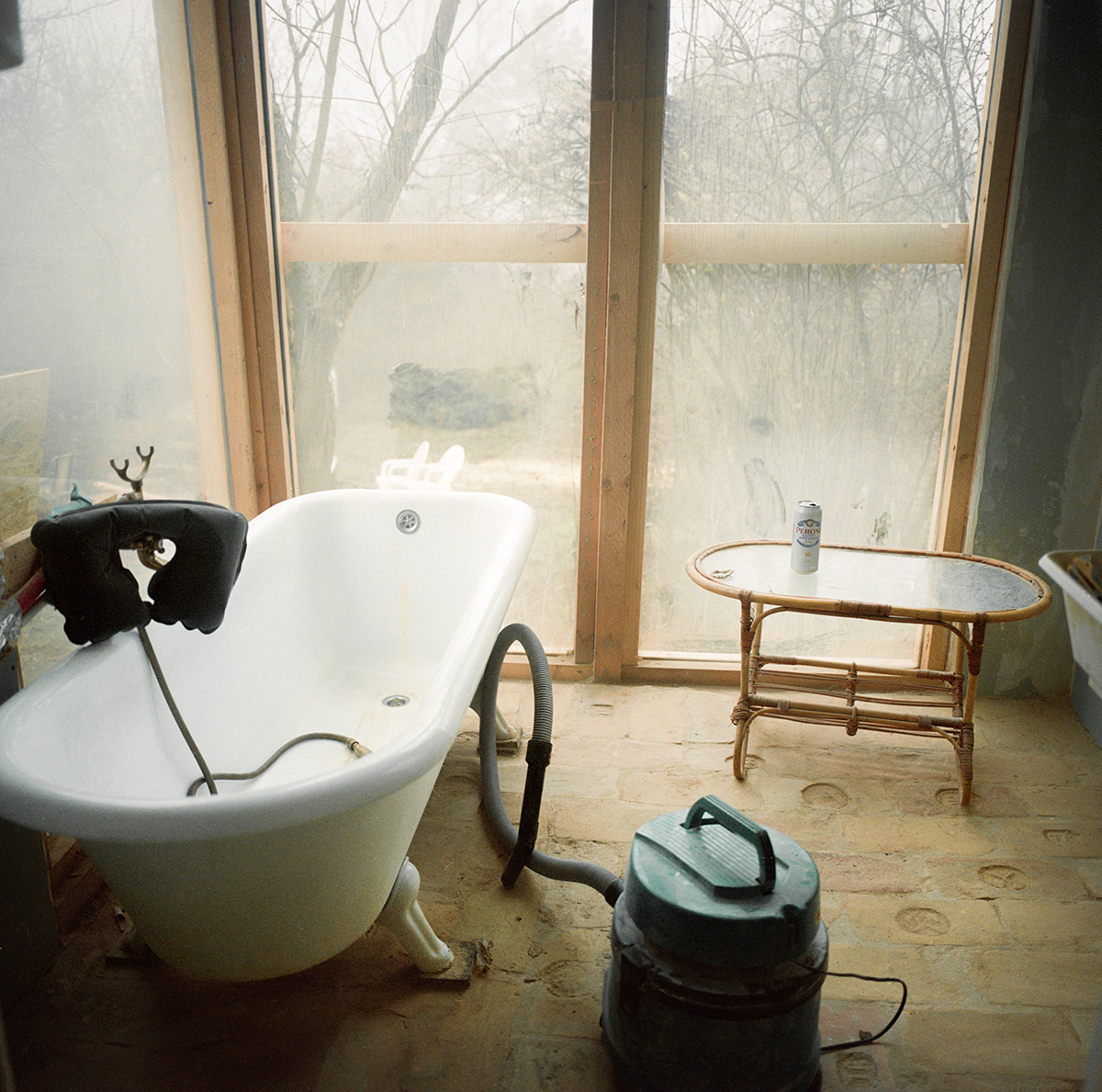
Suárez’s early documentation focused on the raw, often unglamorous reality of leaving the city. She began by mapping the motivations of those moving to rural Hungary. She found that the decision was rarely impulsive; it was almost always a response to a long-gestating frustration.
Phase 2: Identifying the Pattern
As the project expanded, Suárez began following families and young professionals who had spent years in the workforce before deciding to trade their laptops for shovels. She noted that these individuals were not necessarily "back-to-the-landers" of the 1970s variety, but modern, tech-literate citizens seeking to redefine their relationship with productivity.
Phase 3: A Documentarian’s Synthesis
Today, "Will There Be Fire? Will There Be Bread?" stands as a multi-year chronicle. It captures the physical transformation of these individuals—the calloused hands, the makeshift solar installations, the communal kitchens—alongside the emotional transformation of people who have traded the "prestige" of city living for the quiet dignity of subsistence.
Supporting Data: The Anatomy of Burnout
Suárez’s qualitative research mirrors broader global trends that suggest the urban migration of the 20th century is beginning to reverse. According to various sociological studies on urban burnout, several key factors act as the primary catalysts for this movement.
The Overstimulation Crisis
Psychologists have increasingly identified "urban stress syndrome," a phenomenon where the constant sensory input of a city environment leads to chronic cortisol elevation. Suárez’s subjects frequently cited this as their primary reason for leaving. They expressed a need for "cognitive silence"—the ability to focus on one task, such as growing food or repairing a barn, without the constant digital noise of notifications and urban transit.
Economic Precarity
While rural life presents its own economic challenges, the cost of housing in European capitals like Budapest has reached levels that make ownership a pipe dream for many young families. The move to the countryside is often an economic strategy—a move toward "de-commodification." By reducing the reliance on external supply chains for food and energy, these families are effectively opting out of the volatile urban housing market.

The Search for Community
The traditional urban model promised convenience but often delivered isolation. Suárez’s photographs highlight a recurring theme: the desire for "intentional community." The people she documents are not living in hermetic isolation; they are building small, collaborative networks where childcare, food production, and labor are shared.
The Subject’s Voice: Why They Leave
In reflecting on her fieldwork, Suárez provides a poignant summary of the narratives she encountered:
"Again and again, I encountered people making similar decisions and expressing similar frustrations. Many described feeling overstimulated, burnt out, unable to afford housing in the city, and uncertain about what kind of future was available to them. Others spoke about wanting to grow their own food, to have greater control over their time, and to rethink what community can look like. Together, the photographs document people actively building alternative ways of living while navigating the realities and uncertainties that come with them."
These testimonies underscore that this is not a romanticized "return to nature" retreat. It is a pragmatic, often difficult navigation of reality. The subjects are not looking for a vacation; they are looking for a sustainable way to live in a world that many feel is teetering on the edge of instability.
Implications: The Future of the Rural Landscape
The work of Erika Nina Suárez poses a significant question for policymakers and urban planners: If the most talented and driven individuals are choosing to exit the city, what does that mean for the future of urban centers?

A Shift in Productivity
If the 20th century was defined by the mass migration to cities for industrial and service-sector jobs, the 21st century may be defined by a "de-centralization of the workforce." As remote work becomes a permanent fixture of the economy, the physical necessity of the city diminishes. This allows for a more distributed population, which could potentially revitalize rural economies that have been dying for decades.
The Sustainability Factor
There is an environmental imperative to these movements as well. By growing their own food and utilizing communal resources, these families are significantly reducing their carbon footprints. Suárez’s project implicitly asks if the scale of these personal choices could eventually become a collective solution to the climate crisis.
The Risks of Autonomy
However, the path is not without its perils. The "realities and uncertainties" mentioned by Suárez include the lack of robust healthcare infrastructure in rural areas, the physical toll of manual labor, and the social isolation that can occur when moving away from traditional support systems. The project does not shy away from these dangers; it portrays them as part of the price paid for autonomy.
Conclusion: A Window Into Tomorrow
Erika Nina Suárez’s "Will There Be Fire? Will There Be Bread?" is more than a photography exhibition; it is an early-warning system. It documents a shift in human priorities that is currently occurring across the Western world. By capturing the faces, the landscapes, and the quiet moments of those choosing a different path, Suárez provides a mirror for us all.
As we look toward an uncertain future, the questions in the title of her series become increasingly relevant. If the systems we have relied upon for decades continue to fail us, will we have the fire to warm our homes? Will we have the bread to feed our families? And, perhaps most importantly, will we have the courage to build something new from the soil up? Through her long-term documentary work, Suárez suggests that the answers are being written right now, in the quiet, dirt-streaked fields of the Hungarian countryside.



 Neng Nana