
 Layla Zulfa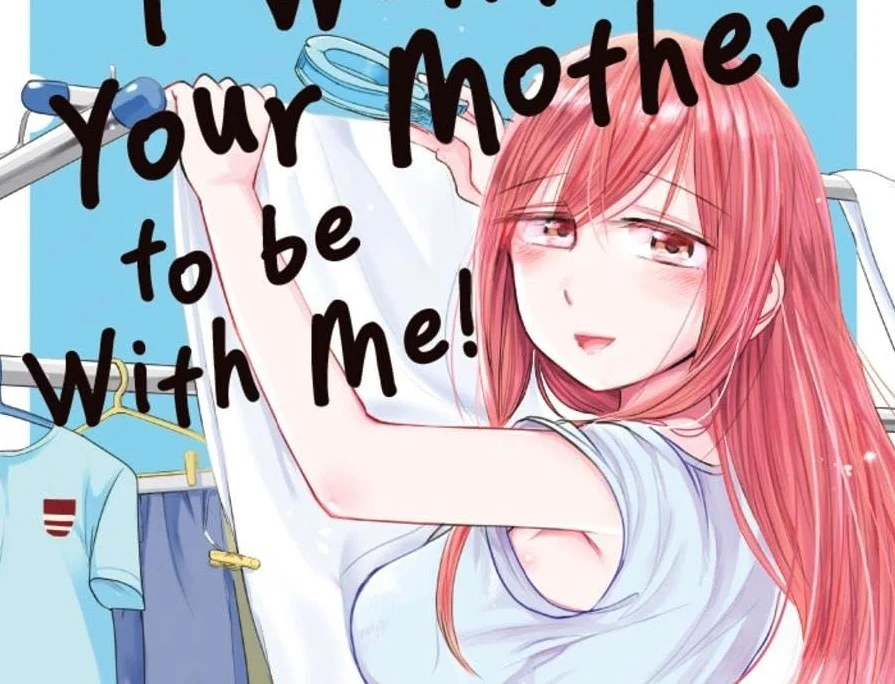
Introduction: A New Wave of Domestic Romance
In the contemporary landscape of manga, the "slice-of-life" genre has undergone a significant evolution. No longer confined to the high school corridors or the whimsical fantasies of "isekai" adventures, modern narratives are increasingly turning their gaze toward the complexities of adult life, economic stability, and unconventional family structures. At the forefront of this shift is Yutaka Tazawa’s latest work, I Want Your Mother to Be with Me! (Japanese Omae no Kaachan to Tsukiaitai!). Published in English by One Peace Books, the series offers a grounded yet humorous exploration of a young man’s pursuit of a woman who carries the weight of both widowhood and motherhood.
The series distinguishes itself by blending the "super-pure" romantic intent of its protagonist with the harsh realities of the Japanese labor market and the social stigmas surrounding single parenthood. As the title suggests, the narrative is bold, yet the execution remains a delicate balance of lighthearted comedy and poignant character growth.
Main Facts: The Core Premise and Creative Team
I Want Your Mother to Be with Me! centers on Ryo, a young man currently navigating the precarious world of part-time employment. While his current professional standing is modest, Ryo is a character defined by his aspirations; he is diligently studying to pass his accounting exams, a move intended to secure a stable middle-class existence. However, his primary motivation is not merely financial gain, but his profound affection for his coworker, Yuzuki.
Yuzuki is a single mother whose life has been shaped by tragedy. Having lost her husband shortly after the birth of her child, she has spent the last five years prioritizing her son’s well-being over her own romantic or personal desires. When Ryo takes the leap from secret admirer to suitor—proposing not just a date, but a life together with the intention of marriage—he is met with a rejection that is as pragmatic as it is swift.
Key Series Information:
- Creator: Yutaka Tazawa (Story & Art)
- English Publisher: One Peace Books
- Genre: Seinen, Slice-of-Life, Romantic Comedy
- Themes: Single parenthood, economic mobility, domestic bonding, and the "iyashikei" (healing) subgenre.
Chronology: From Rejection to Connection
The narrative arc of the first volume follows a distinct chronological progression that shifts from a traditional "pursuit" romance into a more complex domestic comedy.
The Initial Proposal and Economic Reality
The story begins with Ryo’s internal monologue, establishing his deep-seated crush on Yuzuki. Despite the warnings of his peers—who suggest that a young man in his twenties should not "saddle" himself with the responsibilities of another man’s child—Ryo remains undeterred. He views Yuzuki’s motherhood not as "baggage," but as a testament to her character.
The turning point occurs when Ryo confesses his feelings and proposes marriage. Yuzuki’s response serves as the story’s "reality check." She rejects him not because of a lack of chemistry, but due to the logistical impossibility of his offer. As a part-time worker without a professional license, Ryo cannot provide the financial security required to raise a five-year-old. This moment grounds the manga in a socioeconomic reality often ignored in more whimsical romances.
The Shift to "The Long Game"
Following his rejection, the narrative transitions into the "friendship" phase. Ryo, realizing that the path to Yuzuki’s heart is through her identity as a mother, begins to pivot his focus toward her five-year-old son. The son is portrayed as a high-energy, bug-obsessed child—a common archetype in Japanese media that represents pure, unfiltered childhood curiosity.
The Integration of Domesticity
The latter half of the debut volume focuses on Ryo’s attempts to bridge the gap between "coworker" and "family friend." By bonding with the son over insects and play, Ryo inadvertently begins to fulfill a paternal role. The chronology concludes on a cliffhanger that suggests Yuzuki’s resolve may be softening, though the path to a formal relationship remains obstructed by social and personal hurdles.
Supporting Data: Artistic Style and Narrative Tone
Yutaka Tazawa’s artistic approach is instrumental in conveying the "laid-back" atmosphere described by critics. The artwork is characterized by clean, smooth lines and a focus on expressive character acting.
Visual Humor and Emotional Resonance
The manga utilizes traditional comedic tropes—such as exaggerated facial expressions during Ryo’s moments of panic—but balances them with detailed, soft-lensed panels that highlight Yuzuki’s maternal warmth. Critics have noted that the artwork perfectly captures the "motherly" aura Yuzuki projects, which creates a unique tension: Ryo sees her as a romantic partner, while she initially views him with the same care she might afford a younger brother or an older child.
The "Super-Pure" vs. Fanservice Paradox
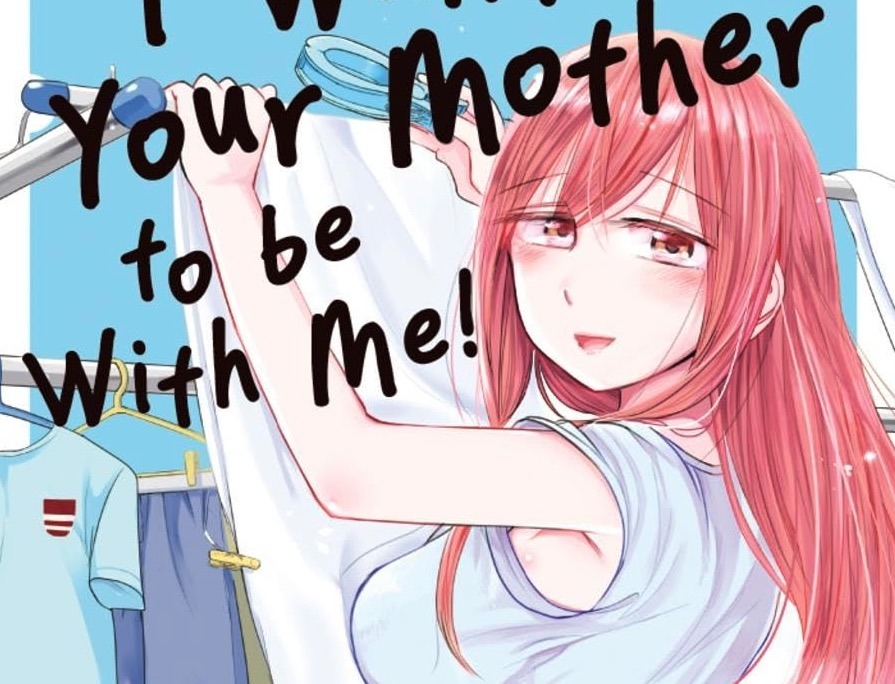
Marketing for the series frequently uses the term "super-pure" to describe the emotional core of the story. This refers to Ryo’s genuine intentions and the lack of predatory or "carnal" motivations in his pursuit. However, the series does not shy away from the Seinen (young adult male) demographic’s expectations. The art occasionally emphasizes Yuzuki’s physical attributes, particularly her cleavage, a choice reflected in the volume’s cover art.
While this may seem at odds with the "pure" label, it serves as a reminder of the protagonist’s perspective; Ryo is a young man who is physically attracted to Yuzuki, yet his respect for her role as a mother prevents the story from devolving into a purely "ecchi" (risqué) narrative. The focus remains steadfastly on the emotional labor of building a family unit.

Official Responses and Market Positioning
One Peace Books, known for its curated selection of titles that often challenge mainstream tropes, has positioned I Want Your Mother to Be with Me! as a standout in the "older woman/younger man" niche.
Publisher Strategy
In press releases and marketing materials, the publisher has emphasized the "endearing" nature of the protagonist. By highlighting Ryo’s willingness to embrace Yuzuki’s past and her child, One Peace Books is tapping into a growing market for "wholesome" or "healing" content. This strategy aligns with the success of other titles like The Way of the Househusband, where the subversion of traditional masculinity—moving away from the "breadwinner" archetype toward the "nurturer"—is a central draw.
Critical Reception
Early reviews from outlets such as Otaku USA Magazine have praised the series for its sincerity. Reviewer Danica Davidson highlighted the manga’s ability to handle "baggage" with grace, noting that Ryo’s lack of concern for social norms regarding single mothers makes him a highly likable lead. The consensus suggests that the manga’s strength lies in its "openness," leaving the door ajar for a slow-burn romance that feels earned rather than forced.
Implications: Social Commentary and the Future of the Genre
The publication of I Want Your Mother to Be with Me! carries several broader implications for the manga industry and its reflection of Japanese society.
Addressing the Stigma of Single Motherhood
Japan has historically maintained a rigid view of family structures, and single mothers often face significant economic and social challenges. By portraying Yuzuki not as a tragic figure to be "saved," but as a competent, discerning woman who sets clear boundaries, Tazawa contributes to a more nuanced representation of single parents in popular media. Ryo’s character serves as a proxy for a younger generation that is perhaps more willing to overlook traditional stigmas in favor of genuine emotional connection.
The "Accounting Exam" as a Narrative Device
Ryo’s pursuit of an accounting certification is more than a plot point; it is a commentary on the "precariat" class in Japan. The "part-timer" (freeter) status is often a barrier to marriage in Japanese culture. By linking Ryo’s romantic success to his professional certification, the manga reinforces the idea that love in the modern world is inextricably tied to economic stability. It adds a layer of "Ganbare" (do your best) spirit to the romance, making Ryo’s journey a dual quest for love and adulthood.
Conclusion: A Cliffhanger of Possibility
As the first volume concludes, the "pretty good cliffhanger" mentioned by readers suggests that the series will continue to move toward a blending of these two worlds—the professional and the domestic. I Want Your Mother to Be with Me! stands as a testament to the enduring appeal of the slice-of-life genre when it is infused with real-world stakes. It is a story that argues that while a "part-timer" may not be ready to support a child today, the sincere desire to do so—and the hard work required to get there—is the ultimate romantic gesture.
For fans of character-driven narratives that offer more than just surface-level tropes, Yutaka Tazawa’s work provides a refreshing, humorous, and ultimately "pure" look at what it means to fall in love with a person’s entire life, including the bugs, the bills, and the beautiful complexity of parenthood.


 Reynand Wu
 Asep Darmawan





