

In a case that has ignited a firestorm of national debate regarding the balance between public safety and personal privacy, a U.S. Air Force engineer and mechanic, Jeffrey Sovern, has been formally charged in connection with a systematic campaign to dismantle automated license plate reader (ALPR) technology in North Suffolk, Virginia. The incident, which unfolded over a six-month period between April and October 2025, has highlighted the growing, and often violent, backlash against the widespread adoption of Flock Safety surveillance networks.
Sovern, who holds a position requiring high-level technical expertise, now faces a staggering 25 criminal charges, including 13 felony counts of destruction of property, six counts of petit larceny, and six counts of possession of burglary tools. As the legal proceedings commence, the case has transcended the typical boundaries of local vandalism, becoming a lightning rod for privacy advocates and surveillance critics alike.
The Chronology of the Destruction
The campaign against the Flock cameras was neither impulsive nor singular. According to investigative reports from the Suffolk Police Department, the activity began in early spring 2025 and demonstrated a clear progression in sophistication and aggression.
The Initial Phase: Passive Disruption
In April 2025, local law enforcement began noticing that cameras were being tampered with in relatively non-destructive ways. Often, the units were simply redirected away from the flow of traffic, rendering them useless for data collection. At this stage, officials believed these were isolated incidents of mischief or protest.
The Escalation: Structural Damage
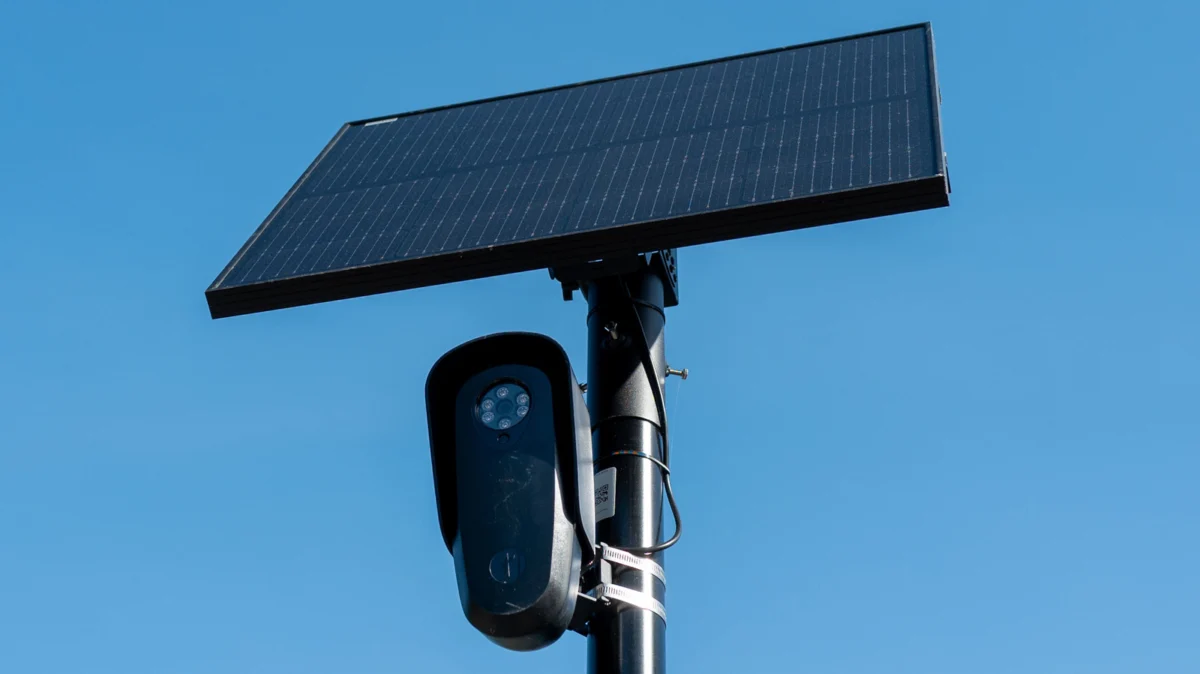
By mid-summer, the tactics shifted. The culprits began focusing on the physical infrastructure of the installations. Poles holding the solar-powered cameras were toppled, causing significant damage to the mounting hardware. This signaled a transition from passive protest to active, destructive sabotage.
The Final Act: Aerial Sabotage
By the final months of the spree, the level of aggression peaked. Authorities began discovering cameras that had been torn from their mounts and thrown off local bridges, smashing onto the interstates below. This final phase posed not only a financial burden to the municipality but a genuine safety hazard to motorists navigating the highways beneath these overpasses.
Investigative Breakthrough and Arrest
The unraveling of the alleged operation began with a routine observation that spiraled into a high-stakes investigation. Police investigators, responding to the patterns of the vandalism, identified a gray pickup truck parked in suspicious proximity to a Flock camera installation.
Utilizing this lead, authorities secured a warrant to attach a GPS tracking device to the vehicle. The data gleaned from the tracker allowed detectives to map the movements of the truck in relation to the subsequent camera destruction incidents. The investigation culminated in the execution of a search warrant at Sovern’s residence. During the raid, law enforcement reportedly recovered solar panels and various internal components that matched the serial numbers and hardware configurations of the stolen and destroyed cameras. Despite the weight of the evidence presented, Sovern has entered a plea of not guilty.
The Flock Phenomenon: A National Surveillance Network
To understand why a member of the U.S. military would allegedly risk his career and freedom to target these devices, one must understand the sheer scale of the network he was accused of dismantling.
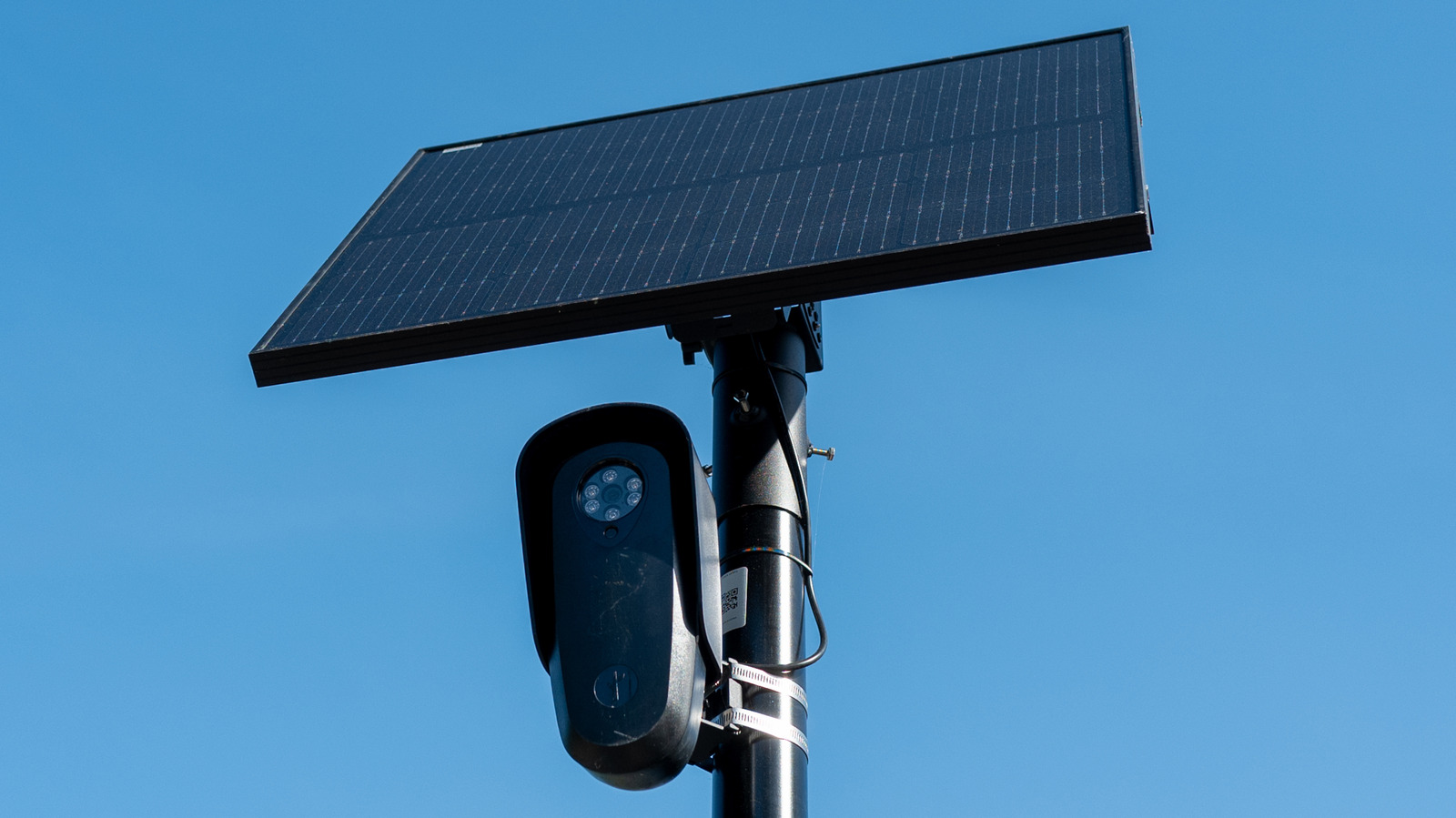
Flock Safety has, in a relatively short period, become the dominant force in American private-public surveillance. Since its founding, the company has secured contracts with more than 5,000 law enforcement agencies. These cameras do not merely snap photos of license plates; they are sophisticated nodes in an ever-growing, nationwide mesh network.
Data Collection Capabilities
Flock cameras record a comprehensive array of vehicle characteristics, including:
- License Plate Recognition (LPR): Real-time tracking of plates against local and national crime databases.
- Vehicle Fingerprinting: Identification of make, model, color, and specific modifications (e.g., bumper stickers, dents, roof racks).
- Temporal Tracking: The ability to trace a vehicle’s path across an entire city or county, creating a movement history that was previously impossible without a warrant.
Proponents argue that this data is a "force multiplier" for police, allowing them to solve violent crimes, locate missing persons, and deter criminal activity by creating a "digital fence" around neighborhoods.
The Controversy: Privacy and Constitutional Concerns
The backlash against Flock is rooted in the fear of the "panopticon effect"—the feeling of being constantly watched by an unseen authority. Critics, including civil liberties groups, argue that the technology creates a persistent surveillance dragnet that ensnares ordinary, law-abiding citizens.
The Constitutional Argument
The core of the legal and moral opposition lies in the Fourth Amendment. Privacy advocates contend that the mass collection of movement data—tracking where a person goes, who they visit, and what businesses they frequent—constitutes a search that should require a warrant. While law enforcement agencies often claim the data is only used for "serious crimes," critics point to the "mission creep" common in government surveillance, where tools intended for violent crime investigation eventually become used for minor civil infractions or the monitoring of political protesters.
Financial and Legal Repercussions
The state of Virginia takes the destruction of public and private property seriously. For a property crime to reach the felony threshold in this jurisdiction, the damage must exceed $1,000. According to the Suffolk police, the breakdown of costs per installation is:
- Camera Unit: $800
- Mounting Pole: $500
- Solar Array: $350
With 13 confirmed incidents, the financial damage is significant. However, the legal stakes for Sovern are arguably outweighed by the symbolic status he has achieved. Remarkably, public support for his cause has manifested in tangible form, with reports indicating that over $15,000 has been raised in donations to assist with his legal defense—a figure that underscores the depth of public frustration regarding the proliferation of these cameras.
Implications for the Future of Smart Cities
The case of Jeffrey Sovern is a microcosm of a much larger tension in American society: the trade-off between the desire for "smart", safe urban environments and the fundamental right to anonymity in public spaces.
The Risk of Vigilantism
The destruction of these cameras represents a form of extra-legal resistance. When citizens feel that their concerns regarding surveillance are ignored by local government and legislative bodies, they may turn to direct action. The "Flock camera vandalism trend" mentioned by authorities is not a local anomaly but a national movement.
The Security of Public Infrastructure
From a municipal standpoint, the case poses a security dilemma. If camera networks are vulnerable to manual destruction, they become a liability rather than an asset. Cities are now forced to consider the "hardening" of these sites, which could lead to more obtrusive, fortified camera installations—further fueling the public perception that they are living in a police state.
The Role of Technology in Democracy
As the legal system decides the fate of the accused, the broader question remains: at what point does the deployment of surveillance technology exceed the threshold of public consent? If a significant portion of the population is willing to donate to the defense of those accused of destroying these devices, it suggests that the manufacturers and the police agencies that employ them have a significant "trust gap" to bridge.
Conclusion: A Turning Point
The trial of Jeffrey Sovern will undoubtedly be watched closely, not just by legal experts, but by privacy advocates and tech-policy makers across the nation. While the criminal charges are focused on the destruction of physical property, the underlying narrative is one of a technological clash. As society continues to integrate AI-driven surveillance into the fabric of daily life, the case serves as a stark reminder that technology does not exist in a vacuum. It interacts with human values, constitutional expectations, and a growing, vocal skepticism that may define the next decade of American civil liberties.
For now, the cameras remain in place, the data continues to flow, and the debate over the "eye in the sky" shows no sign of slowing down.











