The landscape of modern entertainment is shifting rapidly, moving away from traditional broadcast television toward agile, mobile-first digital experiences. At the forefront of this transformation are South Korean webtoons—digitally native, vertically scrolling comics that have captivated millions of readers globally. A testament to this meteoric rise is the recent announcement that Big See, one of Lezhin Comics’ most celebrated titles, is being adapted into a high-profile digital drama series by the tech and media giant Kakao M.
This adaptation is not merely an exercise in transferring a story from one medium to another; it is a pioneering blend of live-action cinematography and traditional animation, designed to push the boundaries of storytelling on mobile devices. As the line between the physical world and the digital canvas blurs, Big See stands as a flagship project for the future of serialized digital entertainment.
The Core Narrative: A Poignant Journey
At the heart of the Big See phenomenon is the storytelling prowess of Kim Botong, a visionary creator whose work resonates deeply with contemporary audiences. Big See holds the distinction of being the first title to ever be awarded the prestigious "Manhwa of the Day" prize in South Korea, a recognition that cemented its status as a literary and visual landmark.
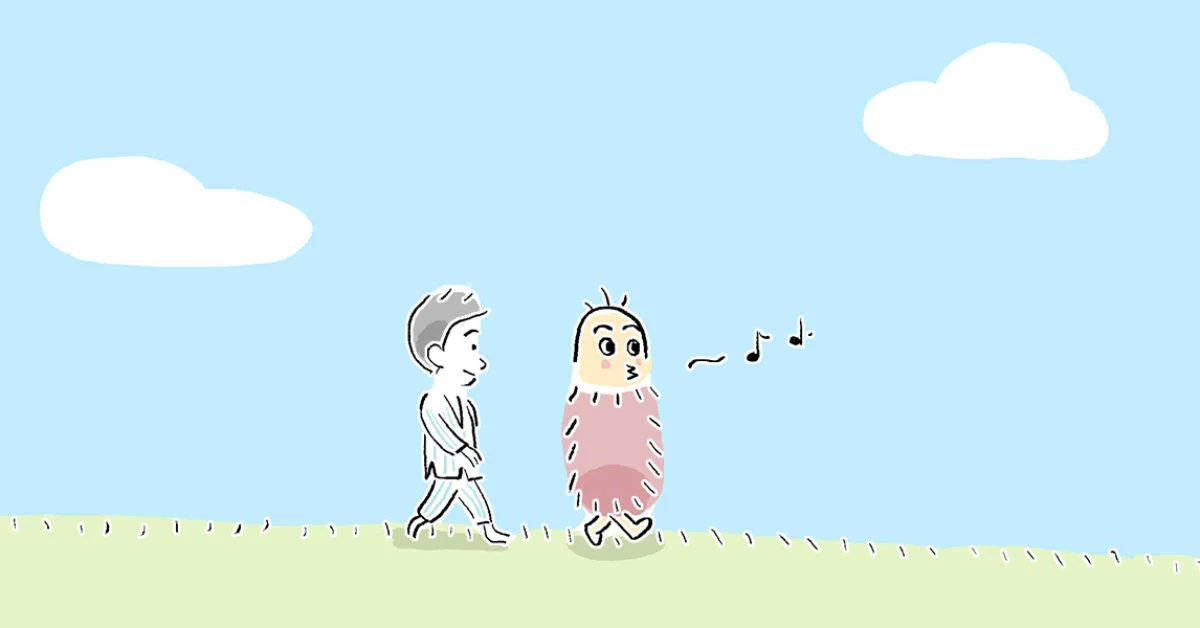
The narrative follows a young man grappling with the terminal stages of cancer. Rather than relying on standard melodrama, the comic explores the psychological liminal space between reality, memory, and the inevitable end. With over 20 million views worldwide, the source material has proven that stories dealing with existential dread and human vulnerability possess a universal appeal that transcends linguistic and cultural borders. The upcoming digital drama aims to capture this intimacy, bringing the protagonist’s final, reflective journey to life for an audience that consumes content on the go.
A Chronology of Success: From Comics to Streaming
The trajectory of Big See reflects the broader success story of Lezhin Entertainment. Since its inception, the company has sought to bridge the gap between static web-comics and high-production film media.
- 2018: Lezhin Entertainment acquires the film production company Lezhin Studio, signaling a strategic pivot toward multi-platform media development. This move was intended to leverage the company’s massive library of intellectual property (IP).
- Early 2020: As global demand for mobile-optimized video content surges, discussions begin regarding the adaptation of Kim Botong’s most poignant works.
- August 4, 2020: Lezhin Entertainment officially announces the partnership with Kakao M to adapt Big See into a digital drama.
- Late 2020: The scheduled release window for the ten-episode series, distributed via the KakaoTalk platform.
The selection of Kim Botong for this adaptation is no coincidence. He has become a darling of the Korean media industry; his other notable work, D.P. Dog’s Day, is currently in pre-production for Netflix, indicating a massive shift in how streaming platforms view webtoon adaptations as "pre-sold" hits with built-in fanbases.
The Technical Synthesis: Live-Action Meets Animation
One of the most compelling aspects of the Big See adaptation is its hybrid visual style. Directed by Kim Dong-ha, the live-action segments will anchor the narrative in the physical reality of the protagonist. However, to convey the character’s internal landscape—his dreams, hallucinations, and the surreal nature of his impending death—the production team has tapped Han Ji-won, one of Korea’s most acclaimed animators.
This stylistic choice is a deliberate attempt to solve the "limitation of live-action." By weaving animated segments directly into the narrative, the production can visualize concepts that would otherwise be impossible to film, effectively creating a "new reality." The series will consist of ten episodes, each running under 15 minutes. This duration is meticulously calibrated for the "snackable" content era, ensuring that commuters and mobile users can engage with the story in bite-sized, emotionally impactful installments.
Official Perspectives and Industry Implications
The production is being spearheaded by Lezhin Studio, a company that has already proven its mettle with successful dramas like Method and Chomi’s Interest. With other projects in the pipeline, such as Method: A Second Attempt and the highly anticipated Netflix original Hell, Lezhin Studio is positioning itself as a powerhouse in the convergence of webtoons and high-end video production.
Regarding the aesthetic vision for Big See, a spokesperson for Lezhin Studio noted: "We’re excited to see the performances by Lee Seol and Ji Soo combined with the fantastic atmospheres and environments only possible through animation. We aim to create a new reality that dives deep into the horizon between the real world and dreams."
The casting of Ji Soo—known for his work in My First First Love—alongside Lee Seol, suggests that the production is prioritizing high-caliber acting talent to match the complexity of the script. By combining A-list talent with experimental visual techniques, the producers are attempting to elevate the status of "digital dramas," which were once viewed as lower-tier content, into a premium viewing experience.
The Global Webtoon Phenomenon: Why Now?
To understand the significance of Big See, one must understand the rise of the webtoon industry itself. Webtoons are not simply "digital comics"; they are a vertical-scrolling, mobile-optimized format that has fundamentally changed how stories are paced and consumed.
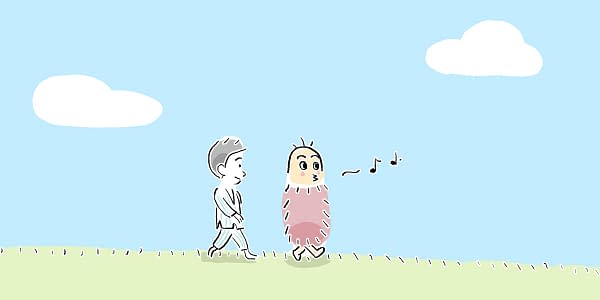
- Mobile-First Design: Unlike traditional page-based comics, webtoons are designed for the smartphone screen, allowing for continuous, immersive reading.
- Global Accessibility: Platforms like Lezhin have made it possible for readers in the US, Europe, and Southeast Asia to access high-quality Korean stories in real-time, leading to a global community of millions.
- Low Barrier to Entry, High Reward: The low cost of entry for webtoon creators allows for more experimental and niche storytelling, which then serves as a "testing ground" for major production studios to identify potential blockbusters.
The success of Big See is indicative of a broader trend where streaming platforms (like Netflix and KakaoTalk) are increasingly looking to webtoons to fill their content libraries. These stories already have established fanbases, proven pacing, and well-developed characters, reducing the risk often associated with original screenplays.
Future Implications: The Horizon of Digital Storytelling
The adaptation of Big See is a harbinger of what is to come. As mobile connectivity continues to improve and the "attention economy" becomes more competitive, creators must find ways to make content that is both deep and easily consumable.
By utilizing animation as a narrative tool within a live-action framework, Big See is challenging the traditional limitations of television drama. It signals a move toward a more "fluid" style of filmmaking, where the medium is subservient to the story. If successful, this project will likely trigger a wave of similar "hybrid-media" projects, where animation is no longer reserved for children’s shows or fantasy epics, but is used as a sophisticated literary device in grounded, humanistic dramas.
Furthermore, the involvement of Kakao M—a subsidiary of the massive Kakao Corporation—demonstrates the immense capital flowing into this sector. As these media conglomerates continue to integrate their platforms (webtoons, music, messaging apps, and video streaming), we are moving toward a unified ecosystem of entertainment. In this ecosystem, a character’s journey can begin on a phone screen in a coffee shop, transition into an animated dream sequence on a tablet, and end as a full-scale cinematic experience.
Conclusion
Big See is more than just a digital adaptation; it is a manifestation of the current state of European, Asian, and global media convergence. Through the combined efforts of Lezhin Entertainment, Kakao M, and a creative team willing to experiment with visual mediums, the project promises to be a landmark release in the latter half of 2020.
As the lines between comic books, animation, and live-action continue to vanish, stories like the one in Big See prove that the future of drama is not defined by the screen it is watched on, but by the emotional resonance of the narrative itself. Whether one is a die-hard fan of the original webtoon or a newcomer to the genre, the Big See drama series represents a bold step forward in the evolution of digital content, proving that even in a world of fast-paced, mobile consumption, there is always room for a deep, contemplative, and beautifully told human story.