Nana Muazin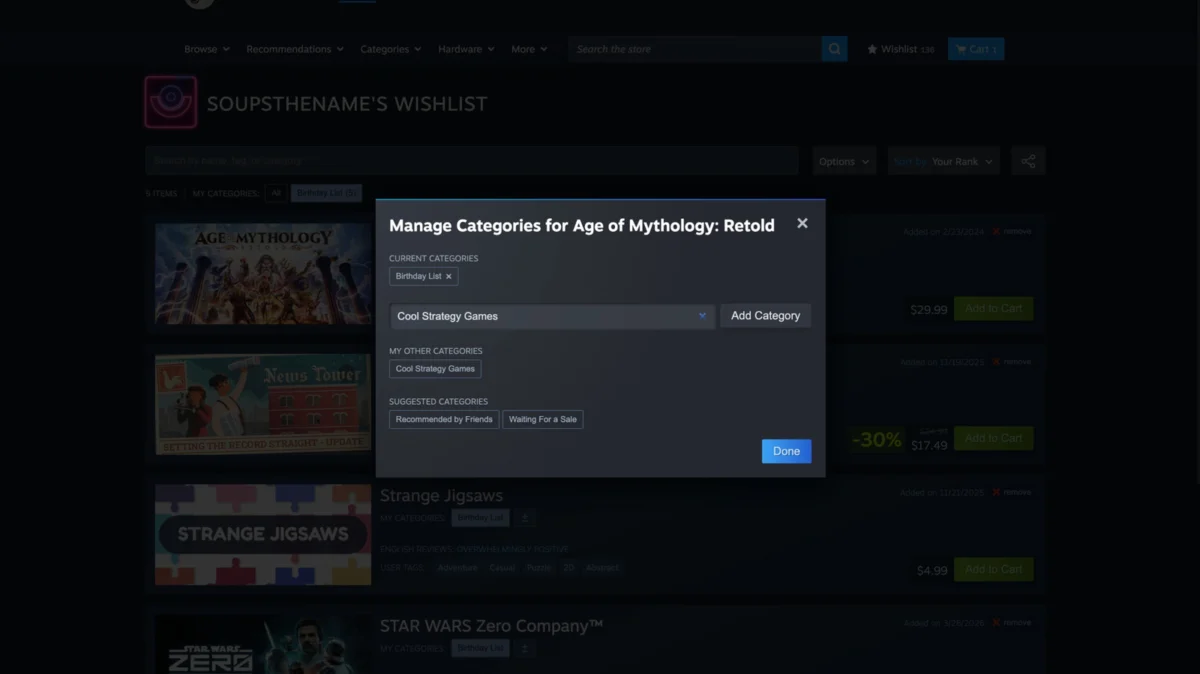
In an ongoing effort to cement its position as the premier storefront for PC gaming, Valve Corporation has rolled out a significant suite of updates to the Steam platform. The latest patches target two of the most frequently used, yet historically friction-heavy, areas of the digital storefront: the gifting system and the wishlist feature. By introducing guest-checkout capabilities, email-based gifting, and a robust categorization system for wishlists, Valve is not only streamlining user experience but also lowering the barrier to entry for non-gamers looking to purchase software for friends and family.
Main Facts: What Has Changed on Steam?
The updates, announced via the official Steam community channels, represent a thoughtful refinement of the platform’s commerce engine. The most notable changes fall into three distinct categories:
- Direct Email Gifting: Users can now bypass the need to have a recipient on their Steam Friends list. By sending a game via email, the buyer provides a claim link. This is particularly useful for gifting to individuals who may not yet have a Steam account or who prefer not to share their platform usernames.
- Guest Checkout Enhancements: Steam has expanded the utility of its guest-purchasing tools. Previously restricted largely to hardware and gift cards, the system now supports direct game purchases without requiring the user to be logged into an active Steam account at the point of transaction.
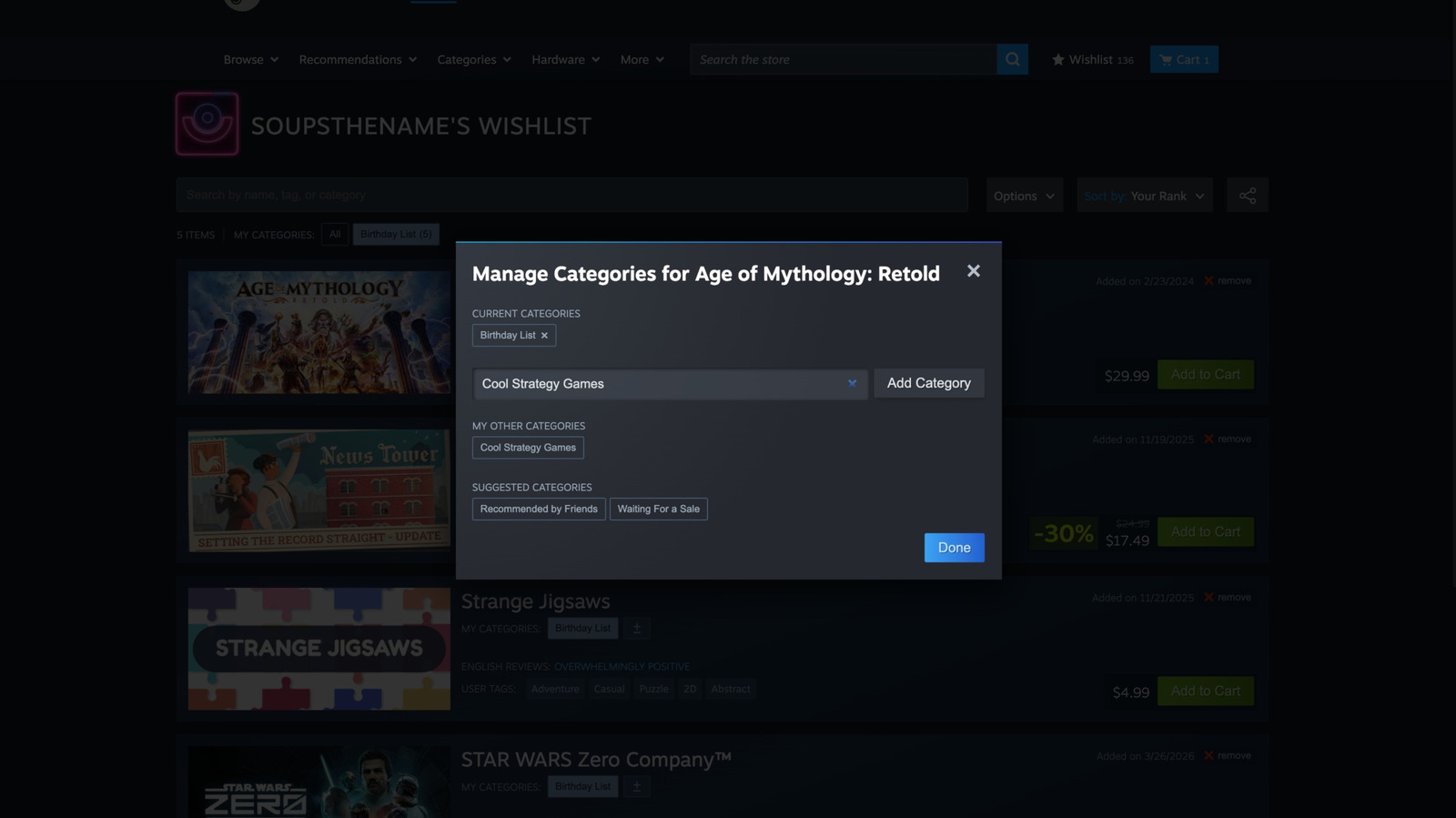
- Wishlist Categorization: The wishlist has evolved from a simple linear list into a robust management tool. Users can now create custom categories, apply tags to saved games, and filter their view based on these labels. This update also includes improved notification controls, allowing users to toggle sale alerts on a per-category basis.
Chronology of Development: From Closed Ecosystem to Open Commerce
To understand the significance of these updates, one must look at the historical trajectory of Steam’s platform development.
In its infancy, Steam was a closed-loop ecosystem designed primarily for digital rights management (DRM) and game updates. Gifting, in the early years, was virtually non-existent, requiring complex workarounds or the physical purchase of boxed software. As digital distribution became the industry standard, Valve slowly opened the doors.
- Early Era: Steam focused on basic library management and the implementation of the Steam Store. Gifting was restricted to specific internal platform transfers.
- Expansion Era: With the introduction of the Steam Workshop, the Steam Market, and more advanced social features, the platform began to resemble a social network. Gifting became a standard feature but remained strictly tethered to the "Friends" system, which required both parties to be active, registered users.
- The Modern Pivot: Over the last three years, Valve has shifted its focus toward "friction reduction." This began with the Steam Deck, which required a more consumer-friendly purchasing process, and has now culminated in this latest update, which treats the Steam Store as a standard e-commerce platform similar to Amazon or Best Buy.
Supporting Data: Why Wishlist Management Matters
The implementation of category-based sorting for wishlists is not merely a quality-of-life improvement; it is a response to the "backlog crisis" that plagues modern PC gamers.
According to data derived from SteamDB and various user sentiment surveys, the average active Steam user maintains a wishlist of approximately 50 to 100 items. With the industry’s shift toward high-volume releases and frequent seasonal sales, users often find themselves overwhelmed by notifications.
The new system allows users to create folders such as "Must-Buy," "Wait for Sale," "Indie Gems," or "Multiplayer with Friends." This granular control addresses a common complaint: "notification fatigue." By allowing users to disable sale alerts for low-priority categories, Valve is ensuring that when a user does get a notification, it is highly relevant, thereby increasing the likelihood of a conversion.
Official Responses and Strategic Implications
Valve’s official stance on these updates emphasizes the company’s desire to facilitate "meaningful connections" through gaming. In their internal brief, developers noted that many users were previously deterred from buying games for friends due to the technical hurdles of the "Friends" request system.
"We want the process of gifting a game to feel as seamless as sending a digital gift card," a Valve representative noted in the release documentation. "By decoupling the purchase from the necessity of a pre-existing social connection on our platform, we are opening up the store to a broader demographic."
Implications for the PC Gaming Market
The implications of these changes are far-reaching for both developers and consumers:
- For Independent Developers: Wishlist categorization is a boon for smaller titles. When a user categorizes an indie game, it signals a higher level of intent. Developers who can encourage their communities to "categorize" their games (e.g., "Add to your ‘Co-op Night’ category") may see better engagement and higher conversion rates when those games eventually go on sale.
- For the "Gift Economy": The new email-based gifting system positions Steam to compete more directly with physical gift cards sold at retailers. By allowing a user to send a specific title via email, the gifting experience becomes more personalized. It turns a "transaction" into a "gesture."
- For Cross-Border Commerce: The update simplifies the complex regulatory and pricing hurdles of international gifting. By automatically calculating regional price differences during the checkout process, Valve is reducing the friction that previously led to abandoned carts when users attempted to gift games across borders.
The Technical Nuance: Limitations and Security
While the update is broad in scope, Valve has maintained strict security guardrails. The 30-day expiration window for unclaimed gift links is a critical security feature, preventing "lost" gifts from cluttering the system or being exploited. Furthermore, the restriction requiring users to be in the same country for certain types of cross-border gifting—or requiring a Steam friendship for others—serves as a safeguard against regional pricing abuse, a long-standing issue in the digital distribution space.
The addition of demo status indicators and hover-to-play trailer functionality on the wishlist page further enhances the "pre-purchase" experience. By providing more information directly within the wishlist, Valve is essentially turning the list into a mini-storefront tailored to the user’s specific interests.
Conclusion: A More Accessible Steam
These updates represent a maturity in Valve’s approach to retail. By acknowledging that the Steam Store is used by a diverse range of people—from hardcore PC enthusiasts with thousands of games to casual observers looking to buy a gift for a partner—Valve is widening its reach.
As the digital landscape becomes increasingly crowded, the storefronts that provide the best user experience will likely capture the largest share of consumer attention. With these latest tools, Steam has reinforced its dominance, proving that even a market leader must constantly iterate to remain the default choice for the gaming public. Whether it is the ability to organize a wishlist with precision or the ease of sending a game to an email inbox, Valve has successfully removed several layers of technical friction, making it easier than ever to share the joy of gaming.

 Ali Ikhwan
 Asep Darmawan