Azzam Bilal Chamdy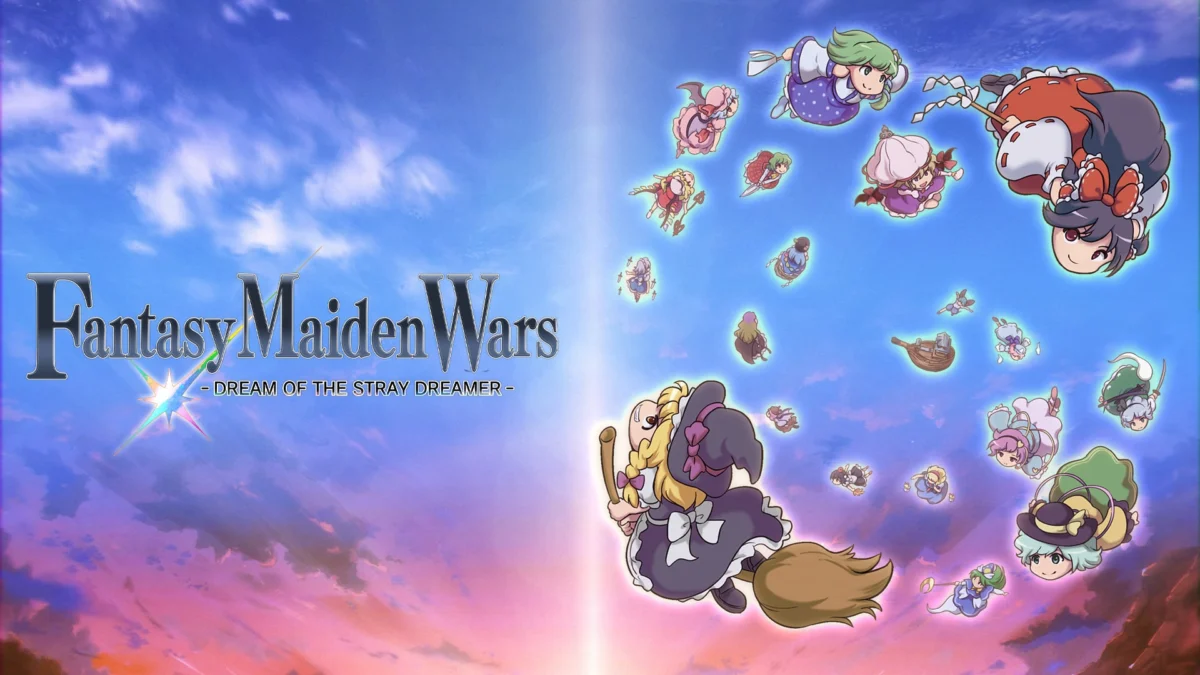
A long-awaited strategic adventure based on the beloved Touhou Project universe, Fantasy Maiden Wars: Dream of the Stray Dreamer, has officially made its Western debut on Nintendo Switch. Published by Phoenixx and developed by Sanbondo, this tactical strategy RPG invites players to immerse themselves in the fantastical realm of Gensokyo, offering a rich narrative and deep strategic gameplay. The launch comes with an introductory discount, making the title available for $29.74 on the Nintendo eShop, marking a significant moment for both Touhou enthusiasts and fans of the strategy RPG genre.
The arrival of Fantasy Maiden Wars: Dream of the Stray Dreamer (FMW: DotSD) on the Nintendo Switch in Western territories represents a pivotal expansion for the highly popular Touhou Project franchise, particularly for its burgeoning strategy RPG segment. This move by Phoenixx and Sanbondo not only broadens the game’s accessibility but also signifies a growing recognition of doujin (fan-made) Touhou games in the global market. Players can now command a vast roster of iconic characters, engaging in turn-based combat across grid-based maps, all set against the vibrant and often chaotic backdrop of Gensokyo.
A New Chapter for Gensokyo: Unveiling Fantasy Maiden Wars: Dream of the Stray Dreamer
The Touhou Project, an expansive universe originating from a series of bullet-hell shoot ’em up games created by the independent Japanese developer ZUN (Team Shanghai Alice), has fostered a colossal and exceptionally creative fan community. This community has, over decades, produced an astounding array of derivative works, including fighting games, music, manga, and, crucially, strategy RPGs like Fantasy Maiden Wars. The official Western release of FMW: DotSD on a major console platform like the Nintendo Switch is a testament to the enduring appeal and quality of these fan-created titles.
Western Debut on Nintendo Switch
The Nintendo Switch, with its hybrid design allowing for both home console and portable gameplay, presents an ideal platform for a strategy RPG. The ability to strategize on the go or from the comfort of a living room makes FMW: DotSD particularly appealing to a broad demographic of gamers. The game’s intricate mechanics and lengthy campaign are well-suited to the Switch’s flexible playstyle, promising hours of engaging content for its audience.
Launch Incentives and Accessibility
To celebrate its Western launch, Phoenixx and Sanbondo have introduced Fantasy Maiden Wars: Dream of the Stray Dreamer with a special launch discount, pricing it at $29.74 on the Nintendo eShop. This initial offering aims to attract a wider player base, encouraging both long-time Touhou fans and newcomers to delve into the strategic depths of Gensokyo without the barrier of a full-price tag. Such an incentive is a common strategy in the digital marketplace to generate early buzz and adoption, particularly for titles entering a new regional market.
A Strategic Journey Through Time: Release Chronology and Regional Differences
The path to the Western Switch release of Fantasy Maiden Wars: Dream of the Stray Dreamer has been a multi-stage process, reflecting the typical rollout strategy for many Japanese games that eventually make their way to international audiences. This phased approach often allows developers and publishers to refine their product based on initial feedback from their domestic market before tackling the complexities of global distribution and localization.
From Eastern Shores to Global Stages: A Phased Rollout
Fantasy Maiden Wars: Dream of the Stray Dreamer first launched on the Nintendo Switch in Japan on March 31, 2022. This initial release allowed the developers, Sanbondo, to gauge player reception and performance within their primary market. The success and positive feedback from the Japanese release likely paved the way for the subsequent international expansion. This pattern of a Japan-first release is common in the gaming industry, particularly for titles with strong cultural ties to Japan, like those derived from the Touhou Project.
The PC Landscape and a Curious Date
Following its Japanese Switch debut, the game was slated for a PC release via Steam. The official announcement from Gematsu indicated this PC release would occur on October 21, 2025, worldwide. This future-dated PC release for a game that saw a Switch launch in 2022 and now a Western Switch launch is notably unusual. However, a cross-reference with the game’s actual Steam page reveals a release date of "Oct 21, 2023." This discrepancy suggests a potential typo in the initial reporting or a revision in the game’s release schedule. Assuming the Steam page is the most accurate source for the PC version, the game has been accessible to PC players globally since October 21, 2023, offering an alternative platform for those who prefer keyboard and mouse controls or higher graphical fidelity. This earlier PC availability means a segment of the Western audience has already had the opportunity to experience the game, potentially building anticipation for the Switch version.
Exclusive Physical Editions for Japanese Collectors
In addition to the digital offerings, Phoenixx has also announced plans for physical editions of Fantasy Maiden Wars: Dream of the Stray Dreamer for the Switch in Japan. These physical releases, scheduled for October 29, cater to collectors and those who prefer tangible copies of their games. Two distinct versions will be available: a standard edition priced at 4,900 yen, and a more elaborate "Super" Dream Pack, retailing for 12,670 yen. While specific contents of the "Super" Dream Pack were not detailed in the initial announcement, such premium editions typically include art books, soundtracks, exclusive in-game items, or other collector’s memorabilia, providing added value for dedicated fans. The absence of a Western physical release at this time highlights a common disparity in regional distribution strategies, where physical editions are often prioritized for the domestic Japanese market.
Delving Deeper into the Dream: Gameplay Mechanics and Narrative Weave
At its core, Fantasy Maiden Wars: Dream of the Stray Dreamer is a love letter to classic tactical RPGs, meticulously crafted to honor the rich lore of the Touhou Project while delivering a robust strategic experience. The game’s design principles, as outlined on its Steam page, emphasize accessibility without sacrificing depth, aiming to satisfy both genre veterans and newcomers.
Classic Tactical RPG with Modern Flourishes
The game adheres to the foundational elements of the tactical RPG genre, featuring grid-based maps where players strategically deploy and maneuver their units. Combat unfolds in a turn-based fashion, demanding careful planning, unit positioning, and the judicious use of abilities to overcome enemy forces. Success hinges on understanding character strengths, weaknesses, and the environmental factors of each stage.
Grid-Based Combat and Strategic Depth
Players navigate diverse battlefields, from serene forests to chaotic urban landscapes within Gensokyo, each offering unique tactical considerations. Terrain can provide defensive bonuses, restrict movement, or create choke points, forcing players to adapt their strategies. The interplay between unit types—melee, ranged, support, and magic users—adds layers of complexity, requiring balanced team compositions to effectively counter varied enemy formations. The game encourages methodical thinking, rewarding players who anticipate enemy movements and exploit positional advantages.
Accessibility for All: From Rookies to Veterans
Sanbondo has thoughtfully incorporated multiple difficulty levels into FMW: DotSD, ensuring a welcoming experience for players new to tactical RPGs while still providing a formidable challenge for seasoned strategists. A comprehensive in-game tutorial system guides beginners through the fundamental mechanics, explaining unit types, combat calculations, and strategic concepts. This commitment to accessibility is crucial for a game entering a new market, as it lowers the entry barrier for those unfamiliar with the Touhou universe or the tactical RPG genre itself. Veterans, on the other hand, can crank up the difficulty for a truly punishing experience that tests their mastery of the game’s systems.
Bringing Gensokyo to Life: Visuals and Audio
Beyond its strategic depth, Fantasy Maiden Wars: Dream of the Stray Dreamer places a strong emphasis on presentation, leveraging dynamic combat animations and vibrant artistic direction to immerse players in the Touhou universe.
Dynamic Combat Animations: A Spectacle of Spell Cards
One of the standout features of FMW: DotSD is its beautifully animated battles. When characters clash, the game transitions into detailed combat sequences that showcase each character’s unique attacks and signature "Spell Card" finishers. From swift sword slashes and precise gunfire to devastating magical barrages, every attack is rendered with flair and visual impact. These animations are not merely cosmetic; they serve to enhance the player’s connection to their chosen characters, making each successful hit or devastating special move feel impactful and rewarding. The faithful recreation of Touhou characters’ iconic abilities, particularly their elaborate Spell Cards, is a significant draw for long-time fans of the series.
Immersive World-Building through Presentation
The rich, vibrant world of Gensokyo is brought to life not just through combat, but also through its detailed map designs, character sprites, and accompanying musical score. The Touhou Project is renowned for its distinctive art style and legendary music, and FMW: DotSD strives to uphold this legacy. The visual fidelity and expressive character designs contribute significantly to the game’s appeal, making Gensokyo feel like a living, breathing realm where humans, youkai, and gods coexist in a delicate, often tumultuous, balance.
An Ever-Expanding Roster: Over 70 Playable Characters and Deep Customization
A hallmark of many successful strategy RPGs is a diverse cast of characters, and Fantasy Maiden Wars: Dream of the Stray Dreamer delivers on this front with an impressive roster of over 70 unique allies. This vast selection provides immense replayability and encourages experimentation with different team compositions.
Deep Customization and Team Synergy
Between missions, players can access the Intermission screen to customize their squad. This involves equipping gear to boost stats, assigning skills to unlock new abilities, and strategically building a dream team tailored to their preferred playstyle or specific mission challenges. Each character possesses unique traits and signature abilities, creating a dynamic ecosystem of potential synergies and counters. Players can choose to focus on powering up their favorite characters, developing specialized roles, or meticulously hunting down the most "broken" combinations to dominate the battlefield. This level of customization ensures that no two playthroughs need be identical, offering countless strategic possibilities.
Iconic Personalities and Strategic Choices
The inclusion of over 70 characters means players will encounter a wide array of beloved Touhou personalities, each with their own distinct lore, personality, and combat role. From powerful magicians and agile shrine maidens to formidable youkai and enigmatic gods, the roster offers a rich tapestry of choices. This depth allows players to craft teams that not only excel strategically but also resonate with their personal preferences within the Touhou universe.
Weaving the Threads of Fate: A Grand Touhou Narrative
Fantasy Maiden Wars: Dream of the Stray Dreamer is not just a collection of battles; it presents a massive and ambitious story that intricately blends various storylines from across the Touhou Project series. This narrative approach aims to provide a comprehensive experience for both newcomers and seasoned fans.
Protagonist Choices: Reimu or Marisa
Players begin their journey by choosing between two of the most iconic characters in the Touhou universe: Reimu Hakurei, the diligent but often exasperated shrine maiden, or Marisa Kirisame, the eccentric and powerful magician. This choice is more than cosmetic; it impacts significant portions of the story, offering different perspectives on the unfolding incidents in Gensokyo and potentially leading to unique character interactions and narrative branches. This dual-protagonist system enhances replayability and allows players to experience the narrative through different lenses.
A Comprehensive Retelling for Fans and Newcomers
The game’s narrative ingeniously weaves together reinterpretations of storylines from multiple Touhou Project entries. This allows the developers to craft a single, epic narrative arc that is both accessible to those unfamiliar with Touhou lore and deeply rewarding for long-time fans who will recognize familiar events and characters presented in a fresh strategic context. The story promises to tackle a series of supernatural incidents threatening the stability of Gensokyo, requiring the combined efforts of humans, youkai, and gods to restore peace. This grand scope and respectful integration of existing lore make FMW: DotSD a significant narrative contribution to the Touhou universe.
The Touhou Project Legacy: Context and Community Impact
The Touhou Project is far more than just a series of games; it’s a cultural phenomenon that has redefined the landscape of independent game development and fan engagement. Understanding its legacy is crucial to appreciating the significance of Fantasy Maiden Wars: Dream of the Stray Dreamer.
The Enduring Phenomenon of Touhou
Created almost entirely by one person, ZUN, the Touhou Project began in 1996 and rapidly evolved into one of the most prolific and beloved doujin game series in history. Its distinct bullet-hell gameplay, memorable characters, and iconic music have garnered a massive global following. What sets Touhou apart, however, is ZUN’s remarkably permissive stance on derivative works. This openness has allowed fans to freely create and distribute their own games, music, art, and stories within the Touhou universe, leading to an explosion of creativity and the birth of a thriving doujin culture. Fantasy Maiden Wars is a prime example of this thriving ecosystem.
Sanbondo and Phoenixx: Bringing Fan Works to a Wider Audience
Sanbondo, as the developer of Fantasy Maiden Wars, represents the pinnacle of fan-driven creativity within the Touhou community. Their dedication to crafting a high-quality strategy RPG that respects Touhou lore while innovating on gameplay mechanics is evident. Phoenixx, on the other hand, plays a crucial role as the publisher, acting as the bridge between these passionate doujin creators and a broader, official market. Their involvement in localizing and distributing FMW: DotSD to the West signifies a growing trend where exceptional fan-made content receives the professional backing necessary to reach a global audience, moving beyond the niche doujin circles.
The Appeal of Doujin Games in the Mainstream
The success of games like Fantasy Maiden Wars in crossing over from doujin origins to mainstream console releases highlights the immense talent and dedication within fan communities. These games often carry a unique passion and attention to detail that can rival, or even surpass, commercially developed titles. Their entry into official distribution channels like the Nintendo eShop not only validates the efforts of doujin developers but also enriches the gaming landscape with diverse and often innovative experiences that might not originate from traditional studios.
Developer and Publisher Perspectives: Official Responses and Vision
While specific quotes from Sanbondo and Phoenixx regarding the Western Switch release are not available in the provided information, we can infer their likely perspectives and strategic visions based on their roles and the nature of the release.
Sanbondo’s Craft: Passion for Tactical Depth
For Sanbondo, the Western Switch launch of Fantasy Maiden Wars: Dream of the Stray Dreamer is undoubtedly a significant achievement. It validates years of development effort and their commitment to creating a sophisticated strategy RPG within the Touhou framework. Their vision likely centers on sharing their meticulously crafted gameplay and narrative with a global audience, demonstrating that doujin games can stand alongside mainstream titles in terms of quality and depth. They would be keen to see how Western players engage with their interpretation of Gensokyo and its strategic challenges, potentially informing future projects. Their passion for the Touhou universe, combined with a dedication to tactical gameplay, forms the core of their creative identity.
Phoenixx’s Role: Bridging Worlds
Phoenixx, as the publisher, operates with a clear strategy: to identify high-quality Japanese indie and doujin titles and bring them to a wider international market. Their decision to localize and publish FMW: DotSD for the Western Switch market underscores their belief in the game’s commercial potential and its ability to resonate with a global audience. Their vision extends beyond mere distribution; it encompasses cultural translation, marketing, and ensuring a smooth player experience. Phoenixx likely sees this release as part of a broader initiative to champion Japanese independent game developers and introduce unique gaming experiences to new regions, capitalizing on the Touhou Project’s existing international recognition.
Community Engagement and Future Prospects
Both Sanbondo and Phoenixx would undoubtedly be monitoring player feedback closely, particularly from the Western audience. This engagement is vital for understanding market reception, identifying areas for potential improvements, and gauging interest in future content or sequels. The success of FMW: DotSD on the Western Switch could open doors for other Touhou doujin games to receive similar treatment, further expanding the reach of this unique cultural phenomenon.
Implications for the Genre and the Touhou Universe
The Western release of Fantasy Maiden Wars: Dream of the Stray Dreamer carries several significant implications, affecting the Touhou Project, the strategy RPG genre, and the broader landscape of independent game localization.
Expanding the Reach of Touhou Strategy RPGs
For the Touhou Project, this release significantly expands the visibility and accessibility of its strategy RPG sub-genre. While many fans are familiar with the bullet-hell origins, the strategic depth offered by games like FMW: DotSD presents a new facet of the Touhou universe for a Western audience. This could attract a different segment of gamers—those who appreciate tactical combat and deep character progression—and introduce them to the rich lore and characters of Gensokyo.
Setting a Precedent for Future Doujin Localizations
The success of Fantasy Maiden Wars on the Western Switch could establish a strong precedent for the localization of other high-quality Touhou doujin games. There is a vast catalog of fan-made Touhou titles across various genres, many of which have remained largely inaccessible to non-Japanese speakers. Publishers like Phoenixx might be encouraged to invest further in bringing these hidden gems to a global market, recognizing the demand and the potential for commercial success. This could herald a new era of official Western releases for beloved doujin projects.
Impact on the Western Strategy RPG Market
In the Western strategy RPG market, FMW: DotSD offers a fresh perspective, combining classic mechanics with a distinctive anime aesthetic and a rich, established lore. It adds to the growing diversity of strategy RPGs available on the Switch, competing alongside established franchises while carving out its own niche. Its emphasis on a large character roster, deep customization, and dynamic animations could set a new benchmark for presentation within the genre, particularly for titles with independent origins.
A Dream Realized for Touhou Fans
Ultimately, for the dedicated Touhou fanbase in the West, this release is a dream realized. It offers an official, accessible way to engage with a beloved fan-made title that captures the essence of Gensokyo. It’s a testament to the power of community, the enduring appeal of ZUN’s creation, and the tireless efforts of developers like Sanbondo and publishers like Phoenixx to bring these unique experiences to a global stage. The journey of Fantasy Maiden Wars: Dream of the Stray Dreamer from a fan project to a globally released console title underscores the vibrant and interconnected nature of the modern gaming world.
As players embark on their strategic journey through Gensokyo, choosing between the shrine maiden Reimu Hakurei or the magician Marisa Kirisame, they will not only confront supernatural incidents but also become part of a larger narrative—one that celebrates creativity, community, and the boundless potential of the Touhou Project.


 Lina Irawan
 Sagoh
Sagoh