Nana Muazin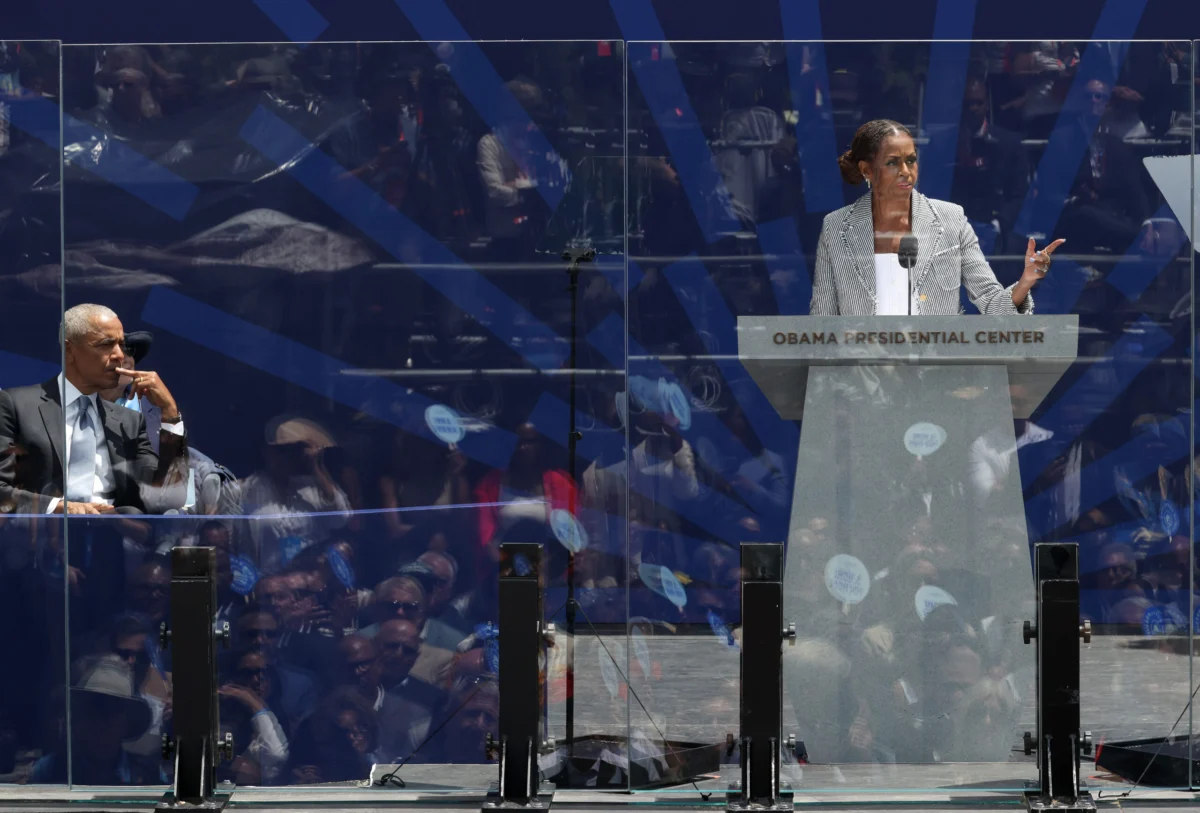
The opening of the Barack Obama Presidential Center this Thursday served as more than just a dedication ceremony; it was a powerful, orchestrated statement on the enduring cultural footprint of the 44th President. As music legends took to the stage and a literal "who’s who" of American entertainment filled the audience, the event highlighted a distinct era of political alignment with the arts—a stark, implicit contrast to the current political landscape under President Donald Trump.
Main Facts: A Convergence of Music and Influence
The entertainment lineup for the dedication was nothing short of historic, reflecting the deep ties Barack and Michelle Obama cultivated with the creative community during their eight years in the White House. The musical program featured heavyweights including U2’s Bono, rock icon Bruce Springsteen, and the soulful John Legend. Jennifer Hudson commanded the stage with a stirring rendition of the National Anthem, grounding the event in a sense of patriotic formality.
The guest list, however, was the true headline. The audience was a constellation of A-list stars and industry titans, including Oprah Winfrey, Tom Hanks, David Letterman, Stephen Colbert, and Conan O’Brien. As CNN correspondent Sara Sidner remarked while surveying the scene, it was a gathering defined by "A-listers all over the place," underscoring the Obamas’ unique ability to bridge the gap between high-level politics and mainstream pop culture.
Chronology of the Dedication
The ceremony unfolded as a carefully curated narrative of the Obama presidency.
- The Prelude: Early arrivals included a rare bipartisan gathering of former and current political leadership. George and Laura Bush, Joe and Jill Biden, and Bill and Hillary Clinton were all in attendance, signaling the institutional weight of the event.
- The Performances: The musical portion of the program acted as a bridge between the political and the personal. Bono and Springsteen, both long-time supporters of the Obama administration, performed sets that evoked themes of unity and struggle.
- The Addresses: The speeches, particularly from the former President and First Lady, focused on the mission of the Center—not merely as a repository for historical documents, but as a "living, working space" for community engagement.
- The Implicit Message: Throughout the day, speakers skirted the direct mention of the current administration, yet the air was thick with the weight of the political divide. Michelle Obama’s closing remarks served as the emotional climax of the day: "No one has a right to sit in judgment of who is American enough."
Supporting Data: The Cultural Divide
The stark difference between the Obama Presidential Center’s guest list and the current cultural programming of the White House is a reflection of a broader American polarization. During his tenure, Barack Obama frequently utilized the White House as a stage for high-profile concerts, jazz nights, and literary galas, fostering a symbiotic relationship with the entertainment industry.
In contrast, President Donald Trump has adopted a vastly different cultural strategy. His approach has leaned heavily into populist themes, often aligning his public events with the world of professional sports—most notably the UFC—and country music figures. His recent management of the Kennedy Center and the controversy surrounding the National Mall concert series, which saw a cascade of artist cancellations due to fears of partisan association, highlights the widening chasm between the political establishment and the creative class.
While the Obama event was a magnet for Hollywood royalty, the current administration’s cultural events have struggled to find a similar mainstream endorsement. The decision to skip the traditional invitation of the current president to the Obama Center opening serves as a final, silent punctuation mark on the relationship between these two vastly different presidencies.
Official Responses and Perspectives
While the Obama Foundation emphasized the Center’s goal of fostering "leadership and civic participation," political analysts have been quick to point out the subtle messaging of the event. The presence of the Bidens, the Clintons, and the Bushes created an image of a united political establishment standing in opposition to the current populist tide.
"This isn’t just about preserving history," noted one political strategist familiar with the event’s planning. "It’s about defining what the ‘establishment’ looks like and who is invited to the table. By filling the seats with the biggest names in comedy, music, and film, the Obamas are reminding the public of the cultural capital they still command—a capital that remains largely inaccessible to the current administration."

On the other side of the aisle, supporters of the Trump administration have often criticized such high-profile celebrity involvement as "out of touch" with the average American voter. For them, the reliance on Hollywood A-listers serves only to reinforce the narrative that the liberal elite remains detached from the concerns of the heartland.
Implications for the Future of Political Branding
The opening of the Obama Presidential Center marks a turning point in how former presidents utilize their post-office years. Rather than retreating into quiet obscurity, the Obamas have built a physical and intellectual fortress that serves as a beacon for their supporters.
The implications are two-fold:
- Cultural Soft Power: The event proved that the Obamas remain the standard-bearers of a certain brand of American liberalism that is deeply intertwined with the arts. This "soft power" remains a significant tool for mobilization and branding, ensuring that their influence persists long after their term.
- The Polarization of Ceremonial Space: We are witnessing an era where even the dedication of a presidential library has become a partisan flashpoint. The fact that the current president was not invited is a departure from traditional norms of presidential decorum, reflecting a degree of hostility that has permeated all levels of government.
As the Obama Presidential Center begins its operations, it will likely serve as a site of pilgrimage for those who feel alienated by the current trajectory of American politics. By positioning the center as a hub for leadership and community, the Obamas are ensuring that their legacy is not just one of policy, but one of cultural identity.
The "A-list" turnout was, in many ways, the most important element of the day. It signaled that in the battle for cultural relevance, the Obama brand has successfully maintained its status as the "cool" alternative to the current administration’s combative rhetoric. As the crowd dispersed and the music faded, the takeaway was clear: the Obama era, in terms of cultural influence and celebrity alignment, is far from over.
Looking Ahead
The coming weeks will likely see a renewed focus on the Center’s programming. With the promise of more community-based initiatives, the Obama Foundation is clearly attempting to pivot from the star-studded spectacle of the opening to a more sustainable, long-term impact. Whether this will successfully bridge the deep divides in American society remains to be seen. However, one thing is certain: the bar for presidential legacy-building has been set at a new, and perhaps unattainable, height.
The contrast between the two Americas—one represented by the glitz and progressive values of the Obama Center, and the other by the populist, anti-establishment energy of the Trump rallies—has never been more visible. As the sun set on the opening day, the images of Bono, Springsteen, and the Hollywood elite shaking hands with former presidents left an indelible mark on the public consciousness, proving that in the modern age, politics is, and will always be, a performance.
More to come as the center begins its first full month of programming and the political fallout from the opening ceremony continues to ripple through Washington.

 Asro
Asro
 Nana Wu