Nana Wu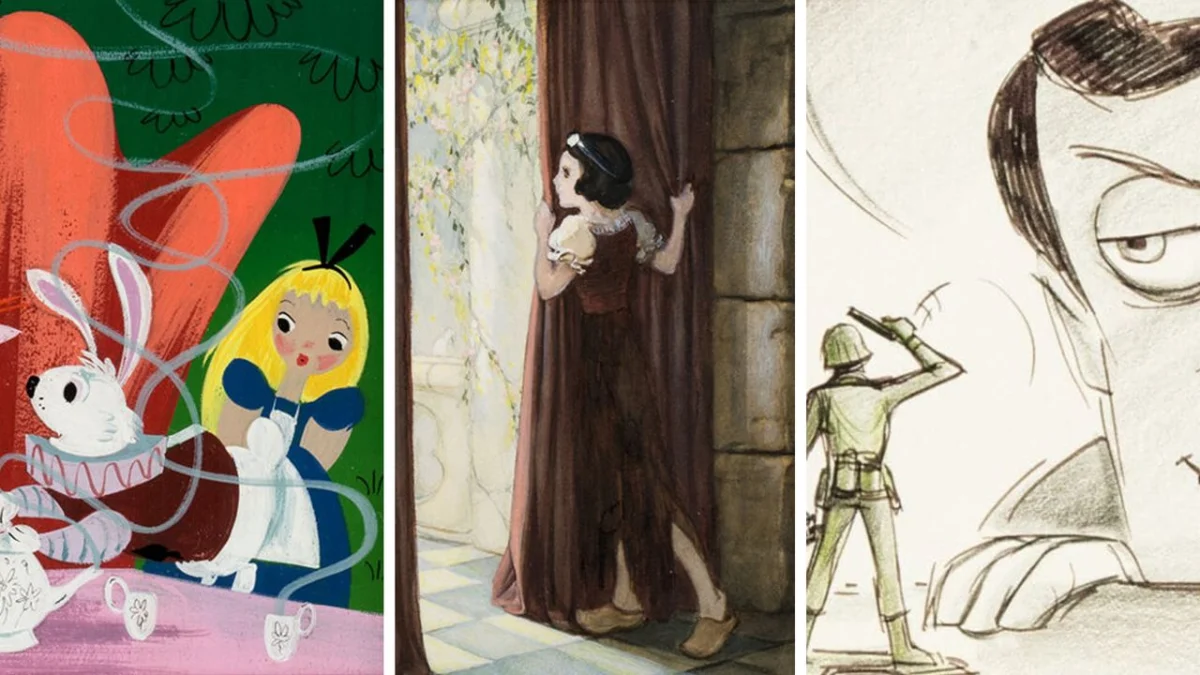
In an era where the boundary between human-made artistry and algorithmic generation is increasingly blurred, the recent auction results from Heritage Auctions serve as a stark, multi-million-dollar reminder of the intrinsic value of human creativity. As corporations face backlash for integrating AI-generated imagery into their concept art pipelines—most notably seen in recent controversies surrounding Spider-Man and Masters of the Universe—the animation industry is being forced to reckon with what "concept art" actually means in the cultural canon.
While proponents of AI argue that these tools are merely efficiency-driven shortcuts for early-stage development, the recent sale of rare Disney production art proves that concept art is not merely "throwaway" filler. It is, in fact, the blueprint of our collective imagination and, over time, a historical artifact of immense cultural and monetary significance.
A Legacy Sold: The Heritage Auctions Landmark
Last weekend, the art world turned its attention to a massive sale hosted by Heritage Auctions, which saw a staggering $3.43 million in total sales across 1,346 individual lots. The auction was a sprawling journey through the history of the House of Mouse, featuring works from the Golden Age of animation, the 1990s Disney Renaissance, and the digital revolution of the early 2000s.
The event, titled the "Art of Disney," underscored a growing trend in the collectibles market: animation art is no longer viewed as a "behind-the-scenes" byproduct. It is being treated with the same reverence as fine art. Collectors, museums, and institutions are increasingly fighting over the original paintings, storyboards, and character studies that gave birth to the films that defined generations.
Chronology of Craft: From Snow White to the Digital Age
The auction’s highlights were anchored by the work of Gustaf Tenggren, one of the most influential concept artists in the history of the Walt Disney Animation Studios. Tenggren’s contributions to the 1937 masterpiece Snow White and the Seven Dwarfs established the visual language of the studio for decades to come.
The Golden Age (1930s–1950s)
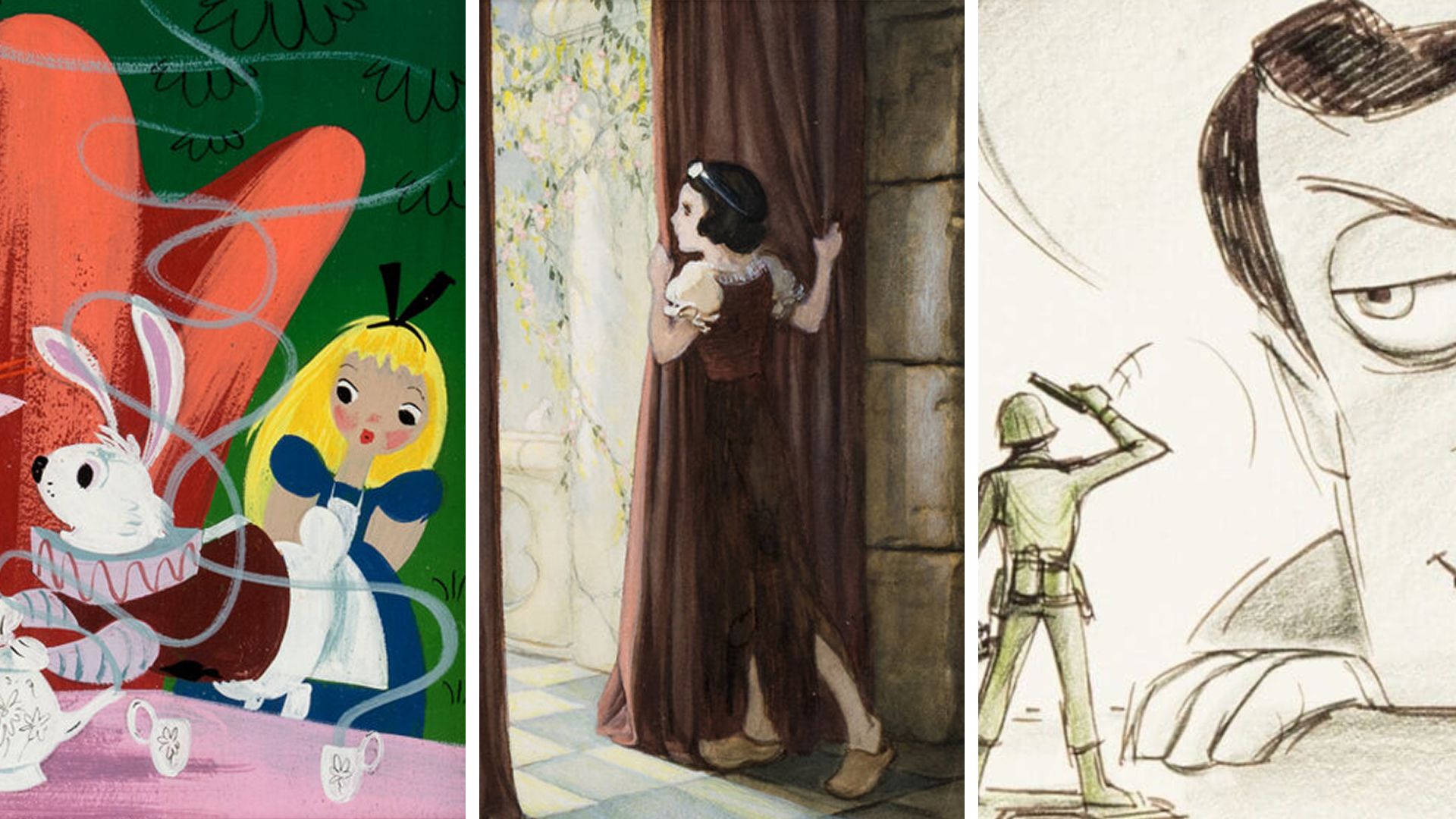
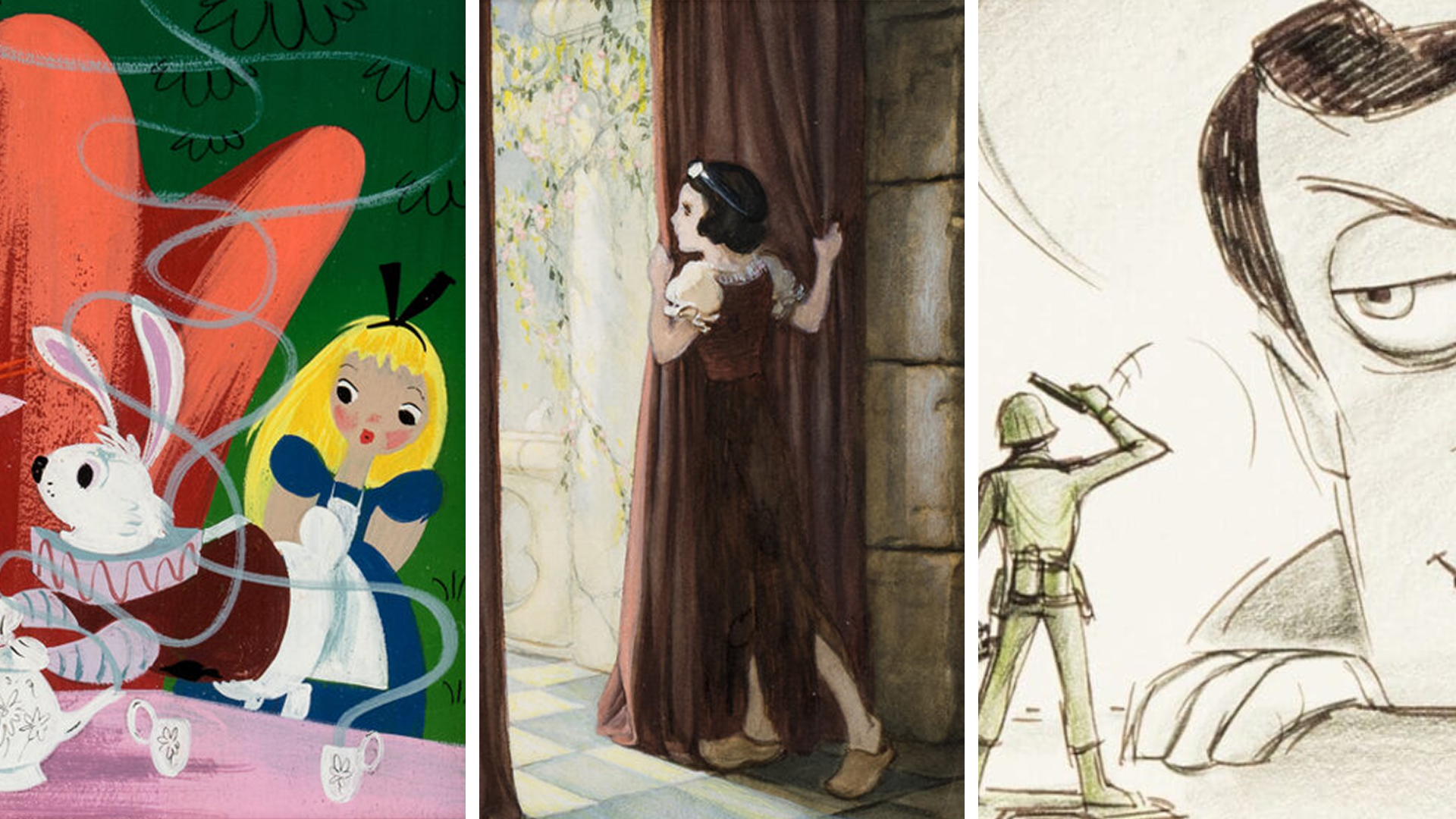
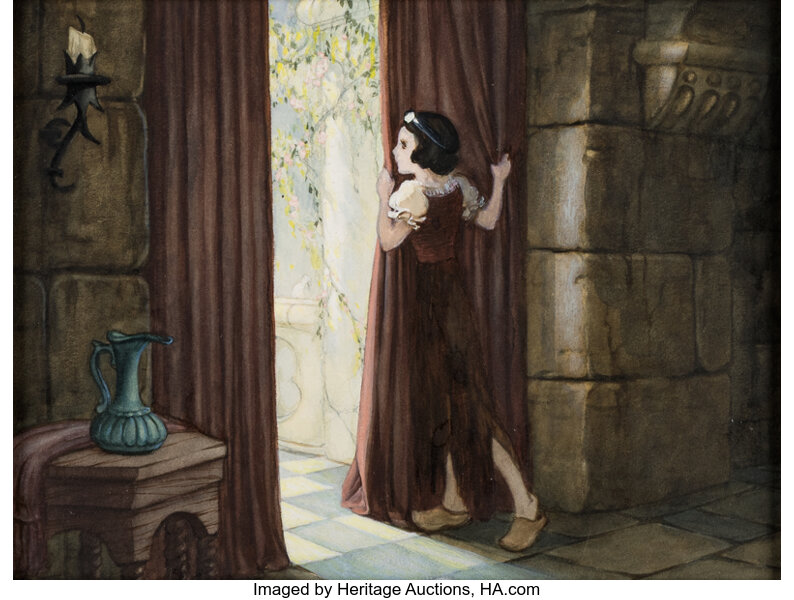
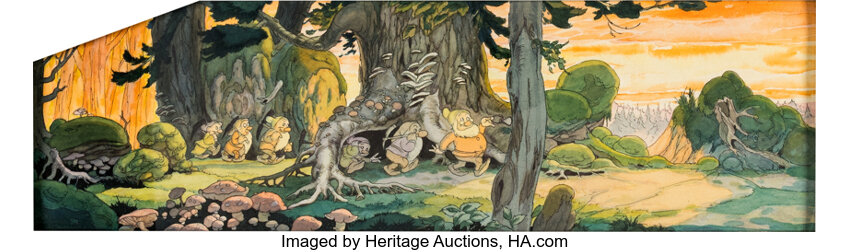
The top-selling items of the weekend were indeed the Tenggren pieces. An atmospheric, hauntingly beautiful painting of Snow White listening to the Prince sing "One Song" commanded a price of $85,400. This piece, which helped define the emotional gravity of the film’s opening act, was followed by a panoramic painting of the Seven Dwarfs returning home, which fetched $41,480. A third standout, an evocative depiction of the Prince on horseback, reached $36,600. These prices reflect not just the rarity of the items, but the immense emotional resonance they hold for fans who grew up with these films.
The Mid-Century Stylization
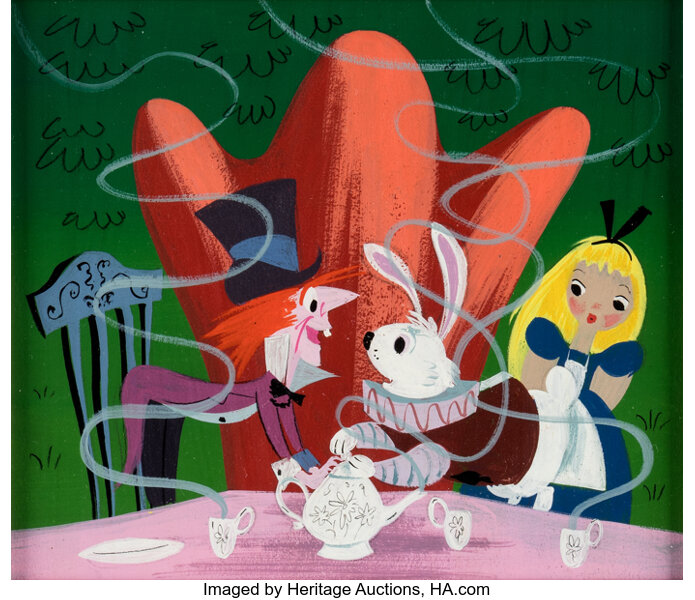
The auction also highlighted the unique, mid-century modern aesthetic brought to the studio by legendary artist Mary Blair. Known for her bold use of color and geometric abstraction, Blair’s work remains some of the most sought-after in the industry. A vibrant concept painting for the Japan section of the It’s a Small World attraction sold for $31,720, while a concept and color-key painting featuring Alice, the Mad Hatter, and the White Rabbit at their iconic tea party from Alice in Wonderland realized $29,280.
The Pixar Revolution
The sale also provided a window into the digital transition. Items from the Joe Ranft Family Archive—including hand-colored storyboards for Toy Story, A Bug’s Life, Monsters, Inc., and Cars—were met with high enthusiasm. These pieces represent the "missing link" between traditional illustration and the CGI era, showcasing the raw, analog creative process that powered the shift into 3D animation.
Supporting Data: Why Authenticity Commands a Premium
The $3.43 million figure is more than just a headline; it is a signal of market maturity. Jim Lentz, Heritage Auctions’ vice president of animation and anime art, noted that the response from bidders reflects a "global affection for Disney" and a "growing appreciation for animation art as a significant art form."
When we look at the trajectory of these sales, it becomes clear that the value of an asset is tied directly to the artist’s hand. Collectors are not just buying an image of a character; they are buying the physical evidence of a creative decision-making process. Every brushstroke in a Gustaf Tenggren painting represents a specific choice regarding light, mood, and character development—choices that required decades of training, lived experience, and artistic intuition.
The AI Conflict: A Question of Legacy
This auction arrives at a pivotal moment in the discourse surrounding Artificial Intelligence in creative industries. The primary defense used by studios when caught using AI-generated concept art is that it is "internal" or "pre-production" work—effectively suggesting that because it won’t appear on the final screen, its provenance and method of creation are irrelevant.
However, the history of Disney art suggests otherwise. Concept art is rarely just internal; it eventually becomes the subject of "The Art of…" coffee table books, museum exhibitions, and, as we have seen, multi-million-dollar auctions.
If we look at the current output of AI image generators, we see a focus on iteration and speed. But can an AI-generated image hold the same cultural gravity in 50 years? The value of the Tenggren and Blair pieces lies in their history—the story of the artist, the era in which they worked, and the specific limitations and breakthroughs of their time. AI art, by its nature, is detached from this historical timeline. It is an amalgamation of data, lacking the intentionality that turns a sketch into a historical artifact.
Implications for the Future of Concept Art
The implications for the creative workforce are profound. If studios continue to prioritize AI-generated concept art to save costs, they may be saving money in the short term, but they are potentially devaluing their own historical archives. By stripping the "human touch" out of the concept phase, companies are failing to produce the very artifacts that fans and historians will value in the future.
Furthermore, the auction results highlight a growing disconnect between corporate efficiency models and the expectations of the consumer. Fans of animation are becoming increasingly sophisticated. They can distinguish between the soul of a hand-painted storyboard and the sterile, often uncanny, output of a prompt-based generator. As this "artistic literacy" grows, the demand for authentic, human-authored work will likely increase, creating a premium market for traditional illustrators.
Conclusion: Investing in Humanity
The $3.43 million generated by Heritage Auctions is a testament to the fact that while technology changes the tools we use, it does not replace the value of human expression. The "Snow White" paintings sold last weekend are not just relics of 1937; they are proof that art, regardless of its original purpose, serves as a record of human vision.
As the industry stands at the precipice of an AI-driven transformation, the lesson from these sales is clear: if studios want their work to stand the test of time, they must continue to invest in the human artists who breathe life into their stories. In 50 years, no one will be holding an auction for a prompt string used to generate a background for a forgotten streaming series. They will, however, still be admiring the brushwork of the masters who defined the visual language of the 20th century. Concept art is not just a stepping stone to a finished product—it is the finished product of the human imagination.

 Lina Hope
 Sagoh
Sagoh