The landscape of global game development is currently undergoing a seismic shift, with Chinese studios emerging as the new titans of the high-budget, "AAA" space. At Gamescom 2026, this trend was impossible to ignore. From the sprawling, anime-infused urban landscapes of NetEase’s Ananta to the dark, hyper-realistic fantasy pivots seen in Hoyoverse’s Nodsufall, the message is clear: the era of the Chinese global blockbuster has arrived.
However, among this wave of high-production titles, one project stands out for its ambitious blend of ancient mythology and cutting-edge fluid simulation technology. Genigods: Nezha, developed by Genigods Lab, is not merely a game; it is a declaration of intent. Following the trail blazed by 2024’s Black Myth: Wukong, Genigods: Nezha seeks to prove that the success of Chinese AAA is not a one-off anomaly, but the beginning of a sustainable industry movement.
The Genesis of a New AAA Wave
To understand the weight of Genigods: Nezha, one must look at the climate of the industry pre-2024. For years, the Chinese market was dominated by mobile free-to-play models. While profitable, these games rarely received the global prestige associated with console-based blockbusters.
Young Lau, Producer at Genigods Lab, speaks candidly about the barrier they faced. "Before Black Myth: Wukong, there was no true Chinese AAA equivalent to speak of," Lau notes during our interview at the Koelnmesse show floor. "That game was successful simply by existing—by proving that a high-fidelity, premium Chinese title could capture the world’s imagination. Now, we are in the next phase. It’s no longer enough to just be a Chinese AAA game. You need a ‘secret sauce.’"
For some, like the team behind Phantom Blade Zero, that secret lies in meticulous motion capture of traditional martial arts. For Genigods Lab, the focus is on the scale of the cosmos. By tackling Chinese genesis mythology, the team is crafting a title that emphasizes verticality, divine weaponry, and a combat system that spans the heavens and the earth.
Chronology and Scope: The Legend of the Spirit Pearl
The narrative of Genigods: Nezha centers on the Spirit Pearl, the very first life force forged by Nüwa, the legendary Goddess of Life. Players step into a world where the fabric of reality is fraying; the slumbering Genesis God, Pangu, has inadvertently opened spacetime rifts that threaten the cosmos.
The story is a high-stakes odyssey that feels, in both scale and tone, like a "Goddess of War" equivalent—a title that demands the same gravity and epic storytelling as Santa Monica Studio’s celebrated franchise. The game is envisioned as the first installment of a planned trilogy, setting the stage for an expansive lore-rich universe that bridges ancient myth with science-fantasy spectacle.
A Technical Marvel: Cinematic Fluid Simulation
The most striking technical achievement touted by Genigods Lab is what they term "Cinematic Fluid Simulation." In a move that bridges the gap between interactive media and blockbuster animation, the studio has collaborated with the animation house behind the record-breaking Ne Zha film franchise.
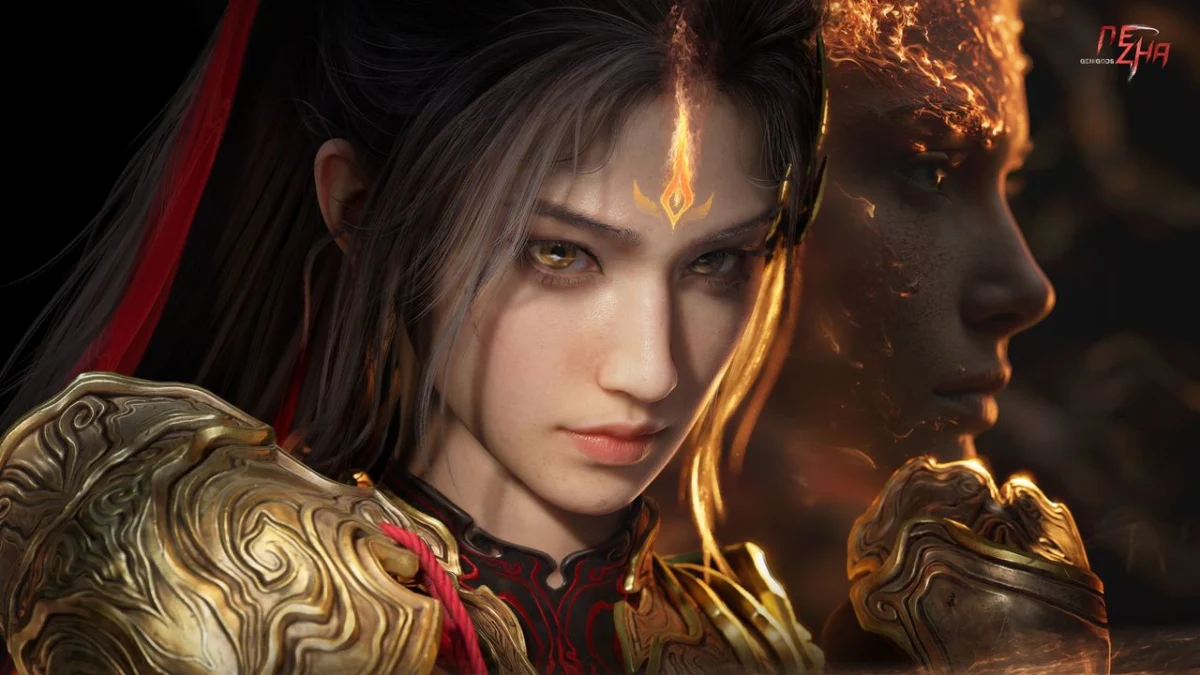
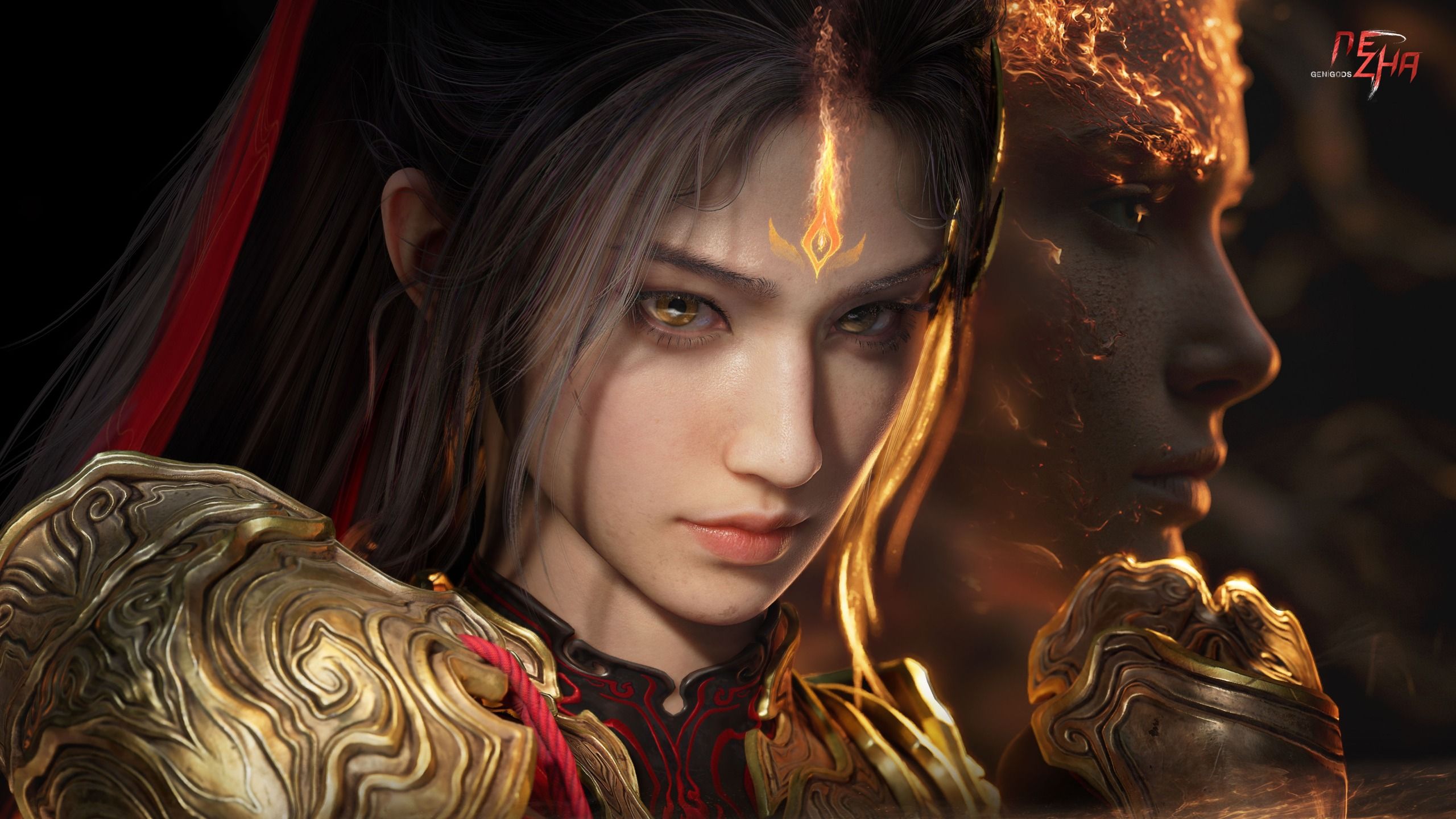
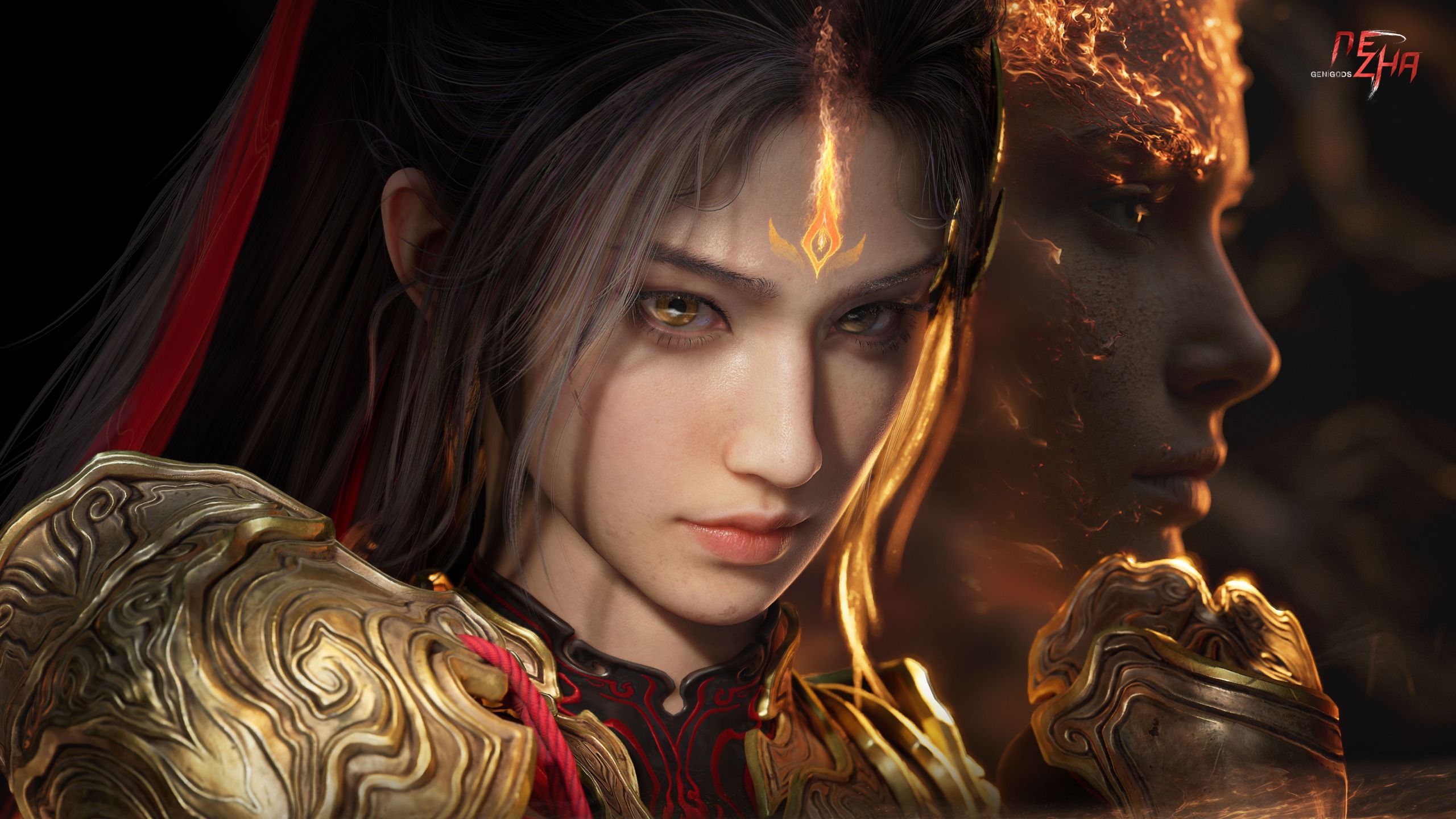
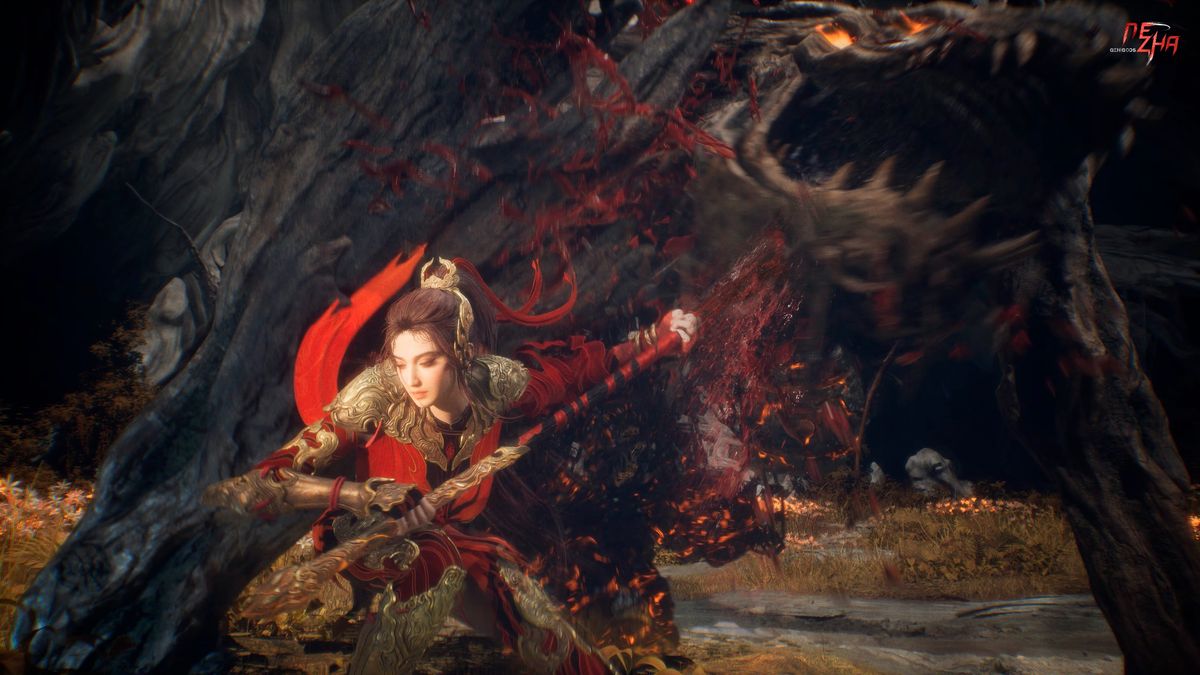
"We are utilizing Vertex Animation Textures (VAT) to incorporate feature-film quality rendering into real-time environments within Unreal Engine 5," Lau explains. This is visible in the protagonist, Pearl. Because she is essentially a being of water and clay, her character model is constantly in flux. Attacks manifest as splashing, shifting liquid, and her internal state is reflected through her shifting form.
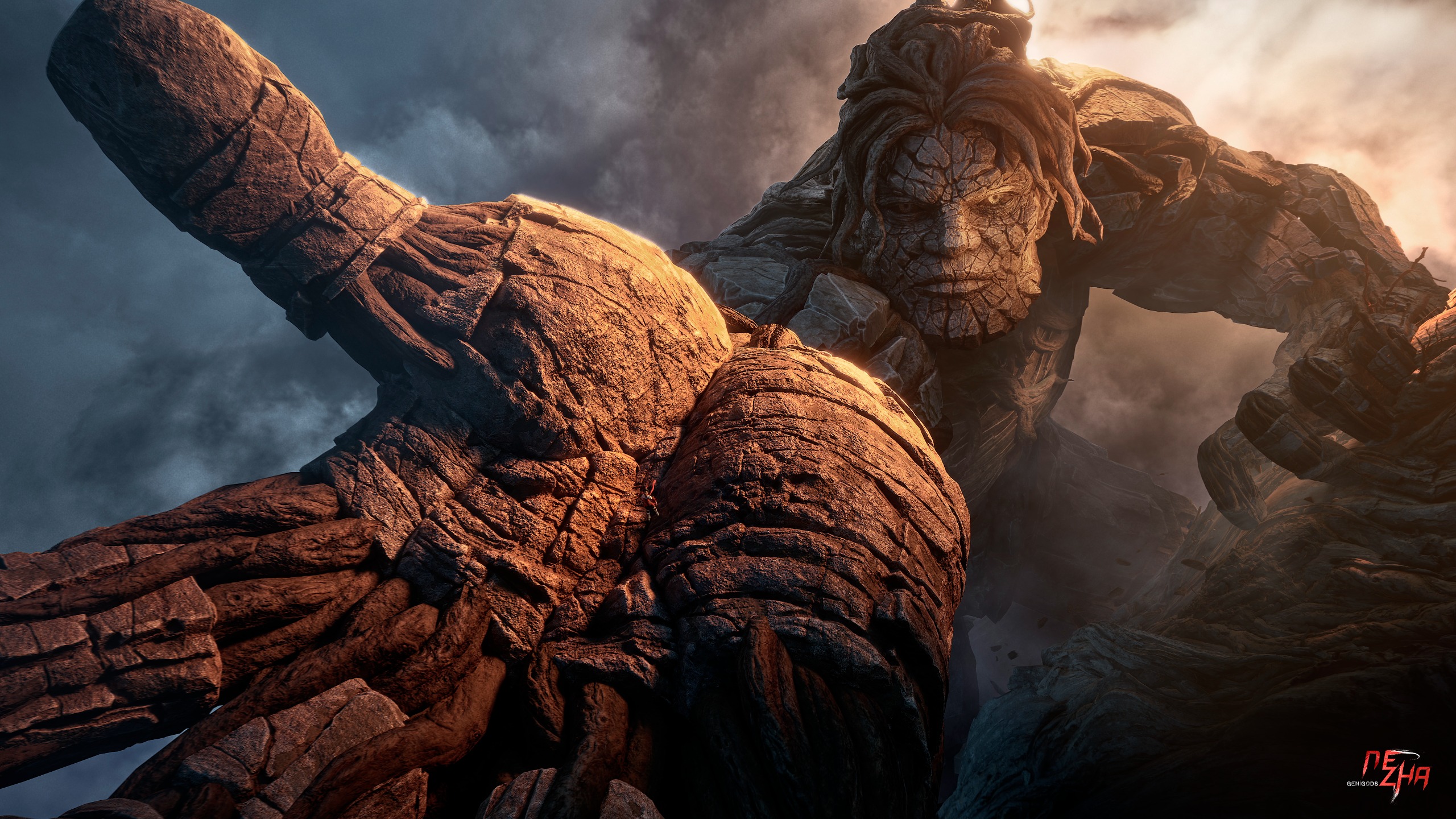
During the demonstration, the environmental effects were equally impressive. When a "Rift-Cursed" boss lands a heavy strike, the dust and sand particles interact dynamically with the arena. These are not merely pre-baked animations; they are reactive, physics-based systems that push the limits of what current-generation hardware can handle. While the demo displayed occasional dips in frame rate—a common trait in early work-in-progress builds—the ambition behind these visuals is undeniable.
The Combat Philosophy: From Earth to Sky
At the core of Genigods: Nezha is a combat system designed to be accessible yet deeply rewarding. Lau cites Street Fighter 6 and its modern control schemes as a primary inspiration for the game’s auto-combo system. "We want players to feel empowered," says Lau. "You can mash the face buttons while holding a modifier, but the depth comes from the mobility."
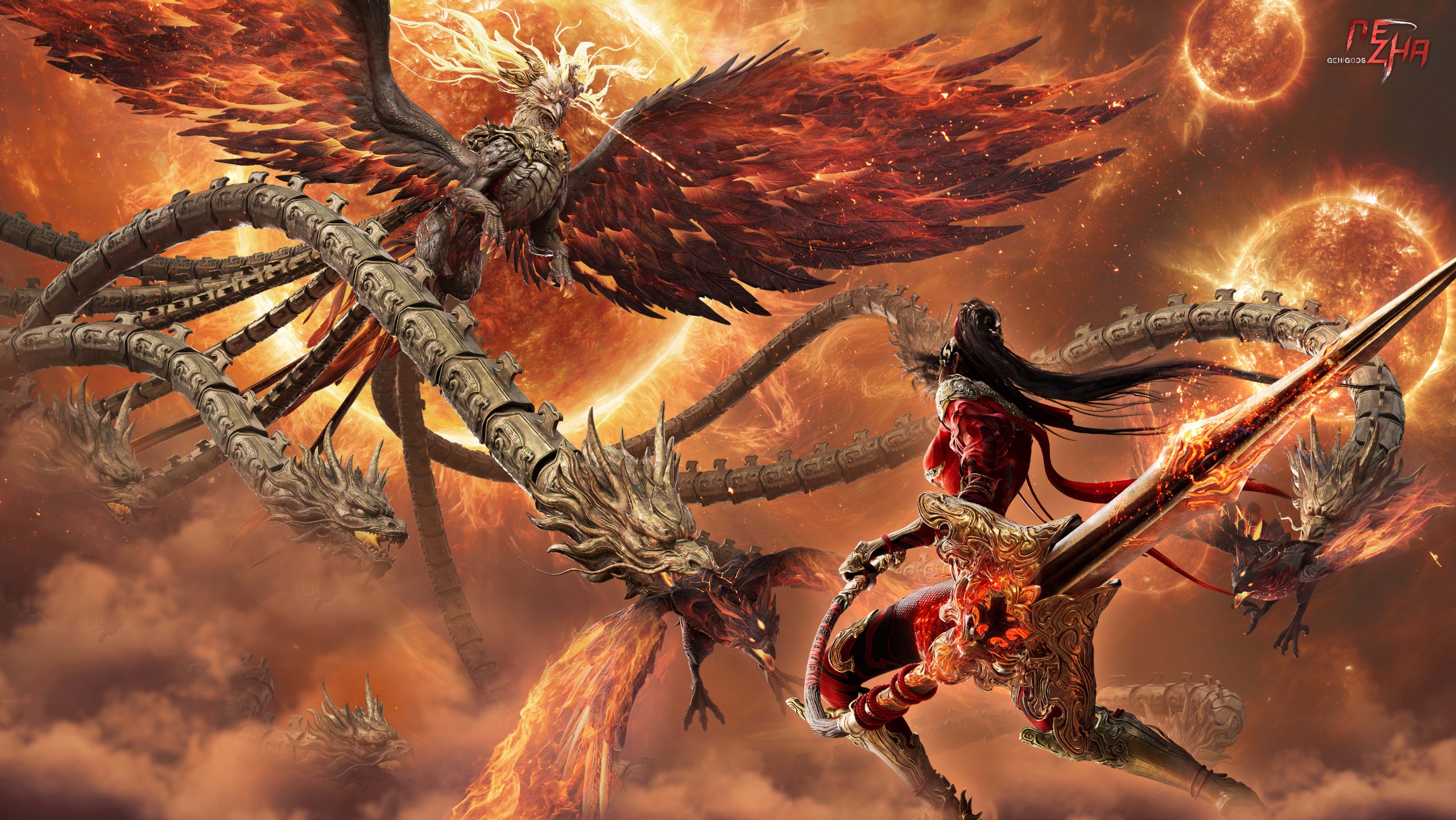
The combat emphasizes a "tri-state" flow: ground-to-air, air-to-ground, and air-to-air. In the demo, the fluidity of these transitions was evident. A player could launch an enemy into the sky, dash to follow them, and unleash a flurry of strikes before slamming them back into the earth, all without breaking the rhythmic flow of the engagement. It draws aesthetic and mechanical parallels to Dragon Ball Xenoverse and Devil May Cry, yet maintains a unique weightiness that feels distinct to the setting.
Official Responses and Industry Implications
When asked about the hardware requirements for such an ambitious vision, Lau remains pragmatic. The game has been confirmed for PC, PlayStation 5, and Xbox Series X/S. However, he acknowledges that the studio is pushing these platforms to their absolute limit.
"I’ve claimed that we are using movie-quality technology to optimize rendering by orders of magnitude," Lau admits, laughing as he acknowledges his own hyperbole. "But the reality is that we are constantly finding new ways to bridge that gap between film-grade assets and playable real-time performance. It is a constant battle against the limitations of current hardware."
Industry analysts have noted that titles like Genigods: Nezha represent a pivot point for the Chinese gaming industry. By moving away from the "service-based" model and toward the "experience-based" model, these studios are betting that the global audience is hungry for non-Western mythologies told through high-fidelity, narrative-driven lenses.
The Road Ahead: 2028 and Beyond
As the industry looks toward the rumored 2028 release of next-generation hardware—the PlayStation 6 and Microsoft’s "Project Helix"—the question arises: is Genigods: Nezha arriving just a few years too early? Or is it the perfect title to close out the current generation while pointing the way toward the next?
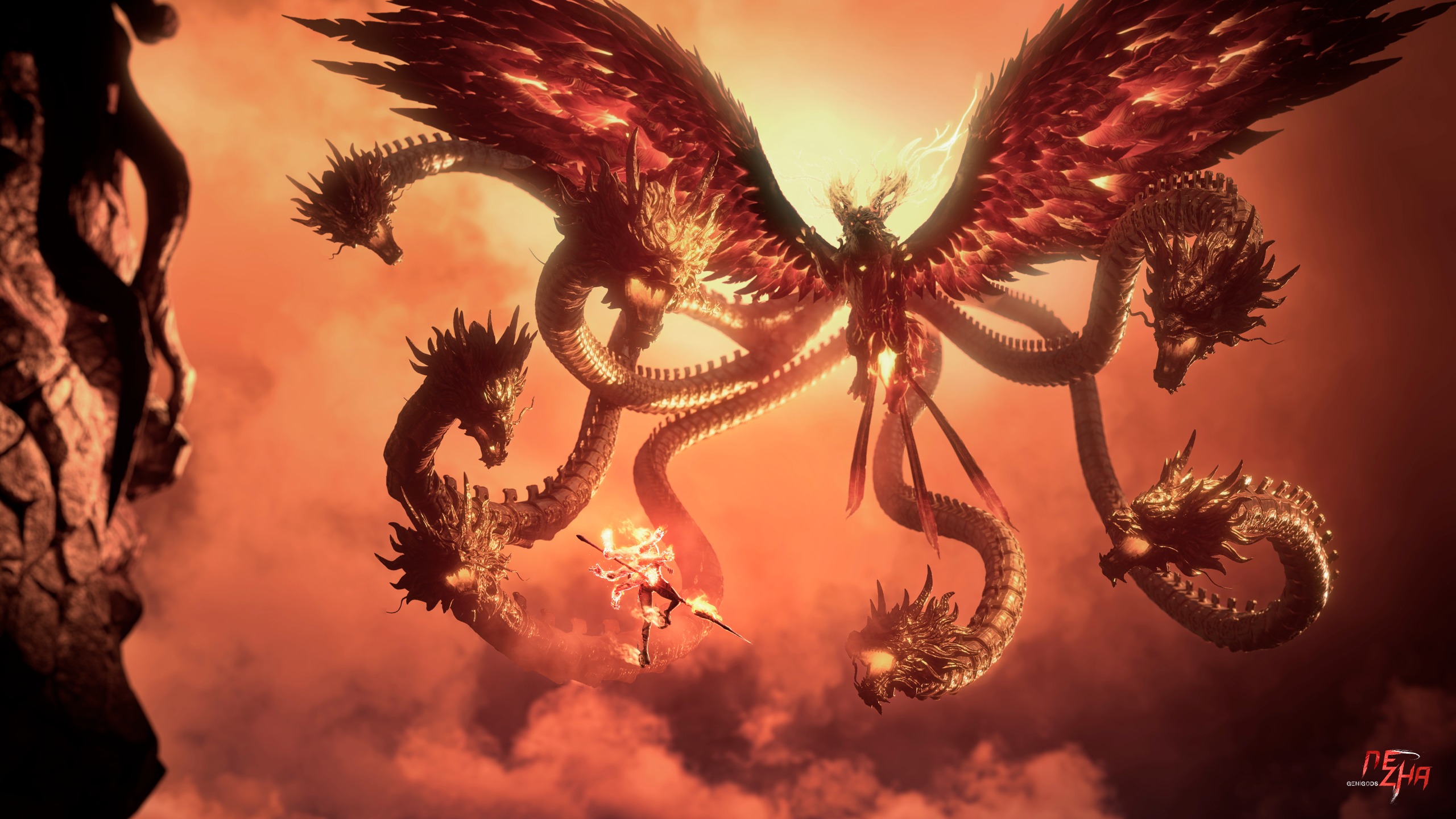
The game’s scope is massive. With colossal stone giants, multi-headed dragons, and combat encounters that require players to scale massive entities in a style reminiscent of Shadow of the Colossus, the game feels like a project that will grow in significance as it approaches its final release. The reveal that the tutorial boss was merely the "head" of a gargantuan creature hidden beneath the sands of the demo arena hints at a scale that is truly gargantuan.
Conclusion
Genigods: Nezha is more than a promising action game; it is a landmark project that highlights the growing technical and creative maturity of Chinese game development. By marrying high-octane, fluid combat with deep-rooted mythology and world-class rendering technology, Genigods Lab is carving out a niche that few other studios have dared to occupy.
For those eager to experience this clash of gods, the game is currently available for wishlisting on Steam. Whether it manages to fully realize the "Cinematic Fluid Simulation" dream or simply provides a top-tier action experience, one thing is certain: the world is watching, and the bar for Chinese AAA gaming has just been set significantly higher. As we look toward the future of the industry, Genigods: Nezha stands as a testament to the fact that when it comes to the intersection of art, technology, and mythology, the sky is no longer the limit—it is the playground.